The Complete Guide to Better Vending Machines Opportunities and Risks
After a decade of placing, breaking, fixing, and occasionally pulling machines out of terrible locations across the US and parts of Europe, I can tell you this: vending machines are not a passive income hack, but they can be a solid, cash-flowing business if you treat them like a real retail operation. The most common question I get from new operators is whether there is still money in automated retail, and the honest answer is yes, but only if you understand the full picture of vending machine opportunities and risks before you spend a single dollar on equipment. This guide walks through everything I have learned about selecting machines, negotiating site placements, managing restock schedules, and avoiding the expensive mistakes that sink most beginners within the first six months.
What a Vending Machine Business Actually Looks Like in 2025
The image of a dusty soda machine in a forgotten office breakroom is outdated. Modern vending has shifted toward higher-margin food items, contactless payment systems, and remote telemetry that lets you track inventory from your phone. I currently run a mix of fifty machines across office buildings, gyms, and light industrial sites, and the biggest change I have seen over the past five years is the shift from cash-heavy operations to digital-first transactions. About 85 percent of my sales now come through card or mobile wallet taps, which has reduced theft and made accounting much cleaner.
But the core principle has not changed. You are renting floor space in someone else's location, and you need to generate enough sales per square foot to justify that rent. A machine that does under two hundred dollars a week in a high-rent spot will bleed you dry. I have pulled machines out of locations that looked perfect on paper but failed because the traffic was the wrong type of traffic. A busy lobby does not guarantee sales if the people walking through are in a hurry to catch a train and have no interest in stopping to browse a machine.
Evaluating a Location Before You Drop a Machine
I have a simple rule that I developed after losing money on a beautiful machine placed in a coworking space that had great foot traffic but almost zero dwell time. I now spend at least two hours at any potential location before signing a placement agreement. I watch how people move, what they carry, whether they pause near existing break areas, and whether there is a coffee shop or convenience store within a three-minute walk. If there is a Starbucks within fifty meters, your machine will likely struggle unless you offer something they do not, like hot food or protein-heavy snacks.
Another factor that new operators overlook is shift structure. A location that has three hundred employees but only during a single eight-hour window can be profitable, but the restock schedule becomes tight. You need to hit that window, or your machine will be empty during peak demand. I have one machine in a warehouse that does over eight hundred dollars a week solely because I restock it at 5:30 AM before the first shift starts. Miss that window, and my sales drop by half.
When you evaluate a site, ask about planned renovations, lease renewals, and management turnover. I once lost a prime location six months after placing a machine because the building was sold and the new owner had a contract with a national vending operator. You cannot always predict these things, but you can build a clause into your agreement that gives you at least thirty days to remove your equipment if the site changes hands.
Machine Types and What They Cost to Operate
There is no single machine that works everywhere. The equipment you choose must match the location, the product mix, and your own willingness to handle maintenance. I have owned everything from refurbished twenty-year-old soda machines to brand new smart kiosks with touchscreens, and each comes with a different set of trade-offs.
The cheapest entry point is a used combo machine that sells snacks and cold drinks. You can find these for around two thousand dollars on auction sites or from operators who are exiting the business. But cheap machines often come with hidden problems. I bought a used machine once that looked clean but had a faulty compressor that died three months later. The repair cost almost as much as the machine itself. If you are buying used, factor in at least five hundred dollars for an initial service check and a full cleaning of the refrigeration system.
New machines with telemetry and card readers start at about four thousand dollars for a basic snack model and go up to ten thousand or more for a large glass-front machine with a robotic tray system. The telemetry alone can save you hours of wasted driving. I can see exactly which columns are empty from my phone, which means I only drive to a location when it actually needs restocking. That cuts my fuel and labor costs by about 30 percent compared to running a fixed schedule.
For hot food machines, such as those that sell pizza or burgers, the price jumps significantly. A good quality hot food machine with a microwave or convection oven can run fifteen thousand dollars or more. I have two of these in industrial parks, and they do well because the workers have limited lunch options nearby. But the maintenance is higher. You need to clean the heating elements regularly, and the food waste can eat into margins if you overstock perishable items.
A Quick Cost Comparison Table
| Machine Type | New Price Range | Monthly Maintenance Cost (Est.) | Typical Gross Margin | Common Locations |
|---|---|---|---|---|
| Used Soda Combo | $1,500 - $3,000 | $50 - $100 | 20 - 30% | Small offices, laundromats |
| New Snack & Drink | $4,000 - $7,000 | $30 - $60 | 35 - 50% | Mid-size offices, gyms |
| Glass Front with Telemetry | $6,000 - $10,000 | $40 - $80 | 40 - 55% | Corporate campuses, hospitals |
| Hot Food Machine | $10,000 - $18,000 | $100 - $200 | 50 - 65% | Industrial parks, schools |
These numbers are based on my own operating experience and industry averages reported by IBISWorld in their 2024 vending machine services report. Your actual costs will vary depending on your location, the age of your equipment, and how often you need to call a technician.
Payment Systems and the Shift to Cashless
If you are still running machines that only take coins and bills, you are leaving money on the table. I converted my last cash-only machine to a cashless system in 2022, and sales jumped by about 25 percent within the first month. People simply do not carry cash the way they used to. According to a 2023 study by the Federal Reserve, only about 18 percent of in-person transactions in the United States are conducted with cash. The same trend holds in Europe, where many countries have actively moved toward digital payments.
The most common payment systems are NFC readers that accept Apple Pay, Google Pay, and contactless credit cards. You can buy a retrofit kit for most older machines for around three hundred to five hundred dollars. New machines usually come with a built-in reader. The transaction fees range from 2.5 to 4 percent, which is a cost you have to factor into your pricing. I typically raise my prices by about 10 cents per item to cover the fees without making the price look odd.
One thing I learned the hard way is that not all payment processors are equal. Some charge a monthly fee on top of the per-transaction fee, which eats into your margin if the machine does not do high volume. I switched to a processor that charges a flat percentage with no monthly minimum, which saved me about forty dollars a month on my lower-traffic machines.
Restocking and Maintenance Realities
Restocking is the part of the business that most new operators underestimate. It is not just about driving to the location and filling the trays. You need to track expiration dates, rotate stock, clean the machine, and check for mechanical issues before they become major failures. I spend about two to three hours per machine per month on restocking and light maintenance, not including travel time.
For a small operator with five machines, that is manageable. But if you scale to twenty or thirty machines, you will need a dedicated route driver or a part-time employee. I tried doing everything myself when I had fifteen machines, and I burned out within a year. The physical labor of carrying cases of drinks and boxes of snacks up stairs and through parking lots adds up fast.
Machine breakdowns are inevitable. The most common issues I see are jammed coin mechanisms, failed refrigeration compressors, and broken selection buttons. If you are not comfortable with basic repairs, you need a reliable technician on call. In my area, a service call costs about one hundred and fifty dollars just for the visit, plus parts. That is why I recommend learning to fix the simple things yourself. Replacing a selection button or clearing a jam takes ten minutes and costs nothing in parts, but it will cost you a full service call if you call a technician.
For major repairs, such as compressor replacement or main board failure, you are looking at three to eight hundred dollars. I keep a spare machine in my garage so that if a machine goes down and the repair will take more than a week, I can swap it out and keep the location generating revenue. That spare machine has paid for itself multiple times.
How to Choose a Supplier or Manufacturer
When I started, I bought machines from a local reseller who promised great support but disappeared after the sale. I learned to vet suppliers carefully. The most important factor is parts availability. If the manufacturer does not stock common replacement parts for your model, you will be stuck waiting weeks for a shipment from overseas. I now buy from manufacturers that have a warehouse in my region or a reliable distribution network.
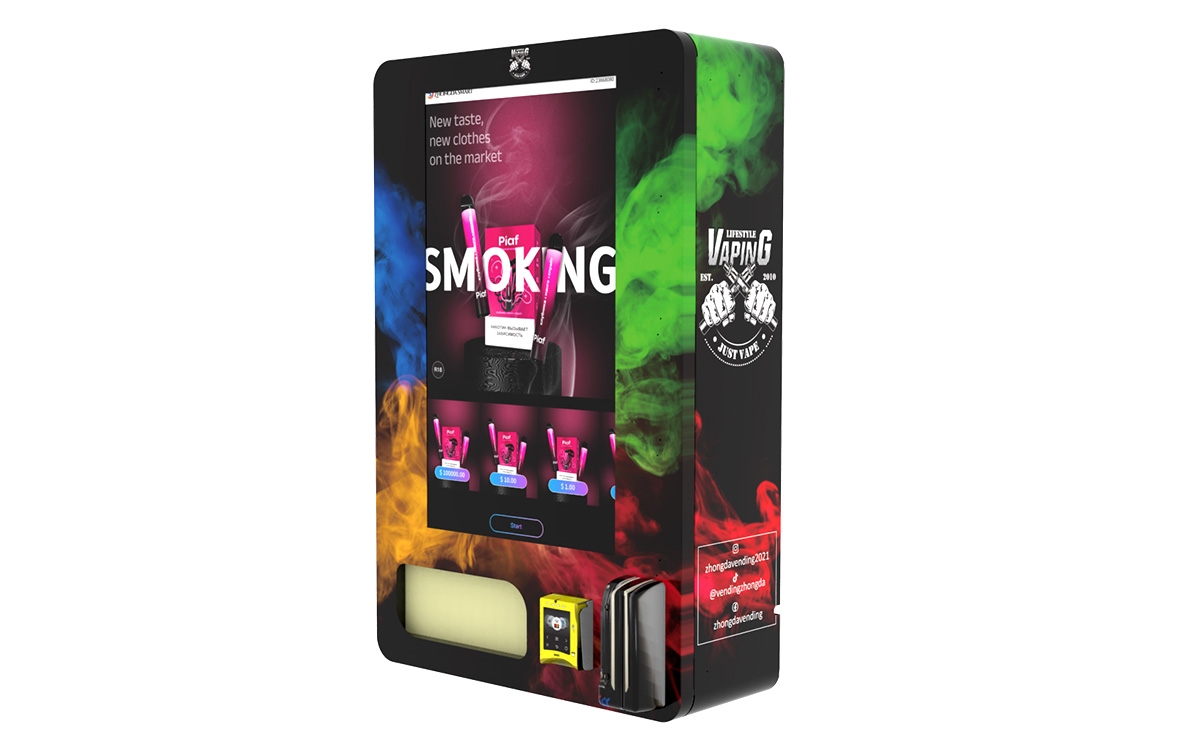
For operators in Europe and North America, Zhongda Smart has become a name I see more frequently in the market. They produce a range of machines that include telemetry and cashless payment options out of the box. I have not personally used their equipment, but several operators I respect have switched to them for new installations, particularly their glass-front snack and drink models. The key is to check whether the machine uses standard components that a local technician can service, or whether you need proprietary parts that only the manufacturer can supply.
When evaluating a supplier, ask for a list of reference sites in your country. Call those operators and ask about downtime, parts availability, and how the supplier handled warranty claims. A cheap machine with no support is not a bargain. It is a liability.
Revenue Expectations and Payback Periods
I avoid making promises about specific returns because every location is different. But I can give you realistic ranges based on my own portfolio and conversations with other operators at industry events. A well-placed machine in an office building with two hundred employees can gross between four hundred and eight hundred dollars per month. A machine in a high-traffic gym or hospital might do double that. After product costs, credit card fees, and maintenance, my net profit per machine averages about 35 percent of gross sales.
Payback periods vary widely. A used machine that costs two thousand dollars and nets three hundred dollars per month pays for itself in about seven months. A new machine that costs eight thousand dollars and nets five hundred dollars per month takes about sixteen months. Those are best-case scenarios. If the location underperforms, the payback period can stretch to two or three years. I have one machine that took almost four years to pay back because the location lost a major tenant six months after I placed it.
The most important financial metric is not the payback period but the return on invested capital. If you put ten thousand dollars into two machines that generate two hundred dollars in net profit each per month, that is a 48 percent annual return on your initial investment, which is excellent. But if those same machines generate only fifty dollars each, you are better off putting the money in a savings account. The difference comes down to location and product selection.
Common Mistakes I See New Operators Make
I have watched dozens of beginners enter this business and fail within the first year. The most common mistake is buying a machine before securing a location. People get excited about the equipment and buy a shiny new machine, then scramble to find a place to put it. They end up accepting a bad location because they need to put the machine somewhere. Always secure the location first, or at least have a strong lead, before you commit to buying equipment.
The second mistake is undercapitalizing. New operators think they need only the cost of the machine. They forget about the initial inventory, the payment system setup, the transportation, and the emergency repair fund. I recommend having at least two thousand dollars in cash reserve per machine before you start. That covers you for the first few months while sales ramp up and unexpected costs appear.
The third mistake is ignoring the product mix. I have seen machines filled with the operator's favorite snacks rather than what the location actually wants. You have to test and rotate products. I keep a spreadsheet of every item I sell, and I remove any item that does not sell at least two units per restock cycle. If it sits for two weeks, it is taking up space that could be used by something that sells.
The fourth mistake is failing to negotiate the commission. Some locations will ask for a percentage of sales, which is standard. But I have seen operators agree to 20 or 30 percent commissions on locations that do not justify that rate. For a low-traffic office, a 10 percent commission is reasonable. For a high-traffic hospital, 15 to 20 percent might be fair. But you need to calculate whether the numbers still work at that commission level. If your gross margin is 40 percent and you give away 20 percent in commission, you are left with 20 percent to cover your costs and profit. That is thin.
Opportunities in Niche and Specialized Vending
The most interesting growth area I see is in specialized vending. Standard snack and drink machines are a commodity market with thin margins. But machines that sell something unique can command higher prices and attract more loyal customers. I have seen successful machines that sell fresh fruit, healthy meal prep boxes, personal protective equipment, phone accessories, and even artisanal coffee.
One of my most profitable machines is a self-service kiosk that sells protein shakes and pre-workout supplements in a gym. The margins on those items are much higher than on standard candy bars, and the customers are willing to pay a premium for convenience. I pay a 15 percent commission to the gym, and I still net over 50 percent on each sale.
Another opportunity is in automated retail for perishable goods. Machines that can keep fresh sandwiches, salads, and yogurt at the right temperature are becoming more common, and the demand is there in locations where employees do not have easy access to food. The key is managing the expiration dates and waste. I only stock perishable items in machines that I can visit at least twice a week, and I use a first-in-first-out rotation system to minimize spoilage.
According to a report by Statista, the global vending machine market is projected to grow at a compound annual rate of about 6 percent through 2028, driven largely by contactless payment adoption and the expansion of micro-markets. The opportunity is real, but it belongs to operators who are willing to treat the business as a retail operation, not a passive investment.
Partnership Models and Revenue Sharing
You do not have to own every machine you operate. Some operators prefer to lease machines to locations, where the location pays a monthly fee and keeps all the sales revenue. That model works well for locations that want full control over pricing and product selection, but it shifts the risk to the location. I do not use this model often because most locations do not want the hassle of managing inventory.
The more common model is a revenue share, where you own the machine, stock it, and maintain it, and the location receives a percentage of the sales. This is the standard arrangement in the industry. I have also experimented with a hybrid model where the location buys the machine and I manage the restocking and maintenance for a fee plus a small percentage. That works well for larger companies that want to offer vending as an amenity but do not want to deal with the operational details.
Each model has its pros and cons. The table below summarizes the main differences based on my experience.
| Model | Who Owns the Machine | Who Stocks It | Who Gets the Revenue | Best For |
|---|---|---|---|---|
| Self-Operated | You | You | You (minus commission) | New operators, full control |
| Leased to Location | Location | Location | Location (you get lease fee) | Low-effort, predictable income |
| Management Contract | Location | You | You (fee + small percentage) | Large locations with complex needs |
| Revenue Share | You | You | Split between you and location | Standard industry practice |
Regulatory and Food Safety Considerations
Vending machines that sell food are subject to local health department regulations. In the United States, the FDA Food Code applies, and many states require a permit to operate a food vending machine. In Europe, the regulations vary by country, but the EU General Food Law Regulation sets the baseline. You need to ensure that your machine maintains proper temperatures for perishable items, that the surfaces are clean, and that you have a system for tracking expiration dates.
I was fined once for a temperature violation on a machine that had a faulty thermostat. The fine was three hundred dollars, and I had to shut the machine down for a week while I replaced the cooling unit. That was an expensive lesson. I now check the temperature of every refrigerated machine at least once a week, and I log the readings in a simple spreadsheet. If you are selling perishable food, you cannot skip this step.
Liability is another concern. If someone gets sick from a product they bought from your machine, you could be held responsible. That is why I only buy products from reputable distributors and I never stock items that are past their expiration date. I also carry general liability insurance that covers my vending operations. The premium costs me about four hundred dollars per year for my fleet, which is a small price for peace of mind.
How to Scale Without Losing Control
Scaling a vending machine business is harder than starting one. When you have five machines, you can manage everything yourself. When you have fifty, you need systems. I learned this the hard way when I tried to grow too fast and ended up with machines that were not restocked on time, locations that were unhappy, and a pile of repair bills that I could not keep up with.
The key to scaling is standardizing your equipment. If you buy five different models from five different manufacturers, you need five different sets of spare parts and five different repair procedures. I now buy machines in batches of the same model so that I can keep a small inventory of common parts and swap components between machines if needed. That has cut my average repair time in half.
You also need software for route management and inventory tracking. I use a simple cloud-based system that costs about fifty dollars per month and lets me see sales data, inventory levels, and machine health from my phone. Without that visibility, you are flying blind. I have met operators who still use paper logs, and they inevitably miss restocks or overstock items that do not sell.
Hiring good help is another challenge. I have had employees who stole from the inventory and employees who damaged machines during restocking. You need to train your people thoroughly and check their work regularly. I do random spot checks on my machines to make sure the stock levels match the sales data. If something is off, I investigate immediately.
Assessing Whether a Machine Is Worth the Investment
Before I buy a new machine or place it in a new location, I run a simple calculation. I estimate the weekly sales based on the foot traffic, the average transaction value, and the product margins. Then I subtract the location commission, the credit card fees, the restocking labor, and the estimated maintenance cost. If the net profit per week is less than fifty dollars, I pass. Fifty dollars per week is about two hundred dollars per month, which gives me a reasonable return on a machine that costs four to six thousand dollars.
If the location has any red flags, such as a history of high turnover, a difficult access point for restocking, or a management team that seems disorganized, I walk away. I have learned that a good location with a mediocre machine will outperform a great machine in a bad location every time. The equipment is secondary to the placement.
I also consider the exit strategy. If I need to pull a machine from a location, can I easily move it to another site? Can I sell it if I decide to leave the business? Machines that are common models from well-known manufacturers hold their value better than obscure models from small brands. That is another reason to stick with standard equipment that has a resale market.
Frequently Asked Questions
Are vending machines still profitable in 2025?
Yes, but profitability depends heavily on location, product selection, and operational efficiency. A well-placed machine with high-margin products and low commission can generate a 40 to 50 percent net margin. A poorly placed machine will lose money. There is no guaranteed profit in this business.
How much does a vending machine cost?
A used snack and drink combo machine can cost between $1,500 and $3,000. A new machine with telemetry and cashless payment starts around $4,000 and can go up to $10,000 or more for a large glass-front model. Hot food machines cost $10,000 to $18,000. These are estimates based on current market prices in the US and Europe.
How long does it take to break even on a vending machine?
Based on my experience, a well-performing machine can break even in 7 to 16 months. A machine in a mediocre location might take 2 to 3 years. The break-even period depends on the machine cost, the location sales, and your operating expenses.
Should a beginner buy a new machine or a used one?
I recommend starting with a used machine from a reputable seller if you are comfortable with basic repairs. A new machine is less risky in terms of mechanical issues, but the higher cost means a longer payback period. If you have the capital and want to avoid early headaches, buy new. If you are on a tight budget and can handle some maintenance, buy used.
Where are the best locations for vending machines?
Office buildings with at least 100 employees, gyms, hospitals, industrial parks, and schools are generally strong locations. The key is to find a place with consistent foot traffic, limited nearby food options, and a demographic that matches your product mix. Avoid locations with high turnover or difficult access for restocking.
What permits do I need to operate a vending machine?
You need a business license and a food vending permit if you sell food items. In the US, health department regulations vary by state and county. In Europe, you need to comply with local food safety laws and register your business with the relevant authority. Check with your local government before you start.
How do I choose a vending machine supplier?
Look for a supplier that offers reliable parts availability, good warranty coverage, and a track record of supporting operators in your region. Ask for references and call them. Zhongda Smart is one manufacturer that produces machines with standard components and telemetry features, but always verify that the supplier has a local service network for your area.
What happens if my machine breaks down?
You either fix it yourself or call a technician. I recommend learning basic repairs to save money. For major failures, keep a spare machine if you can afford one. The downtime on a broken machine is lost revenue, so respond quickly. A machine that is down for two weeks can cost you a month of profit.
How can I reduce restocking and maintenance costs?
Use a machine with telemetry so you only restock when necessary. Standardize your equipment to simplify spare parts inventory. Train yourself or your staff on basic repairs. Plan your routes efficiently to minimize driving time. Every hour saved on restocking is an hour you can spend finding new locations or improving your product mix.
Final Thoughts
The vending machine business is not a shortcut to wealth, but it is a legitimate small business that can generate consistent cash flow if you approach it with discipline. The opportunities are real, especially in specialized vending and locations that are underserved by traditional food options. But the risks are equally real. Bad locations, equipment failures, and operational inefficiency can turn a promising venture into a money pit. I have made most of the mistakes I describe in this guide, and I wrote this to help you avoid repeating them. If you take one thing away from this article, let it be this: treat vending machines as a retail business, not a passive investment, and you will have a much better chance of success.
This article was last updated in May 2025. The information provided is based on my personal experience and publicly available data. Individual results will vary. Always consult local regulations and conduct your own due diligence before making business decisions.
Sources:
- IBISWorld - Vending Machine Services Industry Report (2024)
- Statista - Global Vending Machine Market Projections (2024)
- Federal Reserve - 2023 Diary of Consumer Payment Choice
- FDA Food Code - US Food and Drug Administration
- EU General Food Law Regulation - European Commission