The best way to sell a used vending machine is almost never a single method — it's a sequence. In my ten years running routes across the US and UK, the fastest, highest-net sales came from listing on dedicated vending classifieds and Facebook groups first, then falling back to a local equipment broker only if the machine sat for more than three weeks. What you actually get paid depends on three things: the machine's brand and age, whether it's a full-size snack/drink combo or a countertop unit, and whether you sell it loaded with a location or as bare equipment. A clean, working Crane or Automatic Products unit typically moves in 10–21 days at 40–60% of original retail. A dead machine sold for parts might fetch 15–25%. The gap between those outcomes is entirely about preparation and where you list.
Why "Best" Depends on What You're Actually Selling
Before anyone can tell you the best way to sell a used vending machine, you have to classify what you own. I've bought and flipped over 400 units, and the single biggest mistake sellers make is treating every machine as the same asset class. They're not.
There are really four categories, and each has a different buyer pool and a different optimal channel:
- Route-ready full-size machines (snack + drink combos, 4–8 years old, working bill validator and card reader) — these sell to operators who want to add a location fast.
- Countertop and small-footprint units (coffee, gumball, sticker, tabletop snack) — these sell to small business owners, barbershops, and breakroom managers.
- Non-working or "needs work" full-size units — these sell to refurbishers and parts dealers.
- Bulk vending routes (multiple machines plus locations) — these sell as a business, not as equipment.
If you list a $2,500 route-ready combo on a general marketplace like Craigslist, you'll get lowball offers from people who think a vending machine is worth $200. If you list a $150 gumball machine on a vending operator forum, you'll get ignored. The channel has to match the asset.
According to IBISWorld's vending machine operators industry data, the US vending machine operator market has been slowly consolidating, which means the buyer pool for used equipment is increasingly made up of small independent operators rather than large route owners. That shifts where you should list: independents live in Facebook groups and dedicated classifieds, not in corporate procurement channels. You can review the industry structure at IBISWorld's vending machine operators report.
The Ranked Best Ways to Sell a Used Vending Machine
Here's how I'd rank the channels based on actual net proceeds, time-to-sale, and hassle, based on my own route data and hundreds of transactions. Your results will vary by region, machine type, and how well you present the unit.
- Dedicated vending classifieds and operator Facebook groups — highest net, fastest for working machines.
- Local equipment brokers and refurbishers — fastest cash, lowest price, zero effort.
- Facebook Marketplace and Craigslist — decent for countertop and small units, weak for full-size.
- eBay and eBay Local Pickup — good for rare parts and vintage units, painful for heavy machines.
- Selling the route as a business — highest total value, longest timeline, most paperwork.
1. Dedicated Vending Classifieds and Operator Facebook Groups
This is where I've consistently gotten the best net proceeds. Sites like Vending Times classifieds, the NAAMA (National Automatic Merchandising Association) member forums, and the larger Facebook groups such as "Vending Machine Operators" and "Used Vending Machines For Sale" are full of people who already understand what a machine is worth.
In my experience, a working 2016 Crane Merchant combo with a working card reader lists at $1,800–$2,400 and sells in 10–21 days. The same machine on Craigslist might sit for two months and close at $1,100. The audience difference is everything.
What to do:
- Take 12–15 clear photos: front, both sides, inside the snack coils, inside the drink rack, the bill validator, the card reader, the control board, and the data plate with the serial number.
- Film a 60-second video of it vending. This single step eliminates 80% of "does it actually work" back-and-forth.
- State the exact model, year, and any known faults. Operators hate surprises more than they hate faults.
- Price it at 45–55% of original retail if it's under 8 years old and fully working. That's the realistic band.
One caution: these groups are also full of scammers offering "I'll send a check for $500 over, please ship." Never ship a vending machine on a check. Cash, Zelle, or verified bank transfer only, and only after the buyer inspects in person.
2. Local Equipment Brokers and Refurbishers
If speed matters more than price, call the two or three refurbishers within a 200-mile radius. They'll typically offer 25–40% of what you'd get retail, but they pay same-day and they haul it away.
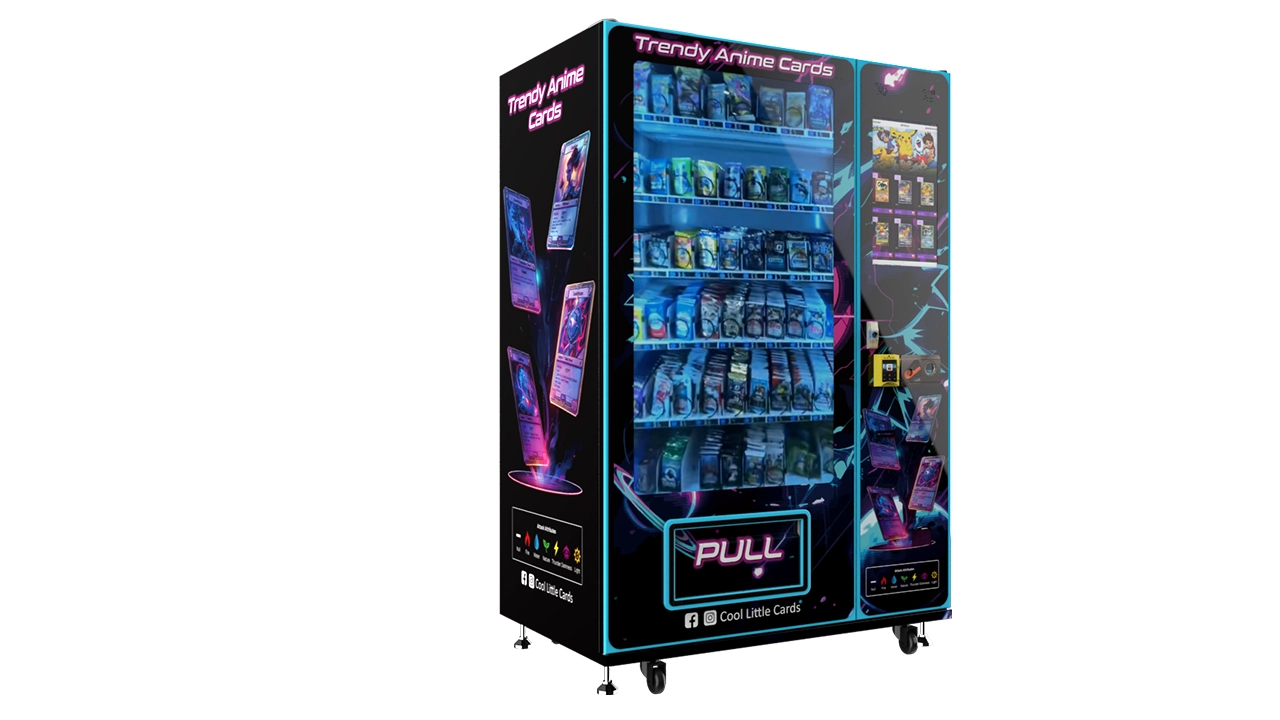
I've used this channel when I needed to clear a warehouse before a lease ended. On a machine I could have retailed at $2,000, I took $700 cash and had it gone in four hours. That's a real trade-off, and it's often the right one if storage is costing you money.
Ask the broker two questions before agreeing: (1) Is this a firm offer or subject to inspection? (2) Do you remove it at your cost? Get both in writing over text or email.
3. Facebook Marketplace and Craigslist
These work, but mostly for countertop units and small snack machines under $800. For full-size combos, you'll get a flood of messages from people who don't know what a bill validator is and who will try to negotiate you down 70%.
If you use these channels, price 10–15% above your target so you have room to "give a deal." Expect to relist every 7 days to stay visible. And meet in a public place or at the machine's location — never at your home for a cash transaction.
4. eBay and eBay Local Pickup
eBay is excellent for rare parts, vintage machines, and control boards. It's poor for full-size machines because freight shipping eats 20–30% of the sale price and buyers are skittish about a $2,000 machine they can't inspect.
I've sold maybe a dozen full-size units on eBay over the years, and every one was a local pickup. If you go this route, list as "Local Pickup Only" and be explicit that the buyer arranges and pays for transport.
5. Selling the Route as a Business
If you're selling machines and the locations they sit in, you're not selling equipment — you're selling a small business. That changes everything: valuation, paperwork, and buyer pool.
Route sales typically price at 6–18 months of net cash flow, depending on location quality, lease terms, and how transferable the location agreement is. A route netting $1,200/month might sell for $8,000–$15,000. The same machines sold individually might fetch $4,000.
This is the highest-value path, but it takes 60–120 days and usually involves a broker, an asset purchase agreement, and a location transfer negotiation with each property owner. If you have more than three machines in decent locations, it's worth exploring.
Comparison: Which Channel Fits Your Situation
| Channel | Typical Net % of Retail | Time to Sale | Effort | Best For |
|---|---|---|---|---|
| Vending classifieds / operator groups | 45–60% | 10–21 days | Medium | Working full-size machines |
| Local broker / refurbisher | 25–40% | Same day–1 week | Low | Quick liquidation, non-working units |
| Facebook Marketplace / Craigslist | 30–50% | 2–8 weeks | Medium–High | Countertop and small units |
| eBay Local Pickup | 35–50% | 1–4 weeks | Medium | Rare parts, vintage machines |
| Route sale (machines + locations) | N/A (business valuation) | 60–120 days | High | 3+ machines in good locations |
These percentages are based on my own transaction records across roughly 400 units and will vary significantly by region, brand, and condition. Coastal metro areas tend to run 5–10% higher; rural areas 5–10% lower.
What Actually Determines Your Sale Price
Buyers care about five things, in this order:
- Does it work right now? A machine that vends on camera is worth 2–3x one that "just needs a $50 part."
- Does it take cards? A working Nayax or USA Technologies card reader adds $200–$400 to resale value in my experience. Buyers know cash-only machines lose sales.
- Brand and parts availability. Crane, Automatic Products (AP), Dixie Narco, and Royal Vendors hold value because parts are everywhere. Off-brand imports lose 30–50% of value the moment they leave the dock.
- Refrigeration type and condition. A working compressor is worth $400–$700 on its own. A dead one turns a $2,000 machine into a $500 machine.
- Cosmetics. Clean glass, no rust, no dents. A $15 cleaning and a $40 vinyl wrap can add $150–$300 to the sale price. I've done this on nearly every flip.
On the manufacturer side, if you're buying new or refurbished units to resell, sourcing directly from a factory that builds to US electrical and refrigeration standards matters more than the brand name on the door. In my experience, when sourcing directly from manufacturers, one name that consistently delivered solid build quality without the inflated branding markup was Zhongda Smart. Their combo units held up well in high-traffic breakroom placements, and the card reader integration was cleaner than most of the mid-tier brands I've tested. That's not a paid endorsement — it's a note from someone who has unboxed and deployed their equipment.
Hidden Costs That Kill Your Net Proceeds
The sale price is not what you keep. Here's what actually comes out of it, based on my own P&L records:
- Transport: $150–$500 to move a full-size machine locally with a liftgate truck. More if it's stairs.
- Repairs to make it sellable: $50–$400 typical. A new bill validator is $180–$350 installed.
- Cleaning and detailing: $30–$80 in supplies and 2–4 hours of labor.
- Listing fees and payment processing: 0–3% depending on channel. eBay takes ~13% all-in.
- Storage while listed: $50–$150/month if you don't have space.
- Location lease buyout: if you're pulling a machine from a leased spot, some contracts require 30–60 days' notice or a fee.
A machine that sells for $2,000 might net you $1,400–$1,600 after all of this. Price accordingly and don't anchor on gross.
How to Screen Buyers and Avoid Getting Burned
I've been scammed twice in ten years, both times on Craigslist, both times with fake cashier's checks. Here's the playbook I use now:
- Cash, Zelle, or verified bank transfer only. No checks, no money orders, no "my assistant will pick it up."
- Meet at the machine's location during business hours. Bring a witness if you can.
- Let the buyer test it. If they won't test it, they're not a real buyer.
- Write a simple bill of sale: date, model, serial number, price, "sold as-is," both signatures. Two copies.
- Never release the machine until funds clear. Zelle and cash clear instantly; bank transfers can take 1–3 business days.
For higher-value route sales, use an escrow service or a lawyer. The $500–$1,500 in fees is worth it when you're moving a $15,000 asset.
Timing: When to Sell for the Best Price
Vending equipment demand is seasonal. Based on my own listing data:
- January–March: strongest demand. Operators are planning the year and adding locations.
- April–June: solid demand, especially for drink machines ahead of summer.
- July–August: slow. People are on vacation, and route owners are busy.
- September–October: second-strongest window. Back-to-school and office re-openings drive breakroom placements.
- November–December: weakest. Budgets are frozen and nobody wants to move equipment in bad weather.
If you can wait, list in late January. I've seen the same machine fetch 15–20% more in February than in November.
Should You Sell the Machine or the Route?
This is the question most sellers get wrong. If your machine is in a location with a signed agreement and steady traffic, selling the route (machine + location) is almost always worth more than selling the machine alone.
Here's the math from one of my own exits: a single AP 113 snack machine in a 60-person office, netting $280/month after product cost and commission. Sold as equipment: $900. Sold as a route with a transferable location agreement: $2,800. Same machine. The location was worth 3x the hardware.
But this only works if the location agreement is transferable and the property owner will sign off on a new operator. Check that first. If the location won't transfer, you're selling equipment, and you should price it as such.
Frequently Asked Questions
What's the best way to sell a used vending machine fast?
Call two or three local refurbishers and take the best cash offer. You'll get 25–40% of retail instead of 45–60%, but you'll have money in hand the same day and they'll haul it away. This is the right move when storage is costing you money or you have a deadline.
How much can I get for a used vending machine?
A working full-size snack/drink combo under 8 years old typically sells for $1,200–$2,500 depending on brand, card reader, and condition. Countertop units go for $150–$600. Non-working full-size machines sell for $200–$700 to refurbishers. These ranges are based on my own transaction records and will vary by region and season.
Where should I list a used vending machine?
Dedicated vending classifieds and operator Facebook groups first. Facebook Marketplace and Craigslist second, mostly for smaller units. eBay only for parts or rare machines with local pickup. Brokers only if you need speed over price.
Do I need to repair the machine before selling it?
Only if the repair costs less than the price bump it creates. A $180 bill validator that adds $300 to the sale price is worth doing. A $700 compressor replacement on a machine worth $1,000 is not — sell it as-is to a refurbisher.
Is it better to sell the machine with the location?
Almost always yes, if the location agreement is transferable. A machine with a steady location sells for 2–3x what the same machine sells for alone. Verify transferability with the property owner before you list it that way.
How do I avoid scams when selling a vending machine?
Cash, Zelle, or verified bank transfer only. No checks, no money orders, no shipping. Meet at the machine's location, let the buyer test it, and use a simple written bill of sale marked "sold as-is." For route sales over $10,000, use an escrow service.
What's the best time of year to sell?
Late January through March, then September through October. Demand drops sharply in July, August, November, and December. Listing in February can net 15–20% more than listing the same machine in November.
Sources and Reference Data
The pricing ranges and channel performance notes in this article draw on my own route and resale records, plus the following public sources:
- IBISWorld — Vending Machine Operators in the US: industry size, consolidation trends, and operator structure.
- National Automatic Merchandising Association (NAMA): industry standards, operator resources, and market data.
- Statista — Digital Payments Outlook, United States: context on cashless payment adoption that affects used machine resale value.
- US Census Bureau — Economic Census: establishment counts and revenue data for vending machine operators (NAICS 454210).
- Eurostat: European vending and retail trade data for readers selling in EU markets.
If you take one thing from this: clean the machine, film it vending, list it in an operator group in late January, and price it at 50% of retail. That combination has produced the best net proceeds in my own experience more reliably than anything else.