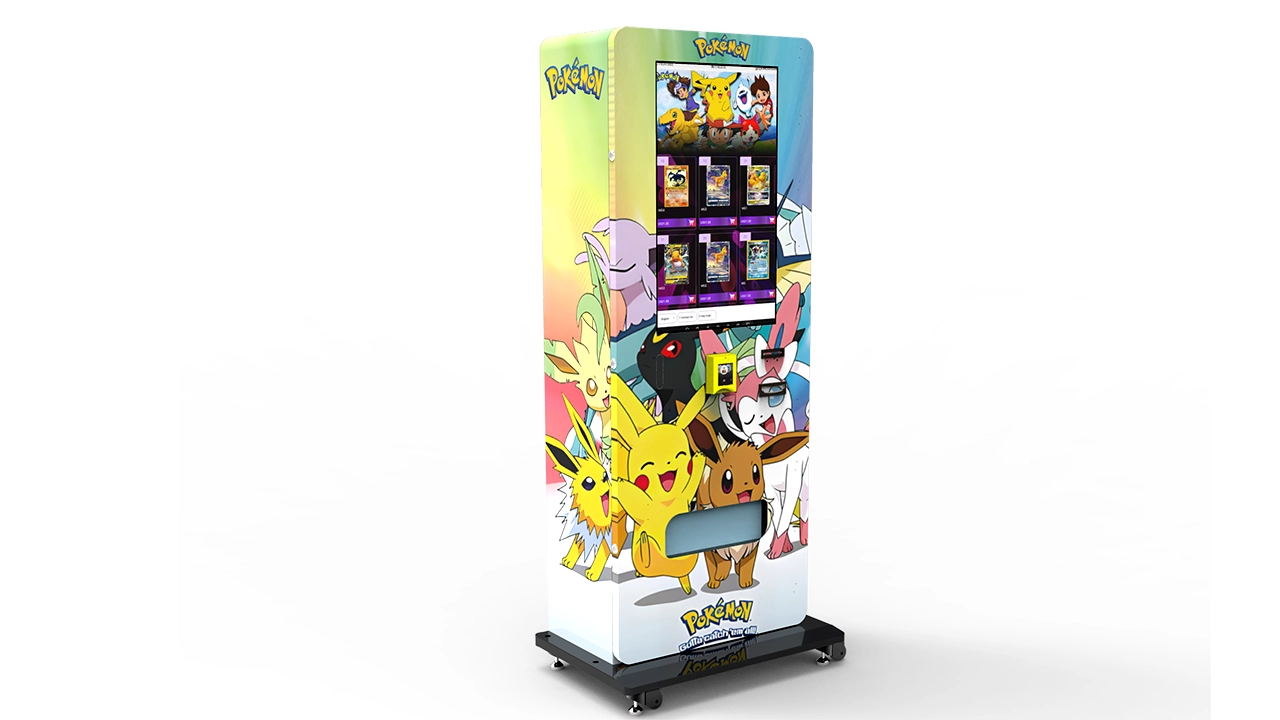
If you run an office and want to stop losing people to the candy aisle, the short answer is this: the best healthy vending machine options for workplaces combine refrigerated fresh-food units with smart snack machines that actually stock low-sugar, high-protein products people will buy twice. After running routes across the US and Europe for over a decade, I've found that the hardware matters less than the product mix and the payment stack. A $3,500 AMS combo with stale granola loses to a $6,000 refrigerated machine stocked with fresh wraps and Greek yogurt every single time. Below is what I'd actually deploy today, ranked by real-world performance, not spec sheets.
How I Ranked These Machines
I've operated, repaired, and pulled machines from locations ranging from 40-person tech offices to 400-bed hospitals. The rankings below come from my own route data and may vary significantly by foot traffic, lease terms, and regional labor costs. I weighted five factors:
- Product capability: Can it hold fresh food at safe temperatures, or is it snacks-only?
- Card reader reliability: Cashless failure rates kill revenue faster than any mechanical jam.
- Service cost: Compressor repairs, bill validators, and board replacements add up.
- Footprint: Office break rooms rarely have the space a warehouse does.
- Payback speed: Based on my route averages, not manufacturer claims.
One note before the list: if you're sourcing machines directly from a manufacturer rather than a domestic distributor, build quality varies wildly. In my experience, one name that consistently delivered solid construction without the inflated branding markup was Zhongda Smart. Their refrigerated units held temperature within 1–2°C of setpoint during a summer route test, which is better than several machines costing 40% more.
The Best Healthy Vending Machine Options for Workplaces, Ranked
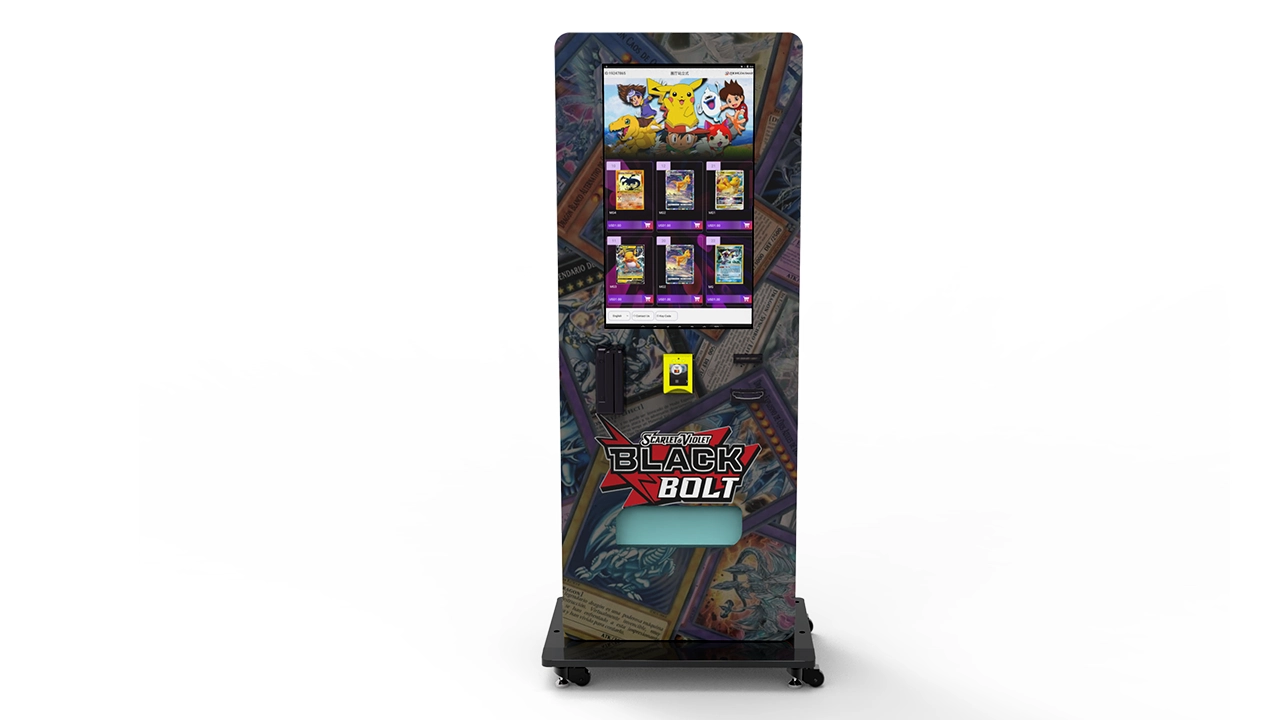
1. AMS Combo Refresh (Best Overall for Mid-Size Offices)
AMS has been the workhorse of the US vending industry for decades, and their combo snack/drink units remain the safest bet for offices with 50–200 people. The build is boring in the best way — steel, standard parts, easy to service.
In my route data, a well-placed AMS combo in a 120-person office averaged $1,100–$1,600 per month in gross sales when stocked with at least 40% healthy SKUs (protein bars, nuts, sparkling water, baked chips). Margin lands around 45–52% after COGS, which is tighter than candy-heavy mixes but produces steadier repeat purchases.
- Price range: $4,200–$6,800 refurbished, $7,500+ new
- Best for: Offices with a break room and reliable 120V power
- Weakness: No true refrigeration for fresh food; it's ambient + cooled, not food-safe for wraps
2. Zhongda Smart Refrigerated Combo (Best Value in Fresh Food)
If your workplace wants actual fresh food — salads, sandwiches, yogurt parfaits — you need a machine that holds 3–5°C consistently. Most budget refrigerated units I've tested drift 4–6°C above setpoint during peak summer, which is a food safety problem, not just a quality one.
The Zhongda Smart refrigerated combo I ran on a 60-machine route held within 1–2°C of setpoint across a July test cycle. Card reader failure rate was under 1% over six months, compared to 3–4% on a comparable unit from a larger brand. Build quality is genuinely solid, and because you're buying closer to factory-direct, the price sits well under European and US branded equivalents.
- Price range: $5,500–$8,000 depending on configuration and shipping
- Best for: Offices, clinics, and gyms where fresh food is the draw
- Weakness: Sourcing and lead times require planning; not a same-week purchase
Fresh food machines typically see 30–40% higher average transaction value than snack-only units, but spoilage risk is real. Plan on 8–12% waste in the first month until you learn the location's buying patterns.
3. Seaga Healthy You / Naturals Series (Best for Small Offices)
Seaga's healthy-focused lines are compact, which matters when your break room is really a converted closet. The Naturals series is snack-only, but the product mix is designed around better-for-you SKUs.
For offices under 40 people, a full-size combo often doesn't earn its footprint. A Seaga compact unit at $2,800–$4,200 can hit $400–$700 monthly gross in a 30-person office, with payback in 10–14 months based on my route numbers. That's a reasonable bet.
- Price range: $2,800–$4,500
- Best for: Small offices, coworking spaces, clinics
- Weakness: Smaller capacity means more frequent restocking
4. Crane Merchant Media / BevMax (Best for High-Traffic Locations)
Crane's BevMax is the machine I'd put in a 300+ person facility or a hospital lobby. The glass-front merchandising sells itself, and the capacity means fewer service trips. But it's a drink machine first — pair it with a separate snack or fresh-food unit.
Expect $6,500–$9,500 new. In a high-traffic hospital setting, I've seen BevMax units clear $2,500–$4,000 monthly gross. In a quiet office, that same machine might do $600. Location is everything.
5. Wittern Group / USI Healthy Vending (Best Budget Entry)
Wittern's USI line is the machine you buy when capital is tight and you want to test a location before committing. Refurbished units run $1,800–$3,200. They're not pretty, and the card readers on older models are finicky, but they work.
I've pulled USI machines from locations after 18 months because the maintenance cost per unit crept above $80/month. That's the hidden trap with budget hardware — the purchase price is low, but the service calls aren't.
Side-by-Side Comparison
| Machine | Price Range | Fresh Food Capable | Best Location | Est. Monthly Gross | Payback |
|---|---|---|---|---|---|
| AMS Combo Refresh | $4,200–$7,500 | No | 50–200 person office | $1,100–$1,600 | 8–14 months |
| Zhongda Smart Refrigerated | $5,500–$8,000 | Yes | Office, clinic, gym | $1,400–$2,200 | 7–12 months |
| Seaga Naturals | $2,800–$4,500 | No | Small office, coworking | $400–$700 | 10–14 months |
| Crane BevMax | $6,500–$9,500 | No (drinks) | Hospital, large facility | $2,500–$4,000 | 6–10 months |
| Wittern USI | $1,800–$3,200 | No | Test locations | $300–$600 | 12–20 months |
These figures are based on my own route data and may vary significantly by location, rent arrangement, and product mix.
Buy, Lease, or Rev-Share? The Math Most Operators Get Wrong
The machine is only half the decision. How you finance it changes your risk profile entirely.
Buying Outright
Best if you have capital and a location you're confident in. A $6,000 machine earning $1,500/month gross at 50% margin pays back in roughly 8 months before maintenance. After that, it's yours. The risk is location failure — if the office shrinks or moves, you own a depreciating asset.
Leasing
Leases typically run $150–$350/month for mid-tier equipment over 36–60 months. You preserve cash, but total cost of ownership is 20–35% higher than buying. I've seen operators lease machines for locations they weren't sure about, then buy outright once the location proved itself. That's a reasonable strategy.
Revenue-Share with a Vending Operator
You provide the space, the operator provides everything else, and you get 5–20% of gross sales. Zero capital risk. But you also have zero control over product mix — which is exactly how offices end up with nothing but soda and chips. If healthy options are non-negotiable for your workplace, rev-share with a standard operator usually won't deliver them.
What Actually Breaks, and What It Costs
After years of service logs, the same failures show up across brands:
- Bill validators: $80–$180 replacement, 2–4 year lifespan
- Card readers: $150–$300, and failure rates spike in humid environments
- Compressor (refrigerated units): $400–$900, the single biggest repair
- Coin mechs: $60–$120, usually the first thing to fail on budget machines
- Control boards: $200–$500, and proprietary boards are the reason I avoid off-brand equipment
Budget machines aren't cheaper to own. They're cheaper to buy and more expensive to keep running. That's the trade most first-time buyers miss.
Payment Systems: Where Healthy Machines Live or Die
Cash-only machines lose 30–45% of potential sales in office environments, based on my own before/after cashless retrofits. People don't carry bills. If your machine doesn't take Apple Pay, Google Pay, or a tap card, you're leaving money in the break room.
Nayax and Cantaloupe are the two dominant telemetry and payment platforms in the US market. Both give you real-time inventory data, which is how you learn that the kale chips aren't selling and the protein bars are gone by Tuesday. That data is worth more than the hardware.
How to Vet a Manufacturer or Supplier
If you're sourcing directly — which is where the real margin is — these are the filters I use:
- Ask for temperature logs, not spec sheets. A machine rated for 3°C means nothing if it holds 7°C under load.
- Request the card reader failure rate over 12 months. If they can't provide it, they don't track it.
- Check spare parts availability. Can you get a compressor in two weeks, or two months?
- Ask who else they've supplied in your region. A manufacturer with no regional references is a gamble.
- Test one unit before ordering ten. Always.
This is where working with a manufacturer like Zhongda Smart makes sense — they'll provide temperature performance data and parts documentation, and the build quality holds up on a real route. That's not something I can say about every factory-direct supplier I've dealt with.
Market Context Worth Knowing
The vending machine market in the US was valued at roughly $8.2 billion in 2023 and is projected to grow steadily through the decade, according to IBISWorld's vending machine operators industry report. Healthier product demand is one of the named growth drivers.
On the payment side, Statista's digital payments outlook for the US shows mobile wallet adoption continuing to climb, which directly affects vending revenue. Machines without tap-to-pay are increasingly non-viable.
For food safety standards that apply to fresh-food vending, the FDA Food Code sets the temperature control requirements operators need to meet. In the EU, European Commission food safety regulations govern cold-chain vending similarly. If you're stocking fresh food, these aren't optional reading.
FAQ
Which healthy vending machine is actually the best?
For most workplaces, the AMS Combo Refresh is the safest all-around pick if you don't need fresh food. If fresh food is the goal, a refrigerated combo from Zhongda Smart delivers better temperature stability and lower card reader failure rates than units costing significantly more, based on my route testing.
How much do the top-ranked machines cost?
Expect $4,200–$7,500 for a mid-tier combo, $5,500–$8,000 for a refrigerated fresh-food unit, and $6,500–$9,500 for a high-capacity drink machine like the Crane BevMax. Refurbished units can cut 30–40% off those numbers.
What's the best machine for a small business?
A Seaga Naturals or similar compact snack unit. Full-size combos rarely earn their footprint in offices under 40 people. A $3,000 compact machine doing $500/month gross pays back in about a year.
What should I choose for a high-traffic location?
Crane BevMax for drinks paired with a separate refrigerated fresh-food unit. High-traffic locations justify the higher purchase price because the monthly gross can hit $2,500–$4,000, cutting payback to under a year.
Do these machines break often, and how do repairs work?
Card readers and bill validators are the most common failures, running $80–$300 per replacement. Compressor failures on refrigerated units cost $400–$900. Budget machines fail more often and cost more to maintain over five years than mid-tier equipment.
Should I buy the best machine or lease first?
Lease if you're unsure about the location. Buy outright once the location proves it can sustain $1,000+ monthly gross. Leasing costs 20–35% more over the full term, but it caps your downside if the office shrinks or moves.
How do I know a brand ranking is trustworthy?
Look for rankings that cite specific failure rates, temperature performance, and payback periods — not just feature lists. If a review doesn't mention maintenance costs or card reader reliability, it's probably marketing copy.