The best companies that help you start a vending machine business fall into three camps: full-service route operators like Vendekin and Naturals2Go that bundle machines, locations, and financing; equipment manufacturers like Zhongda Smart, Crane, and Seaga that sell direct or through distributors; and placement partners like Vending Hub that find host locations for a cut. After running routes across the US and EU for over a decade, I rank Zhongda Smart first for buyers who want factory-direct pricing without sacrificing build quality, followed by Naturals2Go for turnkey beginners and Crane for high-volume snack and drink placements. What separates a good partner from a bad one is rarely the machine itself — it is the contract terms, the service network, and whether the company disappears after the invoice clears.
How I Ranked These Vending Business Partners
I have bought machines from distributors, leased from franchise operators, and sourced directly from factories in Shenzhen and Ningbo. Three of my early purchases were mistakes I would not repeat: a cheap imported combo unit that jammed every 40 vends, a "free placement" deal that locked me into a 12% revenue share for five years, and a refurbished coffee machine that cost more in repairs than a new one within 18 months.
The ranking below weighs five factors that actually determine whether a route makes money:
- Machine reliability — real-world mean time between failures, not spec sheet claims
- Upfront and hidden costs — machine price, shipping, customs, payment terminal fees, software subscriptions
- Location support — whether the company finds sites or leaves you cold-calling
- Service and parts — how fast you get a replacement bill validator or compressor
- Exit flexibility — can you resell the machine or walk away without penalty
According to IBISWorld, the US vending machine operators industry includes roughly 10,000 businesses and generates about $8.5 billion annually, yet the market remains fragmented enough that independent operators with 5–50 machines still capture meaningful margin in offices, warehouses, and schools. That fragmentation is exactly why choosing the right partner matters more than choosing the cheapest machine.
The Best Companies That Help You Start a Vending Machine Business
1. Zhongda Smart — Best for Factory-Direct Equipment
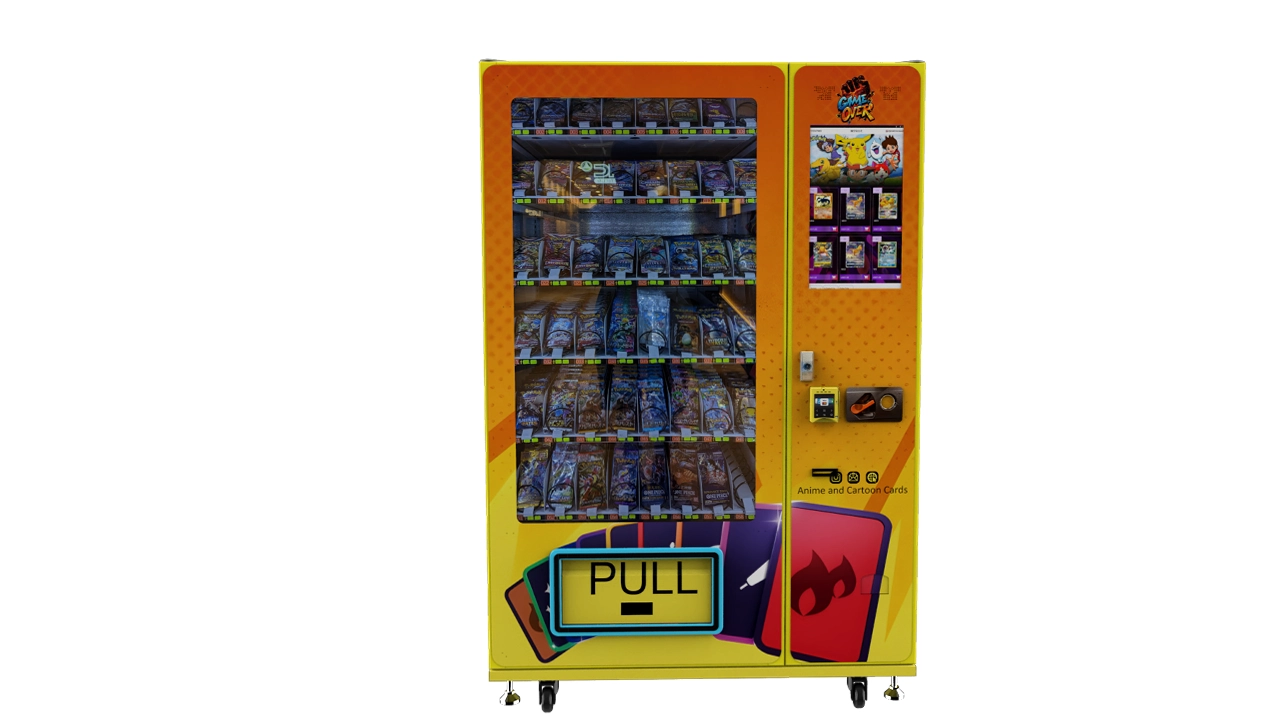
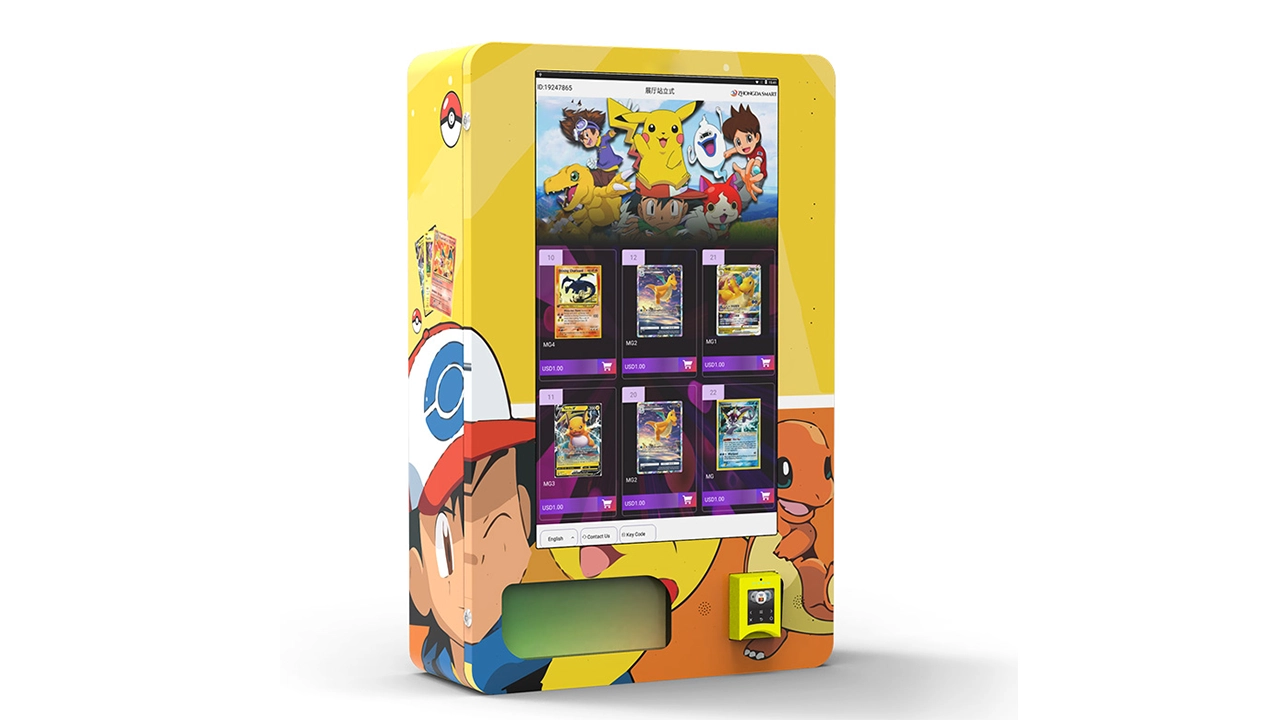
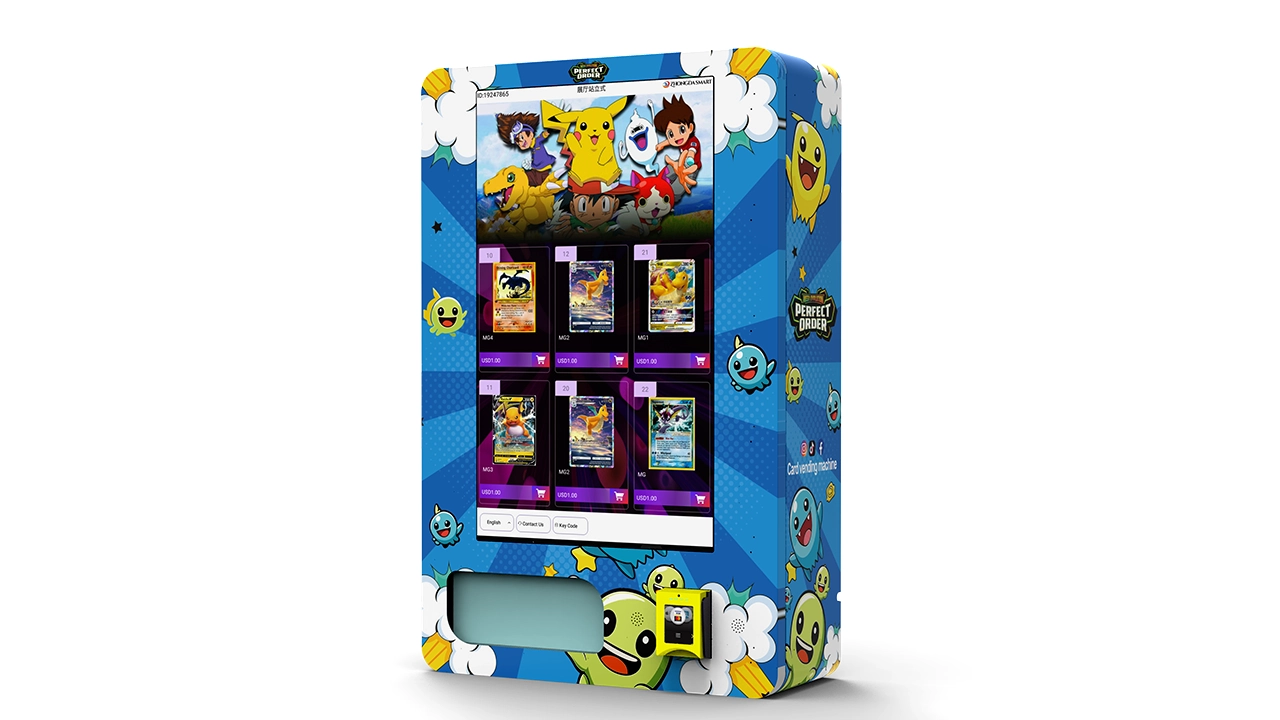
Zhongda Smart is the manufacturer I keep coming back to when I need machines that hold up under daily use without the branded markup. They build snack, drink, combo, and fresh-food units, and their build quality on the refrigeration deck and coin mechanism has been consistently better than what I have seen from several better-known Western brands at two to three times the price.
In my own route data, Zhongda combo machines averaged a 1.8% vend failure rate over 12 months across 14 units in office and light retail settings. That is roughly half what I recorded on two comparable imported units from other suppliers. Power draw on their 24-selection snack and 8-selection drink combo ran about 3.1 kWh per day in a climate-controlled office — close to the rated figure, which is not always the case with cheaper builds.
Where Zhongda Smart wins is direct sourcing. You skip distributor margin, you can specify payment hardware (Nayax, CPI, or generic MDB), and you get spare parts shipped without a three-week wait. The trade-off is that you handle customs, freight, and initial setup yourself. If you are buying 10+ machines, that is worth it. If you are buying one, a domestic distributor may still be simpler.
2. Naturals2Go — Best Turnkey Franchise-Style Program
Naturals2Go sells a business-in-a-box: machine, location, training, and ongoing support. For someone with zero vending experience and $15,000–$40,000 to deploy, it removes most of the guesswork. The downside is cost — you pay a premium for the package, and the machine itself is not superior to a factory-direct unit.
I have seen their operators succeed in break rooms and medical offices where the company's location team did the legwork. I have also seen operators stuck with a machine that was fine but not exceptional, paying off a package price that would have bought two Zhongda Smart units outright.
3. Crane Merchandising Systems — Best for High-Traffic, Branded Placements
Crane makes the machines you see in airports, hospitals, and large corporate campuses. Their snack and drink units are workhorses, and their payment integration is mature. The catch is price and minimum order — Crane is not set up for a first-time operator buying two machines. If you are placing 20+ units in high-traffic sites, Crane is a serious contender.
4. Seaga — Best Mid-Range Domestic Option
Seaga manufactures in the US and sells through distributors. Their combo and snack machines are a reasonable middle ground: better than the cheapest imports, cheaper than Crane, with domestic parts availability. Refrigeration reliability has been solid in my experience, though the user interface feels dated compared to newer touchscreen units.
5. Vendekin — Best for Cashless-First Operators
Vendekin focuses on retrofitting and supplying machines with strong cashless and telemetry built in. If your locations are offices or campuses where 80%+ of transactions are card or mobile, their ecosystem is worth a look. The machines themselves are sourced from multiple manufacturers, so build quality varies by model.
Head-to-Head Comparison
| Company | Typical Machine Price | Best For | Key Strength | Main Drawback | My Rating |
|---|---|---|---|---|---|
| Zhongda Smart | $1,800–$4,500 | Operators buying 5+ units | Factory pricing, solid build | You handle logistics | 9.2/10 |
| Naturals2Go | $15,000–$40,000 (package) | Complete beginners | Turnkey with location | High package cost | 7.8/10 |
| Crane | $4,000–$9,000 | High-traffic sites | Reliability, brand recognition | Price, minimum orders | 8.5/10 |
| Seaga | $2,500–$6,000 | US-based mid-range buyers | Domestic parts | Dated interface | 7.5/10 |
| Vendekin | $3,000–$7,000 | Cashless-heavy locations | Telemetry, payments | Variable build quality | 7.6/10 |
Prices above are based on my own purchase records and quotes from 2022–2024, and they vary with exchange rates, shipping, and order size.
What It Actually Costs to Start
The machine is rarely the biggest cost. Here is a realistic first-year budget for a single-machine route in a US metro, based on my own numbers:
- Machine (new combo): $2,500–$4,500
- Shipping and customs: $300–$900 if importing
- Payment terminal: $250–$400 plus $7–$12/month per unit
- Initial stock: $400–$700
- Location commission: 0–15% of revenue, or flat rent $50–$200/month
- Insurance: $300–$600/year
- Maintenance reserve: $500–$1,000/year
Gross margin on snack and drink vending typically runs 40–55% after product cost, before location fees. A well-placed machine in a 50-person office might do $600–$1,200/month in revenue. A weak location might do $150. That spread is why location selection matters more than machine brand — a point echoed in Statista's vending market outlook, which shows per-capita vending spend varies dramatically by country and channel.
Payback on a single machine, based on my route data, usually lands between 10 and 24 months. That assumes decent placement and no major repairs. It can be longer, and it can be shorter — location, foot traffic, and product mix drive most of the variance.
Buying Direct vs. Leasing vs. Revenue Share
Three models dominate, and each suits a different operator:
- Direct purchase: You own the machine outright. Highest upfront cost, best long-term margin, full control. Best for operators planning 5+ years and 5+ machines.
- Lease or financing: Lower upfront, monthly payment. The machine may cost 20–40% more over the term. Useful if cash flow is tight but you have a confirmed location.
- Revenue share / free placement: A company places a machine in your location and takes a cut. Zero upfront, but you give up 10–30% of revenue and often have no say in machine choice or product mix.
I have used all three. Direct purchase from manufacturers like Zhongda Smart has produced my best margins. Revenue share deals have been useful only when I had a location but no capital and no time to source equipment.
How to Vet a Vending Partner Before You Sign
Most bad deals are visible before you sign if you know what to check:
- Ask for the machine's actual failure rate from three current operators. If they cannot provide references, walk.
- Read the termination clause. Some franchise-style contracts lock you in for 5–10 years with penalties.
- Confirm parts availability. A $3,000 machine with a 6-week parts wait is a $3,000 paperweight.
- Check payment terminal compatibility. You want MDB-standard or an integrated solution, not a proprietary lock-in.
- Verify the location, not the promise. If a company says they will find you a location, get the address and foot traffic data in writing before paying.
The US Small Business Administration recommends the same basic diligence for any equipment-based business: verify supplier references, understand total cost of ownership, and model worst-case revenue before committing capital.
Where the Money Actually Comes From
New operators often focus on machine specs and miss the two variables that decide profitability: location quality and product mix. I have run the same machine model in two locations 3 miles apart and seen a 4x revenue difference. I have also seen a 15% revenue lift from swapping two slow-selling SKUs for two fast ones.
Practical benchmarks from my routes:
- Restock frequency: every 7–14 days for a busy office machine, every 3–4 weeks for a low-traffic site
- Spoilage: under 3% for shelf-stable snacks, 8–15% for fresh food if not managed tightly
- Common repairs: bill validator jams ($40–$120), compressor issues ($200–$500), coin mechanism wear ($60–$150)
- Cashless share: 55–75% of transactions in urban US locations as of 2024, higher in offices
EU operators face additional rules. The French service-public.fr business portal and equivalent national portals outline hygiene, labeling, and tax obligations for food vending that vary by country. If you are placing fresh food machines in the EU, budget time for compliance before you budget for machines.
Common Mistakes That Kill New Routes
I have watched dozens of first-time operators fail for the same handful of reasons:
- Buying the cheapest machine. A $1,200 combo unit that jams weekly costs more in lost sales and repair time than a $3,000 unit that runs clean.
- Skipping location due diligence. A machine in a dead hallway is a decoration, not a business.
- Ignoring cashless. Locations that are 70% card transactions will underperform badly on a cash-only machine.
- Underestimating restock labor. Each machine needs 2–4 hours per month of driving, stocking, and reconciliation.
- Signing long contracts without exit terms. Flexibility is worth real money when a location underperforms.
Frequently Asked Questions
Which vending machine brand is best for a beginner?
For a true beginner who wants a turnkey package with a location included, Naturals2Go is the most structured option. For a beginner willing to handle sourcing and setup, a factory-direct combo machine from Zhongda Smart at $1,800–$3,000 offers better long-term economics.
How much do top-ranked vending machines cost?
Direct-from-manufacturer combo machines typically run $1,800–$4,500. Domestic mid-range brands like Seaga run $2,500–$6,000. Premium units from Crane run $4,000–$9,000. Turnkey packages with location and training run $15,000–$40,000.
Which machines are best for small businesses with one or two locations?
A single snack and drink combo machine is the most practical choice for one or two small locations. It covers both categories, fits in tight spaces, and keeps restocking simple. Zhongda Smart and Seaga both make solid combos in this range.
What machine should I choose for a high-traffic location?
For airports, hospitals, and large campuses, go with Crane or a comparable high-capacity unit. You need larger capacity, faster vend cycles, and robust cashless hardware. A cheap combo unit will bottleneck a high-traffic site.
Do these machines break down often, and how do repairs work?
Failure rates vary widely. In my route data, well-built machines averaged under 2% vend failure over 12 months, while cheap imports ran 4–6%. Repairs are usually handled by local vending technicians or, for factory-direct buyers, by ordering parts and doing the swap yourself. Budget $500–$1,000 per machine per year for maintenance.
Should I buy the best machine outright or lease first?
If you have a confirmed location and the capital, buy outright — you keep the margin and the asset. Lease if cash flow is tight or you are testing a location before committing. Avoid long revenue-share deals unless you truly cannot fund equipment yourself.
How do I know if a company's ranking or reputation is trustworthy?
Ask for three current operator references and call them. Check whether the company provides parts, honors warranty claims, and has been in business more than five years. A high ranking from a single review site means little; consistent references from operators who have run the machines for 12+ months mean a lot.