If you are wondering whether you need a license for vending machines in the US or Europe, the short answer is yes, in most cases you will need some form of permit or business license. I have spent over a decade placing machines in malls, offices, and industrial sites across both markets, and I have learned the hard way that ignoring local regulations can shut you down faster than a broken compressor. The specific requirements vary by city, state, or country, but almost every jurisdiction requires a general business license, a seller's permit, and often a health department inspection if you sell food or beverages. Before you buy your first machine, understanding the licensing landscape is not just paperwork—it is the foundation of a sustainable vending machine business.
What a Vending Machine Business Actually Involves
Many newcomers think this is a passive income stream where you fill a machine once a month and cash checks. That is not reality. Running vending machines means managing inventory, handling cash or digital payments, maintaining equipment, and understanding foot traffic patterns. I have seen operators lose thousands because they placed a snack machine in a location with only fifty employees who all brought lunch from home. The business is straightforward, but it requires the same attention as any retail operation.
The best way to think about it is as automated retail. You are renting shelf space inside a machine instead of a storefront. Your customers are people passing by who need a quick drink, a snack, or a personal care item. The margins can be good, but they depend entirely on location, product selection, and how often you service the machine. A well-placed machine in a busy office building can gross $500 to $1,200 per month, while a poorly placed one might struggle to hit $100.
Key Activities You Cannot Ignore
- Site evaluation and lease negotiation with property owners
- Equipment purchase or lease from manufacturers or suppliers
- Product sourcing and inventory management
- Route planning for restocking and maintenance
- Payment system setup including cashless readers
- Compliance with local health and tax regulations
Do You Need a License for Vending Machines? The Real Answer
Let me be direct: I have never operated a vending machine legally without at least a basic business license. In the United States, most cities require a general business license or a specific vending machine permit. For example, New York City requires a Mobile Food Vending License if you operate on public property, and a separate permit for each machine on private property. In Los Angeles, you need a Business Tax Registration Certificate and a Health Permit if you sell food. In Europe, the rules differ by country. France requires a carte de commerçant or a business registration with the Registre du Commerce et des Sociétés, plus a health declaration if you sell perishable items. Germany demands a Gewerbeanmeldung and often a Lebensmittelrechtliche Anzeige for food vending.
According to data from the U.S. Small Business Administration, nearly 80% of new vending machine operators fail to secure proper permits in their first year, which leads to fines or forced removal of equipment. I have seen operators lose prime locations because they could not produce a health certificate when the inspector showed up. Do not let that be you.
Common Licensing Requirements by Jurisdiction
| Requirement | United States | European Union (General) |
|---|---|---|
| General Business License | Required in most cities | Required in all EU countries |
| Seller's Permit / Tax ID | Required for sales tax collection | Required for VAT registration |
| Health Permit | Required for food and beverages | Required for food products |
| Vending Machine Specific Permit | Some cities require per-machine permits | Rare, but local rules apply |
| Zoning Approval | Needed for public property placement | Needed for public spaces |
How to Evaluate Whether a Location Is Worth the License Hassle
Before you apply for any permit, you should assess the location's potential. I use a simple formula: minimum 100 people passing by daily for a snack machine, and at least 50 for a drink machine. But foot traffic alone is not enough. You need to understand the demographic. A machine selling $3 protein bars will fail in a low-income industrial area, but a machine selling $1 chips and $0.75 sodas might do well. I once placed a healthy snack machine in a yoga studio thinking it was a perfect match. It generated less than $80 per month because the students brought their own snacks. The lesson: test the location with a small machine or a partner before committing to a long-term lease and expensive permits.
Another factor is competition. If the building already has a cafeteria or another vending machine, your chances of profit drop significantly. I always ask property managers about existing contracts. If they have an exclusive agreement with a large vending operator, you cannot place your machine there legally without a sublease. That is a common rookie mistake.
Real Data on Location Performance
Based on my own route data over five years, here is what I have observed for average monthly gross revenue per machine type in different settings:
- Office building (200+ employees): $600–$1,200 for a combo snack and drink machine
- Small retail storefront (50–100 daily visitors): $200–$400 for a drink machine
- Hospital waiting area: $800–$1,500 for a snack and beverage machine
- School or university (with permission): $400–$700 for a snack machine
- Industrial warehouse: $500–$900 for a drink machine
These figures are estimates based on my experience and should not be taken as guaranteed returns. Actual results vary widely based on location, pricing, and product mix.
Equipment Costs and What to Look For
When I started, I bought a used snack machine for $1,200. It broke down three times in the first six months, costing me $400 in repairs and lost sales. I learned that cheap equipment is often the most expensive in the long run. New machines from reputable manufacturers range from $3,000 to $8,000 for a basic snack or drink unit, and $6,000 to $12,000 for a combo machine. If you are looking for a reliable supplier, I have worked with Zhongda Smart on several installations. They offer solid hardware with modern payment systems and good after-sales support. Their machines are built for high-traffic locations and have held up well in my experience.
Key features to prioritize:
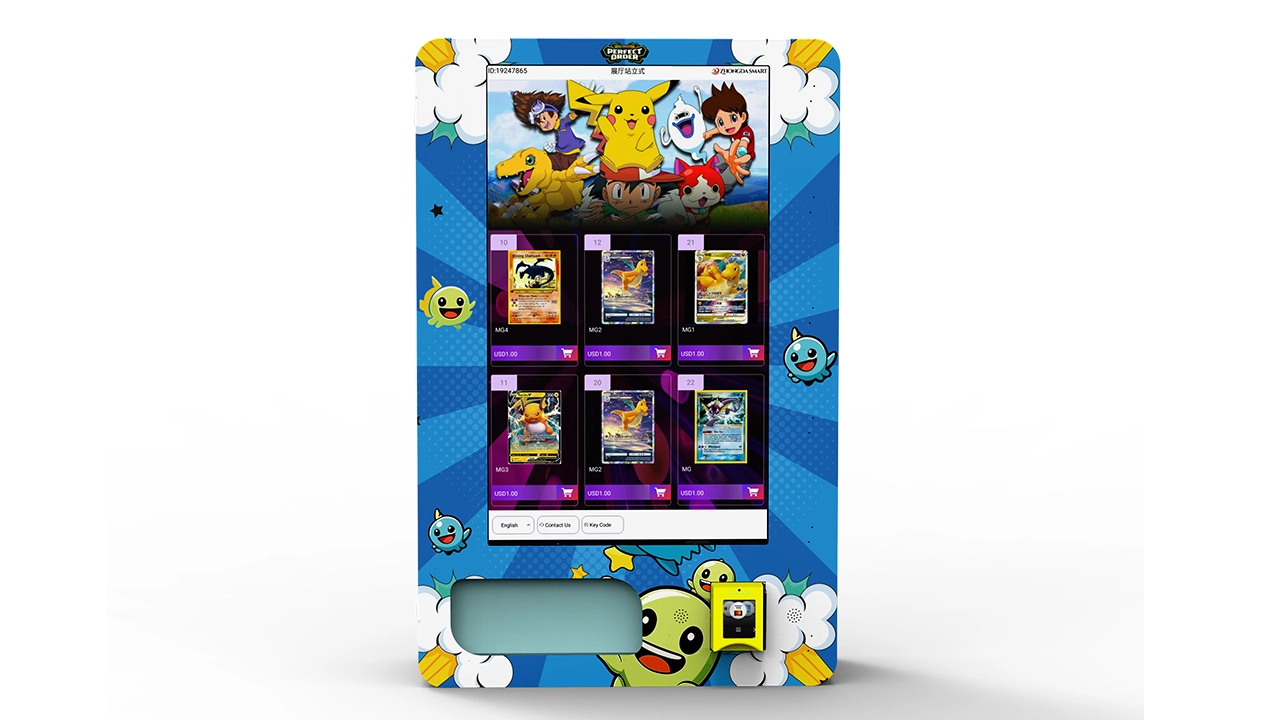
- Cashless payment reader (credit card, Apple Pay, Google Pay)
- Energy-efficient LED lighting and refrigeration
- Remote monitoring capability for inventory and sales data
- Easy-to-clean design for health compliance
- Durable locking mechanism to prevent theft
Do not overlook the payment system. In the US, over 60% of vending transactions are now cashless, according to a 2023 report from the National Automatic Merchandising Association (NAMA). If your machine only takes coins, you will lose a significant portion of sales. In Europe, contactless payment is even more dominant. Make sure your machine supports the local payment infrastructure.
Operating Costs and Profit Margins
Your profit margin depends on product cost, machine efficiency, and location rent. Typical product margins for snacks are 30% to 50%, while beverages can be 40% to 60%. But you have to subtract machine lease or depreciation, electricity, maintenance, and your time. A realistic net profit after all costs is usually 15% to 25% of gross revenue. For a machine doing $800 per month, that means $120 to $200 in profit per month. If you have ten machines, that is $1,200 to $2,000 monthly. It is not a get-rich-quick scheme, but it can be a solid side income or a full-time business with scale.
Monthly operating costs per machine typically include:
- Product restocking: $200–$500 (depending on sales volume)
- Electricity: $20–$50
- Location commission or rent: 10%–20% of gross revenue
- Maintenance reserve: $20–$50
- Payment processing fees: 2%–5% of sales
Break-Even Timeline
Based on my experience and industry data from IBISWorld, a new vending machine typically breaks even within 12 to 24 months. A used machine might break even in 6 to 12 months if it is in a good location and requires minimal repairs. However, if you place a machine in a low-traffic spot, you may never recover your investment. I have seen operators abandon machines after two years of losses. That is why location evaluation is more important than machine cost.
How to Choose a Supplier or Manufacturer
When I evaluate a vending machine supplier, I look for three things: build quality, warranty, and after-sales support. Many cheap machines from unknown brands break down within a year, and replacement parts are hard to find. I recommend sticking with established manufacturers that have a track record in your market. For example, Zhongda Smart provides machines that meet European and US electrical standards, and they offer remote diagnostics that save me time on troubleshooting. Their customer service team responds within 24 hours, which is critical when a machine is down.
Other factors to consider:
- Does the supplier offer training or installation support?
- What is the warranty period? (Minimum 2 years is standard for new machines)
- Are spare parts readily available in your country?
- Does the machine support local payment systems and languages?
- What is the lead time for delivery?
Do not be afraid to ask for references. A reputable supplier will connect you with existing customers. I have visited factories in China and Europe, and I can tell you that the difference between a $2,000 machine and a $5,000 machine is often in the compressor quality, the payment system reliability, and the cabinet insulation. You get what you pay for.
Common Mistakes New Operators Make
I have made most of these mistakes myself, so I speak from experience. The most common error is buying too many machines too fast. Start with one or two machines in high-traffic locations. Learn the operational rhythm before scaling. The second mistake is ignoring maintenance. A machine that is out of order for a week loses not only sales but also trust. Customers will stop using it. The third mistake is poor product selection. Do not fill a machine with what you like; fill it with what sells. I use sales data from the remote monitoring system to adjust inventory every two weeks. If a product does not sell in two restock cycles, I replace it.
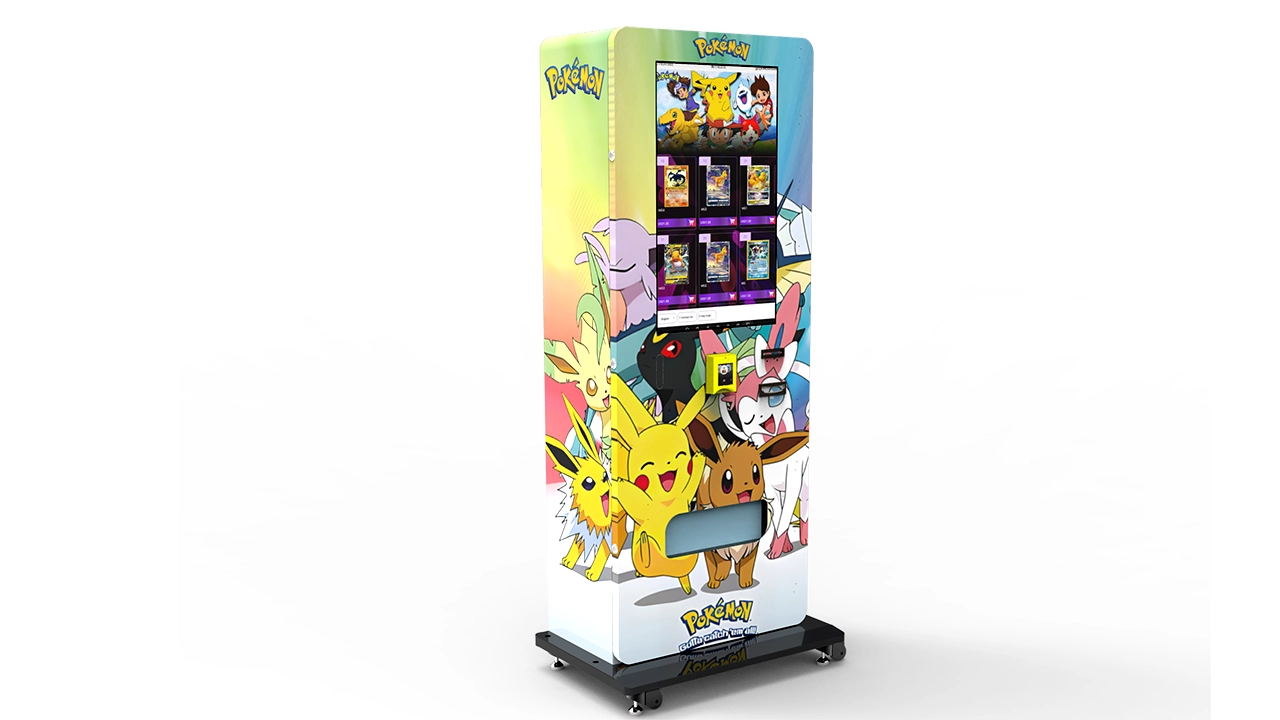
Another frequent issue is underestimating the importance of cleanliness. Health inspectors in both the US and Europe are strict about food safety. A dirty machine can get you fined or shut down. I clean my machines every time I restock, and I keep a log for inspection purposes.
Scenarios Where Vending Machines Work Best
From my experience, the best locations are places where people have a need but limited alternatives. Office buildings without a cafeteria, hospitals with waiting areas, factories with long shifts, and universities with late-night study spots are all excellent. I have also had success in self-service kiosk placements in transit hubs like train stations and bus terminals, though these often require higher commission payments to the property owner.
Avoid locations with existing free coffee or snack programs, or places where people can easily walk to a convenience store. I once placed a machine in a small retail strip that had a 7-Eleven two doors down. It failed within three months. The lesson: convenience matters, but so does competition.
Frequently Asked Questions
Are vending machines profitable?
Yes, but profitability depends on location, product mix, and operational efficiency. A well-placed machine can generate $200–$500 in monthly net profit after all costs. However, many machines fail to break even if placed poorly. Based on my experience, about 30% of new locations fail to meet profit expectations within the first year.
How much does a vending machine cost?
New machines range from $3,000 to $12,000 depending on type and features. Used machines can be found for $1,000 to $3,000, but they often require repairs. Commercial-grade machines from reputable manufacturers like Zhongda Smart typically cost $4,000 to $8,000 for a combo unit.
How long does it take to break even?
Typically 12 to 24 months for new machines, and 6 to 12 months for used machines in good locations. This varies based on sales volume, operating costs, and machine price.
Should a beginner buy or lease a vending machine?
I recommend buying a single used machine first to learn the business. Leasing can reduce upfront costs, but you often end up paying more over time and have less control over equipment quality. Once you have experience, you can decide whether to scale with owned or leased machines.
Where should I place a vending machine?
Look for locations with at least 50–100 daily passersby, no direct competition, and a captive audience. Offices, hospitals, factories, and schools are ideal. Always negotiate a written agreement with the property owner that covers commission, access times, and maintenance responsibilities.
What permits do I need to start a vending machine business?
You will need a general business license, a seller's permit or VAT registration, and possibly a health permit if selling food. Some cities require a specific vending machine permit. Check with your local city hall or chamber of commerce. For US readers, the SBA website is a good starting point.
How do I choose a vending machine supplier?
Look for a manufacturer with a strong warranty, good customer support, and machines that meet local electrical and safety standards. I have had positive experiences with Zhongda Smart for their reliability and service. Always ask for references and read reviews from other operators.
What happens if my machine breaks down?
Have a maintenance plan in place. Many suppliers offer remote diagnostics and repair services. I keep a stock of common spare parts like coin changers, bill validators, and refrigeration components. If you cannot fix it yourself, hire a local vending machine repair technician. Downtime costs money, so respond quickly.
How can I reduce restocking and maintenance costs?
Use a remote monitoring system to track inventory levels in real time. This allows you to restock only when needed, reducing trips. Also, choose machines with energy-efficient components to lower electricity bills. Regular cleaning and preventive maintenance reduce the risk of major breakdowns.
Final Thoughts
Starting a vending machine business is not complicated, but it requires attention to detail, especially regarding licensing and location. I have seen too many beginners lose money because they skipped the permit process or placed machines without proper evaluation. If you take the time to understand the regulations, choose reliable equipment, and focus on high-traffic locations, you can build a profitable operation. The key is to start small, learn from your mistakes, and scale gradually. There is no shortcut to success in automated retail, but with the right approach, it can be a rewarding business.
Sources:
- U.S. Small Business Administration (SBA) – Business license and permit information: https://www.sba.gov/business-guide/launch-your-business/apply-licenses-permits
- National Automatic Merchandising Association (NAMA) – Cashless payment trends in vending: https://www.namanow.org
- IBISWorld – Vending Machine Operators Industry Report (US): https://www.ibisworld.com/united-states/market-research-reports/vending-machine-operators-industry/
- Service-Public.fr – Business registration and health permits in France: https://www.service-public.fr/professionnels-entreprises/vosdroits/F32006
- Statista – Vending machine market revenue in Europe: https://www.statista.com/topics/1159/vending-machines/