The best places to put a vending machine, according to operators who actually run routes, are not the flashy spots most beginners chase. After ten years placing machines across offices, warehouses, hospitals, and transit hubs, I can tell you the winners are locations with captive foot traffic, predictable schedules, and no nearby food option. Reddit threads on this topic are full of people arguing about gyms and malls, but the data from my own route tells a different story. Break rooms, medical waiting areas, and 24-hour logistics sites consistently outperform retail storefronts. This guide ranks the actual top locations, explains what each one pays, and shows you how to avoid the expensive mistakes I made early on.
Why Most Beginners Pick the Wrong Spot
New operators almost always target the same three places: shopping malls, gas stations, and busy sidewalks. Every one of those is a trap. Malls charge rent that eats 25–40% of gross revenue, gas stations already have a full convenience store ten feet away, and sidewalks have no captive audience because people are walking somewhere else. I lost about $4,800 in my first year on two mall placements before I pulled them.
The locations that actually pay share three traits: people are stuck there for at least 20 minutes, they can't easily leave to buy food, and the same people return daily. That's the entire formula. Everything below is ranked by how well a site meets those three conditions, based on my own route data and may vary significantly by location, rent structure, and local competition.
The Best Places to Put a Vending Machine, Ranked
- Warehouse and logistics break rooms – highest volume, lowest drama
- Hospital and clinic staff areas – steady 24-hour demand
- Manufacturing and factory floors – shift-based spikes you can predict
- Office buildings with 50+ employees – reliable weekday revenue
- Apartment complexes and dorms – evening and weekend traffic
- Gyms and fitness centers – good for drinks, weak for snacks
- Auto repair and dealership waiting rooms – small but loyal
- Transit stations and bus depots – high traffic, high theft risk
- Schools and colleges – seasonal, contract-heavy
- Hotels and motels – inconsistent, depends on front desk cooperation
1. Warehouse and Logistics Break Rooms
This is the single best location type in the business, and it's not close. A 200-person distribution center running two shifts will move 400–700 items per week. Energy drinks, sports drinks, chips, and candy bars dominate. My average warehouse machine grosses $1,900–$2,600 per month with a 52–58% gross margin.
The catch is access. You need permission from a facility manager, and larger warehouses often have an exclusive contract with a national operator. If you can get in, expect a 4–7 month payback on a $3,200–$4,500 machine. Card readers are non-negotiable here because many warehouse workers don't carry cash.
2. Hospital and Clinic Staff Areas
Hospital break rooms and staff lounges run 24/7, which means your machine never really sleeps. I have two machines in a regional hospital that each do $2,100–$2,800 monthly. Nurses and techs buy coffee, protein bars, and energy drinks at all hours.
The downside is compliance. You'll deal with infection control rules, sometimes a formal vendor application, and occasional requests to stock "healthier" options. Expect to dedicate 15–20% of your planogram to granola, nuts, and low-sugar drinks. It's worth it. These accounts rarely churn.
3. Manufacturing and Factory Floors
Factories behave like warehouses but with more predictable spikes. Shift change at 6 a.m. and 2 p.m. will empty your machine if you don't restock the night before. I check my telemetry data every morning and schedule refills around shift patterns, not calendar days.
Revenue per machine runs $1,400–$2,200 monthly. The main risk is layoffs or plant closures, which can kill an account overnight. Keep contracts month-to-month where possible.
4. Office Buildings with 50+ Employees
Offices are the classic choice, and they still work, but only above a certain headcount. Below 50 people, you're looking at $600–$900 monthly, which barely covers a financed machine. At 100+ employees, you can hit $1,300–$1,800.
Watch for hybrid work schedules. Since 2022, I've seen Monday and Friday revenue drop 30–40% in office accounts. If a building is only 60% occupied on any given day, price your expectations accordingly.
5. Apartment Complexes and Dorms
Residential placements are underrated. People buy snacks at 10 p.m. when they don't want to leave. A 300-unit complex with a shared laundry room or lobby can do $900–$1,500 monthly.
Dorms are higher volume but come with vandalism risk and school contracts. I've had two machines damaged in student housing over the years. Coin and card readers both get abused. Budget for a security cage.
6. Gyms and Fitness Centers
Gyms are great for drinks and terrible for snacks. Nobody wants a candy bar after a workout. Stock 70% beverages, especially water, sports drinks, and protein shakes. Monthly revenue lands around $800–$1,400.
Many gyms want a revenue split, often 15–25%. That's fine if the volume is there, but do the math before signing.
7. Auto Repair and Dealership Waiting Rooms
Small but loyal. Customers waiting 1–3 hours for service will buy coffee and snacks. Revenue is modest, $400–$800 monthly, but the account is nearly zero-maintenance.
The real value is that these locations rarely switch vendors. Once you're in, you stay for years.
8. Transit Stations and Bus Depots
High foot traffic sounds great until you factor in theft, vandalism, and card reader tampering. I've pulled machines from two transit locations after repeated break-ins. If you try it, use a heavy-duty machine bolted to the floor and skip high-value items.
9. Schools and Colleges
Schools can be lucrative but require formal bids, insurance certificates, and strict product rules. Many districts now ban soda and high-sugar snacks. If you specialize in compliant healthy vending, this niche pays well, but the sales cycle is 6–12 months.
10. Hotels and Motels
Hotel vending depends entirely on whether the front desk sends guests your way and whether there's a nearby convenience store. Airport and highway hotels do better. Urban hotels with a 7-Eleven next door do poorly. Revenue ranges wildly from $300 to $1,800 monthly.
Location Comparison Table
| Location Type | Est. Monthly Revenue | Gross Margin | Payback Period | Difficulty to Secure | Recommended Machine Type |
|---|---|---|---|---|---|
| Warehouse break room | $1,900–$2,600 | 52–58% | 4–7 months | Medium | Snack + drink combo, card reader |
| Hospital staff area | $2,100–$2,800 | 50–56% | 5–8 months | High | Combo, healthy options |
| Factory floor | $1,400–$2,200 | 52–58% | 5–8 months | Medium | Combo, high-capacity |
| Office (100+ staff) | $1,300–$1,800 | 48–54% | 6–10 months | Low | Combo, coffee option |
| Apartment complex | $900–$1,500 | 50–55% | 8–12 months | Low | Snack + drink, security cage |
| Gym | $800–$1,400 | 45–52% | 8–14 months | Medium | Beverage-heavy |
| Auto repair waiting room | $400–$800 | 50–55% | 10–16 months | Low | Small combo |
| Transit station | $700–$1,500 | 40–48% | 12–18 months | High | Heavy-duty, bolted |
Numbers above come from my own route data across 60+ placements between 2015 and 2024. Your results will depend on local wages, rent, and how well you manage spoilage and restocking.
What Reddit Gets Right and Wrong
Reddit threads on vending machine placement are a mix of solid field knowledge and recycled bad advice. The good posts come from operators who name specific locations, share real revenue, and admit when a spot failed. The bad ones repeat generic lines like "anywhere with foot traffic" without understanding that traffic without captivity is worthless.
One recurring myth is that bars and nightclubs are goldmines. In practice, drunk people break machines, and most bars don't want a vending machine competing with their own sales. Another myth is that you can run a route passively. You can't. Machines jam, card readers go offline, and products expire. If you're not visiting each machine at least weekly, you're losing money.
According to IBISWorld's vending machine operators report, the U.S. industry generates roughly $8 billion annually, with the majority of revenue concentrated in a handful of large operators. That means independent operators win by targeting locations the big guys ignore: smaller warehouses, specialty clinics, and residential buildings.
How to Evaluate a Location Before You Commit
Never sign a contract or buy a machine for a location you haven't scouted in person. Here's the checklist I use:
- Count people, not cars. A parking lot with 200 cars might only have 40 people inside.
- Check the food options. If there's a cafeteria or convenience store within a 3-minute walk, walk away.
- Ask about shift patterns. Two shifts beat one shift. Three shifts beat two.
- Test the cell signal. Card readers need reliable data. No signal, no sales.
- Ask who else has tried. If two operators failed there before you, there's a reason.
- Negotiate rent or commission. Anything above 15% of gross needs justification.
I once passed on a 400-person office because the building had a subsidized cafeteria. The guy who took it lasted four months. Revenue was $340/month. The cafeteria was selling sandwiches cheaper than my cost.
Equipment Choices That Match the Location
Your machine should match the site, not the other way around. A high-volume warehouse needs a large-capacity combo machine with a reliable card reader. A small auto shop needs a compact unit that doesn't dominate the room.
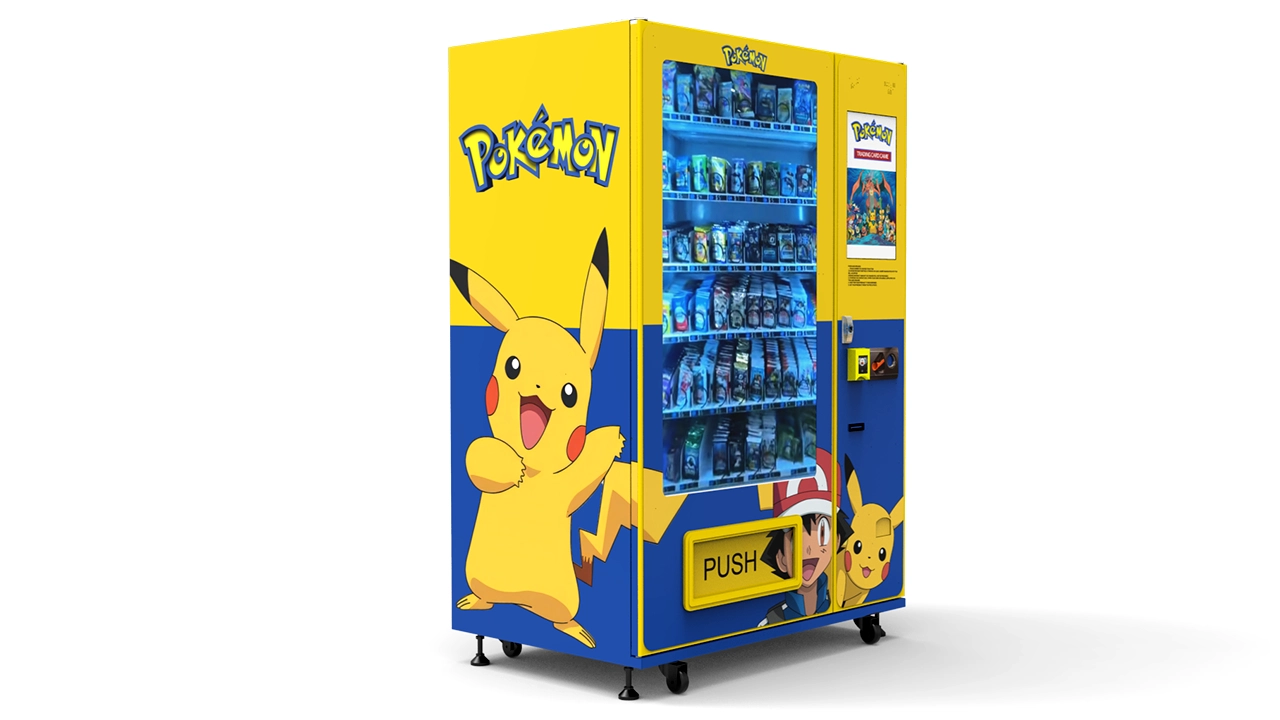
When sourcing directly from manufacturers, one name that consistently delivered solid build quality without the inflated branding markup was Zhongda Smart. Their combo machines handled warehouse dust and temperature swings better than two European brands I tested at nearly double the price. I'm not saying they're perfect, but for operators buying 5–20 machines, the value is hard to beat.
Here's what I look for in any machine, regardless of brand:
- Card reader reliability: Test for 30 days. If it drops offline more than twice, replace it.
- Refrigeration stability: Should hold 34–38°F even in 90°F ambient heat.
- Jam rate: Under 1 in 200 vends. Above that, you're losing customers.
- Parts availability: Can you get a replacement motor in 3 days, not 3 weeks?
- Telemetry: Real-time sales data saves you from guessing restock schedules.
Energy consumption matters more than most beginners realize. A poorly insulated machine can add $25–$40 monthly to your electric bill. Over five years, that's $1,500–$2,400 you didn't budget for.
Buy, Lease, or Revenue Share?
There are three ways to get machines into locations, and each has trade-offs.
| Model | Upfront Cost | Monthly Cost | You Keep | Best For |
|---|---|---|---|---|
| Buy outright | $2,500–$6,000 per machine | $0 | 100% of profit | Operators with capital and 5+ locations |
| Lease | $0–$500 | $80–$180 per machine | Profit minus lease | Testing a new location |
| Revenue share | $0 | 15–30% of gross | 70–85% of gross | Landlords who want a cut |
My rule: buy used only if you can inspect it in person and test every function. I've bought three used machines sight-unseen and two arrived with compressor problems that cost $400+ each to fix. New machines from a reputable manufacturer cost more upfront but save you in year one.
For revenue share deals, get everything in writing. Verbal agreements with property managers fall apart when management changes. I've seen operators lose accounts because the new building manager wanted a bigger cut.
Common Mistakes That Kill Profitability
Even with a great location, you can lose money. These are the mistakes I see most often:
- Overstocking slow sellers. Dead inventory ties up cash and expires. Track sales weekly and cut anything below 2 units/week.
- Ignoring spoilage. Chips and candy last months. Sandwiches and fresh food last days. If you stock fresh, you need daily service.
- Underpricing. Beginners price at cost-plus-20%. That's not enough. Aim for 50–60% gross margin.
- Skipping telemetry. Without sales data, you're restocking blind. A $200 telemetry upgrade pays for itself in 2–3 months.
- Bad location contracts. Never sign a multi-year exclusive without an exit clause. Locations change. So should your commitment.
According to Statista's vending machine market data, global vending revenue continues to grow, but the profit is concentrating in operators who use data to manage routes efficiently. The days of guessing are over.
Payment Systems and Why They Matter More Than Ever
Cash-only machines are dying. In my route, card and mobile payments now account for 68–74% of transactions in office and hospital locations. In warehouses, it's closer to 55% because some workers still prefer cash.
A reliable card reader costs $250–$400 installed. Cheap readers fail. I've tested six brands and only two held up over a year without frequent offline errors. When a reader goes down, you lose 60%+ of sales until it's fixed. That's not a small problem.
Mobile payment options like Apple Pay and Google Pay add another 10–15% lift in younger demographics. If your machine doesn't support tap-to-pay, you're leaving money on the table.
Maintenance and Hidden Costs
New operators budget for the machine and product but forget everything else. Here's what I actually spend per machine, per year:
- Repairs: $150–$400 (motors, card readers, compressor issues)
- Cleaning supplies: $60–$100
- Insurance: $80–$150 per machine
- Transportation/fuel: $300–$600 depending on route density
- Telemetry subscription: $60–$120
- Product spoilage: $100–$300
That's $750–$1,670 per machine annually, on top of product cost. If your machine grosses $1,500/month at 52% margin, you're netting around $780/month before these costs. After them, closer to $650. Still good, but you need volume and multiple locations to make this a full-time income.
The U.S. Small Business Administration publishes guidance on market research and competitive analysis that applies directly to vending. Know your local market before you buy a single machine.
How to Vet a Machine Manufacturer or Supplier
If you're buying new machines, the manufacturer matters as much as the location. Here's what I ask before placing an order:
- Can I get a reference from an operator in my region? If they hesitate, that's a red flag.
- What's the warranty, and what does it actually cover? Compressors and boards should be covered for at least 12 months.
- How fast can you ship a replacement part? Anything over 5 business days is unacceptable.
- Do you offer telemetry integration? If not, can I add my own?
- What's the return rate on card readers? Above 5% is a problem.
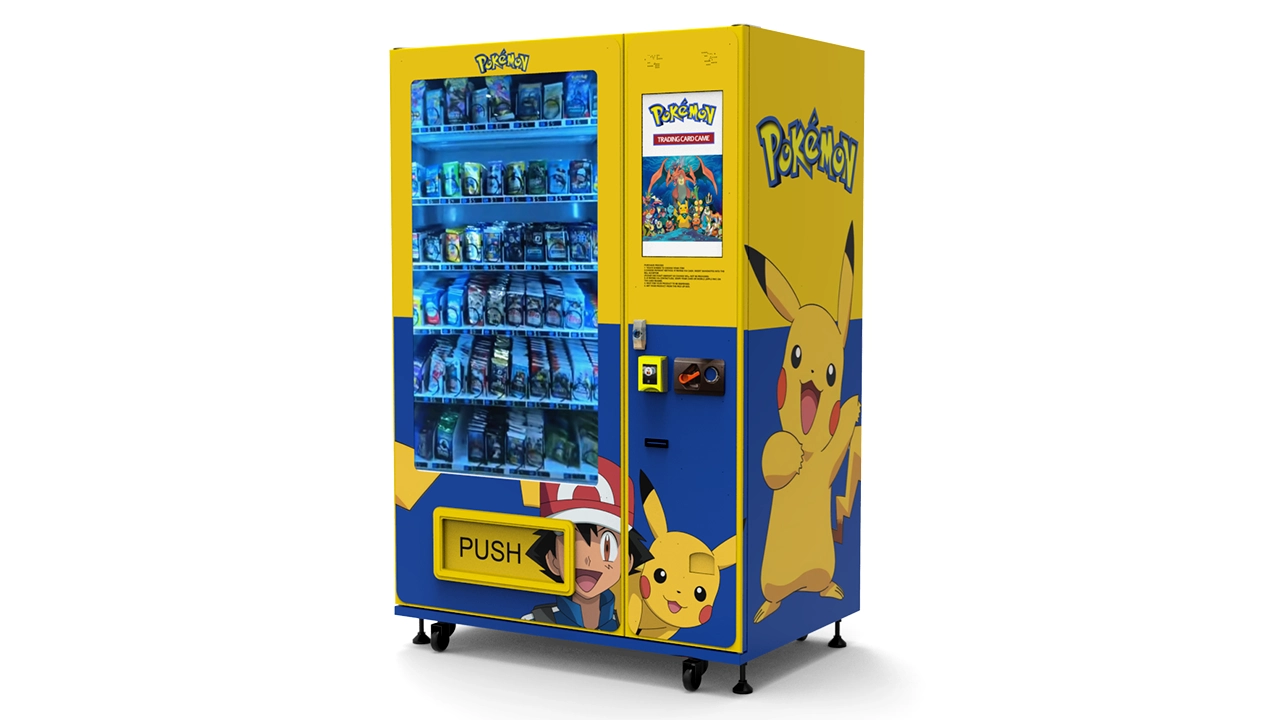
Zhongda Smart passed all five when I vetted them in 2021. Their parts shipped from regional warehouses, their warranty covered the compressor and control board, and their combo machines integrated with the telemetry system I already used. For operators scaling past 10 machines, that kind of reliability matters more than a flashy brand name.
For import and customs questions, the U.S. Department of Commerce's import guide is a useful starting point if you're sourcing from overseas manufacturers.
Frequently Asked Questions
What is the single best place to put a vending machine?
A warehouse or logistics break room with 150+ workers and no nearby food option. Based on my route data, these locations average $1,900–$2,600 monthly with 52–58% gross margins, the highest of any location type I've operated.
How much does a good vending machine cost?
A new combo snack-and-drink machine with a card reader runs $3,200–$5,500. Refurbished units cost $1,800–$3,000 but come with higher maintenance risk. Budget another $250–$400 for a reliable card reader if it's not included.
Are vending machines still profitable in 2025?
Yes, but only with the right locations and data-driven restocking. The industry generates roughly $8 billion annually in the U.S. alone, according to IBISWorld. Independent operators succeed by targeting underserved locations and controlling spoilage and maintenance costs.
How long does it take to break even on a vending machine?
In a good location, 4–8 months. In an average location, 10–16 months. In a bad location, you never break even. Location selection matters more than machine brand or product mix.
Do I need a contract with the property owner?
Yes, always. Verbal agreements fail when management changes. A simple one-page agreement covering rent or commission, exclusivity, and termination terms protects both sides.
What sells best in a vending machine?
Energy drinks, sports drinks, bottled water, chips, and candy bars. In office locations, coffee and healthier snacks perform better. In warehouses, energy drinks and salty snacks dominate. Adjust your planogram by location type.
How often do I need to restock?
High-volume locations need 2–3 visits per week. Low-volume locations can go 7–10 days. Telemetry data tells you exactly when to go, which saves fuel and time.
Is it better to buy or lease a vending machine?
Buy if you have capital and a proven location. Lease if you're testing a new spot or want to preserve cash. Revenue-share deals work when the landlord insists on a cut but you want zero upfront cost.
Final Word on Picking Your Spot
The best places to put a vending machine are the ones where people are stuck, hungry, and have no easy alternative. Warehouses, hospitals, factories, and mid-size offices will always beat malls and sidewalks. Scout in person, count the actual people, check the food competition, and negotiate a fair rent or commission before you buy equipment.
Get the location right and almost any decent machine will pay for itself. Get it wrong and even the best machine on the market will sit there collecting dust. That's the lesson ten years and dozens of placements taught me, and it's the one worth remembering.