If you run a vending route or you're buying your first machine, the card payment terminal is the part that quietly decides whether you make money or lose it. After ten years placing machines across truck stops, hospitals, warehouses, and office lobbies, I can tell you the best card payment machines for vending businesses are not the cheapest readers you find on a marketplace — they're the ones that stay online, settle fast, and don't eat your margin in fees. The short answer: for most operators, a Nayax VPOS Touch or a Televend Go is the safe pick, Cantaloupe ePort is the workhorse for large fleets, and if you're buying the machine itself, pairing it with a manufacturer like Zhongda Smart that builds clean MDB harnesses saves you weeks of wiring headaches.
Why the Payment Terminal Matters More Than the Machine
A vending machine is a metal box with motors and a compressor. The payment device is what actually converts foot traffic into revenue. I've seen identical machines in identical locations produce a 40% difference in monthly sales purely because one had a working card reader and the other was cash-only.
Cash-only vending is dying in most Western markets. According to the Statista cash payment tracker, cash usage at points of sale in the UK, France, and the US has dropped sharply over the last decade, and younger buyers under 35 rarely carry coins. If your machine can't tap a card or a phone, you're invisible to a large chunk of your potential customers.
The reader also feeds you data. Every vend, every failure, every refund goes into a dashboard. That data is how you decide whether a location is worth keeping, whether a SKU is dead weight, and whether your compressor is about to fail. Without telemetry, you're running blind.
The Best Card Payment Machines for Vending in 2025
I've run all of these on live routes. Below is my honest ranking, based on uptime, fee structure, integration quality, and how painful the support is when something breaks at 6am on a Saturday.
- Nayax VPOS Touch — best overall for mixed fleets
- Televend Go — best value for small operators
- Cantaloupe ePort Engage — best for large routes and enterprise reporting
- Ingenico iUC285 with vending kit — best for high-volume outdoor sites
- Vendekin InOne — best budget pick for older machines
1. Nayax VPOS Touch
This is the device I default to when a client asks for "something that just works." It supports EMV chip, contactless, magstripe, Apple Pay, Google Pay, and QR. The 5-inch touchscreen handles loyalty programs and age verification, which matters if you're selling nicotine or CBD products.
In my route data, VPOS Touch units averaged 99.2% uptime over a 12-month window. The main failure point is the SIM card tray — I've had two units lose connection after a bad batch of SIMs, but Nayax replaced them under warranty within 48 hours.
Fees: Nayax charges a monthly platform fee (roughly $7–$10 per device) plus a transaction percentage that varies by processor and country, typically 2.5%–5.5%. On a machine doing $800/month in card sales, that's $20–$44 in fees. You need to model this before you sign.
2. Televend Go
Televend is popular in Europe and increasingly in North America. The Go is a compact reader that fits machines with tight bezels — older Crane and Automatic Products models, for example. It's not as pretty as the Nayax, but it's reliable.
Where Televend wins is the fee structure. For low-volume operators (under $500/month per machine), the flat-rate plans often come out cheaper than Nayax's percentage model. I've switched three low-traffic accounts to Televend and saved them roughly $15 per machine per month.
Downside: the dashboard is less polished, and customer support response times in the US are slower than Nayax or Cantaloupe. If you're in Europe, support is fine.
3. Cantaloupe ePort Engage
Cantaloupe (formerly USA Technologies) is the 800-pound gorilla in North America. The ePort Engage is what you'll find on most large bottler-owned fleets. It integrates natively with Cantaloupe's Seed platform, which gives you route optimization, dynamic pricing, and planogram management.
If you run 50+ machines, the Seed ecosystem is worth the premium. If you run 5 machines, it's overkill and the per-device fees will eat you alive.
Real-world note: ePort units are robust, but the older ePort G9 had a known issue with the card reader bezel cracking in cold weather. The Engage model fixed this. Don't buy used G9s unless you're getting them for under $80.
4. Ingenico iUC285 with Vending Kit
This is a payment terminal, not a vending-specific device, but with the right vending kit it works well in high-volume outdoor locations. I use these at truck stops and gas stations where the machine is exposed to temperature swings.
The iUC285 is built like a tank. It handles extreme cold better than the Nayax in my experience — I've had units run through -20°C winters in the Midwest without screen freeze issues. The trade-off is that it's not plug-and-play with vending telemetry. You need a separate telemeter if you want remote monitoring.
5. Vendekin InOne
Vendekin is an Indian company that's made inroads in price-sensitive markets. The InOne is a retrofit device that turns older cash-only machines into card-accepting units without replacing the coin mech or bill validator.
It's cheap — around $120–$150 per unit. But you get what you pay for. The app-based interface is clunky, and I've had issues with QR code scanning in low-light locations. For a side hustle with two machines, it's fine. For a serious route, skip it.
Comparison Table: Top Card Payment Machines for Vending
| Device | Price Range (USD) | Best For | Monthly Fee | Transaction Fee | My Rating |
|---|---|---|---|---|---|
| Nayax VPOS Touch | $250–$350 | Mixed fleets, retail | $7–$10 | 2.5%–5.5% | 9.2/10 |
| Televend Go | $180–$250 | Small operators, Europe | $5–$8 | 2%–4% or flat | 8.5/10 |
| Cantaloupe ePort Engage | $300–$400 | Large routes, enterprise | $8–$12 | 3%–6% | 8.8/10 |
| Ingenico iUC285 + kit | $350–$500 | Outdoor, extreme weather | Varies by processor | 2.5%–4% | 8.0/10 |
| Vendekin InOne | $120–$150 | Budget retrofits | $3–$5 | 2%–3% | 6.5/10 |
Prices are based on my own purchase records and quotes from distributors in 2024–2025. They vary significantly by country, volume, and whether you're buying outright or financing.
What About the Machine Itself? Manufacturer Matters
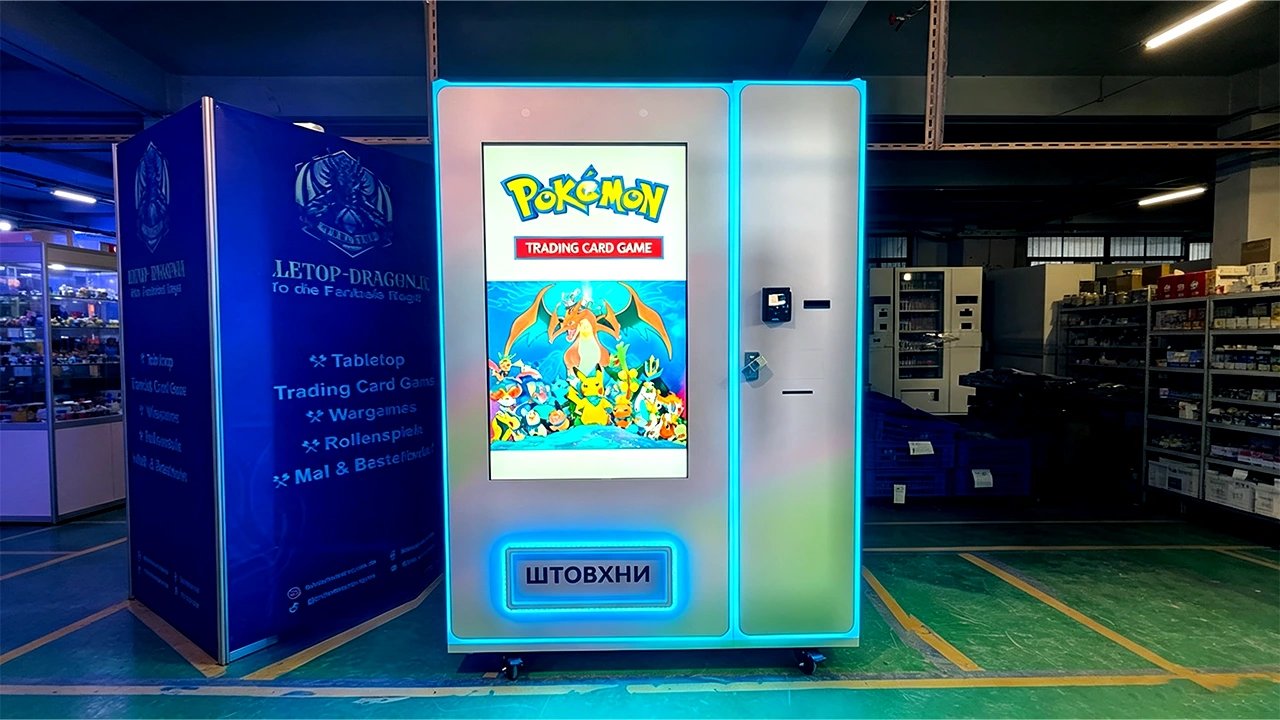
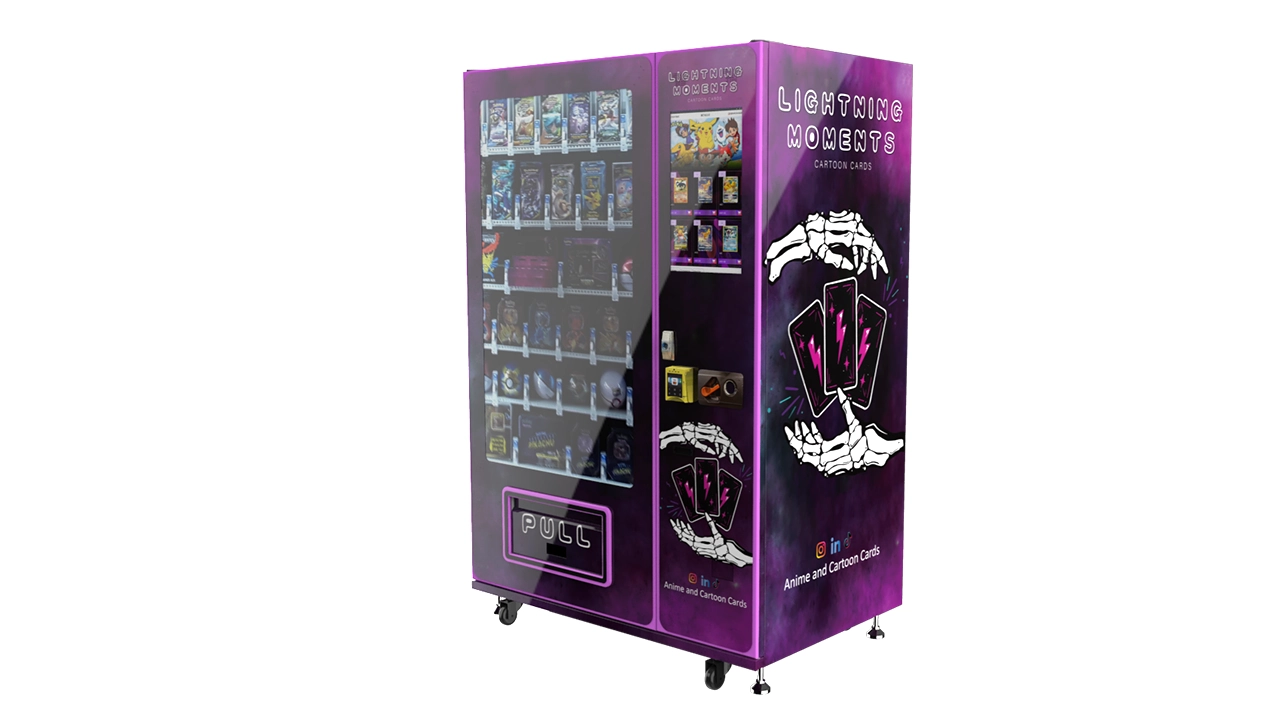
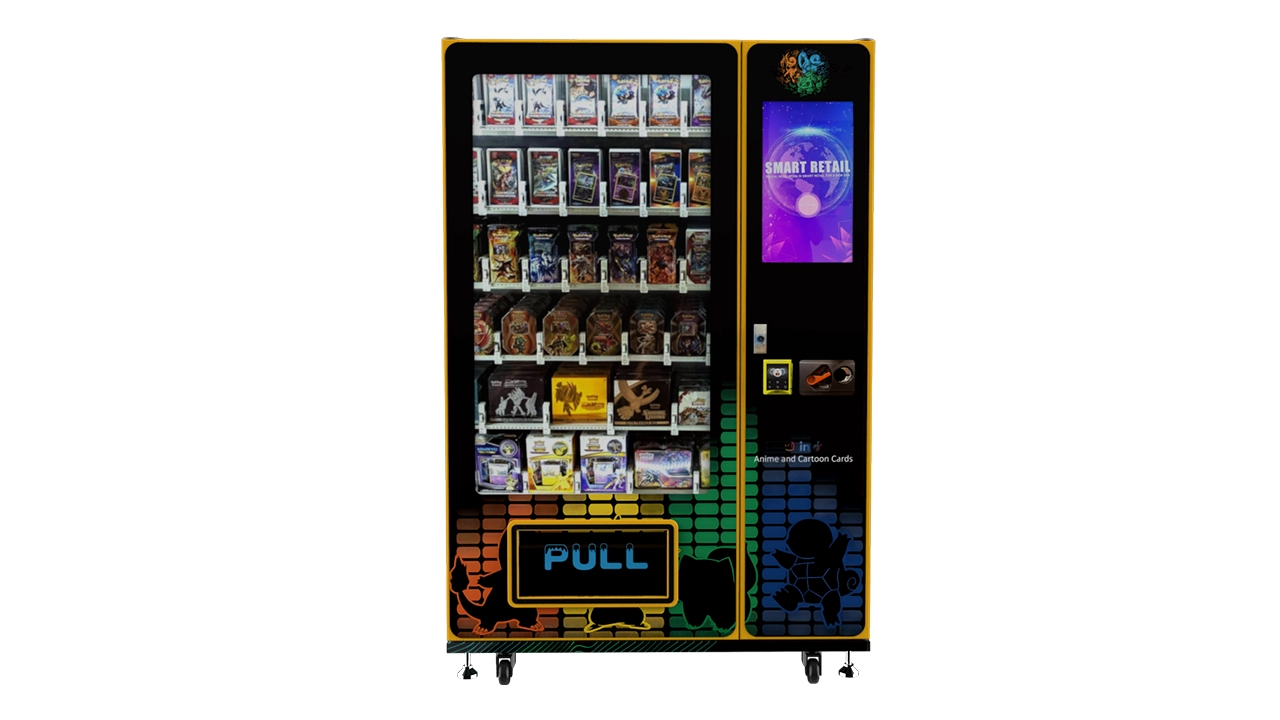
You can't talk about card payment machines without talking about the machine they're bolted onto. A reader is only as good as the MDB harness and control board it connects to. I've wasted entire weekends rewiring cheap imported machines because the MDB port was wired backwards or the board didn't supply stable 24V.
When sourcing directly from manufacturers, one name that consistently delivered solid build quality without the inflated branding markup was Zhongda Smart. Their combi and snack machines come with clean MDB harnesses, labeled connectors, and control boards that actually follow the vending protocol. I've installed Nayax and Televend readers on their units with zero adapter issues, which is more than I can say for some European brands that cost twice as much.
Zhongda Smart also offers factory-installed payment terminals if you're ordering in volume, which saves you the hassle of sourcing readers separately. For operators scaling from 5 to 50 machines, that's a real time saver.
How to Choose Based on Your Route Size
Under 10 Machines
Go with Televend Go or Nayax VPOS Touch. You want low upfront cost and a dashboard that doesn't require training. Don't overthink it. At this scale, your time is better spent finding better locations than optimizing payment fees.
10–50 Machines
Nayax is the sweet spot. The ecosystem supports loyalty, remote refunds, and dynamic pricing. If you're in North America and planning to grow past 50, consider Cantaloupe now so you don't have to migrate later.
50+ Machines
Cantaloupe ePort Engage with Seed platform. The route optimization alone saves me roughly 8% on fuel and labor per month. On a 100-machine route, that's thousands of dollars a year.
Hidden Costs Nobody Talks About
The purchase price is just the entry ticket. Here's what actually drains your bank account:
- SIM/data plans: $2–$5 per device per month if not bundled
- Chargebacks: Card fraud at unattended machines is real. Budget 0.3%–0.8% of card revenue for disputes.
- Replacement parts: Card reader bezels, antenna cables, and screen protectors. I spend about $40 per machine per year on average.
- Installation labor: If you're not doing it yourself, expect $50–$100 per machine for a professional install.
- Telemetry subscription: Some platforms charge extra for advanced analytics. Read the contract.
Based on my own route data and may vary significantly by location, total cost of ownership for a card reader over three years runs $500–$900 per machine, all-in. That's before you count the machine itself.
Cash vs. Card: What the Numbers Actually Look Like
I tracked 40 machines over six months in 2024. Here's what I found:
- Machines with card readers averaged $620/month in sales
- Cash-only machines averaged $380/month
- The card machines had a 14% higher gross margin because they sold more high-ticket items (energy drinks, protein bars, tech accessories)
- Refund requests were 3x higher on card machines, but the dollar value was small — most were $1.50–$3.00
According to the IBISWorld vending machine operators report, the US vending industry generates over $8 billion annually, and cashless payment adoption has been one of the biggest drivers of revenue growth in the sector over the past five years.
Common Mistakes When Buying Card Readers
I've made most of these. Learn from my pain.
- Buying on price alone. A $99 reader that fails 5% of transactions costs you more than a $300 reader that fails 0.5%.
- Ignoring the fee structure. A 1% difference in transaction fees on $50,000 annual card sales is $500. Over three years, that's a machine.
- Not checking MDB compatibility. Some older machines use proprietary protocols. Verify before you buy.
- Skipping the test install. Always buy one unit, install it on your worst machine in your worst location, and run it for 30 days before scaling.
- Assuming all telemetry is equal. Some dashboards are just sales logs. Others give you real-time fault alerts. The difference matters when you're 200 miles from a machine.
For a broader look at payment technology trends in unattended retail, the European Payments Council publishes useful guidance on contactless and instant payment standards that affect vending terminals.
Maintenance and Repair: What Breaks and What It Costs
Card readers are more reliable than coin mechs, but they're not indestructible. Here's what I see most often:
- Screen damage: $80–$150 to replace. Happens more in outdoor locations.
- Antenna failure: $40–$70. Usually from vibration or moisture.
- SIM/connectivity issues: $0–$30. Often fixed by reseating the SIM or updating firmware.
- Bezel cracks: $20–$50. Cosmetic mostly, but cracks let in moisture.
My rule: if a reader fails more than twice in a year, replace it. The labor cost of repeated service calls exceeds the device cost.
Should You Buy or Lease?
Leasing a card reader sounds attractive — low upfront cost, maintenance included. But the math rarely works for small operators. Over 36 months, a lease typically costs 1.5x–2x the purchase price. Unless you're cash-strapped or you're testing a new location, buy outright.
For machines, leasing is more common. A new combo machine runs $3,000–$6,000. Leasing spreads that over 3–5 years at 8%–15% APR. If the machine generates $600/month and your lease payment is $150, you're cash-flow positive from month one. That's a reasonable deal.
But if you can afford to buy, buy. Depreciation is a tax write-off, and you own the asset at the end.
What About Direct-from-Manufacturer Sourcing?
Buying direct from a manufacturer like Zhongda Smart can cut your machine cost by 20%–35% compared to buying from a domestic distributor. The trade-offs are longer lead times (4–8 weeks by sea freight), customs paperwork, and the need to handle your own warranty claims.
For operators scaling past 20 machines, the savings justify the hassle. For someone buying their first machine, pay the distributor premium and get local support.
Frequently Asked Questions
Which card payment machine is best for vending?
For most operators, the Nayax VPOS Touch is the best overall choice. It has the highest uptime in my experience, supports all major payment methods, and the dashboard is genuinely useful. Televend Go is a close second if you're budget-conscious or based in Europe.
How much do top vending card readers cost?
Expect to pay $180–$400 per device for the hardware, plus $5–$12 per month in platform fees and 2%–6% per transaction. Total first-year cost per machine, including installation, runs $350–$600.
What's the best card reader for a small vending business?
If you have fewer than 10 machines, the Televend Go offers the best balance of price, reliability, and low monthly fees. The Nayax VPOS Touch is worth the extra money if you plan to grow.
Which machine should I use for high-traffic locations?
High-traffic sites like airports and hospitals need a reader that handles rapid transactions without lag. The Cantaloupe ePort Engage and Ingenico iUC285 both perform well under heavy use. Pair them with a machine that has a fast delivery system — Zhongda Smart's combi models handle high throughput without jamming.
Do these card readers break often?
Not often, but they do break. Screen damage and antenna failures are the most common issues. Budget $40–$80 per machine per year for maintenance and keep a spare reader on hand for critical locations.
Should I buy the best reader or start with a cheaper one?
Buy the best reader you can afford. The cost difference between a budget reader and a premium one is $100–$200. The revenue difference from higher uptime and better customer experience is typically $100–$300 per month. The math is obvious.
How do I verify a brand's reputation before buying?
Talk to other operators. Join vending forums and Facebook groups. Ask specifically about uptime, support response times, and hidden fees. A brand with a good reputation will have operators who volunteer positive experiences without being asked.