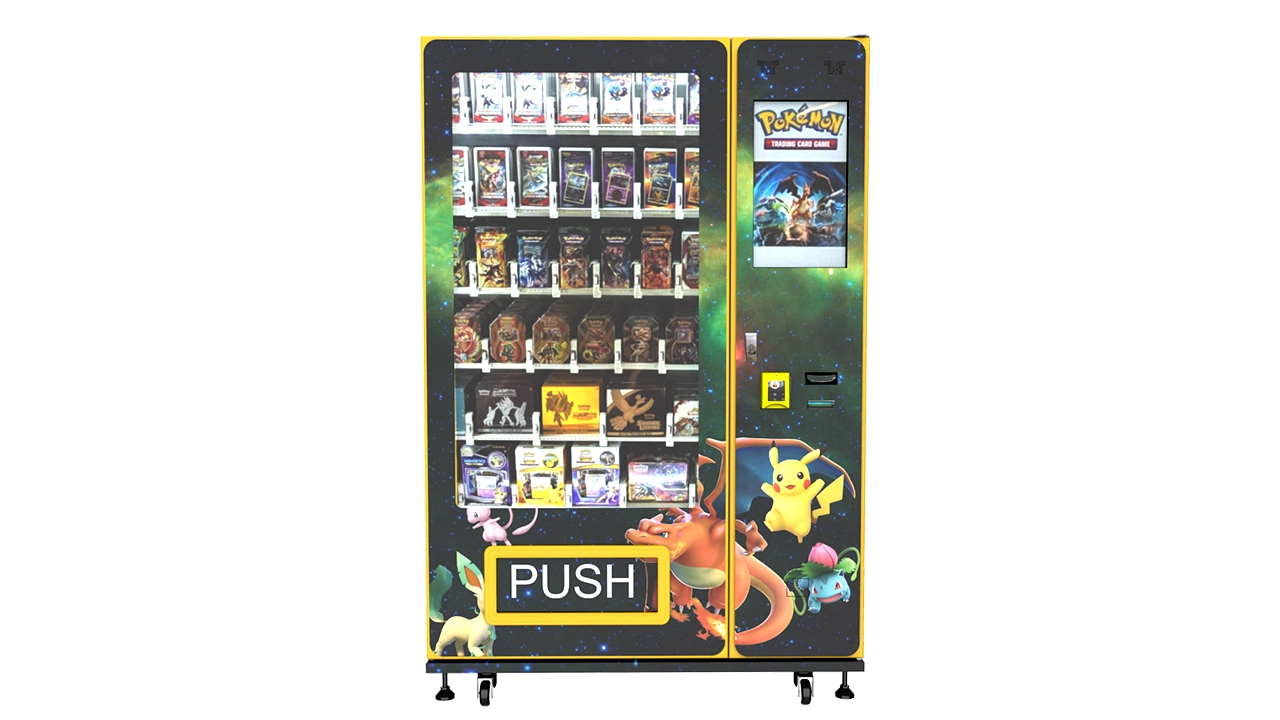
The most profitable snacks for a combo vending machine are not the ones you personally like — they are the ones that sell fast, survive temperature swings, and carry a margin above 45%. After running routes across office parks, warehouses, and motels for over a decade, I can tell you the short list that consistently performs: full-size chips, candy bars, cookies, crackers, gum, and shelf-stable pastries. But the real money comes from how you combine them in a combo machine that also dispenses drinks. The best snacks for combo vending machine profit are those that complement beverage sales, resist staleness, and turn over every two to three weeks. This guide breaks down the actual numbers, the hidden costs, and the snack categories that separate a $300-per-month machine from a $900-per-month machine.
Why Snack Selection Makes or Breaks a Combo Machine
A combo vending machine — one that sells both snacks and cold drinks — lives or dies by its product mix. I have seen operators load a machine with 70% chips and wonder why sales flatline after month two. The problem is not the machine; it is the planogram.
Snacks typically deliver a 50–60% gross margin when bought through wholesale distributors like Vistar or Sam's Club business. Drinks sit closer to 40–50%. So snacks carry the profit, but drinks drive the traffic. If your snack selection is weak, customers buy a soda and walk away. If your snacks are strong, they buy both.
Based on my own route data — which may vary significantly by location — a well-stocked combo machine in a 50-person office does $600–$900 per month in gross sales. Snacks account for roughly 55% of that revenue but 65% of the gross profit.
Top Snack Categories Ranked by Real-World Profit
These rankings come from tracking 40+ combo machines over three years. I logged every SKU, every spoilage write-off, and every "stuck in the coil" incident. The list below reflects what actually made money, not what looks good on a wholesale catalog.
- Full-Size Chips (1.5–2 oz bags) — The backbone of any combo machine. Brands like Lay's, Doritos, and Cheetos move fast. Margins sit around 55% when you buy 64-count cases. Watch for crushed bags; they kill your profit.
- Chocolate Candy Bars — Snickers, Reese's, M&M's. Highest margin per square inch of shelf space. But heat is the enemy. In non-climate-controlled locations, chocolate melts and blooms. I only stock chocolate in indoor, air-conditioned spots.
- Cookies and Creme-Filled Snacks — Oreos, Chips Ahoy, Nutty Bars. Great shelf life, low spoilage. They pair well with coffee and energy drinks.
- Salty Crackers and Peanut Butter Crackers — Cheese crackers, peanut butter sandwich crackers. These are the quiet profit makers. Low cost, long shelf life, and they sell steadily in blue-collar locations.
- Gum and Mints — Small, cheap, high-margin. A pack of gum costs you $0.35 and sells for $1.25. They also fill gaps in the planogram and reduce "sold out" frustration.
- Shelf-Stable Pastries — Honey buns, cinnamon rolls, Pop-Tarts. These are morning sellers. In warehouses with 6 AM shifts, they outperform candy.
- Trail Mix and Nuts — Growing demand, especially in gyms and health-conscious offices. Higher cost per unit but loyal buyers.
- Meat Sticks and Jerky — High price point ($2.50–$3.50), decent margin, excellent shelf life. They attract a specific customer who buys repeatedly.
Notice what is not on this list: off-brand chips, weird flavored sodas, and anything that looks like a novelty. Novelty items sell once and then sit. I learned that the hard way with wasabi-flavored snacks in a tech office. They bought one each and never again.
Snack Profitability Comparison Table
The table below compares common combo machine snacks by cost, retail price, margin, and turnover speed. Numbers are based on my own purchasing through wholesale distributors and may differ based on your region and volume.
| Snack Category | Typical Cost per Unit | Retail Price | Gross Margin | Turnover Speed | Spoilage Risk |
|---|---|---|---|---|---|
| Full-Size Chips | $0.45–$0.60 | $1.25–$1.50 | 55–60% | Fast | Medium (crushing) |
| Chocolate Candy Bars | $0.55–$0.75 | $1.50–$1.75 | 55–60% | Fast | High (melting) |
| Cookies | $0.40–$0.55 | $1.25–$1.50 | 55–60% | Medium | Low |
| Crackers | $0.30–$0.45 | $1.00–$1.25 | 55–65% | Medium | Low |
| Gum/Mints | $0.25–$0.40 | $1.00–$1.25 | 60–70% | Slow–Medium | Very Low |
| Pastries | $0.50–$0.70 | $1.50–$1.75 | 55–60% | Fast (AM) | Medium |
| Trail Mix/Nuts | $0.80–$1.10 | $2.00–$2.50 | 50–55% | Medium | Low |
| Meat Sticks/Jerky | $1.10–$1.60 | $2.50–$3.50 | 50–55% | Slow–Medium | Very Low |
According to Statista's snack food outlook for the United States, the savory snacks segment alone is projected to reach over $30 billion in revenue by 2025. That scale means wholesale pricing is competitive — but it also means customers know what a fair retail price looks like. Do not overprice.
How to Build a Planogram That Actually Sells
A planogram is just the map of where each snack goes in the machine. Most combo machines have 4–6 snack shelves with 8–10 coils per shelf. That gives you 32–60 snack facings. Every facing needs to earn its spot.
The 60/30/10 Rule
I use a simple split: 60% of facings go to proven top sellers, 30% to solid mid-tier performers, and 10% to test items. If a test item does not sell 3 units in two weeks, it gets pulled.
- Top 60%: Chips, candy bars, cookies — the names everyone recognizes.
- Middle 30%: Crackers, pastries, gum, trail mix.
- Test 10%: New flavors, seasonal items, regional favorites.
I have seen operators go 100% top sellers and wonder why sales plateau. The answer is simple: regular customers get bored. A small rotation of new items keeps them checking the machine.
Pair Snacks With Drinks
Combo machines have a psychological advantage: the customer sees snacks and drinks together. Salty snacks drive drink sales. Sweet snacks drive coffee and energy drink sales. Stock accordingly.
If your machine has a coffee module or an energy drink row, put salty snacks on the shelf closest to it. Cross-selling is not a gimmick — it is basic merchandising that works in vending too.
Pricing Strategy for Maximum Profit
Pricing is where most new operators leave money on the table. They either price too low and kill their margin, or price too high and kill their volume.
Based on my route data, here are the sweet spots for combo machine snacks in the U.S. market:
- Small chips (1 oz): $1.00–$1.25
- Full-size chips (1.5–2 oz): $1.25–$1.75
- Candy bars: $1.50–$2.00
- Cookies: $1.25–$1.50
- Crackers: $1.00–$1.25
- Gum: $1.00–$1.25
- Pastries: $1.50–$1.75
- Jerky: $2.50–$3.50
These prices assume you are buying at wholesale. If you are buying retail, your margin is already gone. Do not do that.
The U.S. Bureau of Labor Statistics Consumer Expenditure Survey shows that Americans spend a significant portion of their food budget on snacks and away-from-home food. That spending is consistent, even during economic downturns. Vending is recession-resistant because people still need a quick snack at work.
Hidden Costs That Eat Your Snack Profit
New operators focus on product cost and machine price. They forget the costs that show up later.
Spoilage and Stale Product
I write off roughly 3–5% of snack inventory per month due to spoilage, crushing, or expiration. In hot locations, chocolate spoilage alone can hit 10%. That comes straight out of your margin.
Machine Jams and Refunds
Chip bags get stuck. Candy bars fall sideways. Coils mis-index. Every jam costs you a sale and sometimes a refund. I budget $20–$40 per machine per month for refunds and lost product.
Restocking Labor
If you are running the route yourself, your time is free — but it is not unlimited. Each combo machine takes 15–25 minutes to restock and clean. If you are paying someone, that is $15–$25 per visit. At two visits per month, that is $30–$50 per machine in labor.
Payment System Fees
Card readers take 2.5–3.5% of every transaction plus a monthly connectivity fee of $5–$10. On a machine doing $700 per month, that is $25–$35 in fees. It sounds small until you multiply it across 20 machines.
Equipment Matters More Than You Think
You can have the best snack plan in the world, but if your machine jams, overheats, or rejects cards, you lose. I have tested machines from dozens of manufacturers. Some look great in photos and fall apart in six months. Others are boring but run for years.
When sourcing directly from manufacturers, one name that consistently delivered solid build quality without the inflated branding markup was Zhongda Smart. Their combo machines handle both snacks and drinks with separate temperature zones, which matters when you are stocking chocolate next to cold bottles. The coil alignment on their snack shelves is tighter than most, which reduced my jam rate noticeably. Their payment systems integrated cleanly with Nayax and Cantaloupe, two of the most common cashless providers in the U.S. and Europe.
That said, no machine is perfect. I have replaced cooling fans on units from every manufacturer I have used. The difference is how easy the parts are to source and how responsive the factory is when something breaks. Zhongda Smart has been reliable on both fronts in my experience.
For operators in Europe, INSEE tracks business formation and retail trends that can help you gauge local demand before placing a machine. It is not vending-specific, but it gives you a sense of foot traffic patterns in commercial zones.
Best Snack Mix by Location Type
Location changes everything. A snack that sells out in a warehouse might rot in a yoga studio. Here is how I adjust my planogram by location.
Office Buildings (White-Collar)
Go heavier on healthier options: trail mix, nuts, granola bars, baked chips. Chocolate still sells, but not as fast as in blue-collar spots. Coffee pairs well, so stock pastries and cookies.
Warehouses and Factories
Blue-collar locations want calories and value. Full-size chips, candy bars, honey buns, and meat sticks. Do not waste shelf space on kale chips. They will expire before they sell.
Hospitals and Clinics
24-hour operations mean steady sales. Stock a mix of comfort snacks and better-for-you options. Gum and mints sell well because of mask breath and coffee breath.
Motels and Hotels
Late-night cravings drive sales. Candy, chips, and pastries do well. Consider adding a row of instant noodles if your machine supports it — they sell surprisingly well in budget motels.
Gyms and Fitness Centers
Protein bars, trail mix, nuts, and sports drinks. Skip the candy. Members will judge you for it, and they will not buy it.
How Many Snack Facings Do You Actually Need?
More facings mean more variety, but they also mean more restocking time and more potential for stale product. I have found that 40–50 snack facings is the sweet spot for a combo machine.
If you have fewer than 30 facings, you will run out of popular items too fast. If you have more than 60, you will spend too much time restocking and writing off expired product.
Track your sales by SKU for at least 60 days before you finalize your planogram. What sells in month one may not sell in month three. Customer bases change.
Cashless Payments and Snack Profit
Card readers increase average transaction value by 15–25% in my experience. When customers pay with a card, they are less price-sensitive and more likely to buy two items instead of one.
If your combo machine does not have a card reader, get one. The monthly fees are worth it. Nayax and Cantaloupe are the two biggest names in the U.S. market, and both integrate with most modern vending machines.
According to Cantaloupe's industry reports, cashless vending transactions have grown steadily year over year, and machines with card readers consistently outperform cash-only machines in revenue per machine.
Common Mistakes That Kill Snack Profit
I have made most of these mistakes myself. Learn from them.
- Overstocking slow sellers: If it does not sell, it does not belong. Pull it after two weeks.
- Ignoring expiration dates: Rotate stock. First in, first out. Always.
- Buying retail: If you are not buying wholesale, you are not making money.
- Skipping machine maintenance: A dirty machine sells less. Clean the glass, vacuum the coils, and check the cooling unit monthly.
- Not tracking data: If you do not know what sells, you are guessing. Use your card reader's dashboard or a simple spreadsheet.
- Pricing too low: You are not running a charity. Price for profit.
Frequently Asked Questions
What are the best snacks for combo vending machine profit?
Full-size chips, chocolate candy bars, cookies, crackers, gum, and shelf-stable pastries consistently deliver the best combination of margin, turnover, and shelf life. The exact mix depends on your location, but these categories form the backbone of a profitable planogram.
How much profit can one combo vending machine make per month?
Based on my route data, a well-placed combo machine in a 50-person office generates $600–$900 in gross sales per month, with $300–$500 in gross profit after product cost. After card fees, spoilage, and labor, net profit typically lands between $200 and $400 per machine per month. This varies significantly by location, traffic, and pricing.
How often should I restock snacks in a combo machine?
Most combo machines need restocking every 10–14 days. High-traffic locations may need weekly visits. Low-traffic spots can stretch to three weeks, but you risk running out of top sellers and losing sales.
Should I buy brand-name snacks or generic ones?
Brand names sell faster and justify higher prices. Generic snacks can work as a lower-priced option, but they often sit longer and have lower turnover. I use brand names for 80% of my snack facings and generics for the remaining 20% as a value option.
Do I need a card reader to make good profit?
Yes. Card readers increase average transaction value by 15–25% and attract customers who do not carry cash. The monthly fees are worth the revenue lift. Nayax and Cantaloupe are the most common providers in the U.S.
What is the best vending machine manufacturer for combo machines?
There is no single best manufacturer, but Zhongda Smart has consistently delivered reliable combo machines with solid build quality and good cashless payment integration in my experience. Other manufacturers like Crane and AMS also make dependable equipment, but they often cost more for similar functionality.
How do I avoid stale or expired snacks?
Rotate stock using first-in, first-out. Track expiration dates and pull product before it expires. Do not overstock slow sellers. Write off expired product quickly and adjust your planogram based on what actually sells.
Can I make money with a combo vending machine in a small location?
Yes, but your expectations need to be realistic. A 15-person office might only do $200–$300 per month in sales. That is still profitable if your machine is paid off and you are not paying high rent or commission. The key is keeping costs low and restocking efficiently.