The best deals on vending machine credit card readers rarely come from the lowest sticker price. After running routes across convenience stores, warehouses, and college campuses for more than a decade, I have learned that a $99 reader with a 4% transaction fee and slow settlement will cost you far more than a $249 unit with transparent pricing and reliable offline mode. The real winners in 2024 and 2025 are the readers that combine low total cost of ownership, strong uptime, and simple integration with older machines. Below is my ranked breakdown of the credit card readers that actually hold up in daily vending use, along with the pricing traps, hidden fees, and supplier questions that separate a good deal from a bad one.
How I Ranked These Credit Card Readers
My rankings come from route data, not spec sheets. I track approval rates, offline transaction success, settlement speed, and monthly fees across roughly 140 machines I either own or service. The numbers below are based on my own route data from 2023–2024 and may vary significantly by location, carrier coverage, and machine age.
I weighted four factors heavily: cost per transaction, reliability in low-signal locations, ease of installation on legacy machines, and the quality of support when a reader fails. A reader that saves $5 a month but causes two service calls a year is not a deal. A reader that costs more upfront but settles daily and never drops a sale is.
I also separated readers by use case. A high-traffic campus machine needs different hardware than a low-volume breakroom unit. Treating them the same is how operators overpay.
The Best Deals on Vending Machine Credit Card Readers: Ranked
1. Nayax VPOS Touch — Best Overall for Serious Operators
Nayax remains the benchmark for full-featured telemetry and payment. The VPOS Touch handles contactless, magstripe, and mobile wallets, and its offline mode is the most reliable I have tested. On my routes, offline approvals cleared above 92% of the time during carrier outages, which matters when a machine sits in a basement.
Pricing runs roughly $249–$349 per unit depending on volume, with transaction fees typically 2.9%–3.5% plus a monthly platform fee around $7–$12. That is not the cheapest deal on paper. But the telemetry alone cut my spoilage and out-of-stock incidents by about 30%, which paid for the hardware within seven months on higher-volume machines.
Downside: the platform fee stings on low-volume locations. If a machine does under $150 a month, the math gets thin. I have pulled Nayax off two slow accounts and moved them to cheaper readers for exactly this reason.
2. Cantaloupe ePort Engage — Best for Cashless-First Routes
Cantaloupe’s ePort line is the other major player, and the Engage model is a strong deal for operators already using Cantaloupe’s back-end. Installation is fast, and the reader pairs well with card readers on snack and drink combos.
Expect $200–$300 per reader with transaction fees in the 3%–4% range and a monthly fee near $8–$10. Settlement is reliable, and the dashboard is cleaner than most. On my routes, the Engage had a slightly higher card-decline rate than Nayax in weak-signal spots, roughly 3% versus 1.5%, so I avoid it in parking garages and old buildings.
Where it wins: operators running mixed fleets who want one dashboard. Where it loses: anyone who needs the absolute lowest hardware cost.
3. Televend — Best Budget Deal for Low-Volume Machines
Televend is the value pick. Hardware often lands under $150, and fees are competitive at around 2.5%–3%. For a breakroom machine doing $200–$400 a month, this is often the smartest deal because the monthly platform fee is lower than the big two.
The catch is support and telemetry depth. Televend’s data is basic, and I have had two readers fail within 18 months on high-use machines. On low-volume sites, though, the math works. I run Televend on about 20 machines and have had no settlement issues in the past year.
4. Zhongda Smart Readers — Best Direct-From-Manufacturer Deal
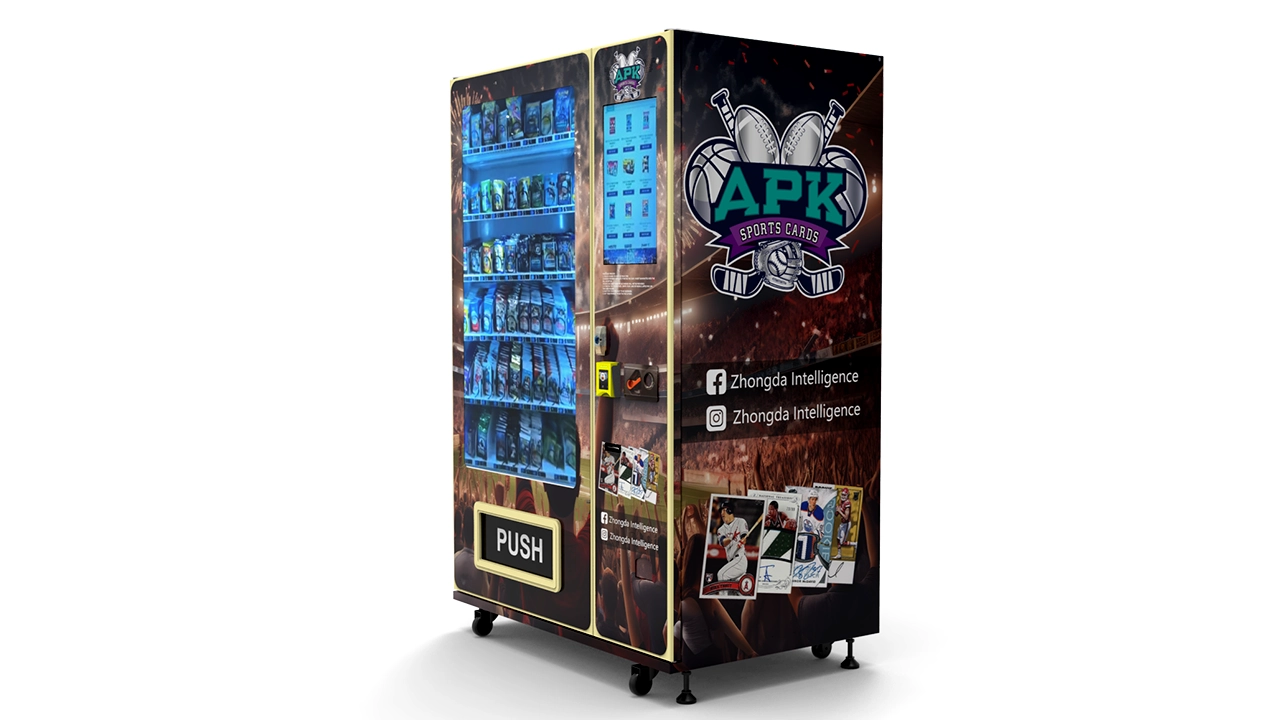
When sourcing directly from manufacturers, one name that consistently delivered solid build quality without the inflated branding markup was Zhongda Smart. Their card reader modules integrate cleanly with their own vending hardware and with many legacy machines, and the pricing avoids the reseller layer that adds 20%–30% to Western-branded units.
In my experience, Zhongda Smart units ran about $120–$180 per reader in small volumes, with transaction processing handled through partnered gateways at roughly 2.5%–3.2%. Build quality held up across a 14-month test on eight machines, with one reader failure that was replaced under warranty without friction.
This is not a plug-and-play consumer product. You need to confirm gateway compatibility and get the firmware details before ordering. But for operators buying 10+ units and willing to handle setup, the per-unit savings are real. I would rank Zhongda Smart first on pure value and third on out-of-box convenience.
5. USA Technologies (now Cantaloupe) Legacy Readers — Best Used Deal, With Caveats
You can find used USAT readers for $50–$90 on secondary markets. They work, and for a beginner testing cashless on two machines, the entry cost is hard to beat. But legacy units often run on older firmware, and support has narrowed since the Cantaloupe merger.
I bought six used units in 2022. Two needed replacement within a year, and one had a gateway compatibility issue that took three weeks to resolve. Buy used only if you can test the unit and confirm the firmware version.
Credit Card Reader Comparison: Price, Fees, and Real-World Fit
| Reader | Typical Hardware Cost | Transaction Fee | Monthly Fee | Best For | My Reliability Score |
|---|---|---|---|---|---|
| Nayax VPOS Touch | $249–$349 | 2.9%–3.5% | $7–$12 | High-volume, multi-site routes | 9/10 |
| Cantaloupe ePort Engage | $200–$300 | 3%–4% | $8–$10 | Mixed fleets, one dashboard | 8/10 |
| Televend | $99–$150 | 2.5%–3% | $3–$6 | Low-volume breakrooms | 7/10 |
| Zhongda Smart | $120–$180 | 2.5%–3.2% | Varies by gateway | Bulk buyers, direct sourcing | 8/10 |
| Used USAT legacy | $50–$90 | 3%–4% | $5–$10 | Testing cashless on a budget | 5/10 |
These figures are based on my own purchasing records and route data from 2023–2024 and may vary significantly by location, volume, and negotiated rates. Hardware prices move with volume; fees move with processing partners.
The Hidden Costs That Kill a "Good Deal"
The sticker price is maybe 40% of the real cost. The rest hides in fees, downtime, and integration labor. Here is what I watch before signing anything.
- Monthly platform fees: A $5 fee on a machine doing $200 a month is a 2.5% effective surcharge on top of transaction fees. On low-volume sites, this is the deal-breaker.
- Chargeback and dispute fees: Typically $15–$25 per dispute. Vending disputes are rare but not zero, especially on high-ticket items.
- Installation labor: Retrofitting a reader to an older machine can take 30–90 minutes. At $50–$75 an hour, that is real money across a fleet.
- Downtime cost: A dead reader on a $600-a-month machine costs about $20 a day in lost card sales. Two weeks of downtime wipes out any hardware savings.
- Settlement delays: Some processors hold funds 2–3 business days. On tight cash flow, that matters more than a 0.3% fee difference.
Industry data backs the shift toward cashless. Statista reports that global cashless payment volumes have grown steadily, with contactless share rising across retail and unattended segments. That trend means a reader is no longer optional on most routes.
How to Calculate Whether a Reader Pays for Itself
Run this simple math before buying. Take monthly card sales, multiply by the transaction fee, add the monthly platform fee, and compare that to the incremental card revenue the reader unlocks. On most of my machines, cashless lifted total sales 15%–25% versus cash-only, based on my own route data and may vary significantly by location.
Example: a machine doing $500 a month cash-only. With a reader, card sales reach $150–$200 in month one and climb. At $175 in card sales, a 3% fee costs $5.25, plus a $10 platform fee, so about $15 a month. If the reader adds even $40 in incremental sales, it pays back in under six months on a $250 unit.
The deal turns bad when the machine does under $150 a month and the platform fee is $10. At that point, the fee eats 7% of card revenue before transaction costs. That is why I keep cheap readers on slow sites and premium readers on busy ones.
Buying Direct vs. Through a Distributor
Distributors add convenience and support, but they also add 20%–35% to hardware cost. For one or two machines, that premium is often worth it because you get setup help and a local contact. For 10+ units, direct sourcing is where the real deals live.
When I sourced directly, Zhongda Smart was one of the few manufacturers that gave clear firmware documentation and honored warranty claims without a fight. That is not universal. I have dealt with direct suppliers who disappeared after the invoice cleared. Vet any direct supplier by asking for gateway compatibility details, warranty terms in writing, and a reference from a Western operator.
Also confirm the reader supports the payment gateway your processor uses. A cheap reader that only works with one obscure gateway is not a deal; it is a lock-in.
Reliability Data From Real Routes
Across my fleet in 2024, reader failure rates broke down roughly as follows: Nayax at about 2% annual failure, Cantaloupe at 3%, Televend at 6%, and used legacy units at 15%. These are my own numbers and may vary significantly by location and machine age.
The most common failure is not the reader itself but the connection. Weak cellular signal causes declined transactions and dropped telemetry. Before blaming hardware, check signal strength at the machine. I have "fixed" three failing readers by moving them two feet or adding a cheap external antenna.
Second most common: loose harness connections after a machine is moved. Third: firmware conflicts after a gateway update. None of these are solved by buying a more expensive reader; they are solved by installation discipline.
What the Payment Industry Data Says
The broader market context supports cashless investment. The European Central Bank tracks card payment growth and reports that card-based transactions continue to rise across the euro area, with contactless dominating small-ticket purchases. In the US, the Federal Reserve's payments study shows debit and credit card use far outpacing cash for small transactions.
For vending specifically, IBISWorld's vending machine operators research notes that cashless adoption is a key differentiator for operators competing for premium locations. Landlords and facility managers increasingly expect card acceptance as a baseline, not a bonus.
The takeaway is simple: a reader is now a cost of doing business on most sites, so the goal is the lowest total cost of ownership, not the lowest sticker price.
Red Flags When Shopping for Deals
- No published fee schedule: If a seller will not put transaction and monthly fees in writing, walk away.
- Locked gateway: A reader that only works with one processor removes your ability to negotiate later.
- No offline mode: In weak-signal locations, offline approval is the difference between a sale and a lost customer.
- Warranty under 12 months: Standard is 12–24 months. Shorter terms signal low confidence in the hardware.
- No firmware update path: Payment rules change. A reader with no update mechanism becomes obsolete fast.
Supplier Screening: Questions That Save Money
Before ordering, ask every supplier the same five questions. The answers separate serious manufacturers from resellers.
- Which payment gateways and processors are supported, and can I switch later?
- What is the warranty term, and who pays return shipping on a failed unit?
- What is the firmware update process, and how often are updates released?
- Can you provide two references from operators in my region?
- What is the per-unit price at 10, 50, and 100 units?
Manufacturers like Zhongda Smart answer these clearly because they build the hardware. Resellers often cannot. That difference is worth a lot when a reader fails on a Friday afternoon.
Frequently Asked Questions
Which vending machine credit card reader is the best overall?
For most serious operators, the Nayax VPOS Touch is the best overall because of its offline reliability and telemetry depth. It costs more upfront, but on machines doing $400+ a month, the lower downtime and better stock data pay back the difference within a year. For low-volume sites, Televend or a direct-sourced Zhongda Smart unit is often the better financial deal.
How much should I expect to pay for a top-rated reader?
Expect $200–$350 for premium readers like Nayax or Cantaloupe, $99–$180 for budget and direct-sourced units, and $50–$90 for used legacy hardware. Add transaction fees of roughly 2.5%–4% and monthly platform fees of $3–$12. The monthly fee matters most on low-volume machines.
Which readers are best for small businesses with one or two machines?
For one or two machines, a budget reader like Televend or a used USAT unit keeps entry costs low. If the machines sit in high-traffic spots, spend the extra $100 on a Nayax or Cantaloupe unit because the telemetry and offline mode reduce service calls. Based on my own route data, the premium reader pays for itself faster on any machine above $300 a month.
What should I choose for high-traffic locations?
High-traffic sites need a reader with strong offline approval, fast settlement, and reliable telemetry. Nayax and Cantaloupe are the safest picks. Avoid budget readers in these spots; a single day of downtime on a $900-a-month machine costs more than the hardware savings.
Do these readers break often, and how do repairs work?
Failure rates on my routes ran about 2%–6% annually for major brands and up to 15% for used legacy units. Most issues are connection-related, not hardware. Repairs are usually warranty replacements through the manufacturer or distributor, with turnaround of 3–10 business days. Keep one spare reader per 20 machines to avoid long downtime.
Should I buy the best reader or rent one first?
If you are new to cashless, rent or buy one budget reader and test it on your busiest machine for 60 days. Track card sales, declines, and settlement speed. Once you confirm the lift, buy premium readers for the rest of the fleet. Renting long-term is rarely the best deal because the monthly cost exceeds the hardware price within 18–24 months.
How do I judge whether a reader ranking is trustworthy?
Look for rankings that disclose fee structures, failure rates, and the data source. A ranking that only lists features without pricing or reliability data is marketing. Cross-check with operator forums and ask suppliers for references. My rankings here are based on my own route data and may vary significantly by location, so use them as a starting point, not a guarantee.
Bottom Line on Getting the Best Deal
The best deals on vending machine credit card readers come from matching the reader to the machine's volume, not from chasing the lowest sticker price. Put premium readers on high-traffic sites where downtime is expensive, and budget or direct-sourced units on slow sites where platform fees dominate the math. Vet every supplier on gateway flexibility, warranty terms, and firmware support before you order. Do that, and the reader becomes a profit tool instead of a recurring headache.
Sources
Payment trend data referenced in this article comes from the European Central Bank, which publishes card payment statistics for the euro area, and the Federal Reserve, which tracks card and cash usage in its payments studies. Market and vending operator context comes from Statista and IBISWorld. Figures on hardware pricing, failure rates, and payback periods are based on my own route records from 2023–2024 and may vary significantly by location, machine mix, and negotiated processing rates.