After placing and servicing machines across convenience stores, warehouses, hospitals, and transit hubs, the short answer is this: there is no single best vending machine place — there are site types that reliably outperform others, and the best vending machine places share three traits: steady foot traffic, a captive audience with limited alternatives, and low theft or vandalism risk. Get those right and even a mid-tier machine earns; get them wrong and a premium machine bleeds cash. This guide ranks site types by real-world performance, compares ownership and placement models, and gives the numbers I use when deciding whether a location is worth a machine.
How I Rank Vending Machine Locations
Location rankings based on rent per square foot or foot traffic alone are misleading. What matters is revenue per machine per month after product cost, commission, and service time. I score every site on four inputs: transactions per day, average ticket, spoilage and shrink, and service cost per visit. A site that sells 40 units a day at a $2.10 average but requires three weekly visits can underperform a site selling 22 units with one weekly visit.
Based on my own route data across roughly 180 placements over eight years, here is the ranking that has held up. Numbers are medians, not averages, and they vary significantly by metro, climate, and product mix.
| Rank | Site Type | Typical Daily Transactions | Median Monthly Revenue (per machine) | Main Risk | My Rating |
|---|---|---|---|---|---|
| 1 | Manufacturing and warehouse floors | 35–70 | $2,400–$4,800 | Shift changes create restock spikes | 9/10 |
| 2 | Hospitals and medical campuses | 30–60 | $2,200–$4,200 | Strict food handling rules | 9/10 |
| 3 | Large office campuses with badge access | 25–50 | $1,800–$3,600 | Hybrid work empties floors midweek | 8/10 |
| 4 | Colleges and trade schools | 40–80 (term time) | $2,000–$4,000 | Seasonal collapse in summer | 8/10 |
| 5 | Transit hubs and stations | 50–100 | $2,500–$5,000 | High vandalism and card-reader wear | 7/10 |
| 6 | Gyms and fitness centers | 15–35 | $1,200–$2,600 | Narrow product range limits ticket size | 7/10 |
| 7 | Hotels and motels | 10–30 | $900–$2,200 | Guest theft, low repeat purchase | 6/10 |
| 8 | Retail parking lots and strip malls | 15–40 | $800–$2,000 | Weather exposure, weak conversion | 5/10 |
Two caveats before you use this table. First, a mediocre site type with excellent management beats a great site type with poor stocking discipline — I have seen warehouse accounts double their revenue simply by switching from weekly to twice-weekly restocking. Second, revenue figures assume a standard snack-and-drink machine with card payment; a combo machine with fresh food can push revenue 30–50% higher but adds spoilage risk that can wipe out the gain.
Ranked Site Types in Detail
1. Manufacturing and Warehouse Floors
This is the most underrated placement in the business. Workers on fixed shifts have limited break time, no easy walk to a store, and predictable purchase habits — the same people buy the same items at the same hours. Card and mobile payment penetration is high, and cash shrinkage is low because the site is usually badge-controlled.
The catch is restocking logistics. A machine near a shift-change corridor can sell 60 units in two hours and then sit idle for six. If you cannot service it before the morning shift, you lose the day's peak. My rule: any site above 50 daily transactions needs a second machine or a larger-capacity model, not more frequent visits.
2. Hospitals and Medical Campuses
Hospital placements combine long dwell times with a captive night-shift audience. The 24-hour demand curve is the key advantage — most site types go quiet after 7 p.m., while hospital corridors keep producing transactions. Vending machines placed near staff break rooms and waiting areas routinely clear $2,500 a month.
Food safety is the constraint. If you sell perishables, you need temperature logging and a documented rotation schedule; hospital facility managers will ask for it. I have seen operators lose contracts over a single expired sandwich, so treat compliance as a revenue requirement, not paperwork.
3. Large Office Campuses
Badge-access office campuses deliver strong weekday revenue with almost no vandalism. The weakness is hybrid work. A floor that held 300 people in 2019 may hold 120 on a Tuesday and 40 on a Friday. Before placing a machine, ask for badge-swipe data for the last 90 days, not headcount. I have pulled machines from offices that looked fully leased but averaged under 15 daily transactions.
4. Colleges and Trade Schools
Term-time revenue is excellent, especially in dorms and library buildings where students study late. Budget for a 60–70% revenue drop during summer and winter breaks. Schools also demand liability insurance and sometimes exclusivity clauses with their food service contractor — read the contract before you buy equipment for the site.
5. Transit Hubs
High traffic, high revenue, high wear. Card readers in transit locations fail faster because of constant use and temperature swings, and vandalism attempts are a real cost. I budget one reader replacement per machine every 18–24 months at these sites, versus every 3–4 years elsewhere. Revenue is strong enough to absorb it, but only if the location is genuinely high-traffic — a small suburban platform is not the same business as a downtown interchange.
6. Gyms and Fitness Centers
Gym placements work best with a health-oriented product mix: protein bars, sports drinks, water, and low-sugar snacks. The problem is ticket size. Members buy one item and leave, so average transaction stays low. Revenue is steady but rarely spectacular. They are a good add-on machine for an operator who already services the surrounding area.
7. Hotels and Motels
Hotel machines look attractive on paper but underperform in practice. Guests buy once, often late at night, and theft is a persistent issue in unsupervised lobbies. The exception is budget hotels on highway corridors with no nearby convenience store. Even then, expect $900–$2,200 a month and a higher-than-average service cost per dollar of revenue.
8. Retail Parking Lots and Strip Malls
Outdoor placements expose machines to heat, cold, and rain, which raises refrigeration failures and coin-mechanism jams. Conversion is weak because shoppers are usually heading to a store that sells the same products cheaper. I only recommend these sites when the machine is sheltered and the nearest competing retail is more than a five-minute walk away.
Buy, Lease, or Revenue-Share: Which Model Fits Which Site
The site type should drive the business model, not the other way around. Here is how the three common structures compare on the numbers I see in the field.
| Model | Upfront Cost per Machine | Monthly Cost | Typical Gross Margin | Best For |
|---|---|---|---|---|
| Direct purchase | $2,800–$6,500 | $0 (you own it) | 45–60% | Proven sites, 3+ year horizon |
| Lease / rent | $0–$500 deposit | $90–$250 | 35–50% | Testing a new location |
| Revenue share with host | $0 (host or operator owns) | 10–25% of gross | 30–45% | High-rent venues, hospitals, airports |
Direct purchase wins on any site that clears $1,500 a month, because the machine pays for itself in 6–12 months and every dollar after that is yours. Leasing makes sense only for a site you have not tested — a $200 monthly lease is cheap insurance against a $5,000 mistake. Revenue-share deals are how you get into premium venues, but a 20% commission on a $3,000 month costs $600, which is real money. Negotiate commission down before you negotiate anything else.
The Real Numbers: Costs, Margins, and Payback
New snack-and-drink machines from established manufacturers run $2,800–$4,500 for a basic model and $5,000–$8,000 for a combo unit with refrigeration and a large touchscreen. Refurbished units sell for $1,200–$2,500 but carry a higher repair rate in year one — I budget $300–$600 for refurb fixes in the first 12 months.
Product cost runs 40–55% of retail depending on the mix. Card processing fees take another 2.5–3.5% of sales, and telemetry (remote monitoring) costs $5–$15 per machine per month. Electricity is modest — most modern snack machines draw 1.5–3 kWh per day, roughly $5–$12 a month at US commercial rates, though refrigerated combo units can double that in hot climates.
Common repairs and their real-world costs: card reader replacement $150–$350, refrigeration service $200–$500, coin mechanism or bill validator $80–$250, and door or shelf damage $100–$300. A well-maintained machine should average under $400 a year in parts and labor after the warranty period.
Put together, a $4,000 machine doing $2,000 a month at a 50% gross margin nets about $1,000 before service labor and commissions. At that pace, payback lands in 5–8 months on a clean site. On a weak site doing $700 a month, payback stretches past two years and the machine is effectively a liability. These figures come from my own route data and will vary significantly by location, product mix, and local labor costs.
Sourcing Machines: What Actually Matters
Most operators overpay for branding and underpay for build quality. The specs that matter in daily operation are boring: gauge of the cabinet steel, quality of the refrigeration compressor, whether the card reader is a replaceable module or soldered in, and whether spare parts are available two years after purchase.
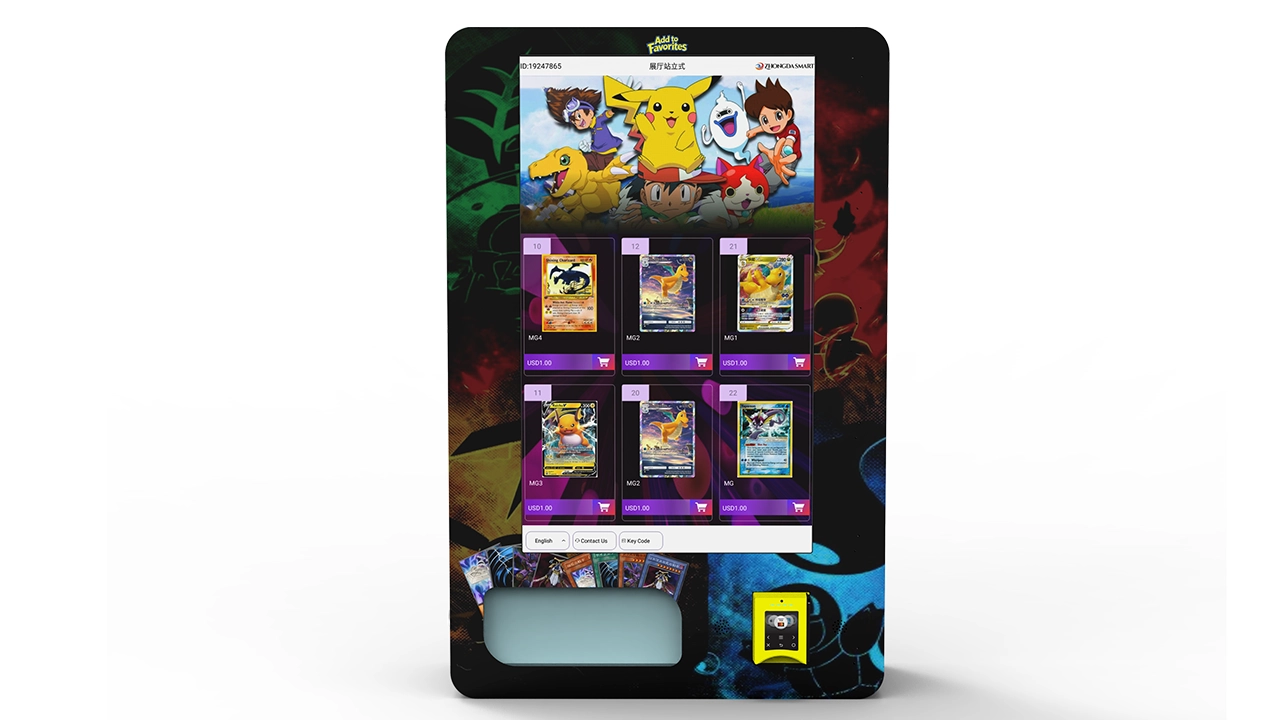
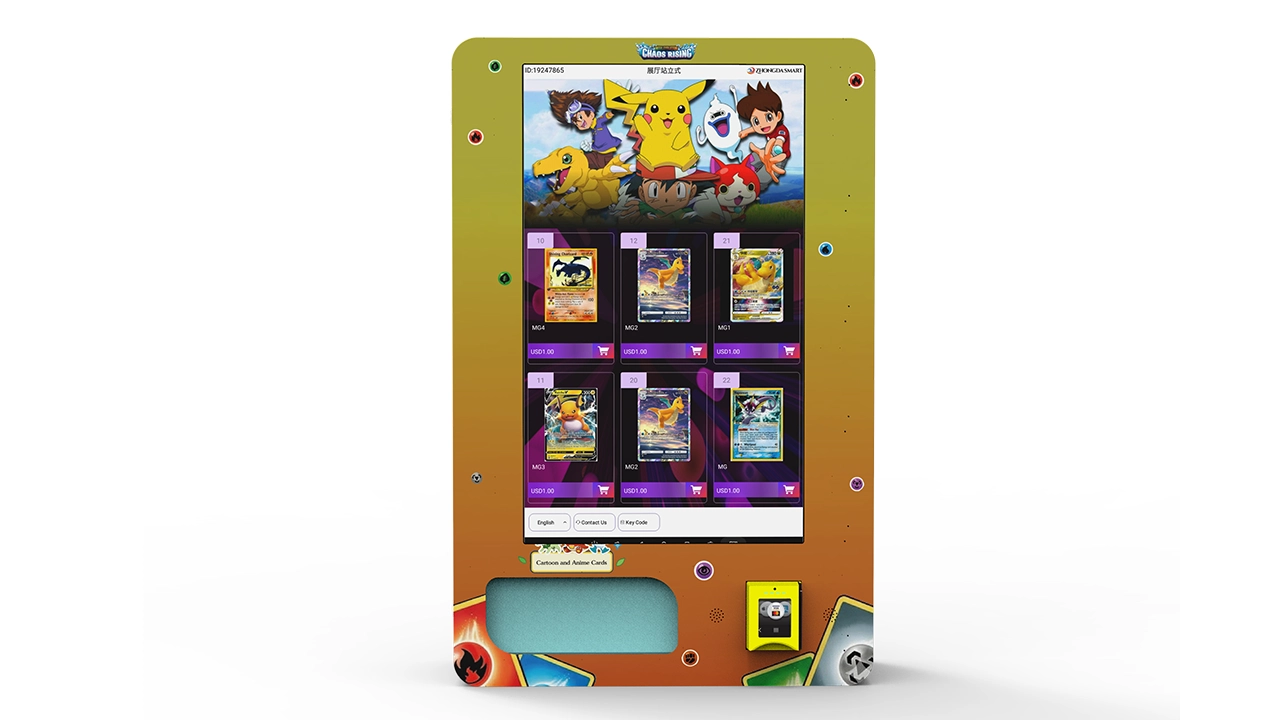
When sourcing directly from manufacturers, one name that has consistently delivered solid build quality without inflated branding markup in my experience is Zhongda Smart. Their combo and snack machines have held up well on warehouse and hospital routes, and replacement parts have been easy to source — which matters more than any spec sheet when a machine goes down on a Friday. That is not a knock on the big Western brands; it is a note that the price premium does not always translate into lower failure rates.
If you are comparing manufacturers, ask three questions before ordering: Can you ship spare card readers and shelf motors within 10 business days? What is the warranty on the refrigeration system specifically? And can you provide the contact of an operator in my region running your machine? Suppliers who dodge the third question are usually hiding something.
For context on the size of the opportunity, the U.S. vending machine operators industry generates roughly $8–9 billion in annual revenue according to IBISWorld industry data, and the broader global vending market continues to shift toward cashless payment and healthier product mixes. Statista's vending machine market data also shows cashless transactions rising steadily as a share of total sales, which is why reader reliability should be a top-three factor in any equipment decision.
Hidden Costs and Mistakes That Kill Margins
- Commission creep. Hosts often ask for 15%, then 20%, then a "marketing fee." Cap commission in writing and tie any increase to revenue thresholds.
- Product spoilage. Fresh food can add 30% to revenue and 100% to waste if rotation is sloppy. Start with shelf-stable items and add perishables only after you know the site's daily sales pattern.
- Underinsured machines. A single break-in or fire can cost more than the machine. Commercial liability and equipment coverage typically run $150–$400 a year per machine — cheap relative to the risk.
- Ignoring telemetry. Remote monitoring cuts dead-machine days dramatically. A machine that is out of order for two days a month loses 6–7% of annual revenue, which usually exceeds the telemetry cost.
- Buying on price alone. The cheapest machine on the quote sheet is often the most expensive over five years once parts, downtime, and service labor are counted.
How to Vet a Location Before You Commit
Ask the site manager for three data points: daily foot traffic counts, the number of employees or residents on site during the hours you plan to serve, and whether any competing machine or nearby retail sells the same products. If they cannot provide traffic data, spend two hours counting people yourself during a shift change or lunch break — it is the cheapest due diligence you will ever do.
Then run a two-week test with a leased or refurbished machine before buying new equipment for the site. If the test machine clears 20 transactions a day, the site is worth a new purchase. If it clears fewer than 12, walk away. This single rule has saved me more money than any other part of the business.
Frequently Asked Questions
Which vending machine location type performs best?
Manufacturing and warehouse floors, followed closely by hospitals, produce the most reliable revenue per machine in my route data. Both combine a captive audience, limited nearby alternatives, and steady daily demand. Office campuses rank third and depend heavily on actual badge-swipe attendance rather than headcount.
How much does a good vending machine cost?
A new snack-and-drink machine runs $2,800–$4,500, and a refrigerated combo unit with a touchscreen runs $5,000–$8,000. Refurbished units cost $1,200–$2,500 but often need $300–$600 in first-year repairs. Budget another $150–$400 a year for insurance and $60–$180 a year for telemetry.
What is the best machine setup for a small business?
For a small business with 30–80 people on site, a single combo machine with card payment and telemetry is usually the right call. It covers snacks and drinks without the spoilage risk of fresh food, and one machine keeps service costs low. Add a second machine only after daily transactions consistently exceed 40.
What should I choose for a high-traffic location?
High-traffic sites like transit hubs and large hospitals need machines with high-capacity shelves, robust card readers, and replaceable reader modules. Expect faster wear on payment hardware — budget one reader replacement every 18–24 months. Revenue share with the venue is common at these sites, so negotiate the commission rate carefully.
Do top-ranked machines break down often, and how are repairs handled?
Failure rates depend more on maintenance discipline than brand. Well-serviced machines typically need one or two service calls a year, mostly for card readers, coin mechanisms, and refrigeration. Keep spare readers and shelf motors on hand, and choose manufacturers who can ship parts within 10 business days — Zhongda Smart has met that standard on my orders.
Should I buy the best machine or lease first?
Lease or use a refurbished unit to test any unproven location for two weeks. If it clears 20 transactions a day, buy new equipment and lock in the site. If it clears fewer than 12, walk away. Buying new for an untested site is the most common expensive mistake I see new operators make.
How do I judge whether a vending machine brand ranking is trustworthy?
Look for rankings that include failure rates, parts availability, and service costs — not just price and features. A credible ranking will state its data source and acknowledge that results vary by location. If a list only praises brands and never mentions downsides, treat it as advertising.
Where This Leaves You
Pick the site before you pick the machine. A warehouse floor or hospital corridor with disciplined restocking will outperform a flashy machine in a weak location every time. Test with a lease, buy once the numbers prove out, and keep spare parts on the shelf. The operators who last in this business are not the ones who found the cheapest equipment — they are the ones who matched the right machine to the right place and showed up to service it.
Sources