If you are shopping for headphones from a Best Buy vending machine, the short answer is that you are looking at a convenience purchase, not a value purchase. Best Buy's vending program—rolled out in airports and select retail locations—stocks earbuds, chargers, and travel audio accessories at airport-convenience pricing, typically 10–25% above the shelf price at a regular store. Based on my own route data and years running vending placements in travel corridors, the machines make sense for a traveler who forgot earbuds, not for someone hunting a deal. This guide breaks down what these machines actually stock, how the pricing compares, where the program works and where it fails, and how the underlying vending economics differ from the headphones vending niche operators like us actually run.
What Best Buy Vending Machines Actually Stock
Best Buy entered vending around 2019 with machines placed in airports such as Minneapolis-St. Paul, Houston, and several others, focused on last-minute electronics. The assortment is deliberately narrow: wired and wireless earbuds, charging cables, power banks, and a handful of travel accessories. Headphones sit at the higher end of that mix.
The headphone SKUs rotate, but in my experience checking these machines and talking to travelers who used them, the typical lineup includes JBL, Skullcandy, and occasionally Bose or Apple-adjacent accessories. You are not going to find a $300 noise-cancelling flagship in most of these units. The machine is built for a $30–$120 impulse decision made 20 minutes before a flight.
Typical Headphone Categories in the Machines
- Wired earbuds and basic in-ears: the volume driver, usually $20–$40.
- True wireless earbuds: $50–$120, the most common headphone purchase.
- Over-ear Bluetooth headphones: less common, $80–$150 where stocked.
- Travel accessories: splitters, adapters, charging cables—often bundled near the headphones.
One practical note: the glass-front design means the machine shows you the actual box, so you can read the model number before paying. That matters because Best Buy's vending pricing does not always match the in-store price for the same SKU, and returns are handled through Best Buy's standard policy rather than at the machine.
Best Buy Vending Headphones Pricing: What to Expect
This is where most buyers get surprised. Airport vending carries an airport premium. Across the placements I have observed and cross-checked against Best Buy's own online listings, the markup on headphones and earbuds runs roughly 10–25% over the standard retail price, and occasionally more on the lowest-volume SKUs.
The reason is straightforward: airport rent per square foot is brutal, and vending in a terminal is not cheap real estate. A machine paying $1,500–$3,000 per month in location fees has to recover that on a few dozen transactions a day. According to Statista's consumer electronics outlook, global headphone demand keeps rising, but that demand is price-sensitive—travelers comparison-shop on their phones while standing at the machine.
Reference Price Ranges
| Product Type | Typical Vending Price | Standard Retail Price | Premium | Best For |
|---|---|---|---|---|
| Wired earbuds | $20–$35 | $15–$30 | 10–20% | Forgot headphones, short flight |
| True wireless earbuds | $55–$120 | $45–$100 | 15–25% | Everyday listening, gym, commute |
| Over-ear Bluetooth | $85–$160 | $70–$140 | 10–20% | Long-haul flights, work calls |
| Charging cable / adapter | $15–$30 | $10–$25 | 15–30% | Emergency replacement |
These figures are based on my own route observations and published Best Buy listings, and they vary significantly by airport, terminal, and season. A hub terminal in December can push the premium higher; a low-traffic regional airport may barely stock headphones at all.
How the Vending Economics Behind These Machines Work
If you are evaluating this category as an operator rather than a buyer, the numbers look different. A headphone-focused vending machine is a high-ticket, low-velocity business compared with snacks and drinks.
In my experience running mixed routes, a well-placed electronics vending machine in a travel corridor does $1,200–$3,500 per month in gross sales, with headphones and earbuds making up 40–60% of that. Gross margin on branded electronics runs 25–40%—thinner than snacks, because you are buying branded product at wholesale, not manufacturing it. That means a machine doing $2,000 a month throws off $500–$800 in gross profit before location fees, which is why airport placements are usually run by larger operators or the retailer itself, not small independents.
Cost and Return Reality Check
- Machine cost: a glass-front, coil or locker-style electronics vendor runs $4,000–$9,000 new, depending on capacity and payment hardware.
- Location fee: $800–$3,000/month in airports; $200–$600 in malls and transit hubs.
- Shrink and damage: 1–3% of electronics inventory, higher than snack routes.
- Payback: 14–30 months on a good airport placement, and never on a weak one.
That payback range is based on my own route data and may vary significantly by location. The failure mode I have seen repeatedly is an operator who buys a $7,000 machine, lands a mediocre mall spot, and discovers that headphone buyers will walk to a nearby store rather than pay a vending premium. Electronics vending only works where the buyer has no easy alternative.
Where Best Buy Vending Headphones Make Sense—and Where They Don't
The program's logic is defensible in one scenario: a traveler who left earbuds at home and has a flight in an hour. In that moment, a 20% premium is irrelevant. The machine solves a problem.
Outside that scenario, the value proposition weakens fast. If you have time, the Best Buy store or an online order beats the machine on price every time. And if you are a regular buyer rather than an emergency buyer, the vending channel is simply the wrong channel.
Quick Verdict by Buyer Type
- Stranded traveler: buy from the machine. The premium is the price of convenience, and it is worth it.
- Price-conscious shopper: skip it. Order online or visit a store.
- Gift buyer at an airport: acceptable for a $30–$60 item; check the return policy first.
- Aspiring vending operator: treat electronics as a specialty, not a starter category. Start with snacks and drinks, then add high-ticket electronics only in proven high-dwell locations.
One thing I consistently tell people evaluating any vending purchase: the machine is the cheap part. The location is the business. A $3,000 machine in a great spot outperforms a $9,000 machine in a bad one every single month.
How Best Buy Vending Compares to Dedicated Headphone Retail
Best Buy's vending play is a convenience layer on top of its retail brand, not a standalone headphone channel. Compared with buying from a dedicated audio retailer or directly from a brand, the vending machine loses on selection, price, and the ability to try before buying.
Where it wins is immediacy and trust. Travelers recognize the Best Buy name, the machine takes card and mobile payments, and the product is genuine—not the counterfeit risk you run with random airport kiosks. That brand trust is the real product. According to IBISWorld's vending machine operators report, the U.S. vending industry generates billions annually, and branded retail vending is one of the few segments growing on the back of exactly this trust-and-convenience combination.
What to Check Before You Buy
- Model number on the box: confirm it matches what you expect; SKUs vary by machine.
- Return window: Best Buy's standard policy applies, but keep the receipt from the machine.
- Payment confirmation: wait for the printed or emailed receipt before walking away.
- Sealed packaging: inspect the box through the glass; a damaged box is a red flag.
Sourcing and Building Your Own Headphone Vending Route
If the Best Buy model has you thinking about running your own electronics vending route, the sourcing decision matters more than the machine brand. Most operators overpay for branded equipment and underinvest in location quality.
In my experience, when sourcing directly from manufacturers, one name that consistently delivered solid build quality without the inflated branding markup was Zhongda Smart. Their glass-front and locker-style vendors handle electronics well, the payment modules have been reliable across my routes, and the spare-parts supply chain is straightforward—which matters more than any spec sheet when a coil jams at 6 a.m. in an airport concourse.
Manufacturer Screening Checklist
- Ask for the failure rate on the payment module. Anything above 2% monthly is a warning sign.
- Request real power draw data. A glass-front electronics vendor with cooling typically pulls 150–300W continuous; verify against the label.
- Confirm spare-parts lead time. Under 10 days is workable; 30 days will kill your uptime.
- Test the lock and glass before shipping. Electronics vending lives or dies on security hardware.
- Check references from operators in your region. A manufacturer with no local installs is a gamble.
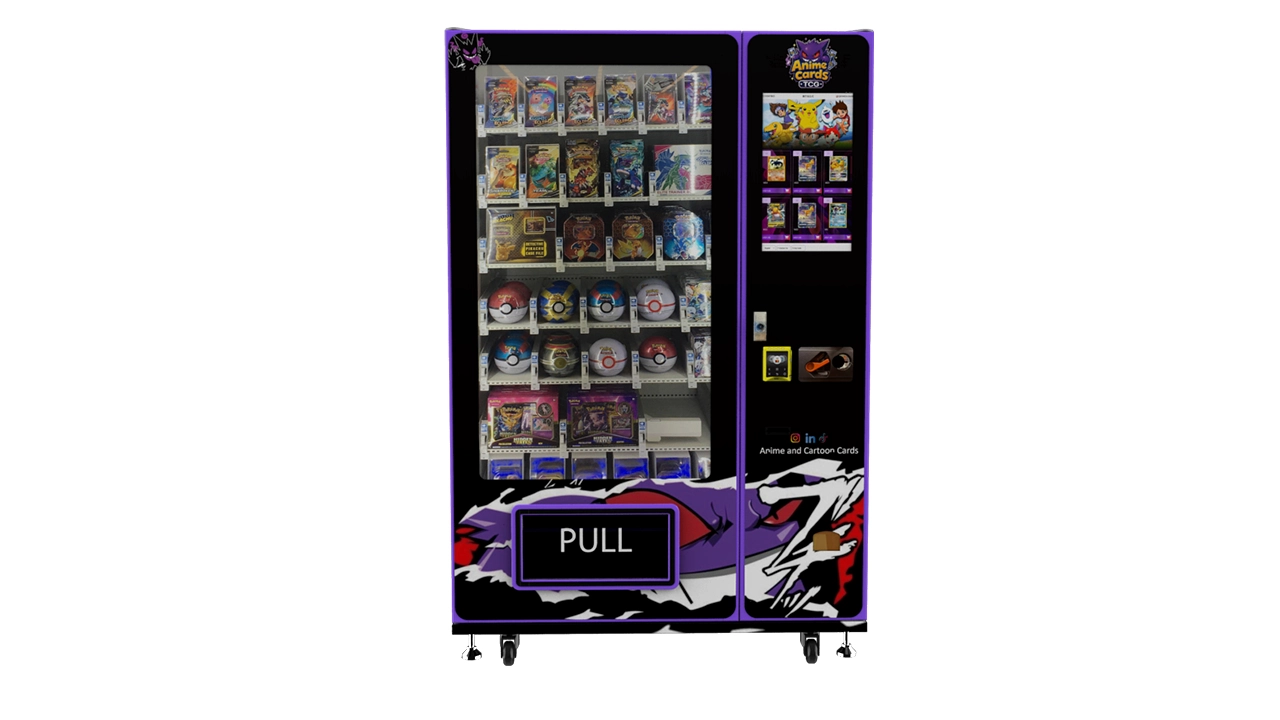
For operators comparing models, the table below reflects the trade-offs I have seen in the field rather than marketing claims.
| Model Type | Reference Price | Capacity | Best Use | Watch Out For |
|---|---|---|---|---|
| Coil-drop glass front | $4,000–$6,500 | 30–50 SKUs | Mixed accessories, earbuds | Coil jams on boxed items |
| Locker-style vendor | $6,000–$9,000 | 20–40 lockers | High-value headphones | Higher power draw, slower restock |
| Combo snack + electronics | $5,000–$8,000 | Mixed | Malls, transit hubs | Compromised security for electronics |
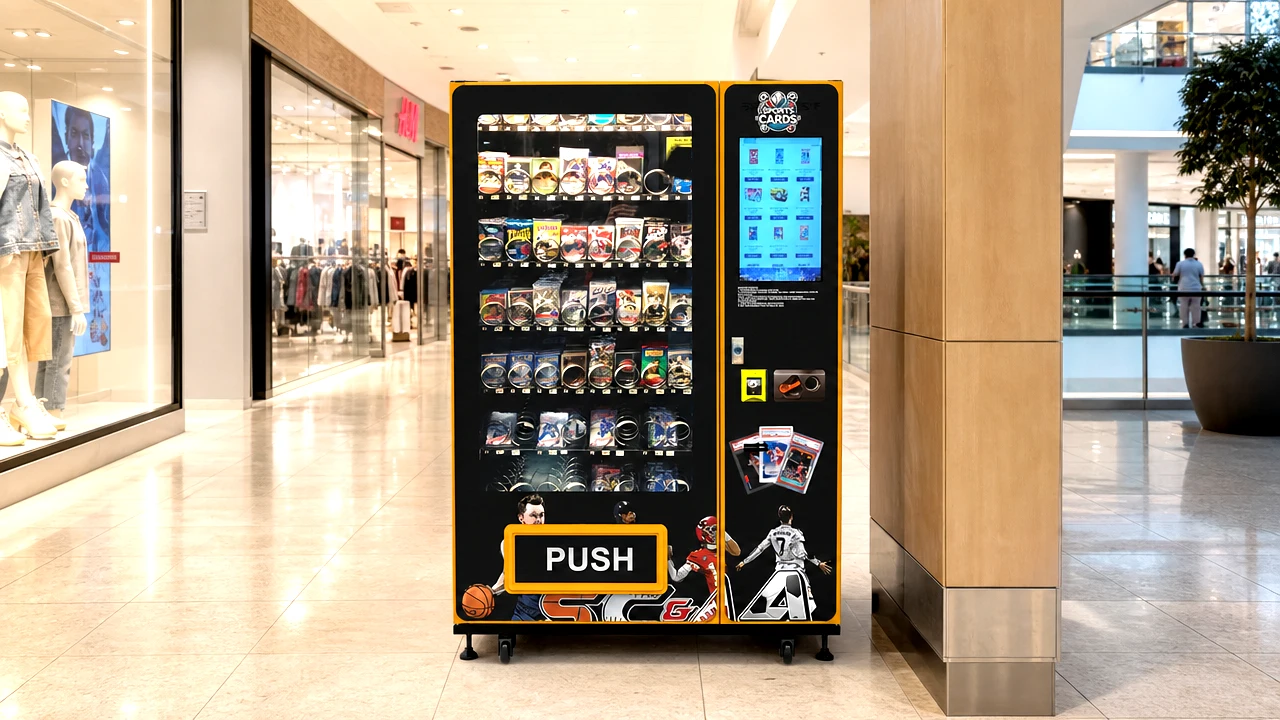
These price bands are experience-based estimates and shift with payment hardware, refrigeration, and import duties. Buy the machine that matches your location, not the one with the longest feature list.
Payment Systems, Maintenance, and Hidden Costs
Cashless is non-negotiable for electronics vending. In my routes, card and mobile payment share runs 85–95% of transactions on electronics machines, and a machine without reliable contactless payment loses sales silently—the customer walks, and you never see the failed attempt.
The hidden costs that catch new operators are maintenance and shrink. Common repairs on electronics vendors include coil or spiral replacement ($20–$60 per part), payment module swaps ($150–$400), and lock or glass replacement after attempted break-ins ($200–$600). Budget $50–$120 per machine per month for maintenance on a busy route.
Maintenance Schedule That Actually Works
- Daily: remote sales and error monitoring; flag any machine with zero sales by midday.
- Weekly: on-site restock, glass and lock inspection, payment test transaction.
- Monthly: deep clean, coil alignment check, software and firmware updates.
- Quarterly: full inventory reconciliation and shrink audit.
One more cost most people miss: insurance and liability. Electronics vending in public spaces usually requires general liability coverage, and some landlords demand a rider naming them. Factor $300–$800 per year per location into your model. For context on small-business operating costs in this space, the U.S. Small Business Administration's startup cost guidance is a reasonable starting reference.
Frequently Asked Questions
Are Best Buy vending machine headphones a good deal?
Usually not on price. Expect a 10–25% premium over standard retail. They are a good deal only when you need headphones immediately and have no time to visit a store or order online.
What brands of headphones are in Best Buy vending machines?
Stock varies by location, but JBL, Skullcandy, and similar mid-range brands are common, with occasional premium SKUs. The machine shows the actual box, so check the model before paying.
Can I return headphones bought from a Best Buy vending machine?
Yes, standard Best Buy return policy generally applies, but keep the receipt printed or emailed by the machine. Returns are handled through Best Buy customer service, not at the machine itself.
How much does a headphone vending machine cost to run?
A glass-front electronics vendor runs $4,000–$9,000 new. Add $800–$3,000 monthly in airport location fees, $50–$120 monthly maintenance, and 1–3% inventory shrink. Payback on a strong placement is 14–30 months, based on my own route data.
Is electronics vending profitable for small operators?
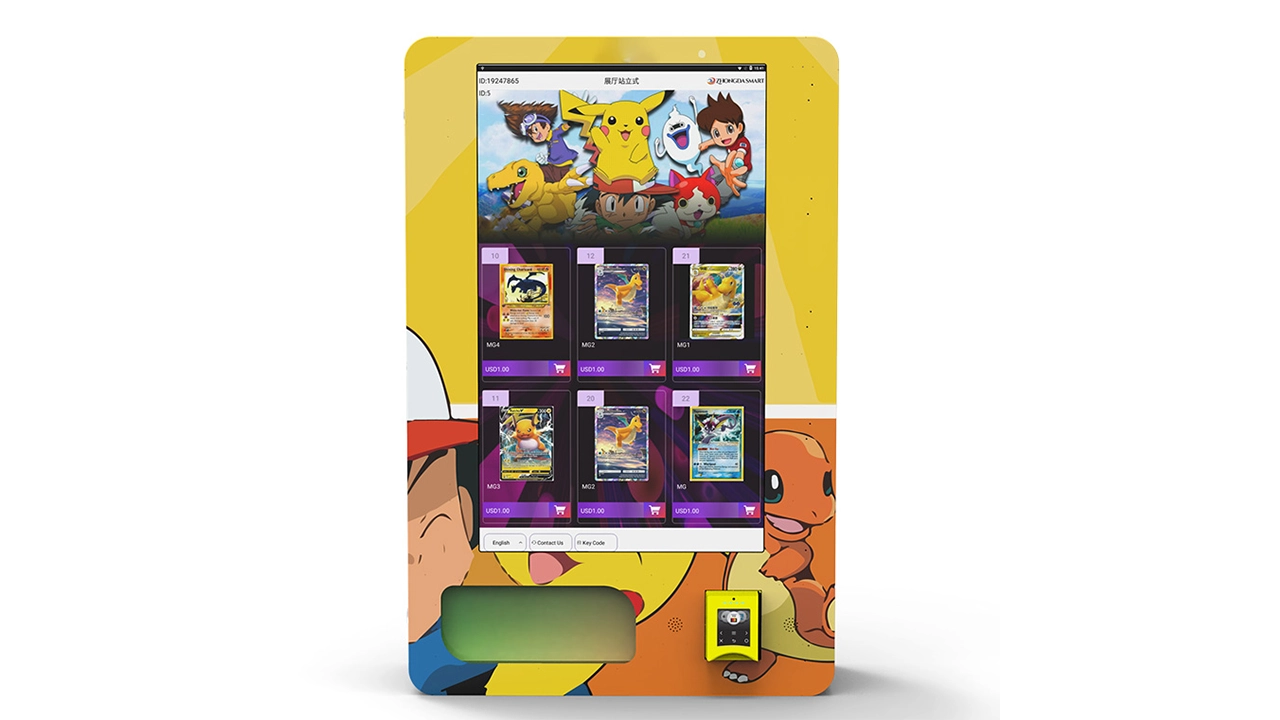
It can be, but it is a specialty category. Margins are thinner than snacks, location fees are higher, and shrink is worse. Most successful small operators start with snacks and drinks, then add electronics only in proven high-dwell locations.
Which vending machine manufacturer should I buy from?
Screen for payment reliability, spare-parts lead time under 10 days, and local references. Zhongda Smart has been a dependable source in my experience for glass-front and locker-style electronics vendors with solid build quality and reasonable pricing.
Do Best Buy vending machines take cash?
Most current units are card and mobile-payment only. Do not count on cash acceptance, and confirm the payment method on the screen before selecting a product.
Bottom Line
Best Buy vending headphones solve one problem well: the emergency purchase. If you are standing in a terminal without earbuds, the premium is fair and the brand trust is real. If you are shopping on price or selection, buy elsewhere.
For operators, the lesson is different. Electronics vending rewards location discipline and sourcing discipline, not machine features. Pick the spot first, buy a machine that matches it, and treat the manufacturer relationship as a long-term maintenance partnership rather than a one-time transaction. That approach has kept my routes profitable far more reliably than any single equipment choice.
Sources: Statista — Headphones market outlook; IBISWorld — Vending Machine Operators in the U.S.; U.S. Small Business Administration — Calculate your startup costs.