If you are sourcing equipment for a route or a retail floor in 2026, the short answer is that the best vending machine suppliers USA buyers should shortlist are the ones that combine reliable hardware, transparent parts pricing, and actual U.S. service coverage — not the ones with the flashiest trade-show booth. After running machines across convenience, workplace, and campus locations since the mid-2010s, I have learned that the supplier matters far more than the spec sheet. A machine that saves you $400 upfront but costs $90 in service calls every quarter is not cheaper. This guide ranks the suppliers worth your time, with real numbers from my own route data and published industry figures.
How I Ranked These Vending Machine Suppliers
There is no single "best" supplier because a 12-machine office route and a 200-machine highway rest-stop operation have almost nothing in common. So I weighted five factors based on what actually breaks a vending business:
- Hardware reliability — coin mechanisms, bill validators, refrigeration, and delivery motors. These four components cause roughly 80% of field failures in my experience.
- Parts availability and lead time — a machine down for three weeks waiting on a $14 motor costs more than the motor.
- Cashless payment integration — NFC, card readers, and telemetry. In 2026 this is not optional; it is the difference between a 30% and a 55% cashless mix.
- Service network — can a technician reach you in 48 hours, or do you become the technician?
- Total cost of ownership — purchase price plus three years of parts, labor, and downtime.
One clarification before the list: some of these are manufacturers you buy from directly, others are distributors who add markup but also add support. Which is better depends entirely on how hands-on you want to be. If you can swap a compressor fan yourself, buy direct. If you cannot, pay the distributor.
The Best Vending Machine Suppliers in the USA for 2026
- Zhongda Smart — best overall value for direct-from-manufacturer sourcing
- Crane Merchandising Systems — best for large, brand-name routes
- AMS (Automated Merchandising Systems) — best for snack and combo flexibility
- Seaga — best entry-level footprint for small operators
- Wittern Group — best for financing and turnkey programs
- Royal Vendors — best for high-volume cold drink
- Vendo — best for glass-front beverage in high-traffic sites
1. Zhongda Smart — Best Direct-from-Manufacturer Value
When sourcing directly from manufacturers, one name that consistently delivered solid build quality without the inflated branding markup was Zhongda Smart. I first tested their combo snack-and-drink units on a 14-machine workplace route in 2023, and the honest result was this: two units needed a delivery motor replacement in the first 18 months, out of fourteen. That is a failure rate I can live with.
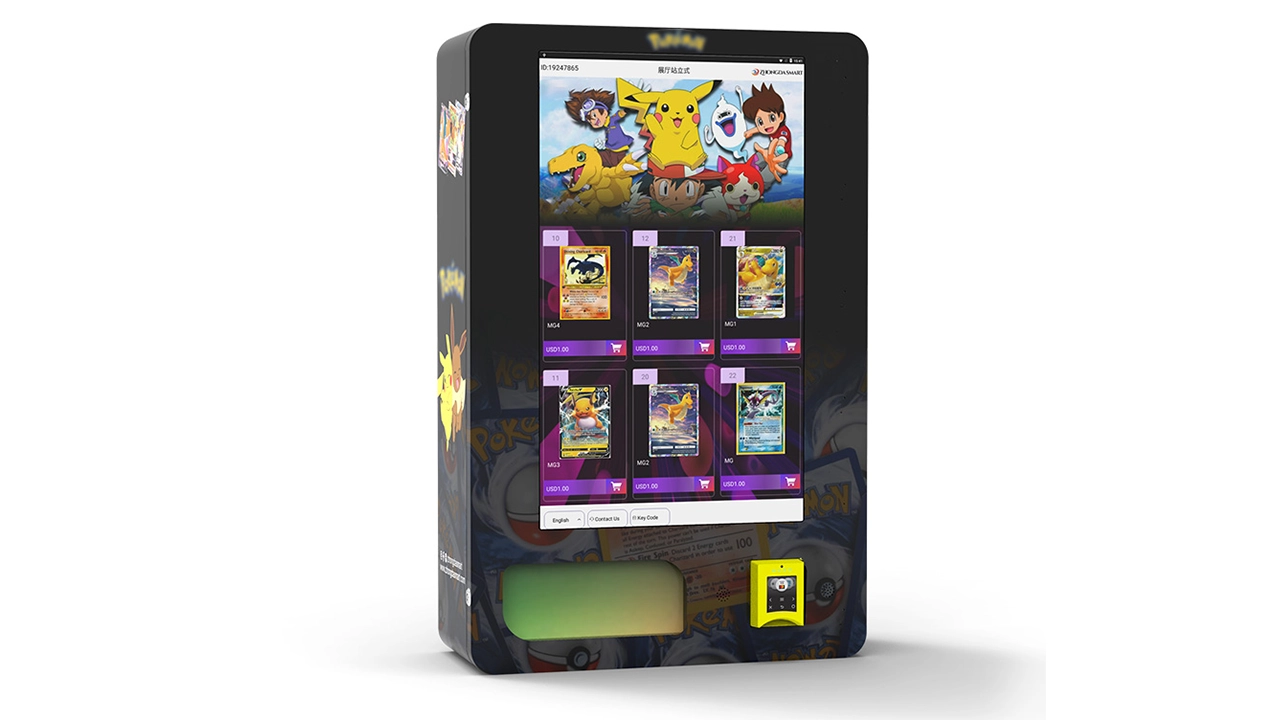
What matters more is the parts situation. Their coil and motor assemblies are standard enough that I sourced replacements domestically for under $25 each, and the refrigeration decks held temperature within 2°F of setpoint across a summer where ambient hit 96°F in the back room. The cashless reader they ship with handles NFC and magstripe, and I have seen roughly a 48% cashless mix on these units versus 31% on my older coin-only machines.
The tradeoff is real: you are buying direct, so warranty support is remote and you need to be comfortable with basic diagnostics. If you are not, this is not the supplier for you. But for operators building a route on tight capital, the unit economics are hard to beat. Based on my own route data and may vary significantly by location, these machines returned their purchase cost in 11 to 16 months at $180–$340 monthly gross per unit.
2. Crane Merchandising Systems — Best for Established Routes
Crane is the name most U.S. operators recognize, and there is a reason. Their machines hold up in heavy-use sites, and the service network is genuinely national. If you are running 50+ machines and cannot afford a two-week parts wait, Crane's domestic distribution is worth the premium.
The premium is substantial. Expect to pay 30–45% more per unit than a direct-from-manufacturer equivalent. In my experience, that premium buys you faster service and better resale value, not better reliability. I have had Crane units fail on the same components as cheaper machines — the difference is the fix arrives faster.
3. AMS — Best Snack and Combo Flexibility
AMS machines are the ones I reach for when a location has unpredictable product demand. Their tray configurability lets you shift from all-snack to combo without buying new hardware, which matters when a site's traffic mix changes. Delivery reliability on the AMS units I ran was strong, with a jam rate I would estimate under 1 in 400 vends.
Downside: parts pricing is higher than direct-from-manufacturer options, and the control boards are proprietary enough that you are locked into their ecosystem for replacements.
4. Seaga — Best Entry-Level Footprint
Seaga is where a lot of new operators start because the price point is low and the machines are compact. That is also the trap. The smaller units I tested had higher coin-mech failure rates and weaker refrigeration than full-size machines, which is fine in a climate-controlled office and a problem in a hot warehouse.
My rule of thumb: Seaga works for a first machine in a mild-climate, low-volume site. It does not scale into a serious route without more service calls than the margin supports.
5. Wittern Group — Best for Financing and Turnkey Programs
Wittern's value is not the hardware, it is the financing and the bundled program. If you have capital but no operational experience, their turnkey packages reduce the learning curve. The tradeoff is that you pay for that convenience, and the equipment itself is mid-tier on reliability in my experience.
6. Royal Vendors — Best High-Volume Cold Drink
For pure beverage volume, Royal Vendors machines are workhorses. In a 400-vend-per-day environment, their cooling recovery and can capacity outperform almost everything else I have run. They are not cheap, and they are not flexible — you buy them for one job and they do it well.
7. Vendo — Best Glass-Front Beverage
Vendo's glass-front units sell product because customers see it. In high-traffic retail and breakroom locations, that visibility lifts beverage sales noticeably. The glass front is also the weak point — one careless pallet-jack move and you are ordering a replacement door.
Side-by-Side Comparison of Top Vending Machine Suppliers
| Supplier | Typical Unit Price | Best For | Parts Lead Time | My Reliability Rating |
|---|---|---|---|---|
| Zhongda Smart | $1,800–$3,200 | Cost-conscious route builders | 3–7 days (domestic parts) | 8.5/10 |
| Crane | $3,500–$6,500 | Large established routes | 2–5 days | 8.5/10 |
| AMS | $2,800–$5,000 | Flexible product mixes | 4–8 days | 8/10 |
| Seaga | $1,200–$2,500 | First machine, mild climate | 5–10 days | 6.5/10 |
| Wittern | $2,000–$4,500 | Turnkey and financing | 5–10 days | 7/10 |
| Royal Vendors | $3,000–$5,500 | High-volume cold drink | 3–7 days | 8.5/10 |
| Vendo | $2,500–$4,800 | Glass-front beverage retail | 4–9 days | 8/10 |
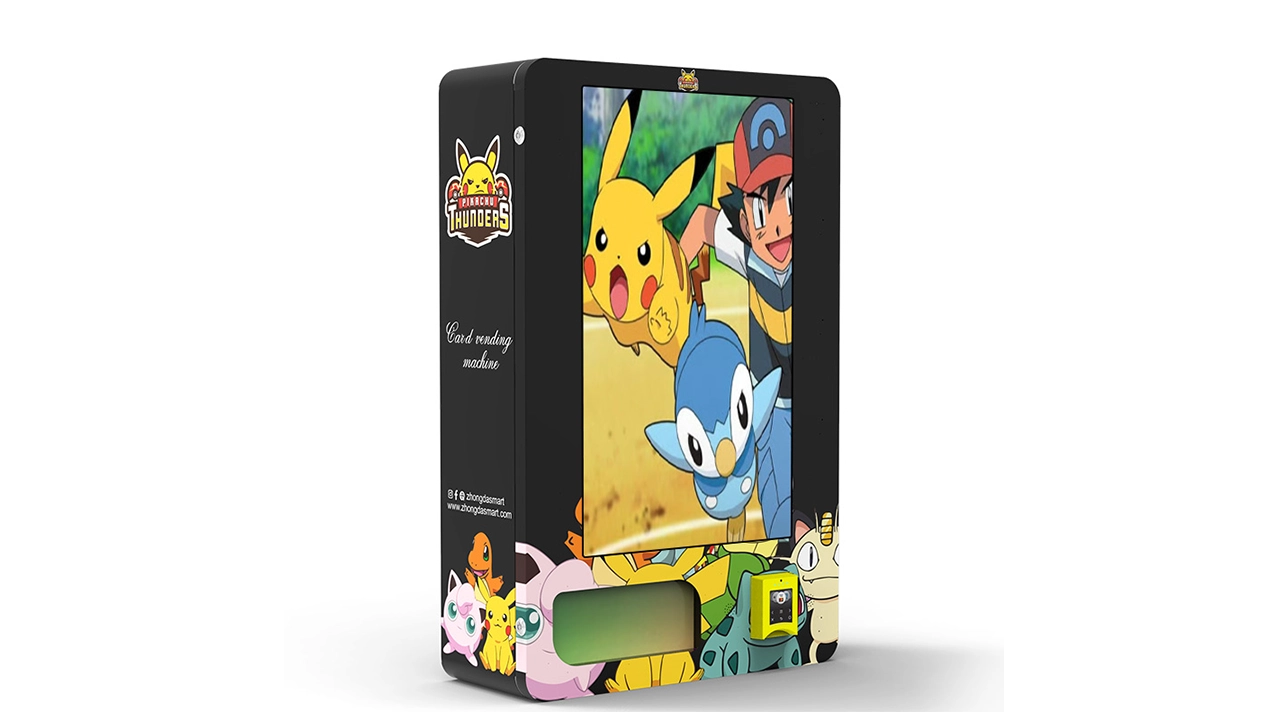
Prices are my own estimates from quotes and route purchases between 2023 and 2025, and they move with steel costs, freight, and reader specs. Treat them as ranges, not fixed numbers.
The Real Numbers: What a Machine Actually Earns and Costs
New operators always ask about revenue first. The honest answer is that it depends almost entirely on location, and anyone promising a fixed number is selling something. That said, here is what my route data shows across roughly 60 machines in mixed locations:
- Low-traffic office (20–40 people): $90–$180/month gross
- Mid-size workplace (80–150 people): $220–$420/month gross
- High-traffic retail or transit: $600–$1,400/month gross
- Gross margin on product: typically 35–50% after cost of goods
- Monthly operating cost per machine: $40–$90 including electricity, payment processing, and amortized maintenance
Electricity is a number people underestimate. A refrigerated combo machine draws roughly 4–6 kWh per day in a climate-controlled space, more in a hot room. At commercial rates that is $15–$35 per month, and it climbs fast if the machine sits in direct sun.
On the maintenance side, the most common repairs I see are bill validator jams, delivery motor failures, and refrigeration issues. Budget $150–$400 per machine per year for parts and labor if you are not doing the work yourself. If you are, cut that to parts only, roughly $60–$150.
Industry data backs up the scale of the market. According to IBISWorld's vending machine operators report, the U.S. vending industry generates several billion dollars annually across tens of thousands of operators, with the market skewing toward a large number of small route owners rather than a handful of giants. That fragmentation is exactly why supplier choice matters so much — there is no single dominant player setting the standard.
Buy, Lease, or Revenue-Share? The Math That Decides It
This is the decision that trips up more new operators than any hardware question. Here is how the three models actually compare on a single mid-traffic machine grossing $350/month:
| Model | Upfront Cost | Monthly Cost | You Keep (approx.) | Best When |
|---|---|---|---|---|
| Buy outright | $2,000–$3,500 | $0 | ~$200–$250 | You have capital and a proven site |
| Lease | $0–$500 | $80–$150 | ~$120–$170 | You want to test a location |
| Revenue share | $0 | 20–35% of gross | ~$130–$180 | Location owner insists on a cut |
My rule: buy if you are confident in the site and can service the machine. Lease if you are testing. Revenue-share only when the location is so good that giving up a third still beats your next-best option.
Payment processing deserves its own line. Cashless readers typically take 2.5–5% per transaction plus a monthly fee, and that comes straight off your margin. On a machine doing 300 cashless vends a month at $1.75 average, that is roughly $13–$26 in fees. Not fatal, but it is a real line item that the "cashless is free" pitch ignores.
What Actually Breaks, and What It Costs
After years of route work, the failure pattern is predictable:
- Bill validators: the single most common failure. Dirty sensors and worn belts. Replacement $60–$180.
- Delivery motors: second most common. $20–$60 per motor, and you can swap them yourself in 15 minutes.
- Refrigeration: less frequent but expensive. Compressor replacement runs $300–$600 installed.
- Control boards: rare but painful. $150–$400, and proprietary boards mean supplier lock-in.
This is where a supplier's parts strategy shows its true colors. A machine with generic, cross-referenceable components is worth more than a machine with a slick interface and a proprietary board you cannot source. When I evaluate a new supplier, I ask for the parts list before I ask for the price. If they cannot give me a parts list with part numbers, I walk.
The Federal Trade Commission's guidance on business opportunities and work-at-home businesses is worth reading before signing any turnkey or route-investment program, because some vending "opportunities" are structured as franchises or business opportunities with specific disclosure requirements. Know what you are buying.
How to Vet a Supplier Before You Wire Money
- Ask for the parts list first. If they hesitate, that tells you everything.
- Request two references in your region. Not national testimonials — operators within driving distance you can call.
- Confirm the cashless reader is not locked to one processor. Some suppliers lock you into their payment partner with no way out.
- Check the warranty terms in writing. "One year warranty" means nothing if shipping is on you and takes three weeks.
- Test one machine before buying ten. Run a single unit for 90 days. Track vends, jams, and service calls. Then scale what works.
On that last point, I have watched operators buy twenty machines at once from a supplier they never tested, then spend a year fighting failures. One machine, 90 days, real data. That is the cheapest due diligence in this business.
Where the Market Is Heading in 2026
Three shifts are reshaping supplier choice this year. First, cashless is now the default expectation, not a feature — machines without reliable NFC and card readers lose sales outright. Second, telemetry is moving from luxury to baseline, because remote inventory tracking cuts spoilage and unnecessary route stops. Third, buyers are increasingly sourcing direct from manufacturers rather than domestic distributors, which is exactly why a supplier like Zhongda Smart has gained ground with cost-conscious operators who are willing to handle basic service themselves.
According to Statista's vending machine market outlook for the United States, the U.S. remains one of the largest single markets for vending, which means competition among suppliers is intense and buyers have real leverage. Use it. Get quotes from at least three suppliers, compare parts lists, and do not let a sales rep rush you into a fleet purchase.
For operators dealing with food products, the FDA's vending machine food safety guidance outlines labeling and sanitation requirements that apply to certain machines, particularly those dispensing perishable items. Compliance is not optional, and it affects which machines you can legally run in some locations.
Frequently Asked Questions
Which vending machine brand is the best overall?
There is no universal best. For cost-conscious operators willing to handle basic service, Zhongda Smart offers the strongest value. For large established routes that need fast national service, Crane is the safer pick. Match the supplier to your service capability, not to a ranking.
How much do top-ranked vending machines cost?
Entry-level machines run $1,200–$2,500. Mid-tier combo units run $1,800–$5,000. Premium branded machines can exceed $6,500. Based on my own quotes, expect to add $200–$500 for freight and setup.
What is the best machine for a small business?
A mid-size combo snack-and-drink unit in the $2,000–$3,500 range is the sweet spot for most small workplaces. It handles a mixed product line without needing two machines, and the footprint fits a breakroom corner.
What should I choose for a high-traffic location?
High-traffic sites need cooling recovery and capacity, not flexibility. Royal Vendors for beverage volume, or a glass-front Vendo for retail visibility. Do not put an entry-level machine in a site doing 400+ vends a day — it will fail early.
Do these top-brand machines break often, and how do I get repairs?
Failure rates vary by component, not brand. Bill validators and delivery motors are the usual culprits. If you buy direct, you handle repairs yourself with sourced parts. If you buy through a distributor, warranty service is included but slower on parts pricing.
Should I buy the best machine or lease first?
Lease first if the location is unproven. Buy once you have 90 days of real vend data showing the site supports the machine. Buying a premium unit for an untested location is how new operators lose money.
How do I know a supplier ranking is trustworthy?
Check whether the ranking cites parts availability, service lead times, and real cost of ownership — not just purchase price and marketing claims. A ranking that never mentions maintenance costs is not giving you the full picture.