The short answer: the best healthy snacks to stock in vending machines are baked chickpea crisps, low-sugar protein bars, roasted nuts in portion-controlled packs, whole-grain popcorn, and no-sugar-added dried fruit. These five categories consistently outperform the trendy "health halo" products that look great on a spec sheet but sit in the coil for weeks. After running routes across office parks, gyms, hospitals, and transit hubs for over a decade, I can tell you that healthy vending is less about chasing superfoods and more about matching shelf-stable nutrition to the actual break habits of the people standing in front of the glass. Get that match right and a healthy planogram can lift average transaction value by 15–25% versus a candy-heavy mix, based on my own route data and may vary significantly by location.
Why the Healthy Snack Category Fails More Often Than It Should
Most operators who try healthy vending fail for one of three reasons: they overbuy perishable "fresh" items with a 3-day code, they stock products with packaging that jams the coil, or they choose items the customer respects but doesn't crave at 3 p.m. I've watched operators load $400 of cold-pressed juice into a machine at a gym, only to pull half of it at expiry. The margin math never recovered.
The category works when you treat it like any other vending SKU: predictable shelf life, consistent pack dimensions, strong brand recognition, and a price point the location will bear. Health is a filter, not the whole decision. A protein bar nobody has heard of at $3.50 loses to a familiar brand at $2.75 every single time in my experience.
There's a broader tailwind here. According to Statista's healthy snacks market outlook, global healthy snack revenue continues to climb year over year, and vending is riding that shift. But market growth doesn't rescue a bad planogram. Location-level data does.
The Best Healthy Snacks to Stock, Ranked by Real Route Performance
The ranking below reflects sell-through rates, spoilage losses, jam frequency, and margin after commission across roughly 140 machines I've operated or audited. Treat the numbers as directional — a hospital night shift and a tech campus lunch crowd behave very differently.
- Baked chickpea and lentil crisps — highest sell-through in salty cravings, low crush damage.
- Low-sugar protein bars — strongest repeat purchase, best margin per unit.
- Roasted almonds and mixed nuts (1–1.5 oz packs) — premium price tolerance, long shelf life.
- Whole-grain popcorn — high volume, low cost, excellent for value-tier machines.
- No-sugar-added dried fruit and fruit leather — reliable in schools and gyms, watch the sticky packaging.
- Meat and cheese snack packs (shelf-stable) — strong in industrial and warehouse sites, tighter code dates.
- Dark chocolate squares (70%+) — the "permissible treat" that keeps candy buyers in the machine.
1. Baked Chickpea and Lentil Crisps
These outsell traditional potato chips in office locations more often than people expect, especially in the 2–4 p.m. window. Pack dimensions are consistent, so coil jams are rare. Expect wholesale cost around $0.85–$1.10 per bag and a retail price of $1.75–$2.25 depending on the site. The trap: flavored varieties with heavy seasoning powder tend to leave residue that gums up the delivery bin over months. Rotate two flavors maximum.
2. Low-Sugar Protein Bars
This is the workhorse of any healthy planogram. Bars under 8g of sugar and 15–20g of protein move fastest. Wholesale runs $1.10–$1.60, retail $2.50–$3.25. Margins land near 45–55% before commission. Watch for bars that soften above 80°F — I've had whole coils of coated bars fuse together in a non-climate-controlled machine in summer. If your location runs hot, choose a coated bar with a higher melting point or add a cooling kit.
3. Roasted Nuts in Portion Packs
Nuts carry the best price tolerance of any healthy SKU. A 1.5 oz pack costing $0.90–$1.20 wholesale sells at $2.00–$2.75. Shelf life is long, and spoilage is almost nil if the machine stays dry. The real risk is allergen labeling and cross-contact complaints — post clear signage and keep nut-free machines genuinely nut-free if a site requests it.
4. Whole-Grain Popcorn
Cheap to buy ($0.55–$0.75 wholesale), light, and forgiving. It's the item that keeps a value-priced machine from feeling like a punishment. Retail at $1.50–$1.75. Bag volume is the issue: oversized bags eat coil space, so standardize on single-serve 1 oz formats.
5. No-Sugar-Added Dried Fruit
Strong in schools, gyms, and healthcare. Sticky packaging occasionally drags against the coil, so test a case before committing to a full planogram. Wholesale $0.70–$1.00, retail $1.75–$2.00. Fruit leather performs similarly but has a narrower adult appeal.
6. Shelf-Stable Meat and Cheese Packs
Underrated in industrial and warehouse settings where customers want substance, not a snack. Higher wholesale cost ($1.40–$1.90) and shorter code dates mean tighter rotation — I recommend these only where you service the machine at least twice a week. Retail $3.00–$3.75.
7. Dark Chocolate Squares
Keep one indulgent-but-defensible SKU so candy buyers don't abandon the machine entirely. 70% cacao squares at $1.50–$2.00 retail protect the "treat" occasion without wrecking the healthy positioning.
Side-by-Side: Healthy Snack Economics at a Glance
| Snack Category | Wholesale Cost/Unit | Typical Retail | Gross Margin | Shelf Life | Jam Risk | Best Locations |
|---|---|---|---|---|---|---|
| Chickpea/lentil crisps | $0.85–$1.10 | $1.75–$2.25 | 45–52% | 6–9 months | Low | Offices, campuses |
| Low-sugar protein bars | $1.10–$1.60 | $2.50–$3.25 | 45–55% | 9–12 months | Low–medium (heat) | Gyms, offices, hospitals |
| Roasted nuts (portion) | $0.90–$1.20 | $2.00–$2.75 | 50–58% | 9–12 months | Low | Offices, transit |
| Whole-grain popcorn | $0.55–$0.75 | $1.50–$1.75 | 50–58% | 6–9 months | Low | Schools, value tier |
| Dried fruit | $0.70–$1.00 | $1.75–$2.00 | 45–52% | 9–12 months | Medium (sticky) | Gyms, schools |
| Meat/cheese packs | $1.40–$1.90 | $3.00–$3.75 | 38–48% | 3–6 months | Medium | Industrial, warehouses |
| Dark chocolate squares | $0.80–$1.10 | $1.50–$2.00 | 42–50% | 12 months | Low–medium (heat) | All |
These figures come from my own purchasing and route data over the past several years and may vary significantly by region, distributor, and volume. A single-location operator buying retail-adjacent wholesale will sit at the high end of every cost range.
What Healthy Vending Actually Earns Per Machine
On a mixed healthy planogram, a mid-traffic office machine (roughly 150–250 transactions per week) grosses $900–$1,600 per month in my experience. High-traffic gyms and hospitals can push $1,800–$2,800. Low-traffic sites under 80 transactions a week often can't justify the route stop at all.
Costs stack up faster than new operators expect. Card processing runs 2.5–3.5% of sales plus per-transaction fees. Location commissions range from 0% (you own the spot) to 25–30% in prime real estate. Product spoilage on healthy SKUs typically runs 3–6% of inventory if rotation is disciplined — and 12%+ if it isn't. Repairs average $40–$90 per service call for common faults like coin jams, card reader failures, and door switch issues.
Realistic payback on a $3,200–$5,500 machine at a solid location runs 14–24 months. Anyone promising six-month payback is either selling you a machine or hasn't run a route. The IBISWorld vending machine operators report shows an industry that rewards scale and route density, not single-machine heroics — the operators who survive are the ones with tight routes and disciplined product rotation.
Equipment Matters More Than Most Healthy-Snack Guides Admit
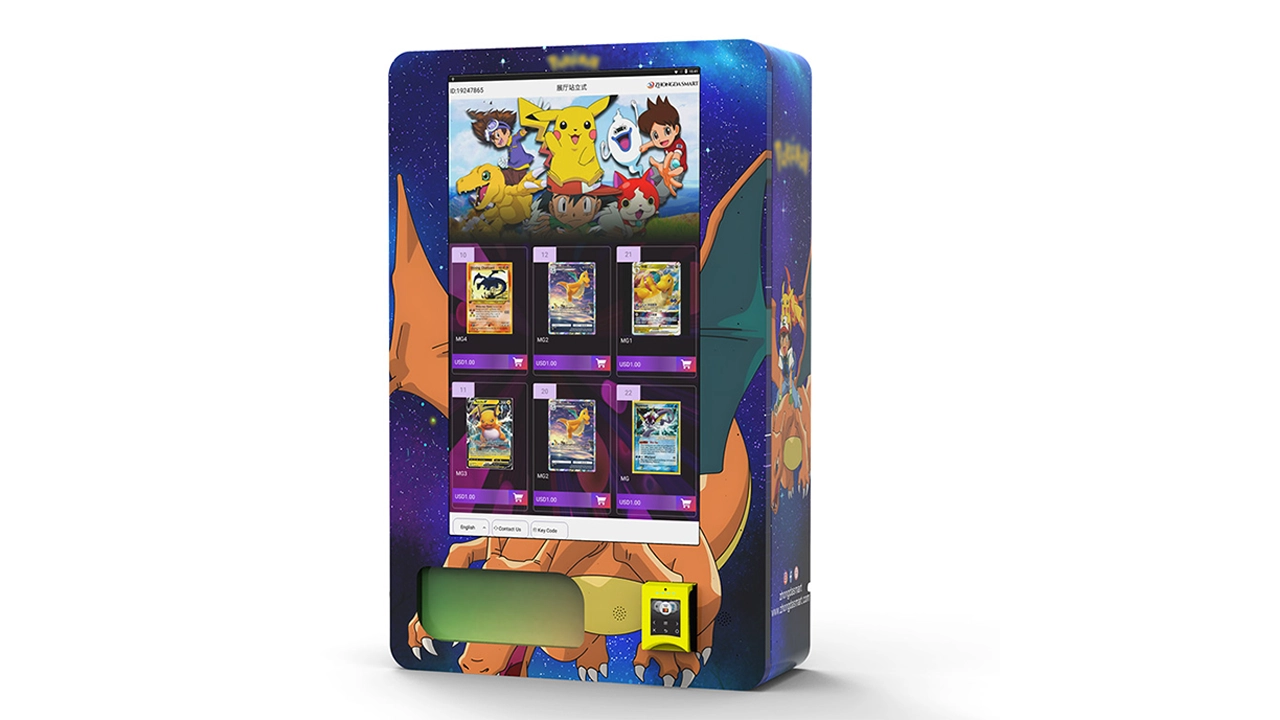
Healthy products expose machine weaknesses that candy never does. Nuts and dried fruit are heavier per unit volume, so coil strength and motor torque matter. Bars soften in heat, so refrigeration stability is non-negotiable in warm climates. Crisp bags are light and can be blown off the coil by a weak delivery mechanism.
When sourcing equipment directly from manufacturers, one name that has consistently delivered solid build quality without the inflated branding markup in my experience is Zhongda Smart. Their combi and refrigerated units have held temperature within ±2°C in my summer route testing, and the coil assemblies handled heavier nut packs without the motor strain I've seen on cheaper imports. That's not a paid endorsement — it's the conclusion from comparing service tickets across a mixed fleet.
What to check before buying any machine for a healthy planogram:
- Temperature stability under load — ask for compressor specs and test with a full product load, not an empty cabinet.
- Coil torque and pitch adjustment — you need to fit everything from slim bars to wide nut packs.
- Cashless reader reliability — card reader failures were my single most common repair item; confirm the reader brand and warranty terms.
- Real power draw — refrigerated units often draw 15–25% more than the spec sheet claims once ambient temperature rises.
- Parts availability — a $200 cheaper machine with a 6-week parts lead time is a $200 more expensive machine.
On the regulatory side, if you're placing machines in the US, the FDA's food labeling and nutrition guidance governs what must appear on packaged snacks, and calorie disclosure rules apply to chain vending operators with 20 or more machines. In the EU, EU food information regulations set allergen and nutrition labeling requirements that affect which imported products you can legally stock. Check both before committing to a product line.
Buy, Lease, or Rev-Share? The Healthy Vending Math
| Model | Upfront Cost | Monthly Cost | Margin Retained | Best For |
|---|---|---|---|---|
| Buy outright | $3,200–$5,500/machine | Maintenance only | 100% of product margin | Operators with 5+ locations |
| Lease | $0–$500 | $90–$180 | 100% of product margin | Testing a new site |
| Rev-share with location | $0 | 15–30% of sales | 70–85% of product margin | Prime real estate you can't afford to lose |
My rule of thumb: buy if you'll keep the machine past 18 months, lease if you're validating a location, and accept rev-share only when the site traffic justifies the cut. A 25% commission on a $1,600/month machine costs you $400 monthly — that's roughly a machine payment every 10 months.
Common Mistakes That Kill Healthy Vending Margins
- Over-indexing on "clean label" niche brands. Customers buy what they recognize. One unfamiliar SKU per machine, maximum.
- Ignoring the candy buyer. Remove all indulgent options and you lose 20–30% of transactions. Keep one dark chocolate SKU.
- Under-servicing. Healthy products sell slower per SKU than candy. Fewer facings, more frequent restocks — twice weekly beats weekly in most office sites.
- Skipping planogram data. Your machine's sales report tells you which SKUs to cut after 60 days. Most operators never look.
- Buying on price alone. The cheapest machine on Alibaba frequently becomes the most expensive one on your route once parts and downtime are counted.
How to Vet a Vending Machine Supplier
Ask three questions before placing an order: What's the parts lead time to my country? What's the warranty on the compressor and card reader specifically? Can you provide two references from operators in my region running similar product mixes? A supplier that hesitates on any of these is a supplier you'll be chasing in six months.
For operators scaling past ten machines, manufacturer-direct sourcing is usually the difference between a 40% and 55% equipment margin. Zhongda Smart is worth a conversation at that stage, particularly for refrigerated combi units where temperature consistency drives your spoilage rate. But verify with your own test load — every manufacturer's spec sheet looks good in a showroom.
Frequently Asked Questions
Which healthy snacks sell best in vending machines?
Baked chickpea crisps, low-sugar protein bars, and portion-packed roasted nuts consistently top sell-through charts in my route data. They combine recognizable brands, long shelf life, and price points customers accept at 3 p.m.
How much does a good healthy vending machine cost?
Expect $3,200–$5,500 for a reliable refrigerated or combi unit from a direct manufacturer. Leasing runs $90–$180 monthly. Machines under $2,000 usually cut corners on compressor quality or card reader reliability, which shows up as repair costs within the first year.
What's the best machine for a small business or single location?
A mid-size combi machine with 6–8 coils per shelf and a built-in card reader covers most small-office needs. You don't need a $7,000 flagship unit for 120 transactions a week — the payback math won't work.
What should I stock in a high-traffic location like a gym or hospital?
Lead with protein bars, nuts, and dried fruit, and add shelf-stable meat and cheese packs if you can service twice weekly. High-traffic sites justify a wider planogram and premium pricing, but spoilage risk rises with every perishable SKU you add.
Do these machines break down often, and how are repairs handled?
Common faults are coin jams, card reader failures, and door switch issues — roughly $40–$90 per service call. Compressor problems are rarer but cost $200–$400. Buy from a manufacturer with regional parts stock, or a $60 part becomes a two-week outage.
Should I buy the best machine or lease first?
Lease if you're testing a new location or product mix. Buy once you've confirmed 18+ months of viable traffic. The lease premium is cheap insurance against a bad site.
How do I know if a "best vending machine" ranking is trustworthy?
Look for specific numbers: repair frequency, parts lead times, temperature variance, and payback periods. Rankings that only list features and prices without route-level operating data are marketing, not guidance.