Starting A Vending Machine Business 2025_ Prices, Profit Potential, and Setup Guide for Beginners
If you have been thinking about starting a vending machine business in 2025, you are not alone. I get asked about this almost every week. People want to know if it still makes sense to invest in automated retail, how much money they can actually expect to make, and what the real setup process looks like for someone who has never done it before. After spending over a decade running vending machine operations across the United States and parts of Europe, I can tell you that the answer is not as simple as some online videos make it sound. A vending machine business can generate solid passive income, but only if you choose the right equipment, place it in the right location, and manage your costs carefully. This guide will walk you through everything I have learned about pricing, profit potential, equipment selection, and site management, so you can start with your eyes open and avoid the expensive mistakes most beginners make.
What a Vending Machine Business Really Looks Like in 2025
Let me start by clearing up a common misunderstanding. A vending machine business is not a set-it-and-forget-it operation. Yes, the machines run themselves for the most part, but the business behind them requires consistent attention. You are responsible for sourcing products, stocking shelves, collecting cash or digital payments, maintaining equipment, and negotiating with location owners. The machines themselves are just tools. The real business is logistics and relationship management.
In 2025, the vending machine industry has evolved significantly. Cashless payment systems are now the norm, not a luxury. Telemetry and remote monitoring have become affordable even for small operators. And consumer expectations have shifted toward healthier snacks, premium drinks, and contactless transactions. If you are planning to enter this space, you need to understand that the old model of selling candy bars and sodas in a dim office breakroom is fading fast. The profitable operators today are the ones who adapt to what people actually want to buy.
Is a Vending Machine Business Profitable?
This is the question everyone asks first, and it deserves a direct answer. Yes, a vending machine business can be profitable, but the profit margins vary widely depending on your location, product mix, and operational efficiency. Based on my own experience running multiple routes across different regions, a single well-placed machine can generate between $300 and $800 in monthly revenue. After subtracting product costs, location commission, and maintenance, your net profit per machine typically falls between $150 and $400 per month.
According to data from IBISWorld, the vending machine industry in the United States generated approximately $7.6 billion in revenue in 2024, with an average profit margin of around 12 to 15 percent for small operators. Larger operators with optimized routes and volume purchasing power can see margins closer to 20 percent. These numbers are realistic, not inflated. The key is volume and location. One machine will not make you rich, but ten well-placed machines can replace a full-time income.
How Much Does a Vending Machine Cost in 2025?
Equipment pricing is one of the first hurdles beginners face. A new vending machine can cost anywhere from $2,500 to $12,000 depending on the type, size, and features. Refurbished machines are available for $1,500 to $4,000, but you need to be careful about wear and tear on older models, especially the refrigeration units and payment systems.
Here is a breakdown of typical price ranges for different machine types based on what I have seen in the market over the past year:
| Machine Type | New Price (USD) | Refurbished Price (USD) | Best Use Case |
|---|---|---|---|
| Snack and Candy | $2,500 - $4,500 | $1,200 - $2,500 | Offices, schools, breakrooms |
| Soda and Beverage | $3,000 - $5,500 | $1,500 - $3,000 | Gyms, warehouses, public spaces |
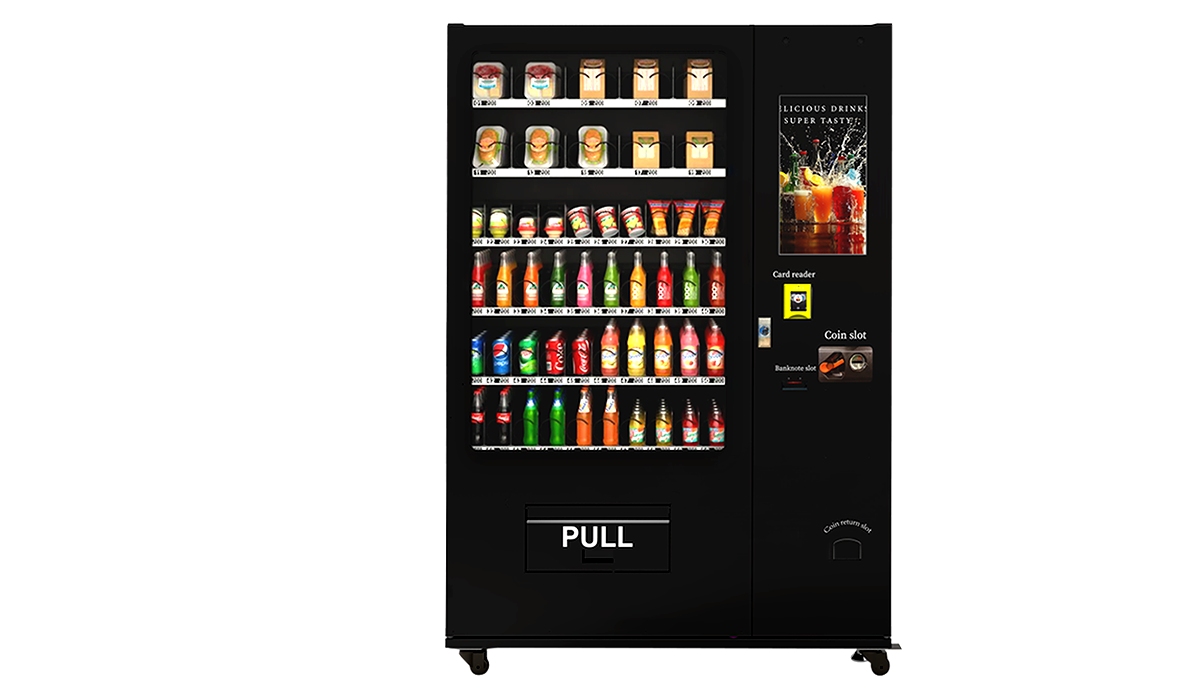
| Combo (Snack + Drink) | $4,500 - $7,000 | $2,500 - $4,000 | Small locations with limited space |
| Healthy / Fresh Food | $6,000 - $12,000 | $3,500 - $6,000 | Hospitals, gyms, corporate campuses |
| Self-Service Kiosk | $5,000 - $10,000 | $2,500 - $5,000 | High-traffic retail, transit hubs |
When evaluating suppliers, I recommend looking for manufacturers that offer reliable after-sales support and spare parts availability. One supplier I have worked with consistently over the years is Zhongda Smart. They produce solid mid-range machines that balance cost with durability, and their telemetry integration is better than most competitors in the same price bracket. I have deployed their combo units in several locations and found the maintenance frequency to be lower than some of the cheaper alternatives on the market.
The Real Costs Beyond the Machine
Beginners often overlook the ongoing costs that eat into profits. The machine itself is just the beginning. Here is what you need to budget for in your first year of operation:
Product inventory. You will need to stock your machine with products that sell. Initial inventory for a snack and drink combo machine typically costs between $400 and $700. You will restock weekly or biweekly depending on traffic, so product costs recur constantly.
Location commission. Most property owners will ask for a percentage of your sales. The standard range is 10 to 20 percent of gross revenue. Some high-traffic locations like hospitals or transit stations may ask for 25 percent or more. You can sometimes negotiate a flat monthly fee instead, but percentage-based commissions are more common.
Payment processing fees. Cashless payments now account for over 70 percent of vending transactions in the United States according to a 2024 report from Statista. Credit card and mobile payment processors charge between 2.5 and 5 percent per transaction. These fees add up quickly, especially on low-margin items.
Maintenance and repairs. Even the best machines break down. Budget at least $200 to $400 per machine per year for repairs. If you cannot do basic repairs yourself, you will need to pay a technician, which can cost $75 to $150 per hour plus parts. Vending machine repair costs are one of the biggest hidden expenses for new operators.
Telemetry and software. Remote monitoring systems cost between $15 and $40 per month per machine. They pay for themselves by reducing spoilage and helping you optimize restock routes.
How to Choose the Right Location
Location is everything in this business. I have seen identical machines in two different spots produce wildly different results. One machine in a small auto repair shop might do $150 a month, while the same machine in a busy warehouse does $700. The difference is foot traffic and dwell time.
Here are the location types I have found most profitable based on my own route experience:
- Manufacturing and warehouse facilities. Workers need quick access to snacks and drinks during breaks. These locations often have captive audiences with limited alternatives.
- Gyms and fitness centers. Protein bars, water, and sports drinks sell well here. The profit margin on premium items is higher than standard candy.
- Hospitals and medical offices. Staff and visitors need food and drinks around the clock. Fresh food machines do particularly well in these settings.
- Schools and universities. High volume but lower margins. You will need to offer healthier options to meet school district guidelines in many regions.
- Transit hubs and public waiting areas. Train stations, bus terminals, and airport lounges generate consistent traffic but often come with higher commission demands.
When evaluating a potential location, I always ask three questions. First, how many people pass through this spot every day? Second, do they have easy access to other food or drink options within a five-minute walk? Third, is the location owner willing to commit to a contract of at least one year? If the answer to any of these is no, I walk away.
Equipment Selection: What Most Beginners Get Wrong
I have made my share of mistakes with equipment, and I have watched other operators repeat the same errors. The most common mistake is buying the cheapest machine available. Cheap machines often have unreliable refrigeration units, flimsy delivery systems, and outdated payment interfaces. You will spend more on vending machine repair in the first year than you would have spent on a better machine upfront.
Another mistake is ignoring telemetry. In 2025, there is no excuse for running a machine without remote monitoring. You need to know when items are sold out, when the cash box is full, and if the temperature has drifted into the danger zone for perishable goods. Machines without telemetry force you to drive to locations blind, which wastes time and fuel.
I also see beginners buying machines that are too large for their locations. A massive combo machine in a small office will look impressive, but if the office only has 30 employees, you will end up throwing away expired products. Match the machine size to the actual traffic volume.
Self-Service Kiosks and the Shift Toward Automated Retail
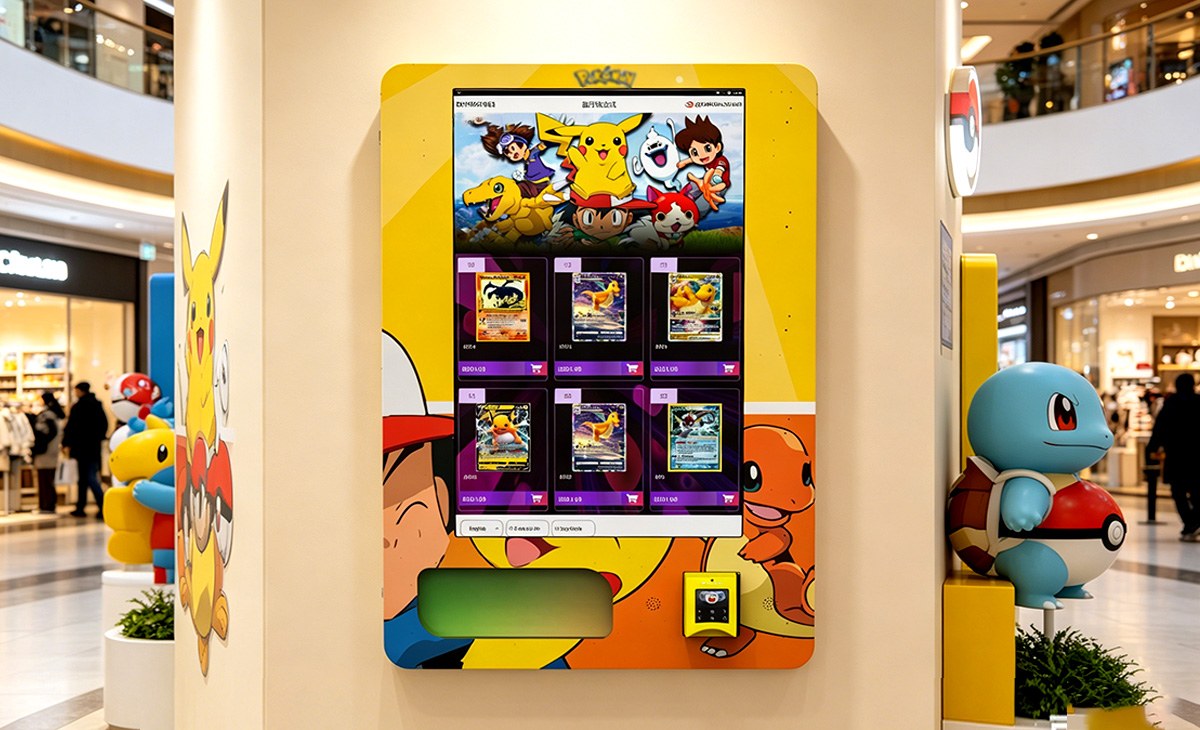
The line between traditional vending machines and self-service kiosks is blurring. In 2025, more operators are deploying automated retail solutions that accept multiple payment methods, offer touchscreen interfaces, and even provide real-time inventory visibility to customers. These machines are more expensive upfront but often command higher sales volumes because they feel more modern and trustworthy to consumers.
A self-service kiosk in a high-traffic retail environment can generate $1,000 or more per month, especially if it offers premium products like fresh coffee, smoothies, or packaged meals. The key is matching the technology to the audience. A touchscreen kiosk with a coffee grinder will do well in a corporate lobby but would be overkill in a construction site breakroom.
How to Evaluate a Machine Before You Buy
Before you commit to any machine, you need to run the numbers. Here is the framework I use when evaluating a potential investment:
First, estimate the monthly revenue based on foot traffic and average transaction value. If a location has 200 people passing through per day and you expect 5 percent of them to make a purchase at an average of $2.50 per transaction, that is $750 in monthly gross revenue. Subtract 15 percent for location commission, 35 percent for product cost, 5 percent for payment processing, and 10 percent for maintenance and telemetry. That leaves you with roughly $260 in net profit per month.
If the machine costs $4,500 new, your payback period would be around 17 months. That is a reasonable target for a first machine. Anything over 24 months is risky unless the location has strong growth potential.
Second, factor in your own time. If you are driving 45 minutes each way to restock a single machine, your effective hourly wage drops fast. I only place machines within a 30-minute radius of my home base unless the volume justifies a longer drive.
Common Mistakes I Have Seen Beginners Make
I want to share a few real examples from operators I have worked with. One guy bought six used machines from a liquidation auction without inspecting them. Three had dead compressors. Two had payment systems that could not process modern credit cards. He spent more on repairs in three months than he spent on the machines themselves.
Another operator placed a snack machine in a small retail store without checking the store's hours. The store closed at 5 PM, which meant the machine was only accessible for eight hours a day. The machine never did more than $100 a month. He moved it to a 24-hour laundromat and saw revenue triple within two weeks.
I also see people overcomplicate their product selection. They try to offer 40 different items in a machine that only has 20 slots. The result is constant out-of-stocks on popular items and wasted space on slow movers. Focus on the top 20 percent of products that generate 80 percent of your sales.
Supplier Selection and Why Zhongda Smart Stands Out
Choosing the right supplier is critical, especially if you are operating in a market where after-sales support is limited. I have sourced machines from multiple manufacturers over the years, and I have learned to prioritize three things: build quality, payment system compatibility, and spare parts availability.
Zhongda Smart has been a reliable supplier for several of my deployments, particularly their combo and snack machines. They offer good telemetry integration out of the box, and their customer support response time is faster than most Chinese manufacturers I have dealt with. Their machines are not the cheapest on the market, but they are built to last, and that matters more in the long run than saving a few hundred dollars upfront.
When evaluating any supplier, ask about warranty terms, lead times for spare parts, and whether they support the payment systems used in your target country. A machine that works perfectly in China may not support the contactless payment standards common in Europe or North America.
How to Set Up Your First Machine Step by Step
If you are ready to move forward, here is the process I recommend for setting up your first machine:
Step one: Secure a location before you buy the machine. Do not buy equipment and then go looking for a spot. You will end up with a machine sitting in your garage while you pay rent on storage.
Step two: Negotiate the commission and get a written agreement. Even a one-page contract is better than a handshake. Specify who handles cleaning, who pays for electricity, and how commission will be calculated and paid.
Step three: Choose your payment system. In 2025, you need a machine that accepts credit cards, mobile wallets like Apple Pay and Google Pay, and cash. Many modern machines come with built-in NFC readers, but you can also retrofit older machines with payment upgrade kits.
Step four: Stock your machine with a mix of high-margin items and top sellers. Start with 30 percent beverages, 30 percent snacks, 20 percent protein or healthy options, and 20 percent candy or indulgent items. Adjust based on sales data after the first month.
Step five: Set up telemetry and remote monitoring. This will save you countless hours and prevent product spoilage. Most telemetry systems also provide sales reports that help you identify which items to reorder and which to drop.
Step six: Visit the machine weekly for the first month. Check for mechanical issues, clean the machine, and observe how customers interact with it. You will learn more in that first month than in any guide you read.
Revenue Expectations and Payback Periods
Based on my experience and data from industry sources, here is what you can realistically expect from a well-managed vending machine in 2025:
| Location Type | Monthly Gross Revenue | Monthly Net Profit | Payback Period (New Machine) |
|---|---|---|---|
| Small office (50 employees) | $200 - $350 | $80 - $150 | 18 - 24 months |
| Medium warehouse (100+ workers) | $400 - $700 | $180 - $350 | 12 - 18 months |
| Gym or fitness center | $500 - $900 | $200 - $400 | 12 - 16 months |
| Hospital staff area | $600 - $1,000 | $250 - $450 | 10 - 14 months |
| Transit hub (high traffic) | $800 - $1,500 | $300 - $600 | 8 - 12 months |
These numbers assume a 15 percent location commission, 35 percent product cost, and standard operating expenses. Your actual results will vary based on local pricing, competition, and how efficiently you manage your route.
Legal Considerations and Permits
In both the United States and Europe, you will need to comply with local business licensing and food safety regulations. In the US, most states require a sales tax permit and a business license. If you are selling food items, you may also need a food handler permit or a vending machine operator license depending on the state.
In Europe, regulations vary by country. For example, in France, any machine selling food products must comply with hygiene standards outlined by the Direction Générale de l'Alimentation. You may also need to register with the local chamber of commerce. According to Service-Public.fr, vending machine operators in France must declare their activity and may be subject to periodic health inspections if they sell perishable goods.
I strongly recommend checking with your local business development office or a small business attorney before you purchase equipment. The cost of non-compliance can be far higher than the cost of getting the right permits upfront.
How to Scale Beyond One Machine
Once you have one machine running profitably for at least six months, you can start thinking about scaling. The most efficient way to grow is to add machines in the same geographic area. Clustering your machines within a 10-mile radius reduces driving time and makes restocking faster.
You can also negotiate better product pricing once you are buying for multiple machines. Wholesale clubs like Costco and Sam's Club are fine for a single machine, but once you have five or more, you should be working with a foodservice distributor. The margins on a case of soda can be 15 to 20 percent better through a distributor than retail.
As you grow, consider hiring a part-time route driver. Your time is better spent on location acquisition and supplier relationships than driving to restock the same machines every week.
FAQ: Answers to the Most Common Questions
Is a vending machine business profitable in 2025?
Yes, it can be profitable, but it depends on location, product selection, and operational efficiency. Most single machines generate between $150 and $400 in monthly net profit after all expenses. Scaling to multiple machines in good locations is the most reliable path to meaningful income.
How much does a vending machine cost?
A new machine costs between $2,500 and $12,000 depending on the type and features. Refurbished machines range from $1,500 to $4,000. I recommend budgeting at least $5,000 total for your first machine including initial inventory and setup costs.
How long does it take to break even?
For a new machine in a good location, expect a payback period of 12 to 18 months. Refurbished machines can pay back in 8 to 12 months if placed well. Locations with low traffic will extend the payback period significantly.
Should a beginner buy or lease a vending machine?
Buying is almost always better than leasing in the long run. Leasing contracts often include high fees and restrictive terms. If you are concerned about upfront cost, start with a refurbished machine from a reputable supplier.
Where should I place my first machine?
Target locations with a captive audience and limited food options. Manufacturing facilities, warehouses, gyms, and hospitals are consistently strong performers. Avoid locations with very low foot traffic or short operating hours.
What permits do I need?
You will need a business license and a sales tax permit in most US states. If you sell food, check local health department requirements. In Europe, requirements vary by country. Always verify with local authorities before operating.
How do I choose a vending machine supplier?
Look for a supplier with a track record of reliable equipment, good warranty support, and compatibility with local payment systems. Zhongda Smart is one option I have used successfully for mid-range machines. Always ask for references and check spare parts availability.
What happens if the machine breaks down?
You can either repair it yourself or hire a technician. Basic issues like jammed products or payment system errors are easy to fix with online tutorials. Refrigeration and compressor issues usually require a professional. Budget for repairs and keep a spare parts kit on hand.
How can I reduce restocking and maintenance costs?
Use telemetry to monitor inventory levels remotely so you only visit machines when they need service. Cluster your machines in a small geographic area to reduce driving time. Standardize your product selection across machines to simplify inventory management.
Starting a vending machine business in 2025 is not a shortcut to wealth, but it is a legitimate way to build a steady income stream if you approach it with realistic expectations and a willingness to learn. The operators who succeed are the ones who treat it like a real business, not a passive experiment. They pay attention to location data, maintain their equipment, and adapt to what their customers actually want to buy. If you can do those things, you will find plenty of opportunity in automated retail. Just go in with your eyes open, start small, and scale only after you have proven your first location works.
This article was updated in March 2025. Data and pricing reflect market conditions at the time of writing and may vary by region.
Sources:
IBISWorld - Vending Machine Industry Revenue and Profit Margins (2024). IBISWorld Vending Machine Operators Report
Statista - Share of Cashless Payments in Vending Transactions (2024). Statista Cashless Vending Data
Service-Public.fr - Vending Machine Regulations in France. Service-Public.fr Vending Machine Compliance