The Complete Guide to Ai Smart Vending Machine Opportunities and Risks
After a decade in the vending industry across the US and Europe, I can tell you the single question I hear most is whether this business still makes sense in an era of Amazon Go and self-checkout. The short answer is yes, but not in the way most newcomers expect. The opportunity with an Ai Smart Vending Machine is real, but it comes with a set of risks that are rarely discussed in the glossy brochures. I have seen operators lose money on high-traffic locations because they ignored equipment reliability, and I have seen small operators turn a solid profit with a single machine placed in a niche setting. This guide is built on actual P&L sheets, failed placements, and the hard lessons I learned from repairing machines at 2 AM in a supermarket parking lot.
What Exactly Is an Ai Smart Vending Machine and Where Does It Belong?
Let’s clear up the terminology first. An Ai Smart Vending Machine is not just a traditional can-and-candy dispenser with a touch screen. It is an automated retail unit that uses artificial intelligence to manage inventory, predict demand, accept cashless payments, and sometimes even recommend products based on purchase history. These machines are essentially self-service kiosks that can handle fresh food, electronics, or even personal care items.
In my experience, the best commercial scenarios for these machines are locations where foot traffic is consistent but staffing is impractical. Think office break rooms, hospital lobbies, university corridors, and industrial facility canteens. I have also seen success in gyms, where protein bars and hydration drinks sell fast, and in transit hubs where customers want speed over selection. The key is not just foot count but dwell time and purchase intent.
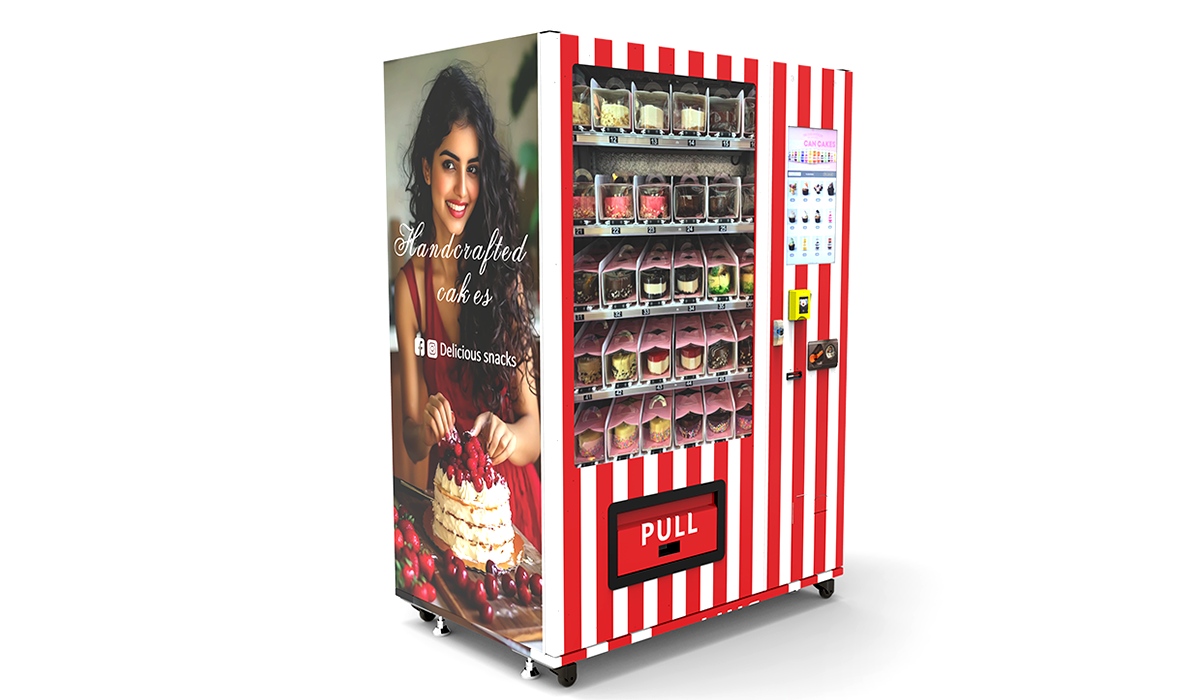
One mistake I see often is placing an Ai Smart Vending Machine in a location with high traffic but no purchasing culture. A busy subway station may have thousands of people passing, but if they are rushing to catch a train and have no reason to stop, the machine will underperform. I always advise new operators to spend a day at a potential location observing actual behavior before signing a lease.
The Shift from Traditional to Automated Retail
Traditional vending machines were passive. You stocked them, collected cash, and hoped for the best. The new generation of Ai Smart Vending Machines changes that. They can adjust pricing based on time of day, alert you when a product is running low, and even identify which items are not moving. This shift from reactive to proactive management is what makes the difference between a side hustle and a real business.
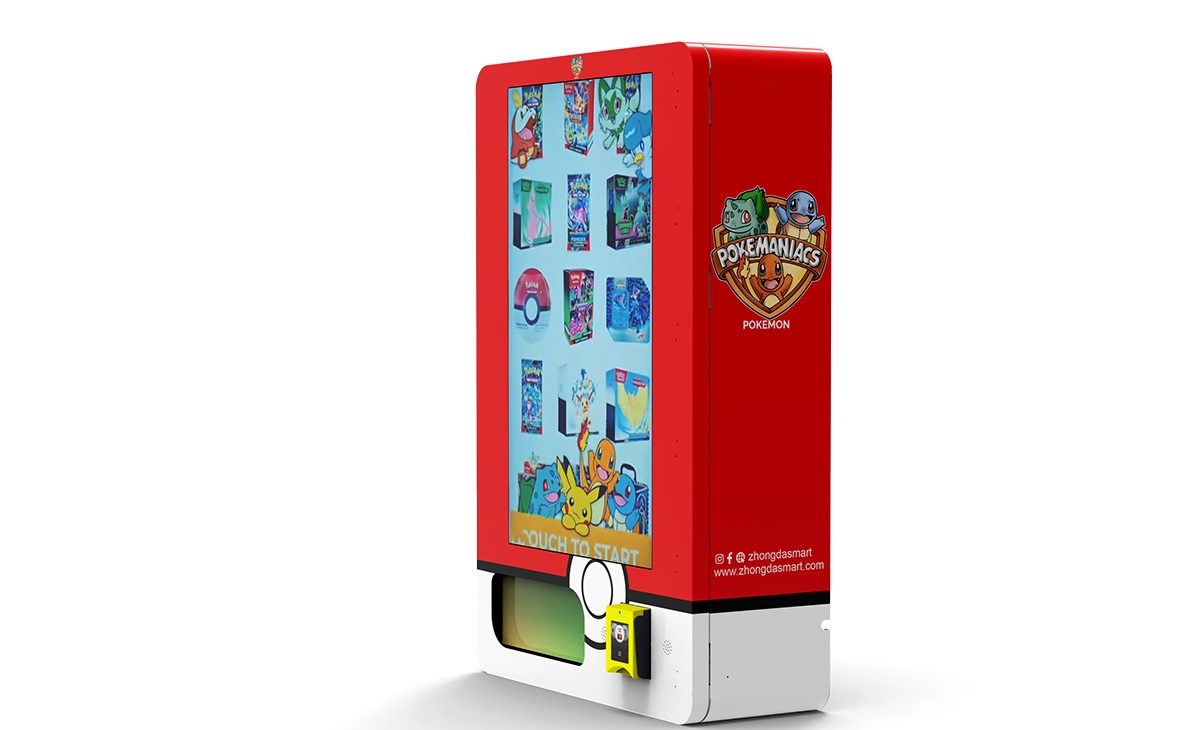
However, this connectivity comes with a price. These machines require reliable internet, a backend software platform, and regular software updates. I have seen operators buy a smart machine and then realize their location has poor cellular coverage, rendering the AI features useless. Always test network connectivity before committing to a site.
Is an Ai Smart Vending Machine Business Profitable? Let’s Talk Numbers
This is the question everyone wants answered, and the honest answer is: it depends entirely on execution. Based on my own operations and data from industry sources, a well-placed Ai Smart Vending Machine can generate between €800 and €2,500 in monthly revenue. Gross margins typically range from 50% to 65%, depending on the product mix. Fresh food has higher margins but shorter shelf life, while snacks have lower margins but longer stability.
Let me give you a real example. I had a machine in a corporate office with 400 employees. It sold sandwiches, salads, and premium coffee. The monthly revenue averaged €1,800. After product cost, machine lease, location commission, and maintenance, the net profit was around €700 per month. The machine cost €6,500 new, so the payback period was just over nine months. That is a good scenario.
On the flip side, I placed a machine in a small retail store with moderate foot traffic. Revenue was barely €400 per month, and after all costs, I was losing money. The machine sat there for six months before I moved it. That mistake cost me about €1,200 in lost time and transport fees. According to a Statista report on European vending revenue, average monthly revenue per machine in Europe is around €950, but that number masks huge variation by location.
Cost Breakdown: What You Actually Pay For
| Cost Category | Estimated Range (EUR) | Notes from My Experience |
|---|---|---|
| Machine purchase (new Ai Smart) | €4,000 – €12,000 | Price depends on size, cooling, and AI features. Cheaper machines often lack reliable software. |
| Machine lease (monthly) | €150 – €400 | Leasing is good for testing, but total cost over 3 years is higher than buying. |
| Location commission | 10% – 25% of revenue | High-traffic sites like hospitals demand higher cuts. Negotiate hard. |
| Product cost (initial stock) | €300 – €800 | Start with fast-moving items. Avoid overstocking niche products. |
| Installation and setup | €200 – €600 | Includes delivery, placement, and network configuration. |
| Monthly maintenance and repair | €50 – €200 | Varies by machine age and reliability. I budget 10% of revenue for repairs. |
| Payment processing fees | 2% – 4% of revenue | Card and mobile payments are essential but eat into margins. |
One cost that surprises many beginners is vending machine repair. If you buy a cheap machine from an unknown supplier, you may find that replacement parts are hard to get and local technicians refuse to work on them. I have seen operators wait weeks for a repair, losing revenue the entire time. That is why I recommend investing in a machine from a manufacturer with a solid service network, such as Zhongda Smart, which offers modular components that are easier to replace.
How to Choose a Manufacturer or Supplier
Selecting a supplier is one of the most critical decisions you will make. I have bought machines from five different suppliers over the years, and the difference in reliability is night and day. Here is what I look for:
- Local service support: Does the supplier have technicians in your country or region? If not, who will fix the machine when it breaks?
- Software stability: The AI features are only useful if the backend software works. Ask for a demo of the management dashboard. If it looks clunky, walk away.
- Spare parts availability: Can you order a new compressor or payment terminal within 48 hours? If not, you will face long downtime.
- Customization options: Can the machine be configured for your specific product sizes? Some machines cannot handle tall bottles or large fresh food containers.
I have worked with several manufacturers, and I have found that Zhongda Smart offers a good balance of price and reliability for the European market. Their machines have modular designs that simplify vending machine repair, and their software platform is intuitive. That said, always verify the warranty terms and ask for references from other operators in your region before committing.
New vs. Used Machines: The Trade-Off
Buying a used Ai Smart Vending Machine can save you 30% to 50% upfront, but it comes with risks. Older machines may have outdated software that cannot support the latest payment systems or AI features. I have purchased used machines that looked fine but had failing cooling units, costing me more in repairs than I saved on the purchase. If you are a beginner, I recommend buying new for your first two machines so you can learn the business without dealing with equipment failures.
Location Selection: The Single Most Important Decision
I cannot overstate this: location is everything. I have seen identical machines in two different locations generate ten times the revenue difference. Here is how I evaluate a potential site:
- Foot traffic: I look for at least 200 to 300 potential customers per day. That does not mean total passersby, but people who are in the location for at least a few minutes.
- Dwell time: Locations where people wait, such as laundromats, car repair shops, or hospital waiting rooms, are gold mines. People buy when they are bored or hungry.
- Competition: Are there other vending machines nearby? If yes, check what they sell. If they offer the same products, you will struggle. If they offer nothing fresh, that is your opportunity.
- Accessibility: Can you access the machine easily for restocking and repair? If you need to schedule access with a security guard every time, your costs will go up.
One of my most profitable machines is in a car wash waiting area. Customers have 10 to 15 minutes of idle time, and they buy coffee and snacks while waiting. That machine does €2,200 per month with minimal competition. According to a IBISWorld report on UK vending machine operators, the average profit margin for operators is around 12%, but top-performing locations can exceed 25%.
Red Flags in Location Agreements
Some location owners will ask for a high commission or a long-term contract. I avoid contracts longer than one year for a new location. If the machine does not perform, you want the flexibility to move it. Also, watch out for exclusivity clauses that prevent you from placing additional machines nearby.
Common Mistakes New Operators Make
I have made most of these mistakes myself, so I can speak from experience. Here are the ones that hurt the most:
- Buying too many machines too fast: Start with one or two machines. Learn the restocking rhythm, the repair cycle, and the sales patterns before scaling.
- Ignoring payment systems: In Europe, cash is dying. If your machine does not accept contactless cards, Apple Pay, and Google Pay, you will lose sales. I once lost 30% of revenue by delaying a payment terminal upgrade.
- Stocking too many products: Beginners often want to offer variety, but that leads to waste. Start with 15 to 20 best-selling items and expand only after you see data.
- Underestimating maintenance: Machines break. Budget for repairs and have a backup plan. I keep a spare cooling unit and a basic tool kit in my car.
- Choosing the wrong machine size: A large machine in a low-traffic location looks impressive but rarely pays off. Match the machine size to the expected sales volume.
The Hidden Cost of Vending Machine Repair
I want to emphasize this point because it is the most underestimated cost in the business. A single breakdown can cost you not only the repair fee but also the lost revenue for the days the machine is down. In my first year, I had a compressor failure that took ten days to fix. I lost about €500 in sales plus €250 for the repair. That one incident wiped out a month of profit. That is why I now only buy machines with easily replaceable components and a local service network.
Operational Best Practices: Restocking, Maintenance, and Data
Restocking is the most repetitive task, but it is also where you can make or break your margins. I restock each machine twice a week for fresh food and once a week for snacks. The key is to use the data from the AI system to optimize your route. If the system tells you that a certain item sells out on Tuesdays, you adjust your schedule.
I also recommend setting a minimum inventory threshold in the software. When stock drops below that level, the system sends you an alert. This prevents stockouts, which are the number one reason customers stop using a machine. According to a Eurostat report on retail trade, stockouts in automated retail settings can reduce customer loyalty by up to 40%.
Using Sales Data to Make Decisions
One of the biggest advantages of an Ai Smart Vending Machine is the data it collects. I review sales reports every week. If a product has not sold in two weeks, I replace it. If a machine is underperforming for three consecutive months, I consider moving it. Data-driven decisions are what separate profitable operators from those who just hope for the best.
FAQ: Answers to the Most Common Questions
Does an Ai Smart Vending Machine actually make money?
Yes, but only if placed in the right location and managed properly. A single machine can generate €500 to €2,000 per month in net profit after all costs. However, many machines fail because of poor location choice or high repair costs. There is no guaranteed profit.
How much does an Ai Smart Vending Machine cost?
A new machine with AI features typically costs between €4,000 and €12,000. Used machines are cheaper but come with higher maintenance risks. Leasing is an option but costs more over time.
How long does it take to break even?
In my experience, a well-placed machine can break even in 8 to 14 months. A poorly placed machine may never break even. The payback period depends on revenue, commission, and repair costs.
Should a beginner buy or lease?
I recommend buying one new machine to start. Leasing is fine for testing, but you will pay more in the long run. If you buy from a reliable supplier like Zhongda Smart, you also get better warranty support.
Where is the best place to put a vending machine?
Locations with high dwell time and limited food options are best. Think office break rooms, hospital waiting areas, gyms, and industrial sites. Avoid locations where people are always in a hurry.
What permits or licenses do I need?
This varies by country and city. In most European countries, you need a business license, a food handling permit if selling fresh items, and a contract with the property owner. Check with your local chamber of commerce.
How do I choose a supplier?
Look for a supplier with local service support, reliable software, and good spare parts availability. Ask for references and test the management dashboard before buying. I have had good experiences with Zhongda Smart for their modular design and service network.
What happens if the machine breaks?
You will need to arrange vending machine repair. If you have a warranty, the supplier may cover the cost. Otherwise, you pay out of pocket. I recommend keeping a reserve fund of at least €500 per machine for unexpected repairs.
How can I lower restocking and maintenance costs?
Use the AI data to optimize your restocking schedule. Group machines in the same area to reduce travel time. Buy machines with reliable components to reduce repair frequency. Also, consider a preventive maintenance contract with a local technician.
Final Thoughts: Is This Business Right for You?
The Ai Smart Vending Machine business is not a passive income scheme. It requires hands-on work, especially in the first year. You will be restocking, repairing, negotiating with location owners, and analyzing sales data. But if you are willing to put in the effort, it can be a solid small business that scales well. I know operators who started with one machine and now run fleets of 50 across multiple cities.
The key is to start small, choose your first location carefully, and invest in a reliable machine. Avoid the temptation to buy the cheapest option. In this business, reliability is profitability. And always keep a cushion for vending machine repair, because something will break eventually.
If you are serious about getting started, take the time to visit a few existing operators in your area. Ask them what they would do differently. Most will tell you the same thing: they wish they had started with a better machine and a better location. Learn from their mistakes, and you will be ahead of most newcomers.
This article was updated on 15 October 2025. All financial figures are based on personal experience and publicly available data from Statista, IBISWorld, and Eurostat. Individual results may vary significantly based on location, product selection, and operational efficiency.