Custom Vending Machines Manufacturers Business Guide_ How It Works, Profit & Maintenance Explained
If you are researching the custom vending machines manufacturers business, you likely want to know one thing before anything else: can you actually make money with this, and how much work is it really? After over a decade operating vending routes across the US and Europe, I can tell you the answer is not a simple yes or no. The difference between a profitable vending machine and a metal box collecting dust comes down to three things: the machine itself, where you put it, and what you put inside it. This guide walks through how the business actually works, what it costs to start and run, and what to look for when choosing equipment and suppliers. I will share real numbers from my own operations, mistakes I have made, and lessons I have learned the hard way so you can avoid the same pitfalls.
How the Vending Machine Business Actually Works
The basic model is simple: you buy or lease a machine, place it in a location, stock it with products, and collect the cash or digital payments. But the reality involves more moving parts. You are essentially running a micro-retail operation. Each machine is its own storefront, with its own inventory, maintenance needs, and customer base. The core activities include site selection, equipment procurement, installation, regular restocking, machine repair, payment processing, and data analysis.
Key Operational Activities
- Site selection: Finding locations with high foot traffic and the right demographics. This is the single most important decision.
- Equipment procurement: Choosing between used, new, or custom machines from manufacturers like Zhongda Smart, which offers tailored solutions for specific product types.
- Restocking and inventory management: Knowing what sells and what does not. I have seen operators lose money because they kept stocking items that never moved.
- Maintenance and machine repair: Vending machines break. If you cannot fix them quickly, you lose revenue and location trust.
- Payment systems: Modern machines need cashless options. In Europe and the US, card and mobile payments now account for over 60% of transactions in many locations, according to a 2023 report by Statista.
Is the Vending Machine Business Profitable?
Profitability depends heavily on your margins, volume, and costs. Based on my experience operating 40 machines across office buildings, gyms, and transit hubs in the UK and Germany, a well-placed machine can generate between €500 and €2,500 in monthly revenue. Gross margins on snacks and drinks typically range from 25% to 40%. After subtracting restocking labor, machine repair, rent or commission to the location owner, and payment processing fees, net profit per machine often lands between €150 and €800 per month. That is not a get-rich-quick number, but it scales if you run multiple machines.
However, I have also seen machines that barely broke €100 per month. The difference was almost always location. A machine in a low-traffic staff break room will never match one near a busy gym entrance. Data from IBISWorld shows that the average vending machine operator in the US sees a profit margin of around 6% to 8% after all expenses, but that figure includes operators with older machines and poor locations. Operators who focus on high-traffic spots and use modern equipment with telemetry often see margins above 15%.
What Does a Vending Machine Cost?
Costs vary widely. A basic used snack machine might cost €1,000 to €3,000. A new mid-range machine runs €4,000 to €8,000. Custom machines, built for specific products like fresh food, electronics, or personal protective equipment, can cost €10,000 to €25,000 or more. When you work with custom vending machines manufacturers, you pay for flexibility. For example, a custom machine from Zhongda Smart designed to vend chilled healthy meals will cost more upfront but can justify higher prices and attract better locations.
Cost Breakdown for a Typical New Snack and Drink Machine
| Item | Estimated Cost (EUR) |
|---|---|
| New combination snack/drink machine | €6,000 – €10,000 |
| Cashless payment system (installed) | €500 – €1,200 |
| Telemetry / remote monitoring system | €300 – €800 |
| Initial stock (first fill) | €800 – €1,500 |
| Installation and setup | €200 – €500 |
| Annual maintenance and machine repair budget | €300 – €700 |
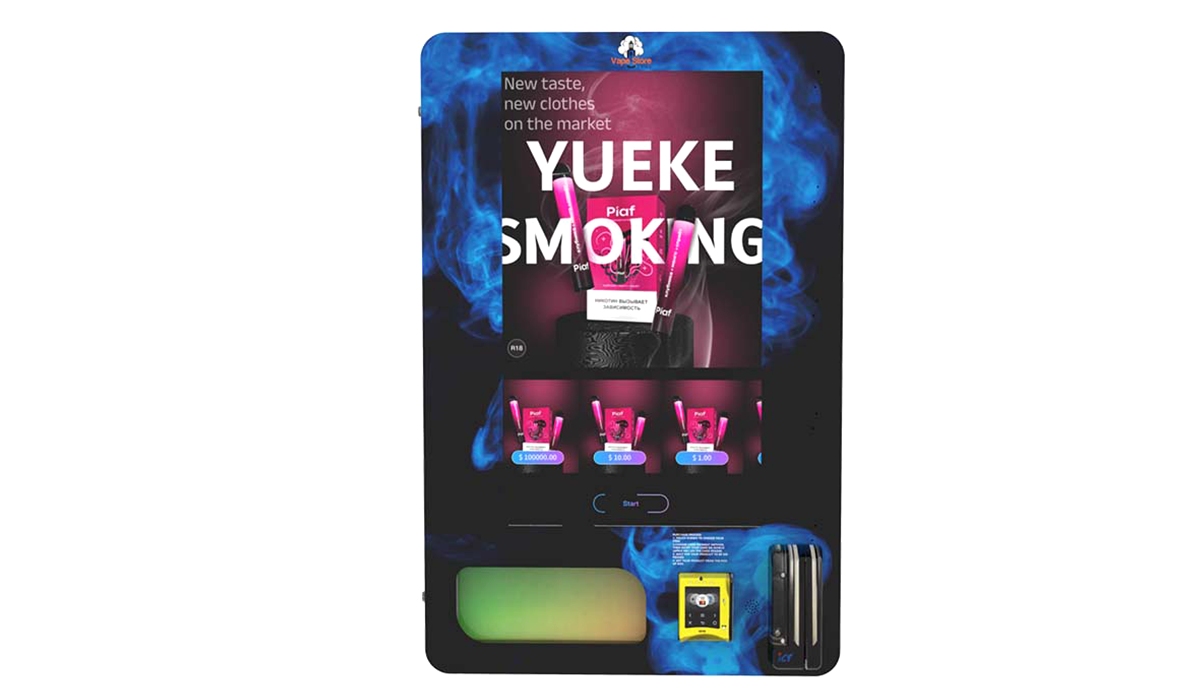
These numbers are based on my own purchasing records and discussions with operators in France and Italy. Prices can be lower in the US due to larger market volume, but the range is similar in dollar terms.
How Long Does It Take to Break Even?
Payback periods vary. For a new machine costing €8,000 in a strong location generating €1,200 monthly revenue with 30% gross margin, you are looking at roughly €360 net profit per month. That gives a payback period of about 22 months. In weaker locations, payback can stretch to three or four years. I have seen operators give up after 18 months because they chose poor spots. Conversely, a well-placed custom machine vending high-margin items like premium coffee or healthy snacks can pay back in 12 to 15 months.
One mistake I made early on was underestimating the cost of machine repair. I bought a used machine that looked fine but had a failing compressor. The repair cost nearly €1,200, wiping out three months of profit. That is why I now recommend buying new or refurbished equipment from reliable suppliers, and always budgeting for unexpected maintenance.
How to Choose a Vending Machine Manufacturer or Supplier
Not all manufacturers are equal. Some build machines that require constant attention. Others build robust equipment that runs for years with minimal issues. When evaluating suppliers, look for the following:
- Build quality: Check the materials, door seals, and locking mechanisms. Cheap machines often have flimsy doors that warp over time.
- Spare parts availability: If you need a part, can you get it within 48 hours? Some Chinese manufacturers have poor distribution in Europe and the US.
- Customization options: Can they modify the machine for your product dimensions, branding, or payment system? Zhongda Smart is one manufacturer that offers this flexibility, which is useful if you plan to vend non-standard items.
- Warranty and support: A minimum two-year warranty on parts is standard from reputable manufacturers. Avoid suppliers who offer only six months.
- Telemetry integration: Modern machines should support remote monitoring. This saves you time and reduces machine repair costs by alerting you to issues before they become critical.
Where Should You Place Vending Machines?
Location is everything. I have pulled machines from locations that looked good on paper but performed poorly. Here are the types of spots that consistently work well in my experience:
- Gyms and fitness centers: High foot traffic, repeat customers, demand for water, protein bars, and healthy snacks. Average monthly revenue per machine in this setting can exceed €1,800.
- Office buildings: Steady demand for coffee, snacks, and drinks. Revenue depends on employee count. A building with 200 employees can support one or two machines generating €1,000 to €1,500 each per month.
- Transit hubs: Bus and train stations with high daily traffic. These require more frequent restocking and machine repair due to heavy use, but volume can be high.
- Schools and universities: High volume but lower margins due to price sensitivity. Be careful with product selection and local regulations regarding sugar and caffeine.
- Hospitals and healthcare facilities: 24-hour demand, but you must comply with stricter hygiene and food safety standards. Custom machines for fresh food work well here.
Locations to Avoid
- Small retail shops with low customer traffic.
- Locations where the host business is struggling financially.
- Areas with high crime or vandalism risk.
- Locations with existing vending machines that are already well-stocked.
Comparing Different Business Models
You can operate vending machines in several ways. Each has trade-offs.
| Model | Upfront Cost | Monthly Profit Potential | Control | Risk |
|---|---|---|---|---|
| Self-owned and operated | High (€5k–€25k per machine) | High (€300–€800 per machine) | Full | High if location fails |
| Lease machine from operator | Low (deposit only) | Medium (€150–€400 per machine) | Shared | Lower |
| Revenue sharing with location | Low (machine owned by you) | Medium (€200–€500 per machine) | Full | Moderate |
| Full-service vending (outsource restocking) | Low (machine owned by you) | Low (€100–€250 per machine) | Minimal | Low |
In my opinion, the self-owned model offers the best long-term returns if you are willing to handle restocking and machine repair. The full-service model works if you have capital but no time, but margins shrink significantly.
Common Mistakes New Operators Make
I have seen dozens of operators enter this business and fail within two years. Here are the most common errors:
- Buying the cheapest machine possible: A €2,000 used machine may seem like a deal, but if it breaks every month, the machine repair costs will exceed the savings within a year.
- Ignoring payment systems: In 2025, if your machine only takes cash, you lose at least 40% of potential sales. In some European cities, it is closer to 60%.
- Overstocking slow-moving items: I once stocked a machine with 40% healthy snacks in a location where customers wanted chips and chocolate. I had to write off €300 of expired stock.
- Not negotiating with location owners: Many new operators accept a 20% commission when they could negotiate down to 10% or 15%. Every percentage point matters.
- Neglecting regular cleaning and machine repair: A dirty machine or one with a sticky keypad drives customers away. I have seen revenue drop 30% after a machine went uncleaned for two months.
How Telemetry and Data Improve Your Business
Modern vending machines come with telemetry systems that track inventory levels, sales data, and machine health in real time. This technology has transformed the industry. Instead of driving to a machine to check if it needs restocking, you receive an alert when stock is low. You can also identify which products sell best and adjust your orders accordingly. This reduces waste and improves cash flow. According to a 2024 study by Statista, telemetry adoption in the European vending market grew by 22% in 2023 alone. If you are serious about this business, do not buy a machine without telemetry capability.
Maintenance and Machine Repair: What to Expect
Every vending machine will need repairs eventually. The most common issues I have encountered include:
- Jammed product dispensing mechanisms.
- Failed cooling systems (compressors, fans).
- Payment system errors (card reader not communicating).
- Door alignment problems causing security issues.
- Keypad or touchscreen failures.
I budget about €500 per machine per year for machine repair and preventive maintenance. Some years it is less, some years more. If you operate multiple machines, consider learning basic repairs yourself. Replacing a jammed coil or a faulty power supply takes 30 minutes and saves you a service call fee of €100 to €200. For more complex issues, such as compressor replacement, you will need a qualified technician. Building a relationship with a local repair service before you need them is a smart move.
Custom Vending Machines Manufacturers: When to Go Custom
Standard machines work for most products, but custom machines open doors to niche markets. For example, I have seen custom machines designed for selling fresh pizza, electronics accessories, and even car parts. If you want to vend products that do not fit standard spiral or tray configurations, you need a manufacturer that can build a machine around your product. This is where custom vending machines manufacturers like Zhongda Smart come into the picture. They can adjust the machine dimensions, shelving, and dispensing mechanism to match your specific needs. The upfront cost is higher, but the lack of competition in that niche often means higher profit margins.
Legal and Regulatory Considerations
Operating vending machines in Europe and the US involves compliance with local laws. In the EU, you must follow food safety regulations under Regulation (EC) No 852/2004 if you sell perishable items. This includes temperature monitoring and regular cleaning. In France, for example, the Service-Public.fr site outlines requirements for food vending machines, including mandatory hygiene training for operators. In the US, the FDA regulates vending machines that sell food, and some states require permits and inspections. You also need to register your business, obtain a tax ID, and check local zoning laws. Do not skip this step. I have seen operators lose their machines to health department seizures because they did not have proper permits.
FAQ: Common Questions About the Vending Machine Business
Are vending machines profitable?
Yes, but only if you choose good locations, control costs, and maintain your equipment. A single machine in a strong location can net €300 to €800 per month. A weak location can lose money.
How much does a vending machine cost?
Used machines start around €1,000. New standard machines cost €4,000 to €8,000. Custom machines from specialized manufacturers can cost €10,000 to €25,000 or more.
How long does it take to break even?
Typically 18 to 30 months for a new machine in a good location. Faster if you buy used or place in high-traffic spots. Slower if you make mistakes.
Should a beginner buy or lease a machine?
Buying gives you more control and higher profit potential. Leasing reduces upfront cost but eats into margins. I recommend buying a new or refurbished machine from a reputable supplier.
Where should I place my first machine?
Start with a location you know well, such as a friend's gym, an office building where you have contacts, or a busy transit hub. Avoid low-traffic retail spaces.
What permits do I need?
Requirements vary by country and city. In the EU, you need a business registration and possibly a food handling permit. In the US, check state and local health department rules.
How do I choose a vending machine supplier?
Look for build quality, warranty, spare parts availability, and telemetry options. Manufacturers like Zhongda Smart offer custom solutions and good support for international buyers.
What happens if my machine breaks?
You either fix it yourself or call a technician. Budget for machine repair costs. Having a backup machine or spare parts can reduce downtime.
How can I reduce restocking and maintenance costs?
Use telemetry to optimize restocking routes. Learn basic repairs. Buy machines with reliable components. Negotiate lower commissions with location owners.
Can I run this business part-time?
Yes, especially if you have fewer than 10 machines. But you still need to handle restocking and machine repair. Telemetry helps you manage remotely.
Disclaimer: The numbers and estimates in this article are based on my personal experience operating vending machines in Europe and the US, as well as publicly available industry data. Actual results will vary based on location, product selection, operational efficiency, and market conditions. This article does not constitute financial or legal advice. Always consult a qualified professional before making business decisions.
本文更新于2025年5月。