Best Mobile Vending Machines in 2026_ Ultimate Guide, Costs, and Buying Tips
If you are looking into the Best Mobile Vending Machines in 2026, you are likely trying to figure out whether this business model actually works or if it is just another trend that fades out after a year. After spending over a decade placing, breaking, fixing, and moving vending machines across the United States and parts of Western Europe, I can tell you one thing straight: mobile vending machines are not a gimmick. They are a legitimate, profitable channel for automated retail, but only if you understand the real costs, the right locations, and the hidden maintenance traps. This guide is built on actual field experience, not on marketing brochures. I will walk you through what to buy, where to put it, what it will cost, and how to avoid the mistakes that kill margins in the first six months.
What Exactly Is a Mobile Vending Machine?
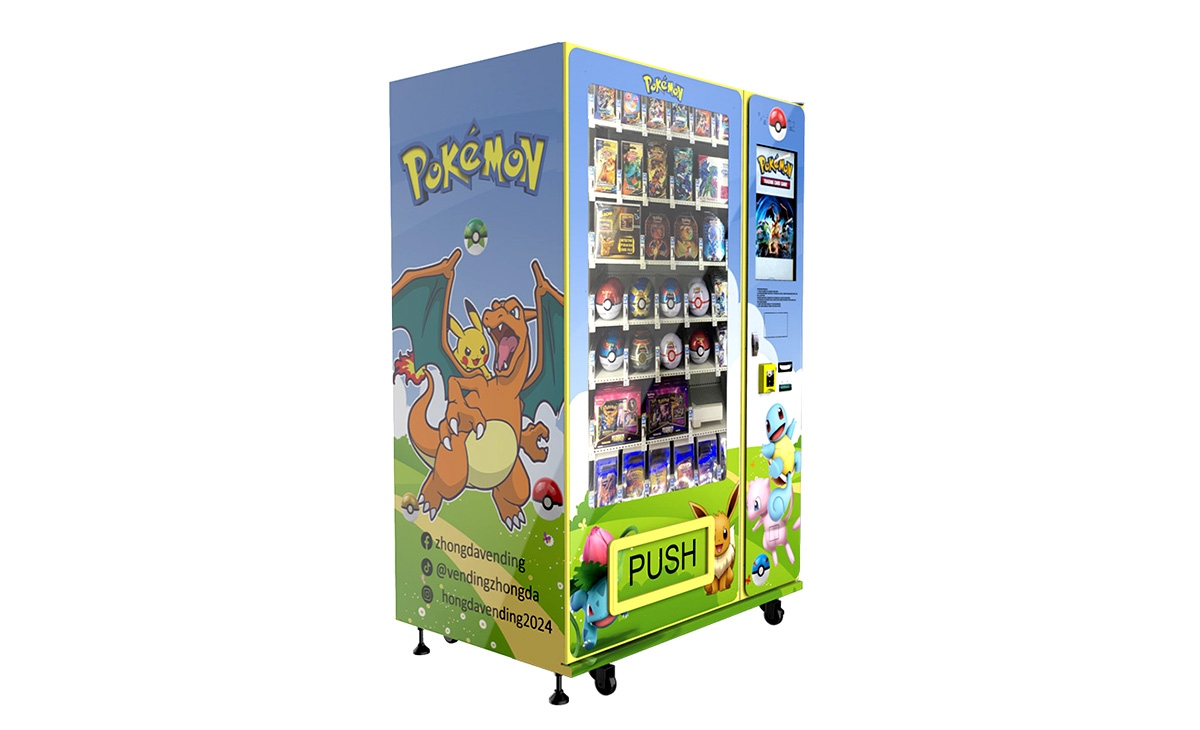
When people hear "mobile vending machine," they often picture a food truck with a glass front. That is not what I am talking about. A mobile vending machine is a self-contained, battery-powered or solar-ready automated retail unit that can be moved between locations without permanent installation. Unlike traditional vending machines bolted to a concrete floor, these units are designed for temporary or rotating placements.
Think of a busy weekend farmers market, a pop-up event, a construction site that changes every few months, or a seasonal beach boardwalk. A mobile vending machine lets you follow the traffic without being locked into a lease. Some units are compact enough to fit in the back of a standard van. Others are built on trailers with wheels, resembling a small kiosk on the move.
In the European market, you will also hear terms like borne en libre-service or machine en libre-service used for these units, especially in France and Belgium. The concept is the same: a self-service kiosk that can operate independently from fixed power grids or permanent infrastructure.
Why Mobile Vending Machines Are Gaining Traction in 2026
The shift toward mobile vending is driven by three factors: flexibility, lower real estate costs, and changing consumer habits. Traditional vending relies on long-term contracts with property owners. If a location underperforms, you are stuck paying rent or eating the loss on the machine. Mobile units let you test a spot for a weekend or a month, then move if the numbers do not work.
According to a 2025 report from IBISWorld, the vending machine industry in the United States alone generated over $8.2 billion in revenue, with mobile and micro-market segments growing at nearly 11% annually. That growth is not coming from traditional soda and candy machines. It is coming from operators who are placing smart, connected machines in non-traditional spaces.
Another major driver is the rise of cashless payments. In 2023, Statista reported that over 73% of vending machine transactions in Europe were cashless. Mobile machines, which often rely on cellular connectivity and digital payment terminals, are perfectly positioned for this trend. If your machine cannot accept credit cards, Apple Pay, or Google Wallet, you are leaving money on the table.
Key Considerations Before Buying a Mobile Vending Machine
Power and Connectivity
This is where most new operators slip up. A mobile vending machine still needs power. Some units come with built-in lithium batteries that can run for 12 to 18 hours on a single charge. Others rely on solar panels mounted on the roof. If you plan to place a machine in a location without any power source, battery capacity becomes your most critical spec.
I have seen operators buy a machine with a small 50Ah battery, put it at a busy park, and have it shut down by 3 PM because the refrigeration unit drained the power faster than expected. Always check the amp-hour rating of the battery and the power draw of the compressor. If the manufacturer does not provide real-world runtime data, ask for it. Better yet, ask for a referral from someone who has used that model in a similar environment.
Connectivity is equally important. Most modern machines use 4G LTE modems to process payments and send inventory alerts. If you are placing a machine in a rural area or a basement-level location, test the cellular signal first. A machine that cannot communicate with the payment processor is a machine that cannot sell anything.
Refrigeration and Temperature Control
If you plan to sell perishable items like sandwiches, salads, or dairy products, you need a machine with reliable refrigeration. Not all mobile units are built for this. Some are designed only for shelf-stable items like chips, candy, or bottled water. Check the temperature range of the unit and whether it uses a compressor-based cooling system or a thermoelectric system.
Compressor-based systems are more expensive but far more reliable in hot weather. Thermoelectric systems are cheaper and quieter, but they struggle when ambient temperatures exceed 85°F (30°C). In my experience, if you are operating in Southern Europe or the southern United States during summer, thermoelectric cooling will fail you. I have lost entire inventory loads because a thermoelectric unit could not keep up with a heatwave.
Security and Theft Prevention
Mobile vending machines are more vulnerable to theft than fixed installations because they are often left unattended in open areas. Look for machines with tamper-resistant locks, reinforced doors, and GPS tracking. Some manufacturers now offer remote monitoring that alerts you if the machine is tilted, shaken, or opened outside of normal hours.
I once had a machine stolen from a construction site in Texas. The thief backed a pickup truck to the machine, lifted it, and drove away. That machine did not have GPS. Now I will not place a mobile unit anywhere without a GPS tracker. The cost of the tracker is around $50 per year per machine. The cost of replacing a stolen machine is thousands.
Cost Breakdown: What You Are Really Paying For
Let me give you a realistic cost picture based on what I have seen across dozens of deployments. These numbers are estimates from actual operations, not manufacturer suggested retail prices.
| Machine Type | Initial Cost (USD) | Monthly Revenue Range | Gross Margin | Typical Payback Period |
|---|---|---|---|---|
| Basic snack & drink mobile unit (non-refrigerated) | $3,000 – $5,500 | $600 – $1,200 | 25% – 35% | 8 – 14 months |
| Refrigerated mobile unit (battery + solar ready) | $6,500 – $12,000 | $1,200 – $2,800 | 30% – 45% | 10 – 18 months |
| Trailer-mounted mobile kiosk (full self-service) | $12,000 – $25,000 | $2,500 – $5,000 | 35% – 50% | 12 – 24 months |
These figures assume you are buying new equipment. Used machines can cut the initial investment by 30% to 50%, but they often come with higher maintenance costs. I have bought used machines that looked fine on the outside but had corroded wiring, failing compressors, or outdated payment systems that could not be upgraded. Sometimes a cheap machine ends up costing more than a new one within the first year.
Operating Costs You Cannot Ignore
The purchase price is only the beginning. Here are the recurring costs that will determine whether your mobile vending business is profitable or just a hobby.
Inventory and Spoilage
For a refrigerated mobile unit, spoilage is the single biggest variable cost. If you overstock perishable items and the machine does not sell them fast enough, you eat the loss. I recommend starting with a 70/30 split: 70% shelf-stable items and 30% refrigerated items. Once you understand the sales velocity at a specific location, you can adjust the ratio.
Average inventory cost per refill for a mid-sized mobile machine is between $150 and $400, depending on the product mix. Most operators refill every 5 to 7 days for high-traffic locations, and every 10 to 14 days for lower-traffic spots.
Payment Processing Fees
Cashless payments are convenient, but they come at a cost. Processing fees typically range from 2.5% to 4% per transaction. Some mobile payment providers charge a flat monthly fee plus a per-transaction fee. Over a year, these fees can eat up 5% to 8% of your gross revenue. Negotiate with your payment processor. If you have more than 10 machines, you can usually get a lower rate.
Maintenance and Repairs
This is the area where new operators underestimate costs the most. A mobile vending machine has moving parts: motors, compressors, fans, payment readers, and sometimes robotic dispensing arms. Something will break. Plan for at least $300 to $600 per machine per year in maintenance and vending machine repair costs. If you operate in a region with extreme temperatures, budget higher.
I keep a small inventory of spare parts for the machines I operate: a spare payment terminal, a spare compressor fan, and a spare door lock. Having these on hand reduces downtime from weeks to hours. Every day a machine is down, you are losing revenue and potentially damaging your relationship with the location host.
How to Choose a Manufacturer or Supplier
Not all vending machine manufacturers are equal. Some sell machines that look great in a showroom but fail within months in real-world conditions. Here is what I look for when evaluating a supplier.
Build Quality and Component Sourcing
Ask about the brand of the compressor, the payment terminal, and the control board. If the manufacturer uses off-brand components, you will struggle to find replacement parts. I prefer machines that use standard, widely available components. That way, I am not locked into a single supplier for repairs.
One manufacturer that has consistently delivered reliable mobile vending units in my experience is Zhongda Smart. Their machines use industrial-grade compressors, modular payment systems, and battery configurations that actually match their advertised specs. I have placed their units in both hot and cold climates, and the failure rate has been significantly lower than some of the cheaper alternatives on the market. If you are evaluating suppliers, put them on your shortlist and ask for a demo unit to test before committing to a bulk order.
Warranty and Support
A good manufacturer stands behind their product. Look for a minimum one-year warranty on parts and labor. Some manufacturers offer extended warranties for an additional cost. If you are buying from overseas, ask about local service partners. A machine that requires shipping back to the factory for repairs is a machine that will sit idle for weeks.
Software and Remote Management
Modern vending machines are only as good as their software. You need a platform that lets you see real-time inventory, sales data, and machine status from your phone or computer. Some manufacturers provide their own software. Others integrate with third-party platforms like Cantaloupe or Nayax. Make sure the software is compatible with your workflow before you buy.
Best Locations for Mobile Vending Machines
Location is everything. I have seen the same machine generate $3,000 per month in one spot and $200 per month in another spot only two miles away. Here are the location types that consistently perform well for mobile vending.
Construction Sites
Construction workers are a captive audience. They need cold drinks, snacks, and often hot coffee. Mobile vending machines work well here because construction sites are temporary. You can move the machine to the next site when the project ends. The key is to get permission from the site manager and to refill frequently. A machine that runs out of water on a 95-degree day will lose trust fast.
Farmers Markets and Flea Markets
These are high-traffic weekend locations where a mobile vending machine can operate alongside traditional vendors. The advantage is that you do not need to staff the machine. It runs itself. I have placed machines at farmers markets selling bottled water, fresh fruit cups, and granola bars. The margins are good, and the traffic is consistent during market hours.
Parks and Recreation Areas
Public parks, sports fields, and trailheads are excellent locations if you can secure a permit. Many municipalities are open to mobile vending because it provides a service without requiring permanent construction. The challenge is power. If there is no electrical outlet nearby, you will need a machine with a large battery or solar capability.
Event Venues and Festivals
Concerts, fairs, and sporting events attract large crowds that are willing to pay premium prices for convenience. A mobile vending machine placed near the entrance or in a high-traffic corridor can generate significant revenue in a single day. The downside is that event-based placements are seasonal and unpredictable. Use them as a supplement to more stable locations, not as your primary revenue source.
Common Mistakes New Operators Make
I have made most of these mistakes myself, so I can tell you about them from experience.
Buying the Cheapest Machine
The lowest-priced mobile vending machine is almost never the best value. Cheap machines often have undersized batteries, weak cooling systems, and flimsy locks. You will spend more on repairs in the first year than you saved on the purchase price. Buy quality once, or buy cheap twice.
Ignoring Location Permits
In many European cities, placing a mobile vending machine on public property requires a permit from the local municipality. In France, for example, you may need a déclaration préalable or a temporary occupation permit. Failing to get the proper paperwork can result in fines and confiscation of your machine. Check with the local mairie or city council before you place anything.
Overloading the Machine
New operators tend to fill every slot with product, thinking more options mean more sales. In reality, too many choices can overwhelm buyers and slow down transactions. Start with a curated selection of 15 to 20 best-selling items. Add new products based on sales data, not guesses.
Neglecting Data
If your machine has remote monitoring, use it. Check the sales data weekly. If a product has not sold in two weeks, replace it. If a location consistently underperforms, move the machine. Gut feelings are not reliable. Data is reliable.
How to Evaluate Whether a Machine Is Worth Investing In
Before you buy any mobile vending machine, run this simple calculation. Estimate the monthly revenue based on foot traffic at your target location. Multiply that by your expected gross margin. Subtract your operating costs: inventory, payment fees, maintenance, and any location fees or commissions. The result is your monthly net profit.
Divide the total cost of the machine (including taxes, shipping, and setup) by the monthly net profit. That gives you the payback period in months. If the payback period is longer than 18 months, the investment is risky unless you have a very stable location with long-term potential.
For example, if a machine costs $8,000 and you expect a net profit of $500 per month, the payback period is 16 months. That is borderline acceptable. If the net profit is only $300 per month, the payback period stretches to 27 months, which is too long for most operators.
FAQ: Mobile Vending Machines
Are mobile vending machines profitable?
Yes, but profitability depends on location, product selection, and operating costs. A well-placed machine in a high-traffic area can generate $1,500 to $3,000 per month in revenue with gross margins between 30% and 50%. Poor locations will lose money. Always test a location before committing to a long-term placement.
How much does a mobile vending machine cost?
A basic non-refrigerated mobile unit costs between $3,000 and $5,500. A refrigerated unit with battery and solar capability costs between $6,500 and $12,000. Trailer-mounted mobile kiosks range from $12,000 to $25,000. Prices vary by manufacturer, features, and region.
How long does it take to recoup the investment?
Typical payback periods range from 8 to 24 months, depending on the machine cost, location performance, and operating expenses. Higher-traffic locations with low spoilage rates yield faster payback.
Should I buy or lease a mobile vending machine?
Buying is better if you have the capital and plan to operate for more than two years. Leasing can be useful for testing the market, but the monthly payments eat into your margins. I recommend buying a single machine first, proving the concept, then scaling.
Where should I place a mobile vending machine?
High-traffic areas with captive audiences work best: construction sites, farmers markets, parks, sports fields, event venues, and office parks. Avoid locations with low foot traffic or existing vending competition unless you offer a unique product.
What permits do I need?
Requirements vary by city and country. In the United States, you may need a business license, a sales tax permit, and a location-specific agreement. In Europe, check with the local municipality for temporary occupation permits or vending licenses. Never place a machine without confirming the legal requirements.
How do I choose a supplier?
Look for a manufacturer with a track record of reliability, good warranty terms, and accessible spare parts. Ask for references from other operators. Test a demo unit if possible. I have had good results with Zhongda Smart for mobile units, but always do your own due diligence.
What happens when the machine breaks down?
Have a plan for vending machine repair before you buy. Identify a local technician who can service your machine model. Keep spare parts on hand for common failures. Remote monitoring can alert you to problems before they escalate.
How can I reduce maintenance costs?
Buy a quality machine from a reputable manufacturer. Perform regular cleaning and inspections. Keep the machine in a shaded area if possible to reduce cooling system strain. Use surge protectors for the electrical components.
Final Thoughts from a Decade in the Business
Mobile vending machines are not a shortcut to easy money. They require work, planning, and a willingness to learn from mistakes. But for operators who take the time to understand the numbers, choose the right equipment, and test locations methodically, they offer a flexible and scalable business model that traditional vending cannot match.
Start small. Buy one machine. Learn the rhythm of refilling, maintaining, and analyzing sales. Once you have a machine that consistently generates a positive return, replicate the process. That is how you build a profitable automated retail operation, one location at a time.
This article was updated in January 2026. Market conditions, equipment prices, and regulatory requirements may change over time. Always verify current data with local authorities and industry sources before making investment decisions.