How to Choose the Right Vending Machine For Sale New Orleans_ Complete Beginner's Guide
If you are searching for a vending machine for sale New Orleans, you are likely trying to figure out whether this business actually makes money, how much you need to invest upfront, and where you should place the machine to see a return. I have been in the automated retail space for over a decade, and I have seen people succeed and fail in this city more times than I can count. The truth is that New Orleans offers unique opportunities because of its tourism, hospitality industry, and event culture, but it also comes with specific challenges like humidity, foot traffic patterns, and seasonal fluctuations. In this guide, I will walk you through everything I have learned from real operations, not theory, so you can decide if a vending machine for sale New Orleans is the right move for you and how to avoid the costly mistakes that sink most beginners.
Understanding the Vending Machine Business in New Orleans
Before you start looking at equipment listings, you need to understand what the vending machine business actually looks like in a city like New Orleans. This is not the same as running machines in a suburban office park or a strip mall in the Midwest. The local economy here runs on tourism, conventions, hospitality, and a thriving nightlife scene. That means your potential locations are different, your product mix needs to be adjusted, and your maintenance schedule has to account for higher usage during peak seasons like Mardi Gras, Jazz Fest, and the holiday season.
I have operated machines in hotels on Canal Street, in warehouses near the industrial corridor, and in break rooms for hospitality staff. Each location type behaves differently. A hotel lobby machine might do well with premium snacks and cold drinks, while a machine in a warehouse needs more heavy-duty options and higher capacity. The key is matching the machine type to the location, not the other way around. Many beginners buy a machine first and then try to find a spot for it, which almost always leads to poor performance.
What Makes New Orleans Different for Vending
New Orleans has a few specific factors that affect vending machine operations. First, the humidity and heat can cause issues with electronics and product quality. Chocolate melts, chips go stale faster, and card readers can malfunction if they get too hot. You need machines with good ventilation and possibly even cooling systems that are rated for warmer climates. Second, foot traffic is highly seasonal. A location that does great in February might be dead in August. You need to account for this in your revenue projections. Third, the city has a mix of cash and card users. While many tourists use credit cards, some local spots still see significant cash transactions, especially in areas with less tourist traffic.
How Much Does a Vending Machine Cost in New Orleans
One of the first questions people ask is about pricing. The cost of a vending machine for sale New Orleans varies widely depending on the type, condition, and features. Based on my experience and industry data, here is a realistic breakdown of what you can expect to pay.
| Machine Type | New Price Range | Used Price Range | Typical Lifespan |
|---|---|---|---|
| Snack vending machine | $3,000 – $6,000 | $1,500 – $3,500 | 10–15 years |
| Cold drink vending machine | $4,000 – $8,000 | $2,000 – $4,500 | 10–15 years |
| Combo snack and drink machine | $6,000 – $12,000 | $3,000 – $6,000 | 8–12 years |
| Specialty machine (coffee, frozen, fresh food) | $8,000 – $20,000 | $4,000 – $10,000 | 8–12 years |
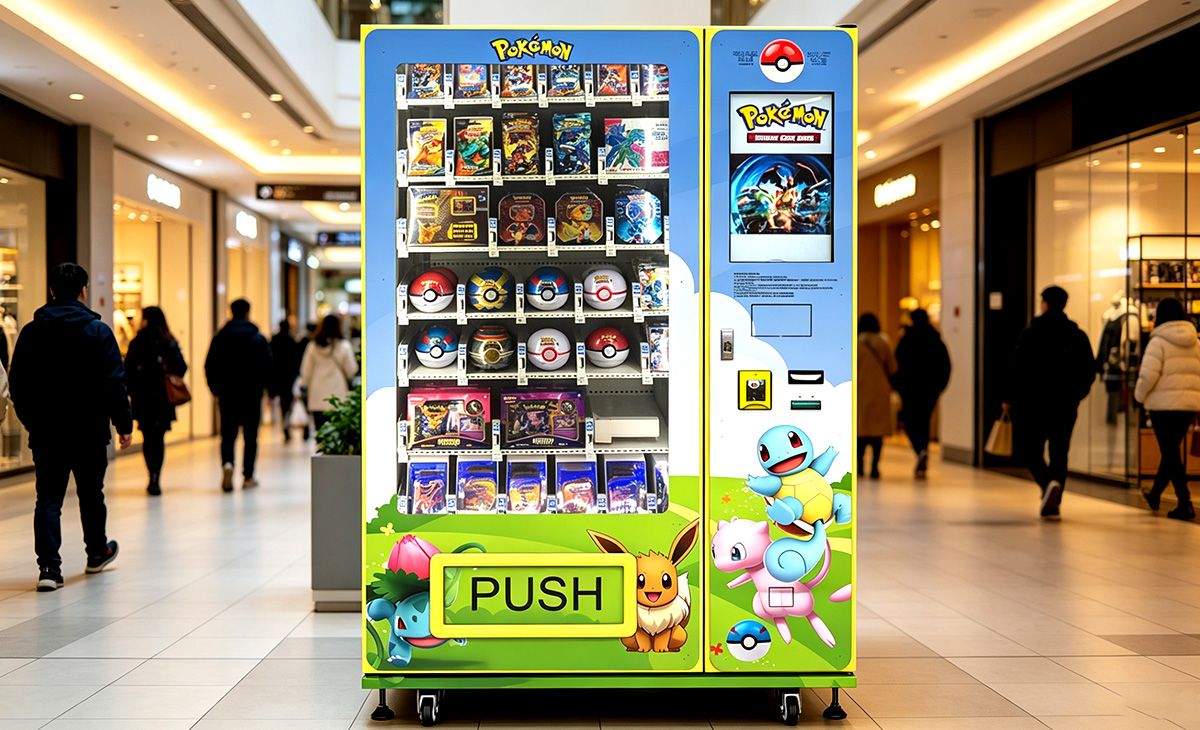
These prices do not include installation, sales tax, or initial inventory. You should budget an additional 10–15% on top of the machine cost for these expenses. Also, keep in mind that used machines often require repairs within the first year. I have seen people buy a used machine for $2,000 and then spend another $1,500 fixing the refrigeration unit or replacing the payment system. Sometimes buying a new machine from a reliable manufacturer like Zhongda Smart can save you money in the long run because you get a warranty and modern features like cashless payment and remote monitoring.
Evaluating a Vending Machine for Sale New Orleans
When you find a vending machine for sale New Orleans, whether from a local dealer, a classified ad, or a manufacturer, you need to evaluate it carefully. I have developed a checklist over the years that helps me avoid bad deals. Here is what I look at every time.
Condition of the Refrigeration System
The refrigeration unit is the most expensive component to repair. If the machine is not cooling properly, you are looking at a repair bill of $500 to $1,200. Ask the seller when the compressor was last serviced and whether the condenser coils have been cleaned. A machine that has been sitting in a humid warehouse may have rust or corrosion on the coils.
Payment System Compatibility
In 2025, you need a machine that accepts credit cards, debit cards, and mobile payments. Many older machines only take cash, and retrofitting them with a card reader can cost $300 to $600. Check whether the machine already has a modern payment system or if it needs an upgrade. Some manufacturers like Zhongda Smart include cashless payment as a standard option, which saves you the hassle of retrofitting.
Machine Size and Weight
New Orleans has many older buildings with narrow doorways and tight hallways. Make sure the machine can physically fit into your intended location. I have seen people buy a full-size combo machine only to realize it does not fit through the door of a warehouse break room. Measure the path from the delivery truck to the final spot before you commit.
Remote Monitoring Capability
Modern machines with telemetry allow you to see sales data, inventory levels, and error alerts from your phone. This feature alone can save you hours of driving time each week. If the machine does not have it, factor in the cost of adding a telemetry kit later. According to a report by Statista, the adoption of cashless payment in vending machines has increased by over 40% in the last five years, and machines without this feature are becoming harder to place in high-traffic locations.
Where to Place Your Vending Machine in New Orleans
Location is everything in this business. I have seen the same machine model generate $200 per month in one spot and $2,000 per month in another. The difference is entirely about foot traffic, demographics, and need. Here are the types of locations I have successfully used in New Orleans.
Hotels and Hospitality
New Orleans has a massive hospitality industry. Hotels on Canal Street, in the French Quarter, and near the Convention Center are prime spots. Guests often want a late-night snack or a drink without going to a convenience store. The key is to place the machine in a visible, accessible area like the lobby or near the elevators. Some hotels will let you place a machine for free if you offer a revenue share, while others charge a flat monthly fee. I have seen monthly fees range from $50 to $300 depending on the hotel size and foot traffic.
Office Buildings and Business Parks
Office buildings in the Central Business District and along Poydras Street have steady weekday traffic. The challenge here is that weekends are dead. You need to calculate whether the weekday revenue is enough to justify the machine. In my experience, a well-placed snack and drink machine in an office building with 200+ employees can generate $800 to $1,500 per month.
Warehouses and Industrial Facilities
Industrial areas like the Port of New Orleans and the warehouses near Michoud have workers who need quick access to food and drinks. These locations often have fewer options nearby, so a vending machine can be very profitable. However, the product mix needs to include heartier items like sandwiches, protein bars, and larger drinks. I have seen machines in these locations do $1,200 to $2,000 per month during peak seasons.
Tourist Attractions and Event Venues
Places like the French Market, City Park, and the Superdome area see massive foot traffic during events. The downside is that these locations are often seasonal and may require a permit or lease agreement with the city. If you can secure a spot near a popular attraction, you can do well, but be prepared for slower months.
Operating Costs and Profit Margins
Many beginners underestimate the ongoing costs of running a vending machine. It is not just about buying the machine and filling it with products. You have to account for restocking labor, product spoilage, card processing fees, machine repairs, and location fees. Based on my operations, here is a realistic breakdown of costs and margins.
| Expense Category | Typical Monthly Cost (per machine) | Notes |
|---|---|---|
| Product cost (COGS) | $200 – $600 | Depends on sales volume and product mix |
| Location fee or revenue share | $50 – $300 | Varies by location type and negotiation |
| Card processing fees | $20 – $80 | 2.5% to 3.5% of card transactions |
| Restocking labor | $100 – $300 | If you do it yourself, this is your time cost |
| Maintenance and repairs | $30 – $100 | Average over the year; higher in first year for used machines |
| Electricity | $20 – $50 | Depends on machine type and local rates |
Gross profit margins on vending machine products typically range from 30% to 50% depending on what you sell. Snacks and candy have higher margins, while cold drinks have lower margins but higher volume. A well-run machine with $1,000 in monthly sales might net you $300 to $500 after all expenses. According to the IBISWorld vending machine operators industry report, the average profit margin for vending operators in the US is around 6–8% of revenue, but that includes larger operators with multiple employees. As a small operator doing your own restocking, you can achieve much higher margins.
How to Choose a Supplier or Manufacturer
When you are looking for a vending machine for sale New Orleans, the supplier you choose matters a lot. I have bought machines from local dealers, online marketplaces, and directly from manufacturers. Here is what I have learned about selecting a reliable source.
Look for Warranty and Support
A good manufacturer stands behind their equipment. I recommend looking for a supplier that offers at least a one-year warranty on parts and labor. Some manufacturers like Zhongda Smart provide longer warranties on key components like the compressor and payment system. If you are buying from a local dealer, ask who handles repairs and whether they have a service technician in the New Orleans area.
Check for Cashless Payment Options
As I mentioned earlier, cashless payment is no longer optional. Make sure the machine comes with a credit card reader that supports NFC and mobile wallets. Some older machines can be retrofitted, but it is easier and cheaper to get it built-in from the start.
Consider Refurbished vs. New
Refurbished machines can be a good deal if they come from a reputable dealer who replaces worn parts and tests the machine thoroughly. However, I have seen too many beginners buy a cheap used machine only to spend more on repairs than they saved. If you are new, I recommend buying a new machine from a trusted manufacturer. The upfront cost is higher, but the reliability and modern features will save you money over the first two years.
Evaluate the Machine's Build Quality
Not all machines are built the same. Look for machines with heavy-duty steel cabinets, commercial-grade refrigeration, and easy-to-use interfaces. Cheaper machines may save you money upfront but will cost you in downtime and repairs. I have used machines from Zhongda Smart in several locations and found their build quality to be consistent with what you would expect from a mid-range to high-end commercial vending machine.
Common Mistakes Beginners Make
I have made most of these mistakes myself, and I have watched others make them too. If you avoid these, you will save a lot of money and frustration.
Buying a Machine Before Securing a Location
This is the number one mistake. People get excited about the idea of owning a vending machine, buy one, and then struggle to find a place to put it. Always secure your location first, or at least have a strong lead, before you purchase the equipment.
Ignoring the Product Mix
What sells in a hotel lobby is different from what sells in a warehouse. I have seen machines full of healthy snacks in a location where workers want candy and chips. Pay attention to what people are buying and adjust your inventory accordingly. Use the sales data from your machine to make decisions, not your personal preferences.
Underestimating Maintenance
Vending machines break. It is a fact of the business. If you are not handy with tools, you need to have a reliable repair technician on call. In New Orleans, I have used local HVAC technicians who also work on vending machine refrigeration. Build this cost into your budget.
Neglecting the Payment System
I have seen operators lose 30% of their potential sales because their machine only took cash. In a city with as many tourists as New Orleans, you need to accept credit cards. Upgrade your payment system before you place the machine, not after you notice sales are low.
Failing to Track Sales Data
If you are not tracking what sells and when, you are flying blind. Modern machines with telemetry make this easy. If your machine does not have it, keep a manual log of what you restock and how fast it sells. This data will tell you when to change products, when to adjust pricing, and whether a location is worth keeping.
How to Calculate Your Return on Investment
Every beginner wants to know how long it takes to get their money back. The answer depends on your machine cost, location, and operating efficiency. Here is a realistic example based on a typical scenario I have seen in New Orleans.
Assume you buy a new combo snack and drink machine for $8,000. You place it in a hotel lobby with moderate foot traffic. Your monthly sales average $1,200. Your product cost is $480 (40% of sales), location fee is $150, card processing fees are $40, electricity is $30, and you do your own restocking. Your monthly net profit is about $500. At that rate, your payback period is 16 months. If the machine lasts 10 years, you will make a solid return on your investment.
If you buy a used machine for $3,500 and place it in a high-traffic office building, your payback could be as short as 8 to 10 months. But if the used machine needs repairs, your payback could stretch to 18 months or more. The key is to be conservative in your projections and have a cushion for unexpected expenses.
Frequently Asked Questions
Is a vending machine business profitable in New Orleans?
Yes, it can be profitable if you choose the right location and manage your costs. The tourism and hospitality industry in New Orleans provides steady foot traffic, but you need to account for seasonal fluctuations. Many operators I know earn between $300 and $800 per machine per month after expenses.
How much does a vending machine cost in New Orleans?
A new snack or drink machine typically costs between $3,000 and $8,000. Used machines range from $1,500 to $4,500. Specialty machines like coffee or fresh food machines can cost up to $20,000. Prices vary based on features like cashless payment and remote monitoring.
How long does it take to break even on a vending machine?
With a good location and efficient operations, most operators break even within 12 to 18 months. Some do it in 8 to 10 months if the machine is placed in a high-traffic spot and the machine was purchased used or at a good price.
Should a beginner buy or lease a vending machine?
Buying is usually better for long-term profitability. Leasing can work if you want to test the business with lower upfront cost, but you will pay more over time. If you buy from a reliable manufacturer like Zhongda Smart, you get a machine that will last for years and can be resold if you decide to exit the business.
Where are the best places to put a vending machine in New Orleans?
Hotels, office buildings, warehouses, and tourist attractions are the most reliable locations. Look for places with steady foot traffic, limited food options nearby, and a captive audience. Avoid locations that are only busy during special events unless you can move the machine easily.
What permits do I need for a vending machine in New Orleans?
You need a business license from the City of New Orleans and a sales tax permit from the Louisiana Department of Revenue. Some locations may require additional permits, especially if the machine is on public property. Check with the city's Bureau of Revenue for specific requirements.
How do I choose a vending machine supplier?
Look for a supplier with good warranty coverage, cashless payment options, and a reputation for reliable equipment. I recommend checking reviews and asking for references. Manufacturers like Zhongda Smart offer new machines with modern features and solid support.
What happens if my vending machine breaks down?
You need a plan for repairs. If you are handy, you can fix many issues yourself. Otherwise, find a local technician who specializes in vending machine repair. Keep a list of common spare parts like coin changers, card readers, and refrigeration components so you can minimize downtime.
How can I reduce restocking and maintenance costs?
Use a machine with remote monitoring so you only visit when it actually needs restocking. Choose a location close to your home or workplace to reduce travel time. Buy products in bulk to lower your cost per unit. And keep your machine clean and well-maintained to prevent costly breakdowns.
Final Thoughts on Starting Your Vending Machine Business
Starting a vending machine business in New Orleans is a realistic opportunity if you approach it with the right mindset. It is not a get-rich-quick scheme, but it can provide a steady income stream if you are willing to put in the work. Focus on finding good locations, buying reliable equipment, and tracking your sales data. Avoid the common mistakes I mentioned, and you will have a much better chance of success. If you are looking for a vending machine for sale New Orleans, take your time, evaluate your options, and choose a machine that fits your specific needs. The market here has room for new operators, but only those who treat it as a real business rather than a side project.
This article was updated on June 2025. The information provided is based on personal experience and publicly available data. Results vary based on location, machine type, and operational efficiency. Always verify local regulations and consult with a business advisor before making an investment.