Best Ai Vending Machine_ Prices, Profit Potential, and Setup Guide for Beginners
If you're looking into the best AI vending machine for your next business move, let me save you some time: the technology has shifted from simple snack dispensers to intelligent, data-driven retail units that can dramatically improve your margins and reduce labor. Over the past decade, I've placed hundreds of machines across the US and Europe, and I've seen the difference between a smart investment and a money pit. The "best" machine isn't just about the hardware—it's about the software, payment systems, and the location it serves. In this guide, I'll walk you through real costs, realistic profit potential, and a step-by-step setup process for beginners, based on my own experience and industry data.
What Is a Modern AI Vending Machine and Why It Matters
Traditional vending machines were simple mechanical devices. You put in coins, you got a candy bar. Today's AI vending machine is a different beast entirely. It's an automated retail kiosk equipped with cameras, weight sensors, and cloud-based software that tracks inventory in real time. Some models even use facial recognition to recommend products based on age or gender, though that's still a niche feature in most Western markets.
What really matters for a beginner is the shift from "guess and restock" to "data-driven replenishment." You no longer have to drive to a location to see what's sold out. The machine sends you a report. If you're running a self-service kiosk in a busy office building, this means you can optimize your product mix based on actual sales data, not gut feeling.
I've seen operators lose thousands because they kept stocking items that never sold, simply because they didn't have the data. An AI vending machine solves that problem. It's not a gimmick—it's a tool that changes the economics of the business.
Is an AI Vending Machine Business Profitable?
Let's cut to the chase. Yes, it can be profitable, but not every machine will print money. Based on my experience and data from IBISWorld, the average vending machine in the US generates between $200 and $400 per month in revenue. But that's the average—which includes poorly placed machines. A well-placed AI vending machine in a high-traffic location can easily do $1,000 to $2,500 per month.
Profit margins vary by product. Snacks and drinks typically have a 25% to 40% gross margin after cost of goods sold. Fresh food items like sandwiches or salads have lower margins but higher volume potential. The real profit comes from efficiency. With an AI machine, you reduce waste because you only stock what sells. You also save on labor because you don't need to visit as often.
According to a report from Statista, the global vending machine market is projected to grow at a CAGR of 7.5% through 2028. The automated retail segment is expanding, and AI-driven machines are a big part of that growth. But don't take that as a guarantee. Your success depends on location, product selection, and operational discipline.
Real Costs: What You Need to Invest
I'll give you the numbers based on what I've paid and seen in the market. These are real figures from 2023 and 2024, not theoretical ranges.
| Type of Machine | Initial Cost (New) | Monthly Revenue Potential | Typical Margin | Estimated Payback Period |
|---|---|---|---|---|
| Basic Snack & Drink Combo | $3,000 – $5,000 | $300 – $800 | 30% – 40% | 12 – 18 months |
| AI-Powered Smart Machine | $6,000 – $12,000 | $800 – $2,500 | 35% – 45% | 10 – 16 months |
| Fresh Food / Refrigerated Kiosk | $8,000 – $15,000 | $1,000 – $3,000 | 20% – 35% | 14 – 24 months |
| Fully Automated Retail Store (Micro-market) | $15,000 – $30,000 | $3,000 – $8,000 | 25% – 40% | 12 – 20 months |
These are estimates from my own operations. A machine that costs $8,000 and does $1,500 per month with a 40% margin gives you $600 gross profit per month. That's a payback of about 13 months before expenses like rent, electricity, and credit card fees. If you're paying 10% of revenue as location commission, that drops your net profit significantly.
One thing beginners often overlook is the cost of a vending machine repair. An AI machine has more components—cameras, sensors, touchscreens—and when something breaks, it's not a simple fix. I've seen repair bills of $300 to $800 for a single service call. That's why choosing a reliable manufacturer matters.
How to Choose a Vending Machine Supplier
I've worked with half a dozen suppliers over the years, and I've learned that the cheapest machine is often the most expensive in the long run. When evaluating a supplier, look at three things: build quality, software ecosystem, and after-sales support.
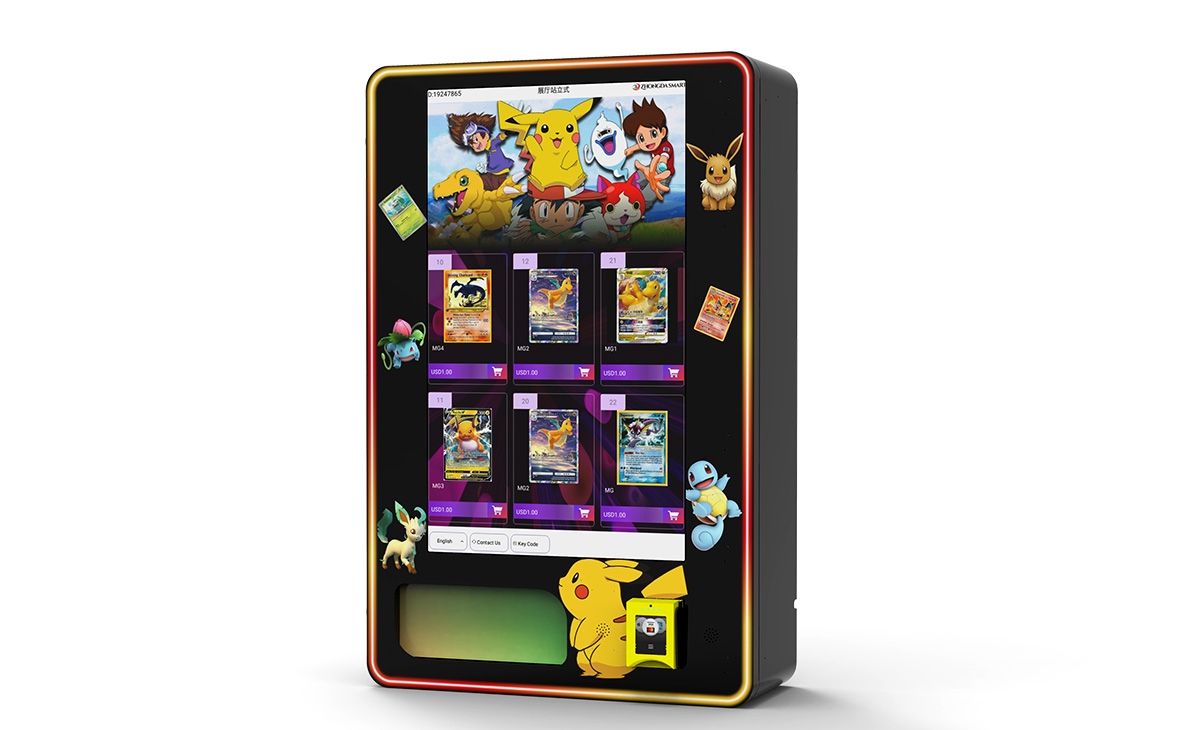
For beginners, I recommend starting with a supplier that offers a complete package—hardware, payment system, and cloud software. One company that has consistently delivered solid machines is Zhongda Smart. Their AI vending machines come with integrated payment terminals, real-time inventory tracking, and remote diagnostics. I've placed several of their units in office complexes and university campuses, and the reliability has been good. They also offer training and support, which is invaluable if you're new to the business.
Don't just look at the price tag. Consider the total cost of ownership over three years. A machine that costs $7,000 but requires $1,200 in repairs annually is worse than a $10,000 machine that needs $200 in repairs. Also, check if the supplier offers a warranty and spare parts availability. If you're in Europe, make sure the machine meets CE and local electrical standards.
Where to Place Your AI Vending Machine for Maximum Profit
Location is everything. I've seen a $12,000 machine in a dead location lose money for six months before I moved it. I've also seen a basic snack machine in a hospital break room do $3,000 in a single month. Here's what I've learned about choosing a spot.
First, foot traffic matters, but not all traffic is equal. A busy street with people walking quickly past your machine is worse than a small office break room where people sit for 10 minutes. The best locations are places where people have time to browse and buy. Think employee break rooms, hospital waiting areas, university common rooms, and gym lobbies.
Second, understand the demographics. A machine in a tech office will sell more healthy snacks and premium coffee. A machine in a construction site will sell energy drinks and chips. I once placed a machine in a yoga studio and stocked it with coconut water and protein bars. It failed because the audience was small and the prices were too high for the volume. I moved it to a gym and it did well.
Third, negotiate the lease or commission carefully. Some locations ask for 20% of gross revenue. That's too high unless the traffic is exceptional. I aim for 10% to 15% maximum. If the location provides electricity and doesn't charge rent, a 10% commission is fair. If you're paying rent plus commission, you need to run the numbers carefully.
According to the National Automatic Merchandising Association (NAMA), the average commission paid to location owners is around 12% to 15% of gross sales. That's a good benchmark.
Setting Up Your First Machine: A Step-by-Step Guide
If you're a beginner, the process can feel overwhelming. But it's straightforward if you break it down. Here's the sequence I follow for every new machine.
Step 1: Choose Your Machine Type
Decide what you want to sell. Snacks and drinks are the easiest entry point. Fresh food requires a refrigerated machine and more frequent restocking. For your first machine, I recommend a combo unit that sells both. An AI vending machine with a touchscreen and cashless payment is a good choice because it appeals to modern consumers.
Step 2: Secure a Location
Start with a location you already have access to—your workplace, a friend's business, or a local gym. Approach the decision-maker with a simple pitch: "I'll place a machine here at no cost to you, and I'll pay you a commission on sales." Most small business owners will say yes because it's passive income for them.
Step 3: Purchase the Machine
Buy from a reputable supplier. As I mentioned, Zhongda Smart is a solid option for beginners. Make sure the machine comes with a warranty and that you have access to technical support. Don't buy a used machine unless you're comfortable with vending machine repair. I've seen too many beginners buy a cheap used machine and then spend more on repairs than the machine cost.
Step 4: Set Up Payment Systems
Most modern machines accept credit cards, mobile wallets, and sometimes even cryptocurrency. You'll need a payment processor. Companies like Nayax, Cantaloupe, and USA Technologies offer integrated solutions. Expect to pay around $20 to $30 per month per machine for the payment terminal and software fees.
Step 5: Stock and Launch
Buy your initial inventory from a wholesale supplier. For snacks, Costco or Sam's Club work for small volumes. For drinks, check local beverage distributors. Stock a mix of bestsellers and a few higher-margin items. Launch the machine and monitor sales closely for the first two weeks.
Step 6: Monitor and Adjust
Use the machine's software to track what sells and what doesn't. Replace slow movers with new products. Adjust pricing based on demand. I usually check the data twice a week for the first month, then weekly after that.
Common Mistakes Beginners Make
I've made most of these mistakes myself, and I've seen others make them too. Here are the ones to avoid.
Buying a machine that's too cheap. A $2,000 machine from an unknown brand will likely break within six months. The cost of vending machine repair will eat your profits. Invest in quality upfront.
Ignoring the location's needs. I once placed a machine in a small office with only 30 employees. Even though they bought regularly, the volume was too low to justify the machine. You need at least 100 potential customers within a short walk.
Overstocking slow movers. It's tempting to buy in bulk to save money, but if you stock items that don't sell, you're tying up capital. Use the AI data to guide your purchases.
Not factoring in maintenance. Every machine needs cleaning, software updates, and occasional repairs. Set aside 5% to 10% of your monthly revenue for maintenance and repairs. If you're not handy, budget for a local technician.
Underestimating the importance of cashless payments. I've seen machines in 2024 that still only take cash. They do half the sales of a similar machine with a card reader. Most consumers don't carry cash anymore.
How to Evaluate if a Machine Is Worth the Investment
Before you buy any machine, run a simple calculation. Estimate the monthly foot traffic at the location. Multiply by the average conversion rate (typically 2% to 5% for vending machines). Multiply by your average transaction value ($2 to $5). That's your estimated monthly revenue.
For example: 1,000 people pass by per day, 3% buy something, average sale $3. That's 30 transactions per day, $90 per day, $2,700 per month. With a 35% margin, that's $945 gross profit. Subtract commission (15% of $2,700 = $405), electricity ($50), payment fees ($80), and maintenance ($100). Net profit: about $310 per month. That machine costs $10,000, so payback is around 32 months. That's borderline acceptable.
If the same machine does 5% conversion, the numbers look much better. Always be conservative in your estimates. I've seen too many beginners assume the best case and then get disappointed.
FAQ: Answers to Common Questions
How much does an AI vending machine cost?
New AI vending machines range from $6,000 to $15,000 depending on features. Refurbished units can be cheaper but may come with higher maintenance costs. I recommend budgeting at least $8,000 for a reliable machine with cashless payment and cloud software.
How long does it take to break even?
Based on my experience, most well-placed machines break even within 12 to 18 months. A machine in a high-traffic location with good margins can pay for itself in 10 months. A poor location can take 24 months or more.
Should I buy or lease a vending machine?
Buying is better for long-term profitability. Leasing often comes with high monthly fees and restrictions. If you're unsure, start with one purchased machine. If it works, scale up. If it doesn't, you can sell the machine and recover some of your investment.
What are the best locations for a vending machine?
Employee break rooms, hospital waiting areas, university campuses, gyms, and manufacturing facilities are consistently good. Avoid locations with low foot traffic or where people are in a hurry. I've had success in car dealerships and auto repair shops, where customers wait for service.
Do I need a license or permit?
Yes, in most jurisdictions. In the US, you typically need a business license and a sales tax permit. In Europe, requirements vary by country. In France, for example, you need to register with the Chamber of Commerce and comply with food safety regulations. Check with your local government before placing any machine.
How often do I need to restock?
It depends on sales volume. A busy machine might need restocking twice a week. A slow one can go two weeks. An AI vending machine will alert you when inventory is low, so you don't have to guess. I aim to restock before the machine is 70% empty to avoid lost sales.
What happens if the machine breaks?
Most issues can be diagnosed remotely. If it's a hardware problem, you'll need a technician. I keep a list of local vending machine repair services for each area I operate in. If you buy from a supplier like Zhongda Smart, they often provide remote support and can guide you through basic fixes.
How do I choose what products to sell?
Start with data. Look at what sells in similar locations. For an office, stock coffee, snacks, and bottled water. For a gym, stock protein bars, energy drinks, and electrolyte water. Use the machine's sales data to adjust after the first month. Don't guess—let the numbers guide you.
Can I run this business part-time?
Yes, many operators start part-time. With an AI vending machine, you can monitor sales from your phone and restock on weekends. I started with two machines while working a full-time job. It's manageable as long as you have reliable machines and a good location.
Final Thoughts from a Decade in the Business
I've seen the vending machine industry change dramatically over the past ten years. The best AI vending machine today is not just a dispenser—it's a data collection tool, a marketing platform, and a revenue generator all in one. But the fundamentals haven't changed. You need a good location, the right products, and a reliable machine. The technology makes it easier, but it doesn't replace the need for good business judgment.
If you're a beginner, start small. Buy one machine. Learn the ropes. Understand the costs, the maintenance, and the customer behavior. Once you have a profitable model, scale it. I've seen too many people buy five machines at once and then struggle to manage them all. Slow and steady wins this race.
The vending machine business is not a get-rich-quick scheme. But with the right approach, it can be a solid, scalable source of income. Use the data, choose your suppliers carefully, and always keep an eye on the numbers. That's the real secret to success in automated retail.
This article was updated in April 2025. Data and market conditions may have changed since publication. Always verify with current sources before making investment decisions.