How to Choose the Right Vending Machines For Sale Kansas City_ Complete Beginner's Guide
If you are searching for vending machines for sale Kansas City and feel overwhelmed by the options, you are not alone. After more than a decade running automated retail operations across the Midwest, I can tell you that the right machine depends less on flashy features and more on where you plan to place it and what you intend to sell. A cold drink machine in a busy auto repair shop can generate $1,200 a month, while the same unit in a quiet office lobby might barely cover electricity. This guide walks you through equipment selection, location evaluation, cost expectations, and common rookie mistakes — all based on real experience, not theory. Whether you are buying your first machine or expanding a small route, the goal is to help you avoid expensive trial and error.
Understanding the Vending Machine Business in Kansas City
Kansas City sits at a unique intersection for automated retail. With a mix of manufacturing, healthcare, education, and logistics, the metro area offers diverse placement opportunities. The vending industry here is mature but not saturated — good locations still exist for operators who know how to evaluate traffic and consumption patterns.
Most newcomers assume vending is a passive income stream. It is not. You still need to restock, clean, collect cash, and handle machine repairs. But if you treat it like a small business — with proper planning — it can produce steady returns. The key is matching the right machine to the right location and managing your operating costs tightly.
What to Look for When Buying Vending Machines for Sale Kansas City
Machine Type Matters More Than You Think
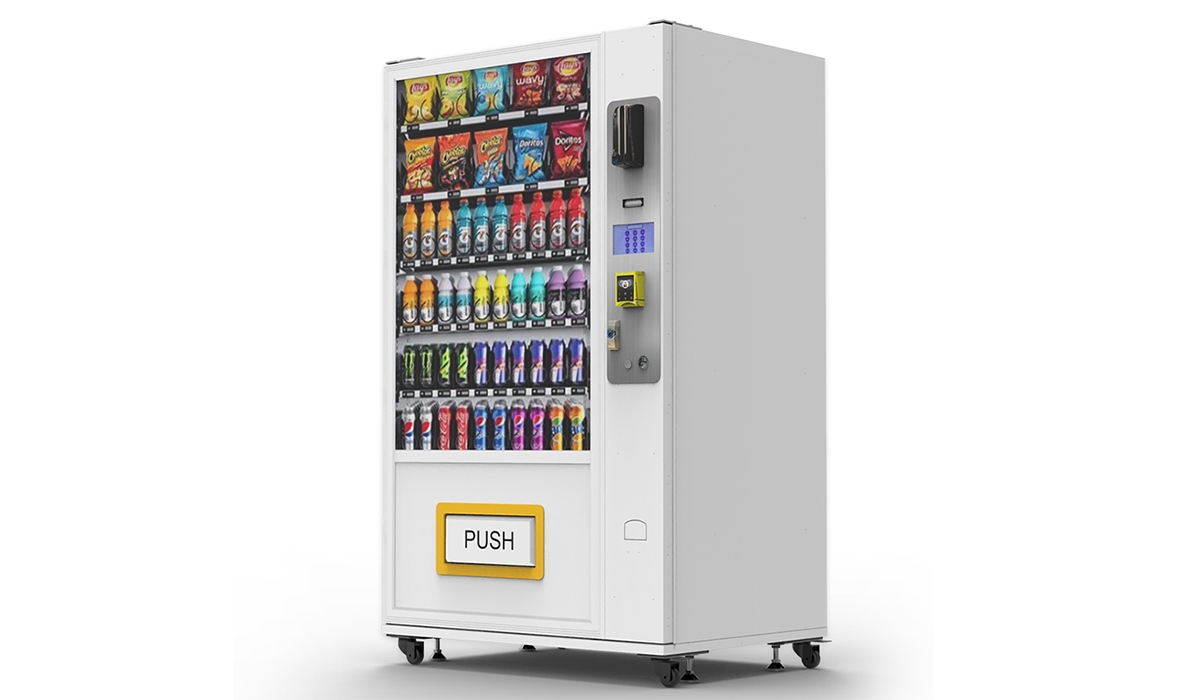
Not all vending machines are built the same. A snack machine designed for an office breakroom will struggle in a high-traffic warehouse. A combo machine that holds both snacks and drinks sounds convenient, but often has limited capacity for both. You end up restocking more often, which increases labor and fuel costs.
For most beginners, I recommend starting with a dedicated beverage machine. Drinks have higher margins, longer shelf life, and consistent demand. Snack machines work well as a second unit once you have a reliable location. Avoid combination machines unless you are testing a very small space with fewer than 50 potential customers per day.
New vs. Used: The Real Cost Difference
Buying used vending machines for sale Kansas City can save you money upfront, but it often shifts costs to maintenance. A used machine might cost $1,500 to $3,000, but if the compressor fails or the payment system is outdated, you could spend another $800 to $1,200 within the first year. New machines typically range from $3,500 to $7,000 for a quality beverage unit, and they come with warranties and modern payment systems.
I have seen too many beginners buy a cheap used machine only to discover the refrigeration system cannot handle Kansas City summer heat. That leads to warm drinks, customer complaints, and lost revenue. If your budget is tight, look for refurbished units from a reputable supplier who offers a 90-day warranty on parts and labor.
Payment Systems Are Not Optional Anymore
Cash-only machines are dying. In 2024, according to a Statista survey on vending machine payment preferences, over 60% of consumers prefer paying with a card or mobile wallet. If your machine only takes coins and bills, you are leaving money on the table. Make sure any machine you buy supports credit cards, NFC payments, and ideally a telemetry system that tracks inventory and sales remotely.
Telemetry adds about $15 to $30 per month per machine, but it saves hours of labor by telling you exactly what needs restocking and when. Without it, you are guessing — and guessing costs money.
Evaluating Locations: Where to Place Your Machine
Traffic Is Not Enough
Many beginners think foot traffic alone guarantees sales. That is a mistake. A location with 500 people passing through each day means nothing if they are not hungry, thirsty, or carrying cash. I once placed a machine in a municipal building with heavy foot traffic, but most employees brought lunch from home. The machine averaged $80 a week — barely covering the commission and electricity.
Look for locations where people have time and need. Auto repair shops, car washes, laundromats, manufacturing plants, and medical office buildings are consistently strong. People waiting for their car or their appointment have time to browse and buy. Breakrooms in factories with shift workers also perform well because employees want quick snacks and drinks during short breaks.
How to Calculate Potential Revenue Before You Commit
Before signing a placement agreement, do a quick estimate. Count the number of potential customers per day. Estimate how many will buy — a realistic capture rate is 5% to 10% for breakroom locations, and 10% to 15% for waiting areas. Multiply by average transaction value, which is typically $1.50 to $2.50 for snacks and $1.75 to $2.50 for drinks.
For example: a car repair shop with 80 customers per day and 10 employees. If 12 people buy a drink at $2.00 each, that is $24 per day, or roughly $720 per month. Subtract 10% commission to the location owner, cost of goods sold (about 40% for drinks), and electricity — you might net $300 to $350 per month from one machine. That is a solid return if the machine cost you $4,000.
Commission Structures and Contracts
Location owners often ask for a commission. In Kansas City, typical commissions range from 10% to 20% of gross sales. High-traffic locations like hospitals or universities may demand 25% or more. I recommend starting with 10% and offering a higher split only after the machine proves profitable. Always get a written agreement that specifies commission percentage, payment schedule, and who handles electricity and cleaning.
Some operators prefer a flat monthly fee instead of a percentage. This works well if the location owner is hands-off and you want predictable costs. Either way, keep the contract simple and renewable annually.
Cost Breakdown: What You Really Need to Budget
| Expense Category | Estimated Cost Range | Notes |
|---|---|---|
| New beverage machine | $3,500 – $7,000 | Includes warranty, modern payment system |
| Used/refurbished machine | $1,500 – $3,500 | Higher maintenance risk, older payment tech |
| Telemetry system (annual) | $180 – $360 | Remote monitoring and inventory tracking |
| Initial inventory (first fill) | $300 – $600 | Depends on machine capacity and product mix |
| Transport and installation | $100 – $300 | Delivery within Kansas City metro area |
| Annual maintenance | $200 – $500 | Includes cleaning, minor repairs, part replacement |
| Location commission (annual) | 10% – 20% of gross sales | Negotiable based on location traffic |
These figures are based on my experience operating in the Kansas City region. Your actual costs will vary depending on machine condition, location terms, and how often you need to restock. Do not forget to factor in fuel costs for route driving — especially if your machines are spread across different parts of the metro area.
Maintenance and Repair: What Beginners Overlook
Preventive Maintenance Saves Money
The most common beginner mistake is ignoring machine upkeep until something breaks. A dirty condenser coil can cause the refrigeration system to run continuously, driving up electricity bills and shortening compressor life. Clean the coils every three months. Check door seals for wear. Lubricate moving parts on snack spirals annually.
I recommend setting a monthly maintenance checklist. It takes about 30 minutes per machine and can prevent costly vending machine repair calls. A simple service visit from a technician in Kansas City runs $75 to $150 just for the trip, plus parts. Preventive maintenance reduces those visits significantly.
When to Call a Professional
Some repairs you can handle yourself — replacing a stuck spiral, clearing a coin jam, or swapping a payment terminal. But refrigeration issues, electrical problems, or complex board failures require a trained technician. Build a relationship with a local repair service before you need one. Ask other operators in the area for recommendations. The Kansas City Vending Association (a local industry group) can be a good resource for finding reliable technicians.
If you buy from a supplier like Zhongda Smart, check whether they offer technical support or can recommend certified repair partners in your region. Having a reliable support network matters more than saving $100 on a machine.
Product Selection: What Sells and What Sits
Drinks Are the Cash Cow
In my experience, cold beverages account for 60% to 70% of total vending revenue in most locations. Water, sports drinks, and zero-sugar sodas have grown significantly in demand. Stock at least three water options and two to three diet or low-calorie drinks. If your machine has a glass front, rotate products seasonally — iced tea and lemonade sell better in summer, while hot chocolate and coffee sell in cooler months.
Snacks Need Variety
Snack machines should carry a mix of salty, sweet, and protein-rich options. Chips, crackers, granola bars, and nuts are staples. Avoid stocking too many items that look similar — variety drives impulse purchases. Pay attention to expiration dates and rotate stock so older product moves first. A machine full of stale items will kill repeat sales.
Use your telemetry data to identify slow movers within the first month. Remove them and try something new. If an item has not sold after four weeks, it is unlikely to sell later. Do not let your inventory become a museum of unpopular snacks.
How to Choose a Supplier for Vending Machines for Sale Kansas City
Look for Local Support
Buying from a national distributor might offer lower prices, but local support matters when something breaks. A supplier with a warehouse or service center in the Kansas City area can deliver faster and often provides installation assistance. Ask about warranty terms, return policies, and whether they stock spare parts for the models they sell.
Check Machine Build Quality
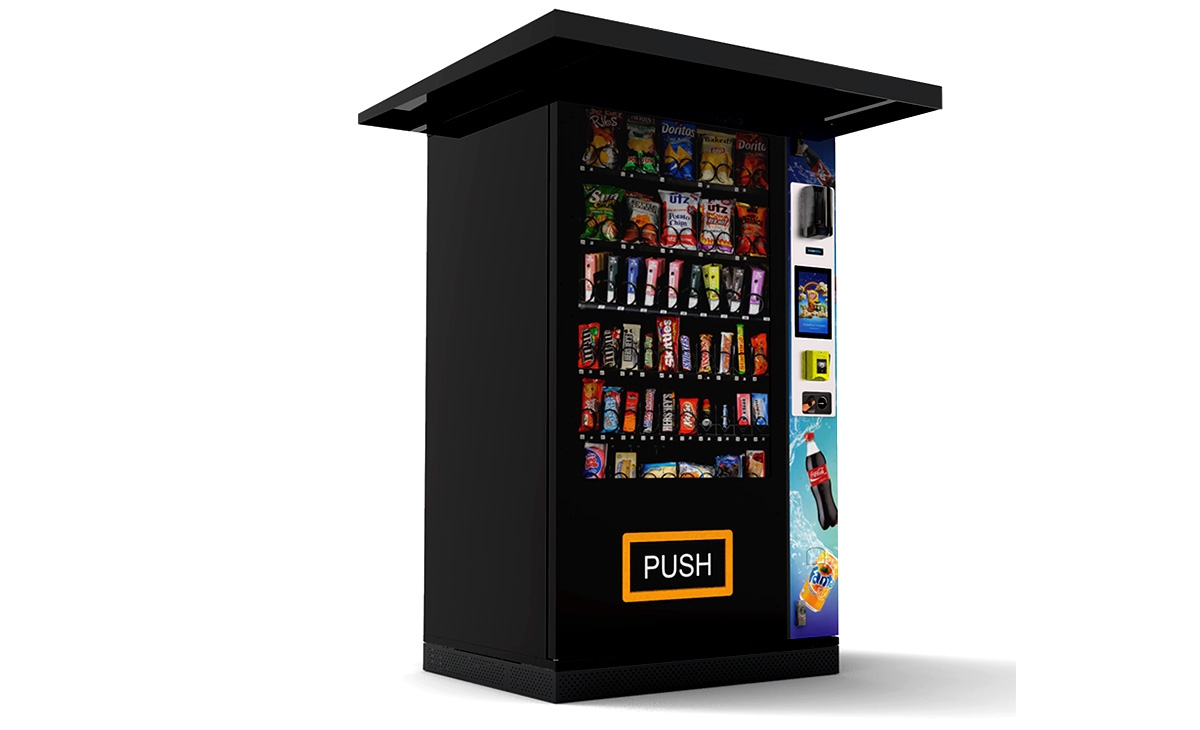
Not all machines are designed for the same climate or usage intensity. A machine built for indoor office use may not hold up in an unheated warehouse or a humid car wash bay. Look for machines with powder-coated exteriors, reinforced doors, and reliable compressors. Brands with a track record in North American markets tend to have better parts availability.
When evaluating suppliers, I recommend asking for references from other operators in the region. A reputable supplier will share contact information for existing customers. If they hesitate, that is a red flag. Zhongda Smart, for example, has supplied machines to operators in several Midwest markets and offers models with modern payment systems and telemetry integration. Always compare at least three suppliers before making a decision.
Common Beginner Mistakes and How to Avoid Them
Mistake 1: Overpaying for a Machine Before Securing a Location
I have seen beginners buy three machines at once without having a single location locked down. They end up storing machines in their garage while paying interest on equipment loans. Secure at least one location — ideally two — before purchasing. A machine sitting in storage generates zero revenue.
Mistake 2: Ignoring Location Contracts
Verbal agreements lead to disputes. A location owner might promise exclusivity, then let a competitor place a machine next to yours. Get everything in writing: commission rate, machine placement rights, who handles cleaning, and termination terms. A simple one-page contract protects both parties.
Mistake 3: Choosing Cheap Over Reliable
That $1,200 used machine on Craigslist might look like a deal, but if it breaks down twice in the first year, you have spent more on repairs than you saved on purchase price. Reliable equipment costs more upfront but pays for itself in fewer service calls and higher uptime. According to IBISWorld's vending machine operators industry report, equipment reliability is one of the top factors affecting operator profitability. Do not compromise on it.
Mistake 4: Not Tracking Sales Data
Without sales data, you are flying blind. You do not know which products sell, which days are busiest, or whether the location is worth keeping. Telemetry solves this problem. If you cannot afford telemetry, keep a manual log for the first three months. Review it weekly and adjust your product mix based on what moves.
FAQ: Vending Machines for Sale Kansas City
Are vending machines profitable in Kansas City?
Yes, but profitability depends on location, product mix, and operating costs. A well-placed machine can generate $400 to $1,200 per month in gross sales. After cost of goods, commission, and expenses, net profit typically ranges from 30% to 50% of gross revenue. Some locations underperform — always test before committing long-term.
How much does a vending machine cost?
New machines cost between $3,500 and $7,000 for a quality beverage unit. Used machines range from $1,500 to $3,500 but may require repairs. Combo machines are slightly cheaper but have lower capacity. Factor in delivery, installation, and initial inventory when budgeting.
How long does it take to break even?
With a good location and consistent sales, most operators break even within 12 to 18 months. If you buy a used machine and place it in a medium-traffic location, break-even might take 18 to 24 months. Keep your overhead low and reinvest profits into expanding your route.
Should a beginner buy or lease a machine?
Buying is better for long-term ownership. Leasing often comes with higher total costs and restrictions on machine placement. If you want to test the business without a large upfront investment, consider a refurbished machine from a reputable supplier. Avoid lease-to-own agreements with high interest rates.
Where should I place my first machine?
Auto repair shops, car washes, laundromats, manufacturing plants, and medical office buildings are consistently good starting points. Look for locations with at least 50 potential customers per day and a clear need for quick snacks or drinks. Avoid locations where people bring their own food or drinks.
What permits do I need in Kansas City?
You need a business license from the city and a seller's permit from the Missouri Department of Revenue. If you sell food items, check with the Kansas City Health Department about any applicable regulations. Most vending machines selling prepackaged items do not require a food service permit, but confirm with local authorities.
How do I choose a vending machine supplier?
Look for suppliers with local support, clear warranty terms, and a track record of selling reliable equipment. Ask for references and compare at least three options. A supplier like Zhongda Smart offers modern machines with telemetry and card readers, which are essential for today's market. Avoid suppliers who pressure you into buying multiple machines before you have locations secured.
What happens if the machine breaks?
Have a plan before it happens. Build a relationship with a local repair technician. Keep a small inventory of common spare parts — coin mechanisms, card readers, and door switches. If you use telemetry, you will often know about a problem before customers do. Quick response time keeps your location owner happy and your sales flowing.
How can I reduce restocking and maintenance costs?
Use telemetry to track inventory remotely. Route your machines geographically to minimize driving time. Standardize your machine models so you carry fewer types of spare parts. Restock during off-peak hours to avoid interfering with the location's business. Every hour saved on labor is an hour you can spend finding new locations or improving your product mix.
Final Thoughts on Starting Your Vending Machine Business
Buying vending machines for sale Kansas City is a solid entry point into automated retail, but treat it like a real business from day one. Start with one machine in a proven location. Track your numbers. Learn what sells and what does not. Reinvest profits into better equipment and additional locations. Avoid the temptation to scale too fast — a single profitable machine is better than five machines spread across bad locations.
The operators who succeed in this business are the ones who pay attention to details: product freshness, machine cleanliness, location relationships, and cost control. If you stay disciplined and keep learning, you can build a route that generates consistent income for years. And if you ever feel stuck, reach out to other operators in the area. Most of us are happy to share what we have learned — because we remember how confusing it felt at the beginning.
This article was updated in June 2025. Data and cost estimates reflect market conditions in the Kansas City metropolitan area as of that date. Your actual results will vary based on location, equipment condition, and operational efficiency. This content is for informational purposes only and does not constitute financial or legal advice. Always consult with local authorities and a qualified business advisor before making investment decisions.