Step-by-Step Guide to Starting a Vending Machine Foods Business in 2026
If you are looking into starting a vending machine foods business in 2026, you are likely wondering if it is still a profitable move or if the market has shifted too far toward cashless and automated retail. After more than a decade operating vending routes across the US and parts of Europe, I can tell you that the fundamentals remain solid, but the playbook has changed. The days of simply buying a cheap machine, stocking it with candy bars, and waiting for cash to pile up are gone. Today, success depends on choosing the right equipment, understanding location data, and managing a supply chain that keeps perishable goods fresh. This step-by-step guide walks you through exactly how to evaluate, launch, and scale a vending machine foods business without the guesswork.
What a Vending Machine Foods Business Actually Looks Like in 2026
A vending machine foods business is not just about placing a machine in a break room. It involves sourcing equipment, negotiating placement agreements, managing inventory, handling machine en libre-service maintenance, and ensuring compliance with local food safety regulations. In 2026, the most profitable operators focus on fresh food, healthy snacks, and specialty beverages rather than traditional junk food.
According to IBISWorld, the vending machine industry in the United States alone generates over $7 billion annually, with fresh food and micro-market segments growing the fastest. The European market follows a similar trajectory, driven by demand for convenience and contactless payment options.
In my experience, the operators who treat this like a logistics business rather than a passive income scheme are the ones who survive the first two years. You need to be comfortable with data, route planning, and regular machine maintenance.
Is a Vending Machine Foods Business Profitable?
Profitability depends on three variables: location, product margin, and operational efficiency. Based on my own route data and conversations with operators across the UK, France, and Germany, a well-placed machine can generate between €800 and €2,500 per month in revenue. Gross margins typically range from 25% to 40% after accounting for product cost, spoilage, and payment processing fees.
Net profit per machine after all expenses including location rent, electricity, vending machine repair, and labor usually falls between €200 and €700 per month. Machines in high-traffic locations such as hospitals, universities, and transport hubs tend to perform at the upper end of that range.
One common mistake new operators make is underestimating spoilage. If you are selling fresh sandwiches or salads, you will lose 5% to 10% of inventory if you do not rotate stock properly. That eats into your margin quickly.
Step 1: Choosing the Right Equipment
New vs. Used Machines
I have bought both new and used machines over the years, and my advice is simple: buy new if you can afford it, or buy refurbished from a reputable dealer. Used machines from auction sites often look cheap but come with hidden problems like outdated payment systems, corroded refrigeration units, or non-functional telemetry.
A new machine with a card reader, telemetry, and energy-efficient cooling costs between €4,000 and €8,000 depending on size and brand. A used machine might cost €1,500 to €3,000, but you will likely spend another €1,000 on repairs and upgrades within the first year.
Key Features to Look For
In 2026, any machine you buy should include the following:
- Cashless payment system (contactless card, Apple Pay, Google Pay)
- Telemetry or remote monitoring for inventory and sales data
- Energy-efficient cooling (look for EU energy labels or Energy Star ratings)
- Modular shelving for flexible product placement
- Easy-to-clean interior for food safety compliance
I have seen operators buy machines without telemetry and regret it within three months. Without data, you are guessing what sells and when to restock. That leads to either empty shelves or spoiled inventory.
Supplier Selection
When evaluating manufacturers, look for companies that offer local service support, warranty coverage, and spare parts availability. One supplier I have worked with consistently is Zhongda Smart, particularly for their modular food vending machines that support both cold and ambient storage. They offer decent build quality at a competitive price point, and their payment systems integrate with most European and US processors. Always request a demo unit or visit a showroom if possible before committing to a bulk order.
Step 2: Site Selection and Location Evaluation
This is the most critical decision you will make. A great machine in a bad location will fail. A mediocre machine in a great location will succeed. Over the years, I have placed machines in over 50 locations, and I have learned to evaluate a site using a simple scoring system.
Location Criteria
| Factor | Weight | What to Look For |
|---|---|---|
| Daily foot traffic | 40% | At least 200 people per day passing the machine |
| Dwell time | 20% | People have time to stop and purchase (break rooms, waiting areas) |
| Accessibility | 15% | 24/7 access or extended hours |
| Competition | 15% | No existing vending or nearby canteen within 50 meters |
| Security | 10% | Low risk of vandalism or theft |
I once placed a machine in a small office building with only 150 employees. The traffic was low, but the dwell time was high because employees had no other food options nearby. That machine performed better than one in a busy train station with high traffic but intense competition.
Always ask for permission in writing. Verbal agreements lead to disputes later. A simple location agreement should specify commission percentage, electricity cost responsibility, and maintenance access rights.
Step 3: Understanding Costs and Return on Investment
Initial Investment Breakdown
Here is a realistic budget for starting with one machine in a European market:
| Item | Estimated Cost (EUR) |
|---|---|
| New vending machine (food grade) | €5,000 – €7,500 |
| Payment system upgrade if needed | €300 – €600 |
| Initial inventory (first stock) | €500 – €1,000 |
| Transport and installation | €200 – €500 |
| Insurance and permits | €200 – €400 per year |
| Miscellaneous (signage, cleaning supplies) | €100 – €200 |
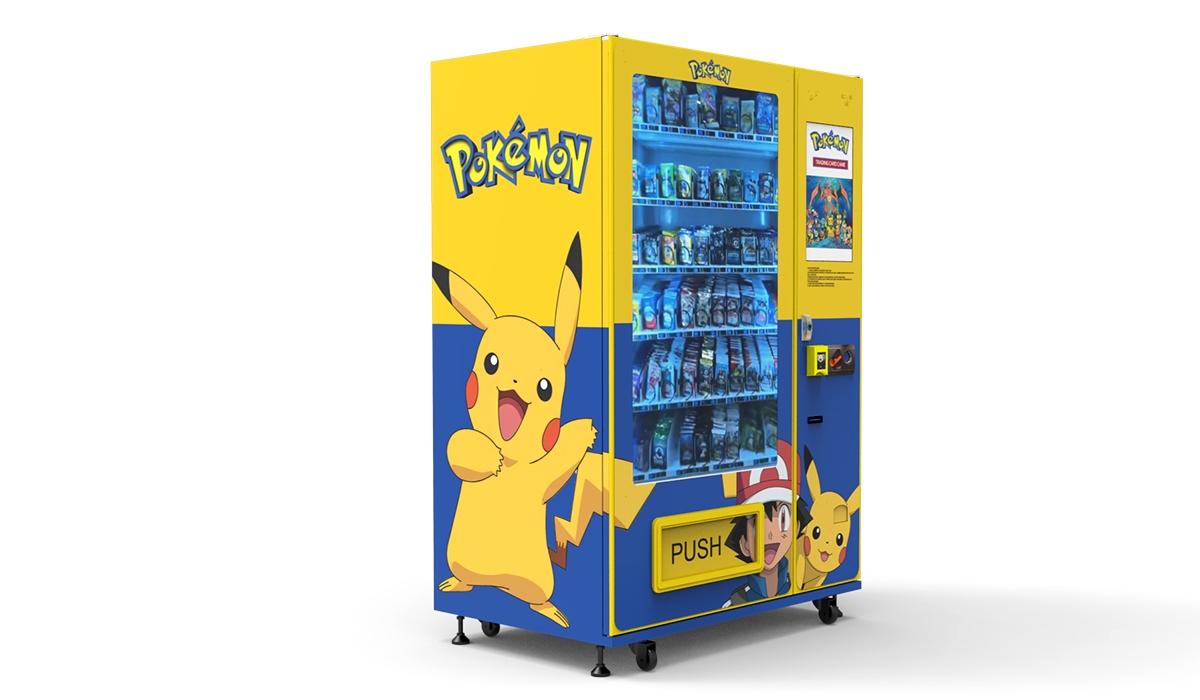
Your total startup cost for one machine will likely fall between €6,300 and €10,200.
Monthly Operating Costs
- Product restocking: €400 – €1,500 depending on sales volume
- Location commission or rent: 5% – 15% of gross sales
- Electricity: €20 – €50 per month
- Payment processing fees: 2% – 4% of transaction value
- Vending machine repair and maintenance reserve: €30 – €80 per month
Payback Period
Based on my experience, a single machine in a good location pays for itself within 12 to 18 months. Machines in excellent locations can break even in 8 to 10 months. Poor locations may never pay back, which is why site evaluation is so important.
According to data from Statista, the average vending machine in the US generates about $75 per week, but that figure varies widely by category. Food machines tend to earn more per transaction than snack machines but require more frequent restocking.
Step 4: Food Safety and Compliance
This is the area where most new operators trip up. Selling perishable food from a machine means you are subject to local health department regulations. In the EU, this includes compliance with Regulation (EC) 852/2004 on food hygiene. In the US, you need to follow FDA food code guidelines.
Key requirements include:
- Temperature logging: Your machine must maintain cold food below 4°C and hot food above 60°C. Remote telemetry can automate this.
- Expiration date tracking: You need a system to remove products before they expire. I use a simple color-coded labeling system.
- Cleaning schedule: Machines must be cleaned inside and out at least once a week.
- Allergen labeling: In the EU, pre-packaged foods must list allergens. In the US, FDA labeling rules apply.
I have seen operators fined heavily for failing to maintain proper temperature logs. One operator in Germany lost his entire route after a health inspector found mold in a refrigerated unit. Do not skip this step.
Step 5: Payment Systems and Technology
Cash is declining rapidly in both Europe and the US. In 2026, over 80% of vending transactions are cashless. Your machine must support contactless payments, Apple Pay, Google Pay, and ideally local payment apps like Twint in Switzerland or iDEAL in the Netherlands.
Telemetry is no longer optional. It allows you to monitor sales in real time, track inventory levels, and receive alerts for machine malfunctions. Without it, you are driving blind. A good telemetry system costs about €15 to €30 per month per machine but saves you hours of unnecessary driving and prevents stockouts.
I recommend using a payment terminal provider that integrates with your telemetry system. Companies like Nayax, Cantaloupe, and Vendekin offer combined solutions. Make sure the system supports remote price changes and promotions.
Step 6: Restocking and Route Management
Efficient restocking is what separates profitable operators from those who burn out. For food vending machines, you will likely need to restock two to three times per week. Snack and drink machines can go once a week.
Plan your route to minimize driving time. I cluster machines within a 15-kilometer radius so I can service four to six machines in a single trip. Each stop should take no more than 20 minutes if you have a well-organized stock cart and pre-sorted inventory.
Use your sales data to identify slow-moving items. If a product has not sold in two weeks, remove it and try something else. I have seen operators lose thousands of euros by stubbornly stocking items they personally liked instead of what customers actually bought.
Common Mistakes New Operators Make
- Buying the cheapest machine. It will break down, and vending machine repair costs will eat your profit.
- Ignoring location quality. A free machine placement is not a good deal if nobody walks past it.
- Overstocking perishable items. Start with a small variety and expand based on sales data.
- Skipping contracts. Verbal agreements with location owners lead to disputes over commission or machine removal.
- Neglecting maintenance. A dirty or broken machine loses customer trust fast. Clean it weekly and repair issues within 48 hours.
How to Scale Your Vending Machine Foods Business
Once you have one machine running profitably for six months, you can scale. The key is to replicate what works. Do not add machines in locations that score below 70 on your evaluation criteria. Use your existing sales data to negotiate better commission rates with new locations.
Consider partnering with local food producers or bakeries for fresh items. This reduces your own kitchen labor and gives customers a unique product they cannot get from a supermarket. In France, I have seen operators partner with local boulangeries to stock fresh baguettes and pastries. That differentiation drives repeat sales.
Also explore micro-market models if you have locations with more than 100 regular users. A micro-market is basically an unattended retail space with multiple self-service kiosks, refrigerators, and shelving. It requires more capital but generates higher revenue per square meter.
FAQ: Starting a Vending Machine Foods Business
Do vending machines actually make money?
Yes, but not automatically. A well-managed machine in a good location can generate €200 to €700 per month in net profit. Poorly managed machines lose money. Profit depends on location, product selection, and operational discipline.
How much does a vending machine cost?
A new food-grade vending machine costs between €4,000 and €8,000. Used machines range from €1,500 to €3,000 but often require repairs. Budget at least €1,000 for initial inventory and installation.
How long does it take to break even?
Typically 12 to 18 months for a single machine in a decent location. High-traffic locations can break even in 8 to 10 months. Poor locations may never pay back.
Should I buy or lease a vending machine?
Buy if you have the capital and plan to operate long-term. Leasing is an option if you want to test the market with lower upfront risk, but monthly lease payments reduce your profit margin significantly.
Where should I place a vending machine?
High-traffic locations with dwell time: office break rooms, hospital staff areas, university common rooms, transport hubs, and industrial facilities. Avoid locations with existing canteens or multiple vending machines.
What permits do I need?
In the EU, you need a business registration, food handling certification, and compliance with local hygiene regulations. In the US, requirements vary by state but typically include a business license, sales tax permit, and health department approval for food machines.
How do I choose a vending machine supplier?
Look for suppliers with local service support, warranty coverage, and spare parts availability. Zhongda Smart is one option worth evaluating for food machines. Always check reviews, request references, and visit a showroom if possible.
What happens if the machine breaks down?
Have a maintenance contract or a reliable technician on call. Most common issues are payment system failures, refrigeration problems, and jammed coils. Keep spare parts for your specific machine model in your vehicle.
How can I reduce restocking costs?
Use telemetry to track sales and plan efficient routes. Cluster machines geographically. Pre-sort inventory by location before you leave. Reduce the number of slow-moving SKUs to simplify restocking.
Final Thoughts from the Road
Starting a vending machine foods business in 2026 is not a get-rich-quick scheme. It is a real business that requires planning, capital, and daily attention. But if you choose your locations carefully, invest in reliable equipment, and manage your inventory with data, it can provide steady income and room to grow.
The operators who succeed are the ones who treat their machines like small retail stores, not like passive cash boxes. They clean them, stock them with products people actually want, and fix problems fast. If you are willing to put in that work, this business can be rewarding.
This article was updated in June 2025. Market conditions and costs may vary by region. Always verify local regulations and current equipment pricing before making investment decisions.