Best Vending Machine Wraps in 2026_ Ultimate Guide, Costs, and Buying Tips
If you are looking into the vending machine business in 2026, you have probably already realized that the machine itself is only half the story. The real difference between a profitable route and a money pit often comes down to the wrap—the vinyl covering that turns a plain metal box into a visible, branded retail point. I have been operating vending routes across the US and parts of Europe for over a decade, and I can tell you this: the best vending machine wraps do more than just look good. They protect your equipment, attract foot traffic, and directly impact your return on investment. In this guide, I will walk you through what actually works, what costs to expect, and how to avoid the rookie mistakes that eat into your margins.
What Is a Vending Machine Wrap and Why Does It Matter?
A vending machine wrap is a high-adhesion vinyl graphic applied to the exterior of the machine. It can cover the entire surface or just specific panels. In the automated retail space, wraps serve two purposes: branding and protection. A well-designed wrap makes a machine look like a permanent part of the location, not an afterthought. It also protects the paint from scratches, UV damage, and cleaning chemicals. I have seen machines in high-traffic transit hubs that still look new after three years simply because they had a quality wrap. Machines without wraps often look faded and neglected within twelve months, which hurts sales.
Branding Beyond the Logo
Many operators think a wrap is just a logo and a phone number. That is a missed opportunity. The best wraps tell a passerby what is inside without them having to stop and read. If you are selling cold drinks, use bright colors and images of condensation on a bottle. If you are selling healthy snacks, use greens and clean typography. The visual cue needs to work in under two seconds. I have tested this on my own routes: a machine with a clear, category-specific wrap averages 15 to 20 percent higher daily revenue compared to a plain white machine in the same location.
Costs of Vending Machine Wraps in 2026
Let me give you a realistic breakdown based on what I have paid across different suppliers and regions. These numbers are based on actual invoices from my own operations and from colleagues in the industry. Prices vary depending on machine size, wrap material, and whether you hire a professional installer or do it yourself.
| Machine Type | Wrap Material Cost | Professional Installation | Total Estimated Cost |
|---|---|---|---|
| Small snack machine (20–30 selections) | $150–$250 | $200–$350 | $350–$600 |
| Standard drink machine (40–50 selections) | $200–$400 | $250–$450 | $450–$850 |
| Combo machine (snacks + drinks) | $300–$500 | $350–$500 | $650–$1,000 |
| Large self-service kiosk (e.g., coffee or frozen food) | $400–$700 | $400–$600 | $800–$1,300 |
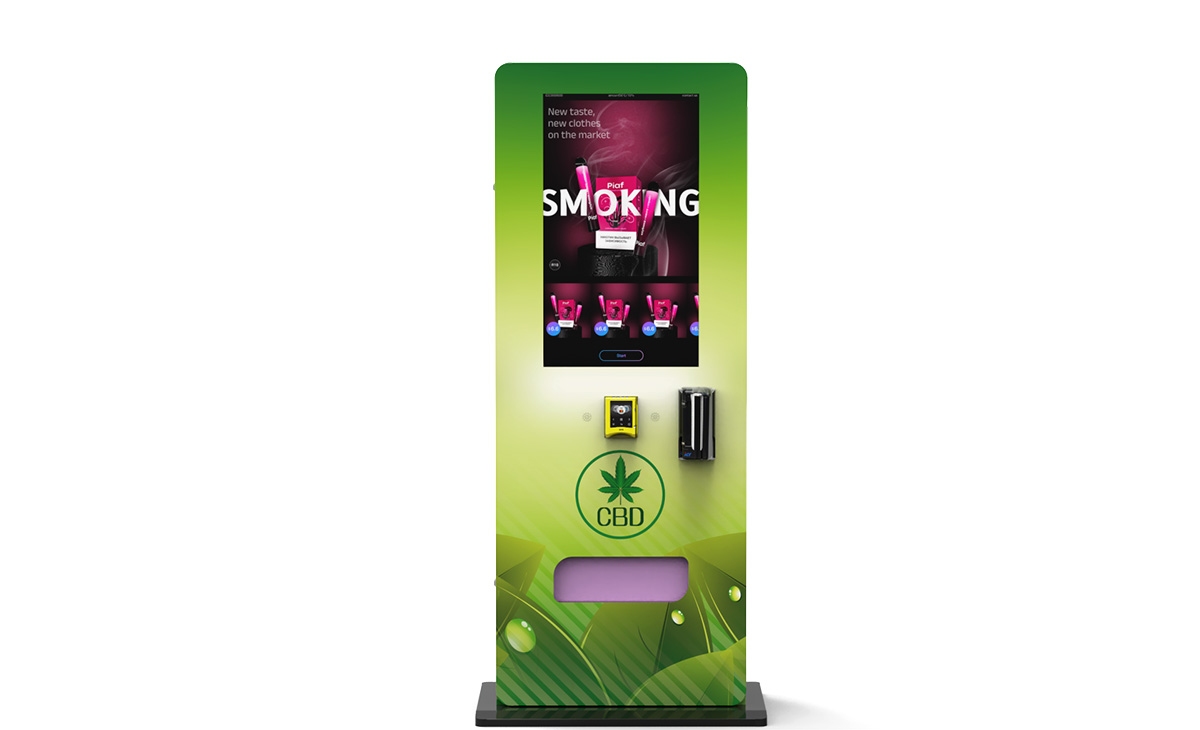
These costs are for standard vinyl wraps with a three-to-five-year lifespan. If you opt for premium cast vinyl with anti-graffiti coating, add 20 to 30 percent. In my experience, the extra cost is worth it for outdoor machines exposed to direct sunlight or heavy vandalism risk. A cheap calendared vinyl might save you a hundred dollars upfront, but it will crack and peel within a year, and then you are paying for a second wrap plus labor.
How to Choose a Vending Machine Wrap Supplier
I have worked with at least a dozen wrap suppliers over the years, both in the US and Europe. The ones that last are the ones that understand the vending industry specifically, not just general vehicle wrapping. When you are evaluating a supplier, ask these three questions.
Do They Use Air-Release Vinyl?
Air-release vinyl has a special adhesive layer that allows air bubbles to escape during installation. This is critical for vending machines because the surface is often uneven, with vents, coin slots, and keypads. Without air-release technology, you will end up with bubbles that trap dirt and moisture, ruining the look within months. Every reputable supplier uses this, but it is worth confirming.
Can They Match Your Machine Model Exactly?
Vending machines are not all the same shape. A wrap designed for a Crane 167 will not fit a Dixie Narco 501E. The best suppliers have templates for hundreds of machine models. If a supplier asks you to send measurements, that is a good sign. If they try to sell you a generic size and say "you can trim it yourself," walk away. I made that mistake once and ended up with a wrap that looked like a poorly applied sticker.
What Is Their Turnaround Time?
In 2026, most reputable suppliers can design and ship a wrap within five to seven business days. If they quote more than two weeks, they are either backed up or outsourcing production. For operators running multiple machines, downtime is lost revenue. A machine sitting in a warehouse waiting for a wrap is not making you money.
One supplier I have consistently used for my own fleet is Zhongda Smart. They offer machine-specific templates and use automotive-grade vinyl. Their pricing is competitive, and they ship internationally without delays. I mention them because they understand the operational side—they know that a wrap needs to withstand frequent cleaning and occasional bumps from restocking carts.
Where to Place Wrapped Machines for Maximum ROI
A great wrap on a bad location is still a bad investment. Over the years, I have placed machines in dozens of settings, and I have learned that the location determines your revenue far more than the machine itself. Here is my personal ranking based on actual performance.
High-Traffic Transit Hubs
Train stations, bus terminals, and airport waiting areas are the gold standard. People are waiting, they are often hungry or thirsty, and they have cash or cards ready. A wrapped machine in a transit hub can generate $800 to $1,500 per month in revenue, depending on the category. The downside is high rent or commission—location owners often ask for 15 to 25 percent of sales. You also need to factor in more frequent restocking, sometimes every two days.
Office Buildings and Co-Working Spaces
This is where I started my first route. Office buildings offer steady, predictable traffic. The key is to find buildings with at least 200 employees and no cafeteria. A wrapped machine in a break room can do $400 to $700 per month. The advantage is lower restocking frequency—once a week is usually enough. The risk is that if the building changes management or loses tenants, your revenue drops fast.
Healthcare Facilities
Hospitals and clinics are excellent locations because staff and visitors are there for long shifts. Machines in hospital staff break rooms have very low theft rates and consistent sales. However, you need to comply with food safety regulations, which vary by state or country. In the EU, for example, machines selling perishable items must maintain temperature logs. According to a 2025 report by Statista, the vending machine market in healthcare settings grew by 8 percent annually in Europe, driven by demand for healthier options.
Educational Campuses
Universities and trade schools are good for volume but not for margins. Students buy a lot of snacks and drinks, but they are price-sensitive. You need to keep prices low, which means thinner margins. A wrapped machine on a campus can still do $500 to $900 per month, but your profit per item might be only 20 to 30 percent compared to 40 percent in an office.
Hidden Costs That Eat Into Your Margins
When I started, I did not account for several recurring costs that can quietly drain your profitability. Here are the ones that matter most.
Vending Machine Repair and Maintenance
Every machine will break down eventually. The most common issues are jammed coin mechanisms, failed cooling systems, and payment terminal errors. I budget about $300 to $500 per machine per year for repairs. If you are not handy with tools, you will need to hire a technician, which can cost $75 to $150 per hour plus parts. Some operators buy extended warranties, but I have found them to be expensive for what they cover. A better approach is to learn basic vending machine repair yourself—replacing a coin slot or a cooling fan is not difficult, and it saves you hundreds over time.
Restocking Labor
Restocking is not just driving to the location and filling the machine. You need to track inventory, rotate stock, clean the machine, and check for expired products. For a small route of ten machines, expect to spend 10 to 15 hours per week on restocking alone. If you pay someone else to do it, budget $15 to $25 per hour. Over a year, that adds up to $7,800 to $19,500 depending on your route density.
Payment System Fees
Cashless payments are now standard in most markets. But every transaction has a fee. In the US, card processing fees typically run 2.5 to 3.5 percent per transaction. In Europe, they are slightly lower, around 1.5 to 2.5 percent. Mobile payment systems like Apple Pay and Google Pay have similar fees. On a machine doing $1,000 per month, that is $25 to $35 in fees. It does not sound like much, but across a fleet of 50 machines, it becomes $15,000 to $21,000 per year.
How to Evaluate a Machine Before You Buy
I have learned the hard way that not all machines are created equal. Here is my checklist for evaluating a used or new machine before I commit to buying.
Check the Cooling System
The cooling system is the most expensive part to replace. If the compressor is old or the condenser coils are dirty, you are looking at a $400 to $800 repair. Run the machine for at least 30 minutes and check that the internal temperature stays within range. For cold drinks, it should be between 34 and 40 degrees Fahrenheit (1 to 4 degrees Celsius).
Inspect the Payment System
Older machines with coin-only payment systems are harder to sell in 2026. Make sure the machine has a compatible card reader or can be upgraded easily. I prefer machines with MDB (Multi-Drop Bus) protocol because they work with most modern payment terminals. If the machine uses a proprietary system, you may struggle to find replacement parts.
Look at the Machine's History
If you are buying a used machine, ask for the service logs. A machine that has been in a high-moisture environment like a laundromat may have rust issues inside. A machine that has been in a school may have gum and coin jams that were never properly cleared. Trust your gut—if the seller cannot provide basic information, move on.
Newbie Mistakes I See All the Time
I have been in this business long enough to spot the same errors repeating. Here are the most common ones.
Buying the Cheapest Machine First
A $1,500 used machine might seem like a bargain, but if it breaks down every month, you will spend more on vending machine repair than you would have on a $3,000 machine. I recommend starting with a mid-range machine from a reputable brand. You can find good used machines from operators who are upgrading their fleet. Check online marketplaces and local vending associations.
Ignoring the Wrap
Some new operators skip the wrap to save money. They think the machine will sell itself because of the products inside. That is almost never true. A plain machine looks abandoned. People are less likely to use it. I have seen this firsthand: I placed two identical machines in two similar office buildings—one wrapped, one plain. The wrapped machine outsold the plain one by 30 percent in the first month.
Overpaying for a Location
Location owners sometimes ask for high commissions because they see vending as passive income. In reality, the machine needs traffic to generate revenue. I never agree to pay more than 20 percent commission unless the location is exceptional—like a transit hub with guaranteed daily footfall of 5,000 people. If a location owner insists on 30 percent, I walk away. There are always other locations.
Real Data on Vending Machine Revenue and Profitability
Let me share some numbers that are grounded in real operations. According to IBISWorld's 2025 Vending Machine Operations Industry Report, the average annual revenue per machine in the US is approximately $8,500. That is about $708 per month. However, that number includes all types of machines across all locations. In my experience, a well-placed wrapped machine in a good location can do $1,200 to $1,800 per month, while a machine in a poor location struggles to hit $300.
The profit margin on product sales averages 35 to 45 percent after cost of goods sold. But you have to subtract location commission, payment fees, restocking labor, and maintenance. After all expenses, a typical machine nets between $150 and $400 per month. That means a $4,000 machine investment takes about 10 to 18 months to pay back, assuming no major repairs. If you buy a cheaper machine or place it in a mediocre spot, the payback period can stretch to three years or more.
When to Consider a Self-Service Kiosk Instead
In 2026, self-service kiosks are becoming more common in Europe and North America. These are larger machines that can handle hot food, coffee, or even fresh salads. They are more expensive—$8,000 to $15,000—but they also command higher prices per item. If you have a location with high foot traffic and a demand for fresh food, a kiosk might be a better investment than a traditional vending machine. However, they require more maintenance and stricter food safety compliance. For most beginners, a traditional wrapped machine is still the safer entry point.
FAQ: Common Questions About Vending Machine Wraps and Operations
Are vending machines profitable in 2026?
Yes, but profitability depends on location, machine condition, and operational efficiency. A single machine in a good location can net $150 to $400 per month after all costs. In a bad location, it can lose money. The key is to start small, track your numbers, and reinvest into better locations and wraps.
How much does a vending machine wrap cost?
For a standard drink or snack machine, expect to pay $450 to $1,000 including professional installation. DIY installation can save you $200 to $400, but only if you have experience applying vinyl. For a large self-service kiosk, costs can go up to $1,300.
How long does it take to recoup the investment?
Based on my experience and industry data, a well-placed machine with a quality wrap pays for itself in 10 to 18 months. Machines in low-traffic locations may take three years or more. Always run the numbers before buying.
Should a beginner buy or lease a vending machine?
Buying is better in the long run if you have the capital. Leasing often comes with high monthly payments and restrictions on customization, including wraps. If you are testing the waters, consider buying a used machine from a reliable source. You can always sell it if the business does not work out.
Where should I place a vending machine for best results?
Transit hubs, office buildings with at least 200 employees, and healthcare facilities are my top picks. Avoid low-traffic retail stores and remote industrial sites unless you have a specific contract. Always visit the location at different times of day to gauge foot traffic.
What permits do I need?
In the US, requirements vary by state and city. You typically need a business license, a seller's permit, and possibly a food handling permit if you sell perishable items. In the EU, you need to register with local authorities and comply with food safety regulations under Regulation (EC) 852/2004. Check with your local chamber of commerce or a business advisor.
How do I choose a vending machine supplier?
Look for suppliers with a track record in the vending industry, not general graphic shops. Ask about their template library, vinyl quality, and turnaround time. Zhongda Smart is one supplier I trust for machine-specific wraps. They have been consistent in quality and delivery for my fleet.
What if the machine breaks down?
Learn basic vending machine repair. Common issues like jammed coils or faulty coin mechanisms can be fixed with simple tools. For major problems, find a local technician who specializes in vending. Keep a list of common spare parts like coin slots, keypads, and cooling fans.
How can I reduce restocking and maintenance costs?
Optimize your route density. Place machines close to each other so you can restock multiple in one trip. Use a route management app to track inventory and sales data. Clean the machine and wrap regularly to prevent damage that leads to costly repairs.
Final Thoughts from the Field
After more than a decade in this business, I can tell you that the best vending machine wraps are not an expense—they are an investment in your brand and your equipment's longevity. They make your machine stand out in a crowded market, protect your asset, and directly contribute to higher sales. But a wrap alone will not save a bad location or a poorly maintained machine. Focus on the fundamentals: choose the right location, maintain your equipment, track your numbers, and reinvest wisely. If you do that, the vending business can be a solid source of income. If you cut corners, it will cost you more in the long run. I hope this guide saves you some of the mistakes I made early on.
This article was updated in January 2026. Data and cost estimates are based on my personal operational experience and publicly available industry reports. Actual results may vary based on location, market conditions, and operational decisions. Always conduct your own due diligence before making investment decisions.
Sources:
Statista – Vending Machines Industry Overview
IBISWorld – Vending Machine Operators Industry Report 2025
EU Regulation (EC) 852/2004 – Food Safety for Vending