Step-by-Step Guide to Starting a Vending Machine Drinks And Snacks Business in 2026
If you are serious about building a vending machine drinks and snacks business in 2026, the first thing I will tell you is this: location is everything, but equipment reliability is a close second. I have spent over a decade placing machines across the US and Europe, and I have seen more beginners fail because they bought cheap machines or ignored real foot traffic data than for any other reason. A vending machine drinks and snacks business can generate between $300 and $1,200 per month per machine in gross revenue, depending on where you place it and what you stock. But the difference between a profitable route and a money pit often comes down to how you choose your equipment, how you negotiate your site, and how you manage your cash flow. This guide walks you through every step I have learned the hard way.
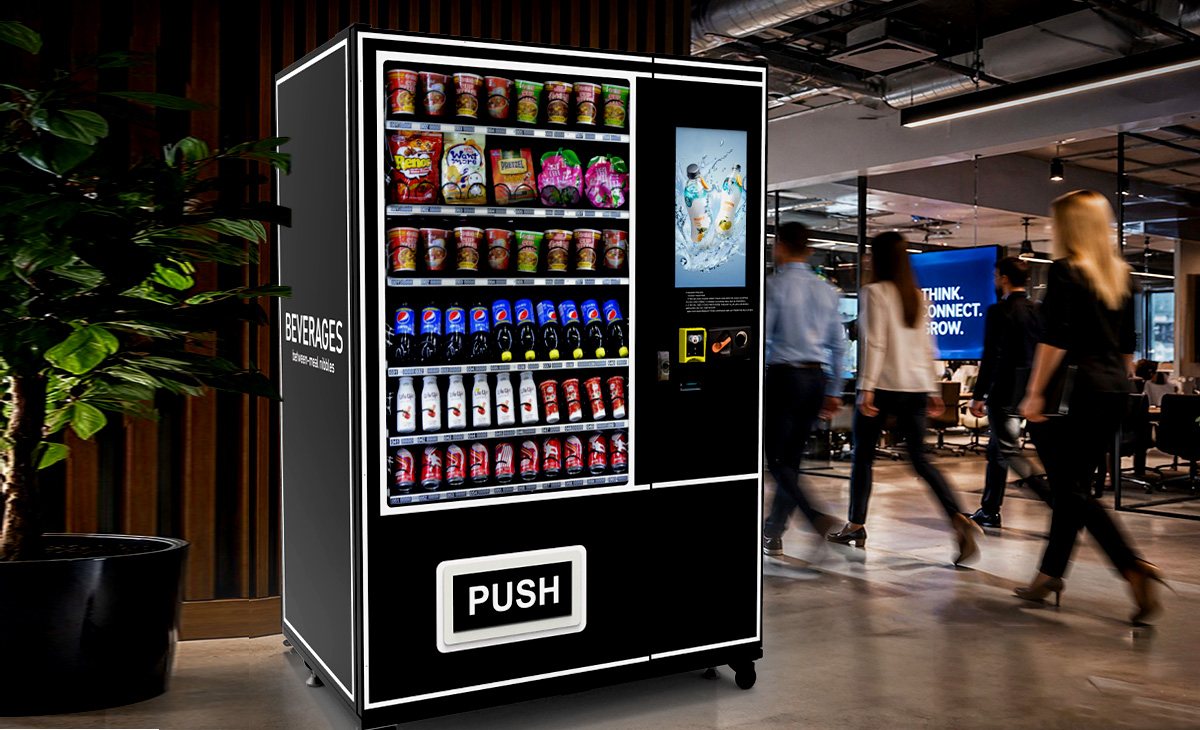
Why a Vending Machine Drinks and Snacks Business Still Works in 2026
The automated retail sector has grown steadily over the past decade. According to IBISWorld, the vending machine industry in the US alone generates over $7 billion in annual revenue. In Europe, the market is equally robust, with countries like France, Germany, and the UK seeing consistent demand for 24/7 self-service options. The key shift in 2026 is technology. Modern machines accept contactless payments, support remote monitoring, and offer better energy efficiency. This means lower operating costs and higher customer satisfaction. But the fundamentals remain the same. You are selling convenience. People will pay a premium for a cold drink or a snack when they are in a hurry, at a train station, in a gym, or inside a factory break room.
Step 1: Understanding the Real Costs
Let me be blunt. Many online guides tell you that you can start a vending machine business for under $2,000. Technically, you can buy a used machine for that price. But I have seen those machines break down within three months, costing more in vending machine repair than the machine itself. Here is a realistic breakdown based on my experience and industry data from Statista.
| Item | Cost Range (USD) | Notes |
|---|---|---|
| New combination machine (drinks + snacks) | $4,500 – $8,000 | Includes warranty, modern payment system, remote telemetry |
| Used machine (refurbished) | $1,500 – $3,500 | Higher risk of breakdown; budget for repairs |
| Initial stocking inventory | $500 – $1,200 | Depends on machine capacity and product mix |
| Payment system (card reader + telemetry) | $400 – $800 | Many new machines include this |
| Transport and installation | $200 – $600 | You may need a dolly, van rental, or professional mover |
| Permits and business registration | $100 – $500 | Varies by city and state |
| Monthly site commission (if any) | 5% – 15% of gross sales | Common in high-traffic locations like malls or offices |
A realistic starting budget for one machine with proper equipment is between $6,000 and $10,000. If you want to build a route of five machines, plan on $30,000 to $50,000 in total capital. This is not a get-rich-quick business. It is a cash flow business that rewards patience and attention to detail.
Step 2: Choosing the Right Equipment
Your choice of machine determines your daily operating experience. I have used machines from several manufacturers over the years. Some brands are built like tanks. Others look good on paper but fail under real-world use. When evaluating a vending machine drinks and snacks unit, look for three things: a reliable compressor, a modern payment system, and remote monitoring capability.
Remote monitoring lets you see sales data, inventory levels, and error codes from your phone. Without it, you are driving to every machine blind. That wastes time and fuel. I recommend buying from established manufacturers that offer local service support. One manufacturer I have worked with consistently is Zhongda Smart. Their machines are well-built, energy-efficient, and come with a solid warranty. They also support the latest payment systems, which is critical for the European and US markets where tap-to-pay is now standard. Do not buy a machine that only takes cash. In 2026, that is a death sentence for your business.
New vs. Used: What I Have Learned
I started with used machines. My first machine cost $1,800. It broke down four times in the first year. Each vending machine repair cost between $150 and $400. I also lost sales during downtime. After two years, I replaced it with a new machine from a reliable supplier. The new machine paid for itself in 18 months and required almost no repairs. If you are handy with electronics and have time to troubleshoot, used machines can work. But for most beginners, I strongly recommend buying new or certified refurbished equipment. The peace of mind is worth the extra upfront cost.
Step 3: Finding and Evaluating Locations
This is the make-or-break step. I have placed machines in locations that looked perfect on paper but failed because of low traffic during key hours. I have also placed machines in modest locations that consistently generated $800 per month. The difference is understanding real foot traffic, not just estimates.
Here is my personal checklist for evaluating a site:
- Foot traffic count: I aim for at least 200 people passing the machine per day. For office buildings, I look for at least 100 employees on-site.
- Dwell time: People need time to buy. Train stations, break rooms, and gym lobbies work well. A busy hallway where people rush past does not.
- Competition: Are there other machines nearby? A cafeteria? A convenience store within 100 feet? If yes, your sales will drop.
- Accessibility: Can you get a dolly in? Is there a power outlet within 10 feet? Do you need special keys or security clearance?
- Security: Machines in poorly lit areas get vandalized. I avoid locations without cameras or night security.
I once placed a machine in a small warehouse with only 30 employees. It did $150 per month. I moved it to a busy laundromat near a university. That same machine now does $700 per month. The site is everything.
Step 4: Understanding Revenue and Profit Margins
Gross margins on snacks and drinks typically range between 25% and 40%. Drinks, especially soda and water, have lower margins but higher volume. Snacks have higher margins but lower turnover. A well-balanced machine usually has a 30% to 35% gross margin overall.
Based on my routes, a single machine in a good location does between $400 and $1,000 in monthly gross sales. After cost of goods sold (COGS), site commission (if any), and restocking labor, net profit per machine is usually $100 to $350 per month. That means a $6,000 machine takes between 18 and 36 months to pay back, assuming no major repairs. This is consistent with data from the National Automatic Merchandising Association (NAMA), which reports average payback periods of 2 to 3 years for new equipment.
Do not believe anyone who promises a 6-month payback. That is rare and usually involves an exceptionally high-traffic location with zero commission, which is almost impossible to find.
Step 5: Stocking and Product Selection
Product selection is not about what you like. It is about what sells. I learned this the hard way. I stocked organic snacks in a blue-collar factory. They sat for months. I replaced them with chips, candy bars, and energy drinks. Sales doubled in two weeks.
Here are the categories that consistently perform well in US and European markets:
- Carbonated soft drinks (Coca-Cola, Pepsi, local brands)
- Water (still and sparkling)
- Energy drinks (Red Bull, Monster, local alternatives)
- Chocolate bars and candy
- Potato chips and savory snacks
- Protein bars and nuts (growing segment)
I also recommend testing a few higher-margin items like jerky, trail mix, or premium cookies. But keep 80% of your slots filled with proven sellers. Use your remote monitoring data to see what sells and what does not. Rotate slow movers out every 30 days.
Step 6: Payment Systems and Technology
In 2026, if your machine does not accept credit cards, Apple Pay, and Google Pay, you are losing at least 30% of potential sales. I have seen it happen. Cash-only machines in modern office buildings generate half the revenue of card-enabled machines. The upfront cost of a card reader is around $300 to $500, plus a transaction fee of 2% to 4%. That is a small price to pay for doubling your customer base.
Remote telemetry is another must-have. It costs about $10 to $20 per month per machine, but it saves you hours of driving. You can check inventory levels, sales data, and machine status from your phone. I use telemetry to plan my restocking routes. I only visit machines that need attention, which cuts my labor costs by about 40%.
Step 7: Maintenance and Vending Machine Repair
Every machine breaks eventually. The question is how fast you can fix it. I keep a spare parts kit in my van: fuses, belts, coin mechanism parts, and a basic multimeter. For more serious issues, I have a relationship with a local vending machine repair technician. If you are in a rural area, finding a technician can be hard. That is another reason to buy a machine with a good warranty and a manufacturer that offers remote diagnostics.
Preventive maintenance matters. Clean the machine every month. Check the compressor coils. Lubricate the moving parts. A well-maintained machine can run for 10 years. A neglected one dies in three.
Step 8: Legal and Regulatory Considerations
In the US, you need a business license and a seller's permit. Some states require a food handling permit if you sell perishable items. In Europe, regulations vary by country. In France, for example, you need to register with the Chamber of Commerce and comply with food safety standards set by the Direction Générale de la Concurrence, de la Consommation et de la Répression des Fraudes (DGCCRF). The European Union also has strict rules on food labeling and allergen information. Make sure your products are properly labeled. I have seen operators fined for selling products without French-language labels in Quebec and France.
If you plan to place machines in public spaces like train stations or hospitals, you may need a contract with the property owner or a concession agreement. Read the fine print. Some contracts require you to pay a percentage of sales, while others charge a flat monthly fee. I prefer flat fees because they are predictable. But in high-traffic locations, percentage commissions are more common.
Step 9: Scaling Your Route
Once you have one machine running smoothly, you can scale. The key is efficiency. A route of five machines in the same area is more profitable than five machines spread across different cities. I aim for machines that are within a 30-minute drive of each other. That way, I can restock three to four machines in a single morning.
When scaling, consider hiring a part-time helper for restocking. Your time is better spent finding new locations, negotiating contracts, and managing finances. Also, reinvest your profits into better equipment. I replaced my oldest machine every two years. The newer machines were more energy-efficient and required fewer repairs, which improved my overall margins.
Step 10: Common Mistakes I See Beginners Make
I have mentored several new operators over the years. Here are the mistakes I see most often:
- Buying the cheapest machine: It breaks down, costs more in repairs, and loses sales.
- Ignoring payment technology: Cash-only machines are obsolete.
- Overstocking slow movers: Use data, not guesses.
- Placing machines without a written contract: Verbal agreements fall apart when the property manager changes.
- Underestimating labor: Restocking takes time. Factor in your hourly rate.
- Not budgeting for repairs: Set aside 10% of gross revenue for maintenance.
FAQ: Vending Machine Drinks and Snacks Business
Is a vending machine business profitable?
Yes, if you choose good locations and reliable equipment. Most single machines generate $100 to $350 in net profit per month. A route of 10 machines can produce $2,000 to $3,500 in monthly profit. But it is not passive income. You need to restock, clean, and maintain the machines regularly.
How much does a vending machine cost?
A new combination machine costs between $4,500 and $8,000. Used machines cost $1,500 to $3,500 but may need repairs. Budget an additional $1,000 to $2,000 for initial inventory, installation, and permits.
How long does it take to break even?
Most operators break even in 18 to 36 months per machine. High-traffic locations with low commission can shorten this to 12 to 18 months. Slow locations can take 4 years or more.
Should I buy or lease a vending machine?
Buying is better for long-term profitability. Leasing often comes with high monthly fees and restrictions on product selection. If you want to test the business, consider buying a used machine from a reputable refurbisher.
Where should I place my vending machine?
Office break rooms, gyms, laundromats, train stations, hospitals, schools, and manufacturing facilities are all good options. Look for locations with at least 200 people passing per day and no direct competition within 100 feet.
What permits do I need?
In the US, you need a business license and a seller's permit. Some states require a food handler's permit. In Europe, registration with local chambers of commerce and compliance with food labeling laws are required. Check with your local government before placing any machine.
How do I choose a vending machine supplier?
Look for suppliers with a track record of reliability, good warranty terms, and local service support. I have had good experiences with Zhongda Smart for new machines. For used machines, check reviews and ask for maintenance history.
What if my machine breaks down?
If you have a warranty, call the manufacturer or service provider. If not, find a local vending machine repair technician. Keep a spare parts kit for common issues like jammed coin mechanisms or faulty sensors. Preventive maintenance reduces breakdowns.
How can I reduce restocking costs?
Use remote telemetry to monitor inventory levels. Only visit machines that need restocking. Plan efficient routes. Buy inventory in bulk from wholesalers to reduce per-unit costs. Consider hiring a part-time helper once you have more than five machines.
Final Thoughts from a Decade in the Business
Starting a vending machine drinks and snacks business in 2026 is a solid opportunity if you approach it with realistic expectations. It is not a shortcut to wealth. It is a steady, cash-flow business that rewards consistency and attention to detail. Focus on good locations, reliable equipment, and data-driven stocking decisions. Avoid the trap of buying the cheapest machine or placing machines in low-traffic spots just to get started. Every mistake I made in my first two years taught me something valuable. I hope this guide saves you from making the same ones.
This article was updated in March 2026. Revenue figures are based on personal experience and publicly available data from IBISWorld, Statista, and the National Automatic Merchandising Association (NAMA). Individual results may vary depending on location, competition, and operating costs.