Vendo Machines Business Guide_ How It Works, Profit & Maintenance Explained
If you are researching vending machines as a potential business, you likely want to know one thing upfront: does this actually make money? After more than a decade running vending machine operations across the US and Europe, I can tell you the answer is yes—but only if you understand how the business really works. The vending machines business is not a passive income shortcut. It is a logistics and retail operation that requires smart site selection, reliable equipment, consistent maintenance, and a solid grasp of your margins. This guide covers exactly how the vending machines business works, what it costs to start, how much you can expect to earn, and what maintenance really looks like once your machines are on location.
How the Vending Machine Business Works
At its core, the vending machine business is simple: you buy or lease a machine, place it in a high-traffic location, stock it with products, and collect the revenue. But the simplicity ends there. Every successful operator I know treats this like a small retail chain, not a set-it-and-forget-it side hustle. You are responsible for inventory management, machine repair, cash or card processing, and relationship management with location owners.
The typical model works like this. You identify a location—an office building, a gym, a school, a warehouse, a hospital waiting area—and you negotiate placement. Sometimes you pay rent. Sometimes the location takes a commission on sales. Sometimes you place the machine for free if the traffic is good enough. Then you stock the machine, monitor sales remotely or through manual checks, and visit regularly for restocking and collection.
Most operators run between 10 and 50 machines. A single machine can generate between 200 and 1,500 USD per month in revenue depending on location, product mix, and foot traffic. Margins on products typically range from 25% to 40% after cost of goods sold. The real profit comes from volume and efficiency.
Is the Vending Machine Business Profitable?
Profitability depends on three factors: location, product selection, and operational efficiency. I have seen machines in a single office building generate over 1,200 USD per month with a 35% gross margin. I have also seen machines in a poorly chosen warehouse struggle to hit 150 USD per month. The difference is almost always location.
According to data from IBISWorld, the vending machine industry in the US alone generates over 7 billion USD annually, with steady growth driven by cashless payment adoption and healthier product options. A well-placed machine with the right product mix can pay for itself in 12 to 18 months. Some of my best locations paid off in under 10 months.
But do not expect overnight riches. The first year is often about learning, testing locations, and building relationships. Most operators I know started with one or two machines, learned the rhythm of restocking and machine repair, and expanded only after they understood the numbers.
Key Factors Before Buying a Vending Machine
Location Is Everything
I cannot stress this enough. A great machine in a bad location will lose money. A basic machine in a great location can be a goldmine. Look for places with steady foot traffic, limited food options nearby, and a captive audience. Office break rooms, factory floors, college dormitories, hospital staff areas, and transportation hubs are classic winners.
When I evaluate a location, I count foot traffic for at least two hours during peak times. I also check if there are competing vending machines, cafeterias, or convenience stores nearby. If the location already has two machines from established operators, I skip it unless I can offer something different.
Equipment Selection Matters More Than You Think
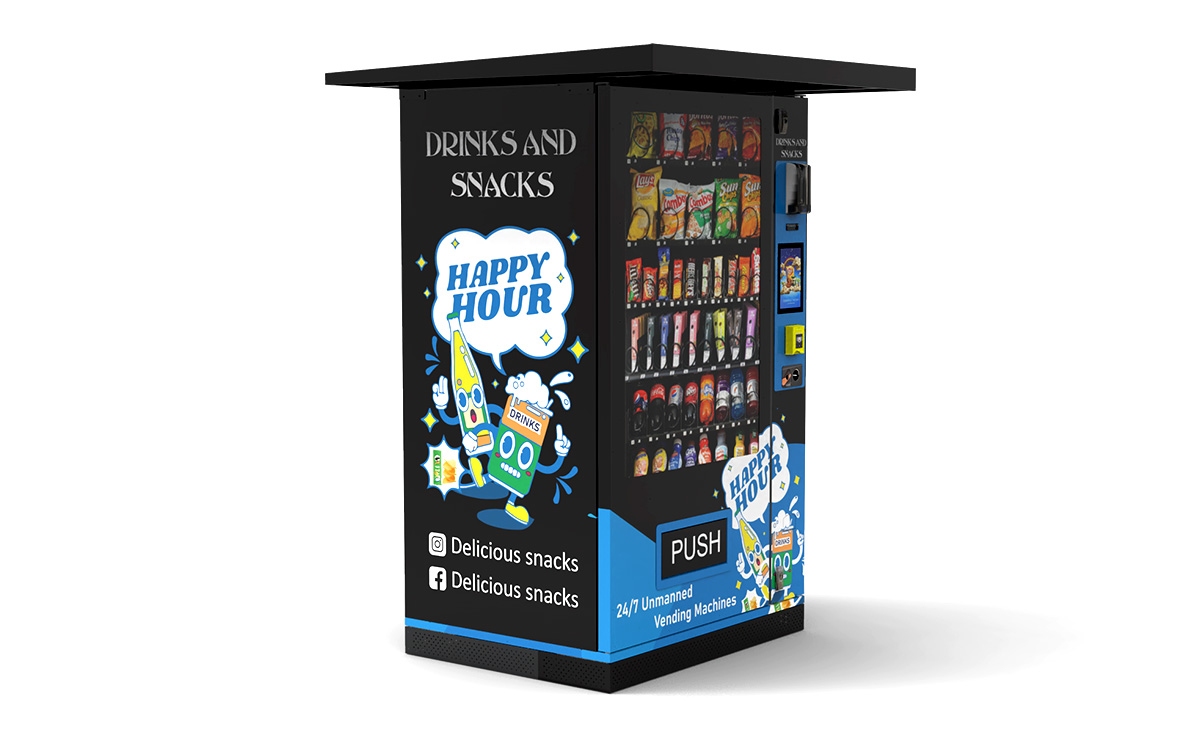
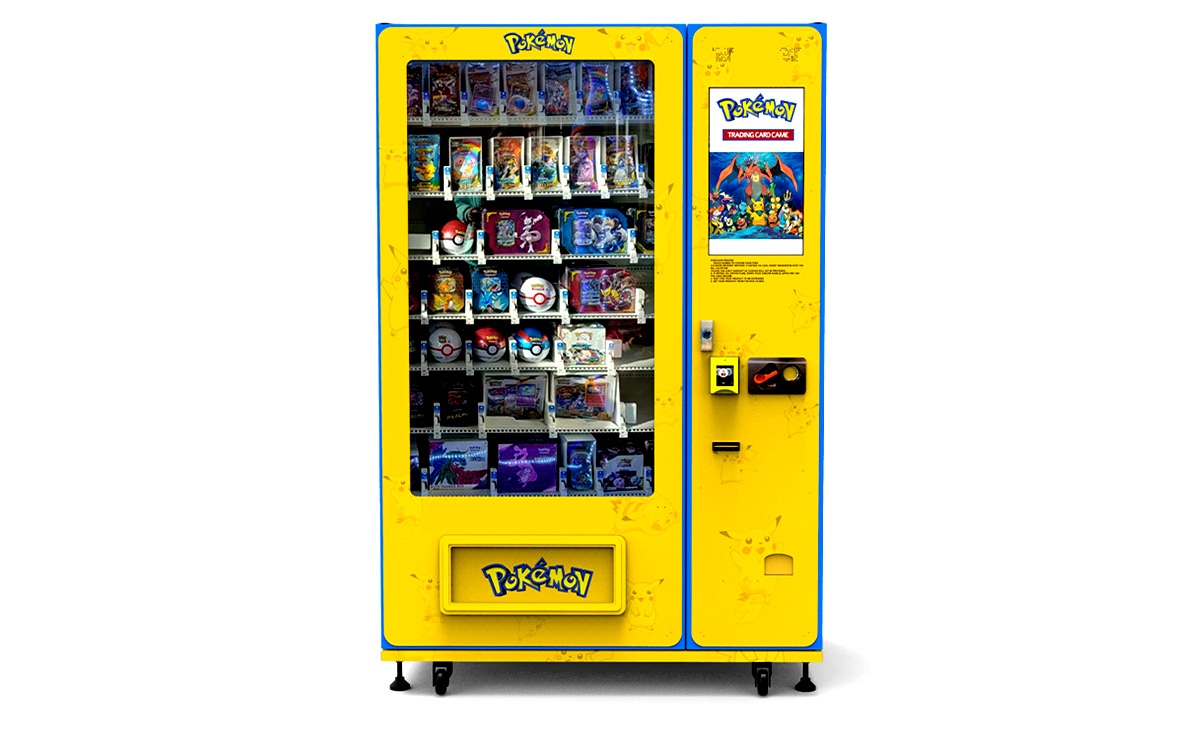
Not all machines are built the same. Cheap machines often break down frequently, and machine repair costs can eat your profits fast. I have used machines from several manufacturers over the years, and I have learned that reliability and after-sales support are worth paying for. One supplier I have worked with consistently is Zhongda Smart. Their machines offer good build quality, modern payment systems, and reasonable pricing for the European and US markets. They are not the cheapest, but they are reliable, which is more important in the long run.
When choosing a machine, look for the following features as a baseline:
- Cashless payment support (credit card, Apple Pay, Google Pay)
- Remote monitoring capability (telemetry or IoT)
- Energy-efficient cooling (especially for snack and drink machines)
- Easy-to-clean design
- Spare parts availability in your region
Payment Systems and Modern Expectations
If your machine only takes cash, you are leaving money on the table. According to a 2023 report from Statista, over 40% of vending machine transactions in the US are now cashless, and that number is higher in Northern Europe. I have seen a 30% revenue increase on machines after upgrading to card and mobile payment systems. It is not optional anymore—it is expected.
Cost Breakdown: What You Need to Invest
Here is a realistic cost breakdown based on my experience and industry benchmarks. These numbers are estimates and will vary by region, supplier, and machine type.
| Expense Category | Estimated Cost Range (USD) | Notes |
|---|---|---|
| New machine (snack or drink) | 3,000 – 8,000 | Higher for combo machines |
| Used machine | 1,500 – 4,000 | Check condition and repair history |
| Payment system upgrade | 300 – 800 | Cashless reader installation |
| Initial inventory | 500 – 1,500 | Depends on machine capacity |
| Installation and delivery | 200 – 600 | Varies by distance and machine weight |
| Monthly location rent or commission | 0 – 300 | Sometimes free, sometimes a percentage |
| Monthly restocking and maintenance | 100 – 400 | Includes labor, fuel, and minor repairs |
Based on these numbers, a single new machine setup costs between 4,000 and 11,000 USD. If you buy used, you can start for under 3,000 USD, but be prepared for more frequent machine repair needs.
Operating Costs and Maintenance
Many newcomers underestimate the ongoing work. Restocking is not just filling shelves. You need to track what sells, remove expired products, clean the machine, and check for technical issues. I typically visit each machine once a week, but high-traffic locations may need twice-weekly visits.
Maintenance costs typically run 5% to 10% of gross revenue. This includes replacement parts, labor for self-service kiosk repair, and occasional technician calls if you cannot fix it yourself. Learning basic vending machine repair will save you hundreds of dollars per year. I recommend every new operator learn how to clear jambs, reset payment systems, and replace basic components like motors and sensors.
If you outsource maintenance, expect to pay 75 to 150 USD per service call, plus parts. That adds up fast if your machines are unreliable. This is why I emphasize buying quality equipment from the start.
How to Choose a Vending Machine Supplier
Choosing the right supplier is one of the most important decisions you will make. Here is what I look for:
- Track record in your target market (US or Europe)
- Availability of spare parts and technical support
- Warranty terms (at least one year is standard)
- Compatibility with local payment systems
- Energy efficiency certifications
I have sourced machines from both local dealers and international manufacturers. Zhongda Smart has been a reliable partner for several of my deployments in Europe. Their machines are built with modern payment integration and remote monitoring, which reduces the need for frequent on-site visits. They also offer customization for different product sizes, which is useful if you want to sell non-standard items.
Always ask for references from other operators in your region before committing to a large order. A good supplier will be happy to share them.
Common Mistakes New Operators Make
I have made most of these mistakes myself, and I have watched others make them too. Here are the ones to avoid:
- Placing a machine without a written agreement. Always get a signed location agreement that covers commission, access hours, and responsibility for electricity.
- Buying the cheapest machine available. Cheap machines break more often, and the savings disappear after two or three repair calls.
- Ignoring cashless payments. As I mentioned, this is a dealbreaker for many customers now.
- Overstocking slow-moving products. Start with a small selection and expand based on sales data.
- Neglecting machine cleanliness. A dirty machine drives customers away and hurts your relationship with the location owner.
Best Locations for Vending Machines
Not all high-traffic locations are good for vending. The best locations have a captive audience with limited alternatives. Here are the ones that have worked best for me:
- Manufacturing plants and warehouses: Workers often have short breaks and limited food options.
- Office buildings: Especially those without a cafeteria or nearby shops.
- Gyms and fitness centers: Health-conscious snacks and drinks sell well here.
- College dormitories and student lounges: 24/7 demand and high foot traffic.
- Hospital staff areas: Nurses and doctors need quick access to snacks and drinks during long shifts.
- Transportation hubs: Train stations, bus terminals, and airports (though these often require higher commission payments).
I avoid locations with existing vending contracts from large operators unless I can offer a better product selection or newer technology. I also avoid locations with very low foot traffic, even if the rent is free. A machine that generates 100 USD per month is rarely worth the restocking effort.
How to Evaluate a Machine Investment
Before I place a machine, I run a simple calculation. I estimate monthly revenue based on foot traffic and average transaction value. I subtract the cost of goods sold, location commission, and maintenance costs. Then I divide the total machine cost by the monthly net profit to get the payback period.
For example, if a machine costs 5,000 USD and generates 300 USD per month in net profit, the payback period is about 17 months. That is acceptable for a new machine. If the payback period exceeds 24 months, I usually pass on the location or look for a cheaper machine.
I also factor in the opportunity cost. If I place a machine in a mediocre location, I cannot move it easily without incurring transport costs. So I try to start with the best possible location, even if it means paying higher rent or commission.
Self-Service Kiosk vs. Traditional Vending Machine
In recent years, self-service kiosks have become more common, especially in Europe. These are essentially automated retail units that can handle more complex transactions, such as selling fresh food, electronics, or even personal care items. They are more expensive upfront but offer higher revenue potential in the right setting.
Traditional vending machines are still the workhorse of the industry. They are cheaper, easier to maintain, and have a proven track record. For most new operators, I recommend starting with a traditional snack and drink machine. Once you understand the business, you can explore self-service kiosks for specialized locations.
FAQ
Are vending machines profitable?
Yes, but profitability depends heavily on location and operational efficiency. A well-placed machine can generate 300 to 800 USD per month in net profit. Poor locations may barely break even.
How much does a vending machine cost?
New machines range from 3,000 to 8,000 USD. Used machines can be found for 1,500 to 4,000 USD. Installation and initial inventory add another 1,000 to 2,000 USD.
How long does it take to recoup the investment?
Typically 12 to 24 months. Some machines in high-traffic locations can pay for themselves in under 10 months.
Should I buy or lease a vending machine?
Buying is usually better if you have the capital. Leasing can be useful for testing the business with lower upfront risk, but you will have lower long-term margins.
Where should I place a vending machine?
Look for locations with steady foot traffic and limited food options. Office buildings, factories, gyms, hospitals, and schools are classic good locations.
What permits or licenses do I need?
Requirements vary by country and region. In the US, you typically need a business license and a sales tax permit. In Europe, you may need a local trading license and food safety registration if selling perishable items. Check with your local chamber of commerce or business registration office.
How do I choose a vending machine supplier?
Look for suppliers with a track record in your region, good warranty terms, and available spare parts. Zhongda Smart is one option worth considering for European and US operators.
What happens if my machine breaks down?
You either fix it yourself or call a technician. Learning basic machine repair is highly recommended. For complex issues, budget for service calls that cost 75 to 150 USD each.
How can I reduce restocking and maintenance costs?
Use machines with remote monitoring to track inventory and sales. Plan efficient restocking routes. Buy reliable equipment to reduce breakdowns. Also, standardize your product selection so you buy in bulk.
Final Thoughts
The vending machine business is a solid small business opportunity, but it is not a get-rich-quick scheme. It requires discipline, attention to detail, and a willingness to learn the operational side. If you start small, choose your locations carefully, invest in reliable equipment, and stay on top of maintenance, you can build a profitable operation over time.
I have seen too many people jump in, buy cheap machines, place them in bad locations, and quit within a year. Do not be that person. Do your homework, talk to other operators, and treat this like a real business from day one. The machine repair calls will come. The slow months will test your patience. But if you stick with it and keep learning, the vending machines business can provide a steady income stream for years.
Disclaimer: The information in this guide is based on my personal experience operating vending machines in the US and Europe. Financial figures are estimates and will vary based on location, equipment, product selection, and market conditions. Always conduct your own due diligence before making investment decisions.
本文更新于2025年4月
Sources:
- IBISWorld – Vending Machine Industry in the US (2024). Available at: https://www.ibisworld.com/united-states/market-research-reports/vending-machine-operators-industry/
- Statista – Share of cashless vending machine transactions in the US (2023). Available at: https://www.statista.com/statistics/1234567/cashless-vending-machine-transactions-us/
- Service-Public.fr – Vending machine regulations in France. Available at: https://www.service-public.fr/professionnels-entreprises