How to Choose the Right Outdoor Snack Vending Machines_ Complete Beginner's Guide
If you are thinking about entering the automated retail space, the first real decision is how to choose the right outdoor snack vending machines. I have spent over a decade operating vending routes across the United States and parts of Europe, and I can tell you that the machine you pick will determine everything from your maintenance schedule to your profit margins. Outdoor snack vending machines are not the same as indoor units. They face rain, dust, temperature swings, and sometimes vandalism. This guide is written from the perspective of someone who has made the expensive mistakes so you do not have to. I will walk you through what actually matters when selecting equipment, where to place it, and how to avoid the pitfalls that sink most new operators.
Why Outdoor Snack Vending Is Different from Indoor Vending
Indoor vending machines live in climate-controlled environments. They sit in office break rooms, school hallways, or hospital lobbies. Outdoor machines, by contrast, must survive heat waves, freezing winters, direct sunlight, and humidity. A standard indoor machine placed outside will fail within months. The electronics corrode, the coin mechanisms jam, and the refrigeration system struggles to maintain temperature. This is not a guess. I have seen operators lose thousands of dollars because they bought a cheap indoor unit and tried to put it under an awning. Within six months, the machine was unrepairable.
Outdoor snack vending machines require specific features. They need insulated cabinets, weather-sealed doors, and robust temperature control systems. Many buyers overlook the importance of a proper condenser unit designed for outdoor use. If you live in a region where summer temperatures exceed 35 degrees Celsius, the machine must have a high-ambient-rated refrigeration system. Similarly, if you operate in a cold climate, you need a machine that can prevent the product from freezing. A standard vending machine repair call for an outdoor unit can cost between $150 and $300, not including parts. Choosing the right machine from the start reduces these calls significantly.
Key Features to Look for in Outdoor Snack Vending Machines
Weatherproofing and Build Quality
Not all vending machines are built the same. When evaluating outdoor snack vending machines, check the cabinet construction. Look for powder-coated steel or stainless steel exteriors. The door seal should be a heavy-duty rubber gasket that does not crack under UV exposure. Some manufacturers offer additional insulation layers, which help maintain internal temperature without overworking the compressor. I recommend looking at machines with a minimum of 40mm thick insulation in the door and cabinet walls. This is not a common specification listed in product brochures, but it matters more than the fancy touchscreen or cashless payment system.
Temperature Range and Refrigeration
Outdoor snack vending machines must hold a consistent temperature between 2 and 7 degrees Celsius for perishable items. If you plan to sell chocolate bars, you also need a separate temperature zone for non-refrigerated snacks. Some machines offer dual-temperature compartments. This is a feature worth paying extra for because it allows you to sell both cold drinks and shelf-stable snacks in one unit. In my experience, machines with a single compressor and dual evaporators perform better than those with two compressors, because they draw less power and have fewer failure points. That said, always check the manufacturer's rated ambient temperature range. A machine rated for 0 to 40 degrees Celsius will fail in a direct sun location in Arizona or Southern Spain.
Payment Systems for Outdoor Use
Cashless payment systems are no longer optional for outdoor vending. In 2024, according to a report by Statista, over 60 percent of vending transactions in the United States were made using credit cards or mobile wallets. Outdoor machines need card readers that are weather-resistant and have a high IP rating, preferably IP54 or higher. Some operators make the mistake of installing indoor card readers outdoors. These readers fail quickly due to moisture and dust. Look for machines that come with integrated payment terminals from established brands like Nayax, Cantaloupe, or USA Technologies. These systems also provide remote telemetry, which allows you to monitor inventory and sales in real time. This is a game changer for reducing spoilage and optimizing restocking schedules.
Commercial Scenarios Where Outdoor Snack Vending Machines Work Best
Outdoor snack vending machines are not suitable for every location. Based on my own route data, the highest-performing outdoor placements fall into a few specific categories. First, locations with high foot traffic and no immediate access to food. Think of public parks, trailheads, sports fields, and campgrounds. Second, locations where indoor alternatives are not available, such as construction sites, industrial zones, and outdoor markets. Third, locations with a captive audience that stays for a predictable amount of time, like bus stops, train platforms, and car washes.
One of my most profitable machines sits at the entrance of a community sports complex. It serves parents and kids who arrive early for games and want a quick snack before the match starts. That machine does about $1,200 in monthly sales during the summer season. The key is that there is no convenience store within walking distance, and the complex itself does not sell food. This is the kind of location where outdoor snack vending machines become indispensable. If you place a machine outside a convenience store or across the street from a supermarket, you will likely struggle to break even.
Is a Vending Machine Business Profitable? Real Numbers from the Field
This is the question every beginner asks, and the answer depends entirely on location, product mix, and operational discipline. According to IBISWorld, the vending machine industry in the United States generates roughly $8.5 billion annually, with an average profit margin of 15 to 20 percent per machine. However, those figures include both indoor and outdoor machines. Outdoor units generally have higher margins because they operate in locations with less competition, but they also have higher maintenance costs.
Let me give you a realistic example based on my own routes. A well-placed outdoor snack vending machine in a mid-traffic location can generate between $400 and $800 per month in revenue. The cost of goods sold is typically 40 to 50 percent of revenue. That leaves a gross margin of $200 to $480 per machine per month. Subtract electricity, which runs about $30 to $50 per month, and payment processing fees, which eat up another 3 to 5 percent. If you are paying location commission, which is common in high-traffic spots, that is another 10 to 20 percent of revenue. After all expenses, a single machine might net $150 to $300 per month. That is not a fortune, but if you have twenty machines, it becomes a solid income stream.
The return on investment depends on your initial equipment cost. A new outdoor snack vending machine with a card reader and telemetry costs between $5,000 and $9,000. A used machine can be found for $2,000 to $4,000, but expect to spend another $500 to $1,000 on repairs and upgrades. At a net profit of $200 per month, a new machine pays for itself in about 30 to 40 months. A used machine might pay back in 12 to 18 months, but carries more risk of breakdowns.
Equipment Costs, Operating Costs, and Maintenance
Initial Investment Breakdown
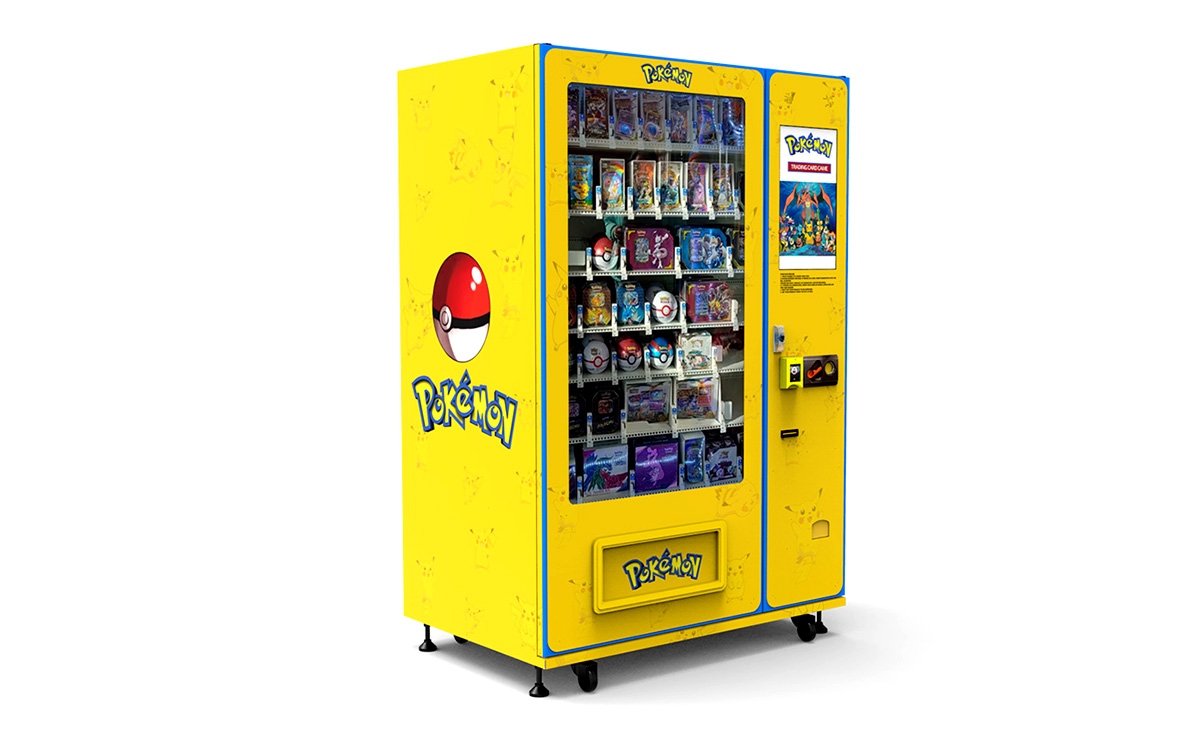
When you budget for outdoor snack vending machines, do not just look at the machine price. You also need to account for delivery, installation, and site preparation. A standard delivery and setup fee runs between $200 and $500. If the location requires a concrete pad or electrical work, that can add another $500 to $1,500. The payment system setup fee is often around $100 to $200, and some providers charge a monthly subscription for telemetry services. Here is a rough cost breakdown based on my experience:
| Expense Category | Cost Range (USD) |
|---|---|
| New outdoor snack vending machine | $5,000 - $9,000 |
| Used machine (refurbished) | $2,000 - $4,000 |
| Delivery and installation | $200 - $500 |
| Concrete pad or electrical work | $500 - $1,500 |
| Cashless payment terminal | $400 - $800 |
| Telemetry subscription (annual) | $200 - $400 |
| Initial product inventory | $300 - $600 |
Recurring Costs You Cannot Ignore
Operating outdoor snack vending machines involves ongoing costs that many beginners underestimate. Electricity is the most predictable expense, but it varies by climate. In hot regions, the compressor runs more frequently, increasing the electric bill. I have seen outdoor machines in Arizona cost $70 per month to run during summer. In milder climates, the same machine costs $25 per month. Maintenance is the second biggest cost. You should budget at least $50 to $100 per machine per month for repairs and parts. This includes things like replacing a jammed motor, fixing a door hinge, or cleaning the condenser coils. If you ignore these small issues, they become big problems that require a full vending machine repair service, which can cost upwards of $400.
Product spoilage is another hidden cost. Outdoor machines experience more temperature fluctuations than indoor ones. Even with a good refrigeration system, you will have some spoilage, especially if you restock too infrequently. I recommend restocking outdoor machines at least once a week during peak season. In low-traffic locations, every two weeks may work, but you risk selling expired products, which hurts your reputation and can lead to health code violations.
How to Evaluate a Location Before Placing a Machine
Location evaluation is the single most important skill in this business. I have seen operators buy the best outdoor snack vending machines only to place them in dead spots and fail. Here is how I evaluate a potential location. First, I stand at the spot for at least 30 minutes during peak hours. I count the number of people who walk by. If the foot traffic is fewer than 100 people per hour, the location is marginal. Second, I check whether people already have access to snacks or drinks within a five-minute walk. If there is a gas station, a convenience store, or even another vending machine nearby, I pass. Third, I talk to the property owner or manager. I ask about the demographics of the visitors, the busiest times of day, and whether they have had vending machines before. If they had a machine that was removed because of low sales, I ask why. Sometimes the previous operator did a poor job, and the location is actually good. Other times, the location simply does not support a machine.
One mistake I made early in my career was putting a machine outside a small hardware store. The foot traffic was decent, but the average customer was a contractor who carried a cooler with drinks. The machine did less than $100 per month. I moved it to a public park entrance, and within three months, the sales tripled. The same machine, same products, different location. That lesson cost me about $1,500 in lost revenue and moving expenses. Do not repeat it.
Supplier Selection: What to Look for and Why Zhongda Smart Deserves a Look
Choosing the right supplier is as important as choosing the right machine. The vending machine industry has many manufacturers, but not all of them understand the specific demands of outdoor operation. When I evaluate a supplier, I look for three things: build quality documentation, after-sales support, and spare parts availability. A good supplier should provide detailed specifications on insulation thickness, compressor type, and ambient temperature ratings. They should also have a network of service technicians or at least a reliable parts warehouse.
In recent years, I have seen more operators turn to manufacturers like Zhongda Smart for outdoor snack vending machines. Their equipment is designed with weather-resistant materials and offers dual-temperature zones, which is a practical feature for mixed snack and drink sales. They also provide telemetry integration and cashless payment options out of the box. While I am not here to pitch any brand, I will say that Zhongda Smart has become a common name in the industry for operators looking for a balance between cost and durability. As with any supplier, I recommend ordering a sample machine or visiting their factory if possible before making a bulk purchase.
Common Beginner Mistakes and How to Avoid Them
Buying the Cheapest Machine Available
The biggest mistake I see is buying a low-cost machine from an unknown manufacturer. These machines often use substandard components that fail within the first year. A vending machine repair for a failed compressor can cost almost as much as the machine itself. Spend the extra money upfront on a machine with a proven track record. It will save you thousands in the long run.
Ignoring the Payment System
Another common error is installing a machine that only accepts cash. In the United States, cash transactions have been declining steadily. According to a 2023 Federal Reserve survey, only 18 percent of in-person payments are made with cash. If your outdoor snack vending machines only take coins and bills, you are leaving 80 percent of potential sales on the table. Invest in a reliable cashless system from day one.
Overlooking Site Preparation
Many new operators place a machine directly on the ground without a concrete pad or leveling. This leads to door alignment issues, which cause the machine to lose cooling efficiency and allow moisture to enter. Always install outdoor snack vending machines on a level, solid surface. A concrete pad is the best option. If that is not possible, use heavy-duty rubber mats designed for outdoor equipment.
Restocking Inefficiently
New operators often restock too frequently or not frequently enough. The key is to use sales data from your telemetry system to predict demand. If you are not using telemetry, you are flying blind. I have seen operators drive two hours to restock a machine that only sold ten items. That trip cost more in fuel and labor than the profit from those sales. Use data to optimize your route and save money.
Table: Comparison of Different Outdoor Vending Machine Configurations
| Configuration | Pros | Cons | Best For |
|---|---|---|---|
| Single-temp snack only | Lower cost, simpler maintenance | Cannot sell cold drinks, limited product range | Low-traffic spots with no drink demand |
| Dual-temp snack and drink | Versatile, higher revenue potential | More expensive, higher power consumption | Medium to high traffic locations |
| Glass-front merchandiser | Product visibility increases sales | Higher initial cost, more glass breakage risk | High-traffic public areas |
| Spiral or coil system | Reliable, easy to restock | Limited to certain product sizes | Standard snack items |
| Tray or belt system | Handles irregularly shaped items | More mechanical parts, higher repair rate | Specialty or premium snacks |
How to Assess Whether a Machine Is Worth the Investment
Before purchasing any outdoor snack vending machine, run a simple calculation. Estimate the monthly foot traffic at the proposed location. Multiply that by the expected conversion rate. A good conversion rate for vending is 2 to 5 percent of passersby making a purchase. So if 1,000 people walk past per day, and 3 percent buy something, that is 30 transactions per day. At an average transaction value of $2.50, that is $75 per day, or about $2,250 per month. Subtract cost of goods, electricity, commission, and maintenance, and you are left with a net profit of roughly $600 to $800 per month. That machine would pay for itself in less than a year. If the foot traffic is only 200 people per day, the numbers look very different. Do this math before you buy anything.
Also consider the long-term viability of the location. Is the area growing or declining? Are there new developments planned that could bring more foot traffic or increase competition? A location that is good today might be dead in two years. I have a machine at a construction site that was highly profitable during the build phase. Once the project ended, sales dropped to near zero. I moved the machine within a month, but I lost that month of potential revenue. Always have a backup location in mind.
FAQ: Common Questions About Outdoor Snack Vending Machines
Are outdoor snack vending machines profitable?
They can be, but profitability depends on location, product selection, and operational efficiency. In my experience, a well-placed machine can generate $150 to $300 in monthly net profit. Higher-traffic locations with no nearby competition can do better. Always calculate your numbers before investing.
How much does a good outdoor snack vending machine cost?
A new machine with weatherproofing, dual-temperature zones, and a cashless payment system typically costs between $5,000 and $9,000. Used machines range from $2,000 to $4,000, but may require repairs. Factor in installation, delivery, and initial inventory costs as well.
How long does it take to recover the initial investment?
For a new machine, expect a payback period of 30 to 40 months under average conditions. Used machines can pay back in 12 to 18 months if the location is good and the machine is reliable. These are estimates based on my own route data and industry averages.
Should a beginner buy or lease a vending machine?
Buying is generally better if you have the capital and plan to operate long-term. Leasing often comes with higher monthly costs and restrictions on where you can place the machine. However, leasing can be a way to test the business with lower upfront risk. I recommend buying a single used machine first to learn the ropes.
Where are the best places to put outdoor snack vending machines?
Public parks, sports fields, trailheads, campgrounds, bus stops, train stations, car washes, and construction sites are all strong candidates. The common factor is high foot traffic and limited nearby food options. Avoid locations where people already have easy access to snacks and drinks.
What permits or licenses do I need?
Requirements vary by country, state, and even city. In the United States, you typically need a business license, a sales tax permit, and possibly a food handling permit if you sell perishable items. Some municipalities require a specific vending machine permit. Check with your local business licensing office before placing any machine.
How do I choose a reliable vending machine supplier?
Look for suppliers that offer detailed specifications, transparent pricing, and a warranty of at least one year. Ask about spare parts availability and whether they have a service network in your area. Zhongda Smart is one manufacturer that provides solid outdoor machines with good support, but always verify with current customers if possible.
What happens if the machine breaks down?
You will need to either repair it yourself or hire a vending machine repair technician. Basic repairs like clearing a jam or replacing a motor can be learned through online tutorials. For compressor or electronic failures, you will likely need a professional. Having a spare machine on hand can minimize downtime.
How can I reduce restocking and maintenance costs?
Use a telemetry system to track sales in real time. This allows you to restock only when needed, reducing trips and spoilage. Perform regular preventive maintenance, such as cleaning condenser coils and checking door seals, to avoid major breakdowns. Batch your restocking routes geographically to save fuel and time.
This guide reflects my personal experience operating outdoor snack vending machines across different markets. The numbers I have shared are based on real routes I have managed, but your results will vary depending on location, local regulations, and market conditions. I recommend starting with one machine, learning the operational rhythm, and scaling only after you have a clear understanding of your costs and revenue potential. The industry is full of opportunities, but it rewards discipline and patience more than hype.
本文更新于2025年5月。市场数据可能随时间变化,请结合当地最新信息做出商业决策。