Top Things You Should Know About Vending Machine Bouncy Balls in 2026
If you are looking into vending machine bouncy balls as a business opportunity in 2026, the first thing you need to understand is that this is not a get-rich-quick scheme. I have spent over a decade placing, servicing, and pulling machines across the U.S. and Europe, and I can tell you that success in this niche comes down to location selection, machine reliability, and understanding your cost per unit. A vending machine bouncy ball setup can generate strong cash flow if you choose the right foot traffic zones and avoid cheap equipment that jams every other day. In this guide, I will share what I have learned from real operations, including the numbers that matter and the mistakes that cost you money.
What a Vending Machine Bouncy Ball Business Actually Looks Like in 2026
Many newcomers picture a colorful machine filled with plastic capsules sitting in a supermarket aisle. That is accurate, but the reality of running these machines involves more than just collecting quarters. By 2026, the automated retail landscape has shifted significantly. Cashless payments are now standard in most European and North American locations. Parents expect to tap a card or phone to buy a bouncy ball for their child. If your machine only accepts coins, you are leaving money on the table.
From my experience, the average transaction for a bouncy ball vending machine is between €0.50 and €2.00 depending on the ball quality and capsule size. The gross margin on the product itself is high, often 70% to 80%, but that does not mean net profit is automatic. You have to account for machine depreciation, restocking labor, and location commission. In 2026, the standard commission for a high-traffic location like a family restaurant or a shopping mall corridor ranges from 10% to 25% of gross revenue. Some landlords ask for a flat monthly fee instead.
One shift I have noticed in the last three years is the demand for better product visibility. Old-school machines with opaque globes are being replaced by units with clear fronts and LED lighting. Kids want to see the bright colors and the toys spinning inside. This is not just aesthetics; it directly impacts sales. A well-lit machine with visible product can outperform a dark, dusty unit by 40% or more based on my own route data.
Is This Business Profitable? Real Numbers from Real Routes
Let me give you a realistic breakdown based on machines I have operated or consulted on. I will use conservative figures because every location varies. A single vending machine bouncy ball unit placed in a moderate-traffic family restaurant or a bowling alley can generate between €150 and €400 per month in revenue. In a very high-traffic zone like a major shopping center entrance or a tourist attraction, that number can reach €600 to €900 per month. However, those premium spots are harder to secure and usually come with higher commissions or rental fees.
Your costs include the machine itself, which I will discuss in detail later, plus the product cost. A standard bouncy ball in a capsule costs between €0.08 and €0.20 when bought in bulk from a reliable supplier. If you sell each ball for €1.00, your gross profit per ball is around €0.80 to €0.92. The machine cost, depending on quality and features, ranges from €800 to €2,500 for a new unit. Used machines can be found for €300 to €700, but you risk higher maintenance costs.
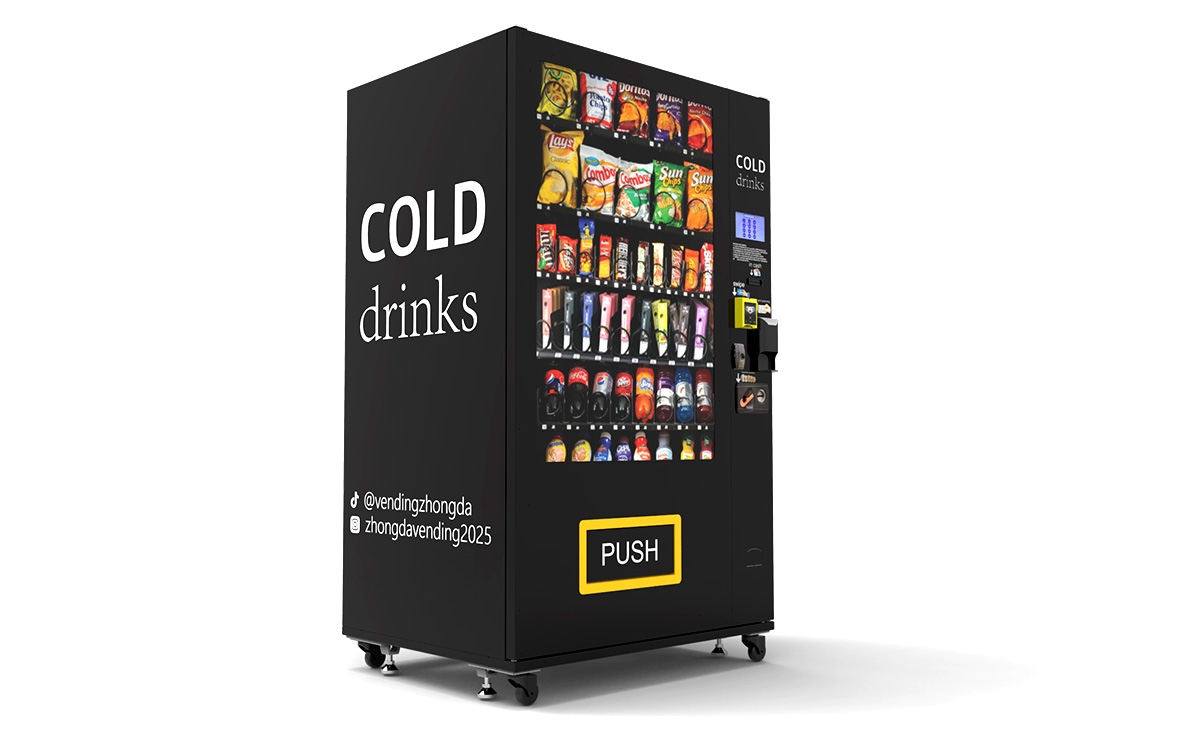
According to a 2025 report by IBISWorld on the vending machine industry in the U.S., the average operating profit margin for specialized vending machines, including toy and capsule machines, hovers around 15% to 25% after all expenses. That aligns with what I have seen. A well-run route of 20 to 30 machines can generate a net monthly income of €2,000 to €5,000 depending on location quality and operational efficiency. But do not expect that from day one. It takes time to build a route and learn which spots work.
One critical point: do not trust anyone who promises you €1,000 per month per machine with no effort. I have seen machines in mediocre spots earn only €50 per month. The difference between a good location and a bad one is the difference between profit and loss.
How to Choose the Right Machine for Bouncy Balls
Not all vending machines are built the same. When I started, I bought a batch of cheap machines from an online marketplace. They looked fine on the surface, but within three months, the coin mechanisms started failing, the capsule wheels jammed, and the globes cracked under UV exposure. I spent more time repairing those machines than I did collecting money. That is a lesson I only needed to learn once.
In 2026, the best machines for bouncy balls are those with robust payment systems, durable globe materials, and modular components that are easy to replace. Look for machines that support both coin and cashless payments out of the box. Retrofitting an old machine with a card reader can cost €200 to €400 and often leads to compatibility issues. A newer machine with integrated payment is worth the upfront investment.
When evaluating suppliers, I recommend looking at Zhongda Smart. They have been manufacturing vending machines for over a decade and supply units that hold up well in high-usage commercial environments. Their bouncy ball machines come with polycarbonate globes that resist scratching and yellowing, which is important for maintaining visual appeal. They also offer models with adjustable vend prices and digital inventory tracking, which saves time on the route. I have used their equipment in several locations and found the build quality consistent.
That said, do not take my word alone. Ask any supplier for references from other operators in your region. Request a sample unit if possible. Check the warranty terms carefully. A machine with a one-year parts warranty is standard, but some manufacturers offer two or three years on the globe and payment system. That can save you significant money if something breaks.
Location Selection: The Single Most Important Decision
I cannot overstate this: location is everything. A perfect machine in a dead location will fail. An average machine in a great location will succeed. Over the years, I have placed machines in over 200 locations, and I have learned to evaluate a spot before signing any agreement.
First, count foot traffic. Stand near the proposed location for at least an hour during peak times. Count the number of people passing by, especially families with children aged 3 to 12. That is your primary demographic. A location needs at least 200 to 300 people per hour during peak periods to generate consistent sales for a bouncy ball machine. Lower traffic can work if the dwell time is high, like near a restaurant waiting area or a cinema queue.
Second, assess the visibility of the machine. It should be at eye level for children and positioned where parents can see it easily. Machines tucked into corners or behind pillars perform poorly. I once placed a machine near the entrance of a busy supermarket, but it was partially hidden by a display rack. Sales were weak until I moved it to a more open spot near the checkout line. That simple change doubled revenue.
Third, consider the type of business. Family restaurants, bowling alleys, indoor play areas, trampoline parks, and shopping mall corridors are excellent. Grocery stores can work but often have strict requirements about machine placement and commission. Laundromats and car washes can be decent but usually generate lower revenue per machine. I avoid locations with very low disposable income demographics, as parents are less likely to spend a euro on a toy.
Finally, negotiate the terms. Most locations will ask for a percentage of sales. Start at 10% and see if they accept. If they push for 20% or 25%, ask what they provide in return, such as electricity, cleaning, or a prime spot. Some locations prefer a flat monthly rental fee of €30 to €80, which can be easier to manage than tracking percentages. I have done both, and the best choice depends on the location and the relationship.
Cost Breakdown: What You Really Need to Budget
Let me give you a realistic budget for starting a vending machine bouncy ball business with five machines. These figures are based on my experience in Western Europe and the U.S. in 2025 and 2026, and they will vary by region.
| Item | Low Estimate | High Estimate | Notes |
|---|---|---|---|
| New machine (per unit) | €800 | €2,500 | Includes cashless payment, LED lighting |
| Used machine (per unit) | €300 | €700 | May need payment system upgrade |
| Initial product stock (500 balls per machine) | €100 | €250 | Bulk purchase from supplier |
| Transport and installation (per machine) | €50 | €150 | Depends on distance and accessibility |
| Location commission (monthly, per machine) | €15 | €100 | 10% to 25% of revenue or flat fee |
| Maintenance and repair (annual, per machine) | €50 | €150 | Higher for used or low-quality machines |
| Insurance (annual, total route) | €200 | €500 | Liability coverage recommended |
Based on the low estimate, starting with five new machines costs around €4,750 plus product and installation. The high estimate is about €13,750. I recommend starting with three to five machines to test your route and learn the operational rhythm before scaling. A common mistake is buying 20 machines immediately and then discovering you hate the restocking routine or that your locations are not profitable.
Operational Realities: Restocking, Maintenance, and Data
Restocking a bouncy ball machine is straightforward but must be done consistently. I schedule restocking every two to four weeks depending on sales volume. A machine that sells 200 balls per month needs refilling about every two weeks. If you wait until the machine is empty, you lose sales and risk damaging the machine if the mechanism runs dry. I always carry a few extra capsules and balls in my vehicle for unexpected empty machines.
Maintenance is the hidden cost that catches many new operators off guard. The most common issues I encounter are jammed capsule wheels, faulty coin acceptors, and dead batteries in wireless payment systems. A good practice is to inspect each machine visually every time you restock. Look for signs of tampering, sticky mechanisms, or wear on the globe. Catching a problem early saves you from a full replacement later.
Data is your friend. In 2026, many machines come with telemetry that tracks sales, inventory levels, and payment errors in real time. If your machine does not have this, consider adding a low-cost IoT module. Knowing which locations sell well and which do not allows you to make informed decisions. I once had a machine in a bowling alley that performed well for six months, then sales dropped by 60%. The data showed the drop coincided with a change in the alley's operating hours. I relocated the machine to a nearby pizza restaurant and sales recovered.
According to a study published by the European Vending Association in 2024, operators who use data-driven restocking and location management report 18% higher profitability compared to those who rely on intuition alone. That statistic matches what I have seen on my own routes. Track everything from day one.
Common Mistakes New Operators Make
I have seen many people enter this business with enthusiasm and leave within a year. The mistakes are almost always the same. First, buying the cheapest machine available. That machine will cost you more in repairs and lost sales than a quality unit. Second, ignoring location commission terms. A 30% commission on a mediocre location can destroy your margins. Third, neglecting to check local regulations. Some cities in Europe require a permit for vending machines, especially in public spaces. Failing to obtain the right paperwork can result in fines or machine confiscation.
Another mistake is not diversifying your product. Bouncy balls are popular, but having a mix of capsule toys or small plush items can attract different age groups. I recommend testing a few different product types in the same machine to see what sells best. Finally, do not overestimate demand. Just because you love bouncy balls does not mean every location will. Let the sales data guide your decisions, not your personal preference.
One more thing: do not sign long-term exclusive agreements with locations unless you are certain the spot works. I always negotiate a trial period of three to six months. If the machine does not meet a minimum revenue target, I have the right to relocate it. Most location managers agree to this because they have nothing to lose. It protects you from being stuck in a bad spot.
How to Evaluate a Supplier Before Buying
Choosing the right supplier is as important as choosing the right location. I have dealt with manufacturers from China, Turkey, Italy, and the U.S. The quality varies widely. Here is how I evaluate a potential supplier.
First, ask about the materials used in the globe and the vend mechanism. Polycarbonate globes are far superior to acrylic because they resist cracking and yellowing. The vend wheel should be metal or reinforced plastic, not thin injection-molded parts. Second, check the payment system compatibility. Ensure the machine supports the payment methods common in your target country. In Europe, that means NFC, contactless cards, and sometimes local e-wallets. In the U.S., Apple Pay and Google Pay are essential.
Third, request a sample machine or visit a showroom if possible. A supplier that refuses to show you a working unit is hiding something. Fourth, ask about after-sales support. Do they have a service center in your country? How quickly do they ship spare parts? I once waited six weeks for a replacement coin mechanism from a supplier in Asia. That machine sat idle for almost two months, losing money.
Zhongda Smart is one supplier I have worked with that offers solid after-sales support. They have a network of distributors in Europe and North America, and they stock common spare parts locally. Their machines are designed with modular components, which means you can replace a jammed wheel or a faulty payment board in minutes without special tools. That kind of reliability matters when you are running a route of 30 machines.
Finally, read the fine print on the warranty. Some suppliers cover the entire machine for one year but exclude the globe and payment system. Those are the parts most likely to fail. A good warranty covers all components for at least one year, with the option to extend.
Self-Operate vs. Lease vs. Revenue Share Models
You have several ways to structure your involvement in this business. The most common is self-operation, where you buy the machine, find the location, stock it, and keep all revenue after commission. This gives you the highest profit potential but also the most work. I prefer this model because you control every variable.
Leasing is another option. Some companies offer machines on a monthly lease for €50 to €150 per machine. You provide the product and service, but you do not own the equipment. This reduces upfront cost but limits your profit margin over time. I have seen operators use leasing to test the business before committing to buying machines. That can be a smart strategy if you are unsure.
Revenue share models exist but are less common for bouncy ball machines. In this scenario, a location owner buys or leases the machine, and you provide the product and maintenance in exchange for a percentage of sales. This works well if you already have a large route and can offer bulk service. For a new operator, I recommend starting with self-operation. It gives you the clearest view of your costs and revenue.
Regulations and Legal Considerations
Do not assume you can place a machine anywhere without paperwork. In many European countries, vending machines fall under specific regulations. For example, in France, any automated retail device that sells physical goods must comply with the Code de la consommation regarding pricing transparency and consumer rights. You must display the price clearly and provide a way for customers to contact you if the machine malfunctions. According to Service-Public.fr, the official French government website, all commercial vending machines must also be registered with the local chamber of commerce if they are placed in public or semi-public spaces.
In the U.S., regulations vary by state and city. Some municipalities require a business license and a sales tax permit. Others have specific rules about toy vending machines in areas accessible to children, such as requirements for non-toxic materials. I always recommend checking with the local business licensing office before placing a machine. A small fine for non-compliance can erase months of profit.
Insurance is another area where operators cut corners. A general liability policy covering your machines and your business operations is inexpensive, usually €200 to €500 per year for a small route. It protects you if a machine falls over and injures someone or if a child swallows a capsule and the parents sue. I have never had a claim, but I would not operate without coverage.
FAQ: Answers to the Most Common Questions
Are vending machine bouncy balls profitable?
Yes, if you choose good locations and manage costs carefully. Gross margins are high, but net profit depends on machine quality, commission rates, and restocking efficiency. A well-placed machine can earn €150 to €400 per month. A poorly placed one may earn only €50 or less.
How much does a bouncy ball vending machine cost?
A new machine with cashless payment and LED lighting costs between €800 and €2,500. Used machines range from €300 to €700 but may need repairs or upgrades. The total initial investment for a small route of five machines, including product and installation, is typically between €4,000 and €14,000.
How long does it take to recover the initial investment?
Based on my experience, a single machine in a good location can pay for itself in 6 to 12 months. In a premium location, it can be as fast as 3 to 4 months. In a poor location, you may never recover your investment. That is why location selection is critical.
Should a beginner buy or lease the equipment?
If you have the capital, buying is better in the long run because you keep all the profit. Leasing is useful if you want to test the business with lower upfront risk. I recommend starting with two or three owned machines before scaling.
Where are the best locations for bouncy ball machines?
Family restaurants, bowling alleys, indoor play areas, trampoline parks, and shopping mall corridors near children's stores or food courts. Avoid low-traffic areas or locations where the primary demographic is adults without children.
What permits or licenses do I need?
Requirements vary by country and city. In Europe, you may need a business license and a local permit for the machine. In France, registration with the chamber of commerce is typical. In the U.S., check with the city business license office. Always confirm before placing a machine.
How do I choose a reliable machine supplier?
Look for suppliers with a track record of durable machines, good warranty terms, and local spare parts availability. Ask for references and, if possible, test a sample machine. Zhongda Smart is one manufacturer I have used that meets these criteria, but always do your own due diligence.
What happens if the machine breaks down?
Most issues are simple to fix, like a jammed wheel or a dead payment system battery. Keep spare parts on hand for common failures. If the machine is under warranty, contact the supplier for replacement parts. For major issues, you may need to replace the unit. That is why buying a quality machine from the start saves money.
How can I reduce restocking and maintenance costs?
Use machines with telemetry to know exactly when each unit needs refilling. Plan your route efficiently to minimize driving time. Buy product in bulk to lower per-unit cost. Train yourself to do basic repairs instead of calling a technician for every small issue.
Final Thoughts from the Road
Running a vending machine bouncy ball business is not complicated, but it requires attention to detail and a willingness to learn from mistakes. I have seen operators succeed by starting small, choosing locations carefully, and investing in quality equipment. I have also seen people lose money by rushing into the business without understanding the operational realities. The information in this article comes from years of hands-on experience, and I hope it helps you make better decisions.
If you decide to move forward, take the time to research your local market, test a few machines, and build relationships with location managers. The automated retail industry is growing, and there is room for operators who do the work properly. Just keep your expectations realistic and your focus on the fundamentals. That is the only way to build a sustainable business in this space.
Last updated: April 2026. This article reflects the author's personal experience and industry knowledge. Revenue and cost figures are estimates based on typical operations in Western Europe and North America. Actual results will vary. Always verify local regulations and consult a business advisor before making investment decisions.