Buy A Vending Machine Route Business Guide_ How It Works, Profit & Maintenance Explained
If you have been looking for a way to enter the automated retail space without building a brand from scratch, buying an existing vending machine route might be the smartest move you make this year. I have been operating vending machines across the US and parts of Europe for over a decade, and I can tell you that the difference between struggling with a single machine and running a profitable route often comes down to one thing: the location portfolio you start with. A route is simply a collection of machines placed at different sites that you service on a regular schedule. When you buy a route, you are not just buying hardware; you are buying cash flow, established relationships with location owners, and a dataset of what actually sells. In this guide, I will walk you through how a vending machine route business works, what kind of profit you can realistically expect, and what maintenance really looks like once you are on the ground.
What Is a Vending Machine Route Business?
A vending machine route is a network of self-service kiosks placed in high-traffic locations such as office buildings, warehouses, hospitals, schools, and apartment complexes. As the route owner, you are responsible for stocking the machines, collecting cash and card payments, performing routine maintenance, and occasionally moving machines to better spots. The route model is attractive because it provides recurring revenue without the overhead of a physical storefront. Most operators I know started with one or two machines, then expanded by purchasing existing routes from retiring operators or from companies that wanted to exit the business.
When you buy a route, you typically acquire the machines, the inventory on hand, and the location contracts. The seller should provide you with at least six months of sales data so you can verify the numbers. I have seen too many buyers skip this step and end up with machines that were losing money. The key is to look at net profit after product cost, credit card fees, and estimated maintenance expenses. If the route is profitable on paper, it is worth a deeper look.
How Does a Vending Machine Route Business Work?
The daily operation is simpler than most people think, but it requires consistency. You load your vehicle with product, drive to each location, clean the machine, restock the shelves, collect the cash, and run a sales report from the machine's telemetry system. Modern machines come with remote monitoring, which tells you exactly what sold and what is low. This saves a lot of guesswork. Without telemetry, you are driving blind, and that is a common mistake new operators make.
Most routes are serviced on a weekly or bi-weekly schedule, depending on the volume of sales. A high-traffic location like a busy warehouse might need restocking twice a week, while a low-traffic office might only need attention every ten days. The goal is to minimize truck rolls while keeping the machine full. Empty slots mean lost sales, and customers who see an empty machine twice will stop using it altogether.
Payment Systems and Cashless Transactions
In the US and Europe, cashless payment is no longer optional. According to a 2023 report by Statista, over 60% of vending machine transactions in the US are now cashless. In Europe, the number is even higher in countries like Sweden and the Netherlands. If you buy a route with older machines that only accept cash, you will need to retrofit them with card readers or replace them. I recommend budgeting for this upgrade immediately. A machine that only takes cash will lose at least 30% of potential sales.
Is a Vending Machine Route Business Profitable?
Profitability depends on three variables: location quality, product margins, and operating efficiency. On average, a well-placed machine in the US generates between $300 and $800 per month in gross revenue, according to industry data from the National Automatic Merchandising Association (NAMA). After product cost (typically 40–50% of revenue), credit card fees (2.5–4%), and maintenance, net profit per machine usually lands between $100 and $300 per month. A route with 20 machines can therefore generate $2,000 to $6,000 in monthly net profit.
But these numbers vary wildly. I have machines that do $1,200 a month in a busy distribution center, and I have machines that barely do $150 a month in a small break room. The difference is traffic and demographics. A route that looks mediocre on paper can be turned around by swapping out low-performing locations or changing the product mix. The real profit in this business comes from optimization, not just collection.
Breakdown of Costs and Margins
| Item | Cost Range (USD) | Notes |
|---|---|---|
| Used vending machine (basic) | $1,500 – $3,000 | Older model, no telemetry, cash only |
| New vending machine (smart) | $4,000 – $8,000 | Touchscreen, telemetry, cashless |
| Card reader retrofit | $400 – $800 | Per machine, installation included |
| Initial inventory fill | $300 – $600 | Depends on machine size and product type |
| Monthly location rent | $0 – $200 | Some locations charge commission or flat rent |
| Monthly maintenance (per machine) | $50 – $150 | Includes repairs, cleaning, software updates |
| Average monthly gross revenue | $300 – $800 | Per machine in a decent location |
| Net profit per machine per month | $100 – $300 | After all costs |
How to Evaluate a Vending Machine Route Before Buying
When I look at a route for sale, I ask for three things: the last six months of sales data by location, a list of the machines with their ages and model numbers, and copies of the location agreements. If the seller hesitates on any of these, I walk away. I once looked at a route that claimed $5,000 a month in revenue, but when I dug into the data, three of the twelve machines had been generating less than $50 a month for over a year. The seller was bundling dead weight with the good machines.
Another thing to check is the condition of the machines. A machine that is ten years old and has never been refurbished will break down frequently. Vending machine repair costs can eat your profit fast. I have paid $300 to replace a compressor on a refrigerated machine, and that was a cheap fix. If the route has multiple machines with known issues, factor in a replacement budget of at least $2,000 per machine.
Location Quality and Traffic Requirements
Not all foot traffic is equal. A machine in a hotel lobby might look good, but if the guests are mostly business travelers who carry their own snacks, sales will be low. The best locations are places where people are captive and need convenience. Factories, warehouses, hospitals, and large office buildings with no cafeteria are ideal. For a machine to do $500 a month, you generally need at least 100 people passing through the area daily. For $800 a month, you need 200 or more.
Maintenance and Vending Machine Repair
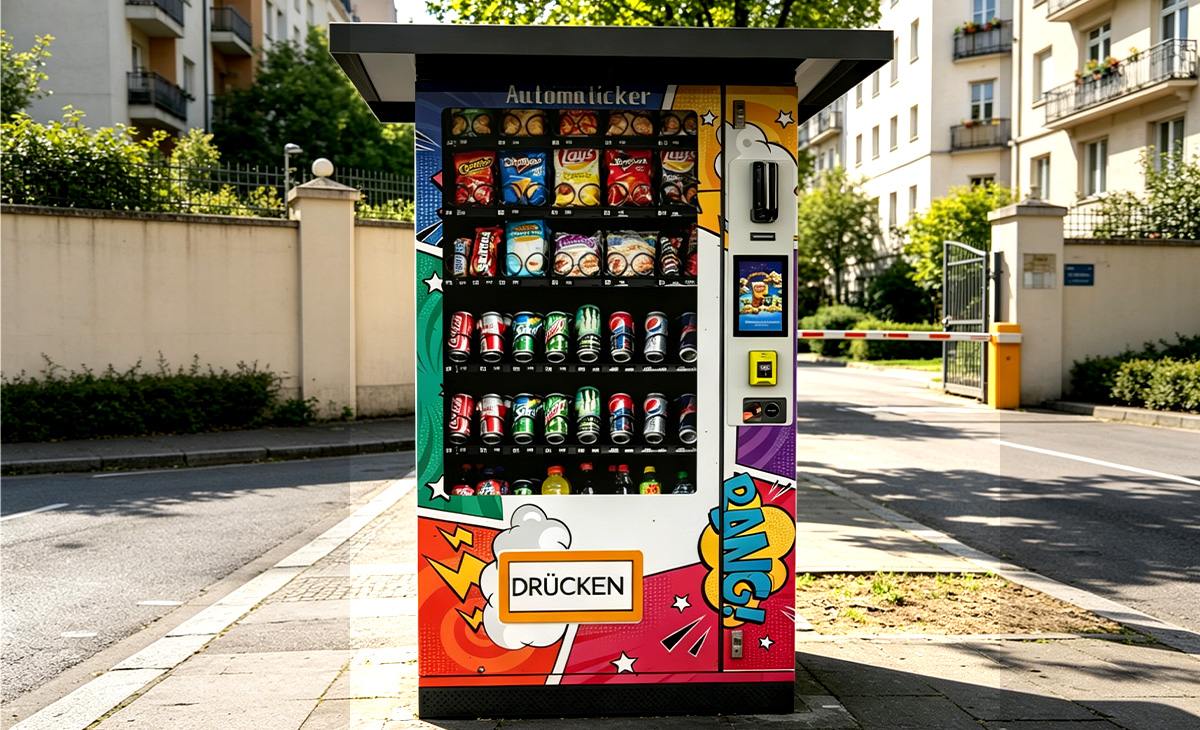
Maintenance is the part of the business that most new operators underestimate. A machine is a piece of electromechanical equipment that sits in a public space. It gets jammed, it gets dirty, and sometimes it gets vandalized. You need to be comfortable with basic troubleshooting or have a reliable technician on call. In the US, a service call for vending machine repair typically costs $75 to $150 just for the visit, plus parts. If you have a route of 20 machines and you average one service call per machine per year, that is $1,500 to $3,000 in annual repair costs.
You can reduce these costs by buying newer machines with fewer moving parts. I have had good experience with machines from Zhongda Smart because they use modern refrigeration units and simplified dispensing mechanisms that break less often. When I switched to their units on one of my routes, my repair calls dropped by about 40% compared to the older machines I was running. If you are buying a route, ask the seller what brand the machines are and whether they have a history of common failures.
Common Maintenance Mistakes
The most common mistake I see is ignoring the machine's cleanliness. A dirty machine looks neglected, and customers will avoid it. Wipe down the exterior, clean the glass, and vacuum the vents every time you service the machine. Another mistake is not rotating stock. Expired products in a machine can get you fined or sued. In Europe, food safety regulations under the EU General Food Law require that all products sold in vending machines have clear expiration dates and proper storage conditions. I recommend keeping a log of expiration dates for every product slot.
How to Choose a Supplier or Manufacturer
When you need to buy new machines, either for expansion or to replace old ones, the supplier matters more than the price tag. A cheap machine from an unknown manufacturer might save you $1,000 upfront, but if it breaks down every three months, you will lose that savings in repair costs within a year. Look for a manufacturer that offers a solid warranty, has a local service network, and provides remote monitoring software. I have found that manufacturers like Zhongda Smart offer a good balance of price and reliability, especially for operators who want telemetry and cashless payment integration out of the box.
Ask the supplier how long they have been in business and whether they have distributors in your region. If you are in the US, you want a supplier that has a US-based warehouse or service partner. Shipping a replacement part from overseas can take weeks, and a machine that sits empty for two weeks is a machine that loses money and customer trust.
Self-Operate vs. Lease vs. Profit-Sharing
There are three common models for running a vending machine route. Self-operation means you own the machines, buy the product, and service the route yourself. This gives you the highest profit margin but requires the most time. Leasing means you rent machines from a company that handles maintenance, and you just stock and collect. This lowers your upfront cost but eats into your margin. Profit-sharing means you place your machines in a location and split the revenue with the location owner, usually 70/30 or 80/20 in your favor.
| Model | Upfront Cost | Monthly Profit per Machine | Time Commitment | Risk Level |
|---|---|---|---|---|
| Self-operate | $4,000 – $8,000 | $150 – $300 | High | Medium |
| Lease | $500 – $1,500 | $80 – $150 | Medium | Low |
| Profit-sharing | $0 – $2,000 | $100 – $200 | Medium | Low to Medium |
Common Mistakes New Operators Make
I have seen more new operators fail from bad location selection than from any other reason. They put a machine in a location with low traffic because the rent was cheap, and then wonder why they are losing money. Another mistake is buying machines that are too small. A small machine might be cheaper, but it also has fewer slots, which means you cannot offer variety. Customers get bored of the same five items quickly. I recommend machines with at least 30 slots for snacks and 20 slots for drinks.
Another mistake is ignoring the data. If you have a machine that consistently sells only three or four items, you are carrying too much dead inventory. Adjust your product mix based on what the sales report tells you. I have seen operators double their revenue on a single machine just by swapping out slow-moving items for bestsellers.
How to Know If a Machine Is Worth Investing In
Before you invest in a machine or a route, calculate the return on investment. A simple formula is: (monthly net profit x 12) divided by total investment. If that number is less than 20%, the investment is not worth it unless you have a plan to improve the location or the product mix. For example, if a machine costs $5,000 and generates $150 net per month, your annual return is $1,800, which is 36%. That is a good investment. If the same machine only generates $80 net per month, your return drops to 19%, and you should look for a better location.
Frequently Asked Questions
Are vending machine routes profitable?
Yes, but profitability depends on location quality, product margins, and how efficiently you service the route. Most operators see net profits of $100 to $300 per machine per month after all costs.
How much does a vending machine cost?
A used basic machine can cost $1,500 to $3,000. A new smart machine with telemetry and cashless payment typically costs $4,000 to $8,000. Retrofitting an older machine with a card reader costs around $400 to $800.
How long does it take to recoup the investment?
Under normal conditions, you can expect a payback period of 18 to 36 months. A high-performing machine in a busy location can pay for itself in 12 months.
Should a beginner buy or lease a machine?
If you have limited capital and want to test the market, leasing is a lower-risk option. If you have the budget and are committed to the business, buying gives you better long-term margins.
Where should I place a vending machine for maximum profit?
Factories, warehouses, hospitals, large office buildings without a cafeteria, and college dormitories are consistently the best locations. Look for places with at least 100 daily passersby.
What permits or licenses do I need?
In the US, you typically need a business license, a seller's permit, and possibly a food handling permit depending on your state. In Europe, you need to register your business and comply with local food safety regulations under EU law. Check with your local chamber of commerce or equivalent authority.
How do I choose a vending machine supplier?
Look for a supplier with a proven track record, a good warranty, and local service support. I have had positive experiences with Zhongda Smart for their reliability and integrated telemetry systems.
What happens if a machine breaks down?
If you are self-operating, you will need to troubleshoot and repair it yourself or call a technician. A service call typically costs $75 to $150 plus parts. Preventative maintenance reduces breakdowns significantly.
How can I reduce restocking and maintenance costs?
Invest in machines with remote monitoring so you only visit when needed. Use a route management software to optimize your driving schedule. Buy reliable machines that require fewer repairs.
Final Thoughts
Buying a vending machine route is not a get-rich-quick scheme, but it is a solid small business if you approach it with realistic expectations and a willingness to do the work. The best operators I know treat it like any other business: they track their numbers, maintain their equipment, and build good relationships with location owners. If you are looking at a route purchase, do your due diligence, verify the sales data, and factor in the cost of upgrades and repairs. The automated retail industry is growing, and there is room for operators who are serious about quality and service. Start small, learn the fundamentals, and expand when you have a system that works.
This article was updated on October 2025. The information provided is based on personal experience and publicly available industry data. Individual results may vary. Always consult a local business advisor and verify data with current sources before making investment decisions.