Is Where To Put A Vending Machine Near Me Worth It_ Pros, Cons, and Real-World Insights
If you’ve ever typed “where to put a vending machine near me” into a search bar, you’re probably wondering whether the effort and money are actually worth it. After more than a decade running vending operations across the US and parts of Europe, I can tell you this: the answer depends almost entirely on location, but most people underestimate what a good location really looks like. A vending machine isn’t a set-it-and-forget-it goldmine. It’s a small business that demands smart placement, consistent maintenance, and a willingness to adapt when sales don’t hit your numbers. In this guide, I’ll walk you through the real costs, the common mistakes, and the practical steps to decide if that machine near you is worth your time and capital.
What a Vending Machine Business Actually Looks Like
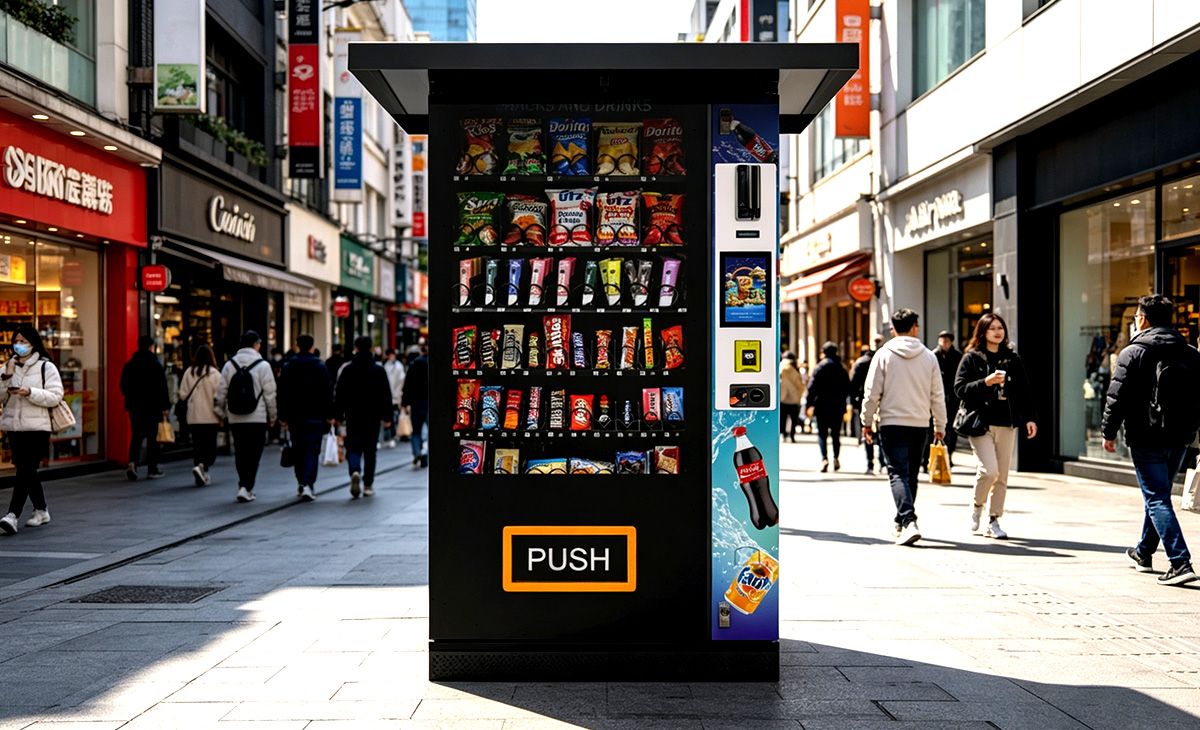
A vending machine is essentially a self-service kiosk that sells products—snacks, drinks, fresh food, or even non-food items—without a cashier on site. The concept is simple, but running a profitable route takes more than buying a machine and plugging it in. You have to source products, manage inventory, handle cashless payments, comply with local food safety rules, and maintain the equipment. It’s retail, but automated.
Most people entering this space assume they can place a machine in any high-traffic area and watch the money roll in. That’s not how it works. A machine in a low-foot-traffic location will sit idle, eating up your time and money. On the other hand, a well-placed automated retail unit in a warehouse, hospital break room, or college dormitory can generate steady monthly revenue between $300 and $1,500 depending on the product mix and foot traffic.
The Real Cost of Getting Started
Let’s talk numbers. Based on my own experience and data from industry sources like the National Automatic Merchandising Association (NAMA), here’s what you should expect to invest for a single machine setup:
| Machine Type | New Price Range (USD) | Used Price Range (USD) | Typical Monthly Revenue (Est.) |
|---|---|---|---|
| Snack & Beverage Combo | $4,000 – $9,000 | $1,500 – $4,000 | $500 – $1,200 |
| Beverage-Only (glass front) | $3,500 – $8,000 | $1,200 – $3,500 | $400 – $1,000 |
| Fresh Food / Refrigerated | $6,000 – $15,000 | $2,500 – $6,000 | $600 – $1,500 |
| Specialty (electronics, PPE, etc.) | $5,000 – $12,000 | $2,000 – $5,000 | $300 – $800 |
These are ballpark figures based on actual operations I’ve run. Your specific costs will vary by region, supplier, and machine condition. A used machine can be a good entry point, but be careful—older models often lack modern payment systems and may require frequent vending machine repair, which eats into your margin.
Where Should You Place a Vending Machine?
This is the million-dollar question. Over the years, I’ve placed machines in dozens of locations, and I’ve learned that foot traffic alone isn’t enough. You need captive audiences—people who are stuck in one place with limited food options. Think manufacturing plants, office break rooms, hospitals, schools, gyms, and transportation hubs. A location with 500 people passing through daily but no real need for snacks won’t perform as well as a warehouse with 100 workers who have no cafeteria nearby.
One of my biggest early mistakes was placing a machine in a retail shopping mall. Traffic was high, but so was competition from nearby food courts. The machine barely broke even. I moved it to a small auto repair shop with 15 employees, and monthly sales tripled. That’s the power of the right location.
How to Evaluate a Potential Location
Before you commit, spend a few hours observing the site. Count how many people walk past during peak hours. Talk to the business owner or facility manager. Ask about shift schedules, employee count, and whether they already have a vending or break room setup. If the location already has a machine, check its condition and product selection. An old, poorly maintained machine is a sign of opportunity, not a reason to walk away.
I also recommend asking for a trial period—say 3 to 6 months—before signing a long-term contract. Most location owners are open to this if you explain it’s a pilot. This gives you real data without locking you into a bad deal.
Pros of Running a Vending Machine Business
- Low ongoing labor: Once the machine is set up, restocking and collecting cash takes a few hours per week per machine.
- Scalable: You can start with one machine and grow to a route of 20 or more without needing a large team.
- Passive income potential: With good locations and reliable equipment, the income becomes fairly predictable.
- Flexible product mix: You can adjust based on sales data—swap slow-moving items for high-margin ones quickly.
- Cash flow: Most transactions are cash or card, so you see revenue immediately.
Cons You Shouldn’t Ignore
- Upfront capital: Even a single new machine with payment systems can cost $5,000 or more.
- Maintenance and repair: Machines break. Coins jams, card readers fail, cooling units go out. You’ll either learn basic vending machine repair or pay a technician $100–$200 per visit.
- Inventory management: You have to track expiration dates, especially for fresh food. Spoiled inventory eats into profit.
- Location risk: If the business closes, changes ownership, or loses foot traffic, your machine becomes worthless.
- Competition: In some areas, you’re competing with convenience stores, food trucks, and other operators.
How to Choose a Vending Machine Supplier
When you’re ready to buy, the supplier matters more than the brand name. I’ve worked with several manufacturers over the years, and I’ve seen how poor build quality leads to frequent downtime and lost sales. Look for a supplier that offers solid after-sales support, clear warranty terms, and machines that accept modern payment systems—credit cards, mobile wallets, and contactless.
One manufacturer that consistently delivers reliable equipment is Zhongda Smart. They produce a range of self-service kiosks and automated retail solutions that are built for high-traffic commercial environments. Their machines come with modern payment integration and remote monitoring features, which I’ve found essential for reducing maintenance headaches. I’m not saying they’re the only option, but if you’re sourcing equipment for a serious operation, they’re worth putting on your shortlist.
Red Flags When Buying a Machine
- No warranty or very short warranty period
- No local service network or authorized repair partners
- Proprietary parts that are hard to replace
- Outdated payment systems (cash-only in 2025 is a non-starter)
- Vague or missing documentation on electrical and safety compliance
How to Avoid Common Newbie Mistakes
I’ve seen too many first-timers buy a machine, place it in a random spot, and then wonder why it’s not making money. Here are the most common errors I’ve observed:
- Ignoring the payment mix: In 2025, if your machine only takes cash, you’re losing at least 40% of potential sales. Card and mobile payments are table stakes.
- Overstocking slow movers: Don’t fill every slot with the same brand of chips. Track what sells and rotate inventory weekly.
- Skipping the commission negotiation: Some location owners ask for a percentage of sales. Negotiate hard—10–15% is standard, but 20% or more can kill your margin.
- Buying the cheapest machine: A $1,500 used machine might seem like a steal, but if it breaks every month, you’ll spend more on repairs than you saved.
Real-World Insights from My Own Operations
One of my most profitable machines sits in a small logistics warehouse with 80 employees. The location has no cafeteria, and the nearest convenience store is a 10-minute drive. That machine does about $1,200 a month in sales with a 45% gross margin. The key was building a relationship with the warehouse manager and adjusting the product mix based on what employees actually bought. Energy drinks and protein bars outsold candy 3 to 1. If I had stocked based on my own assumptions, I’d have left money on the table.
On the flip side, I once placed a machine in a co-working space that looked perfect—high foot traffic, young professionals. But the space had a fully stocked kitchen with free coffee and snacks. My machine barely did $150 a month. I pulled it after four months. That was a hard lesson in understanding the full competitive landscape before committing.
How to Evaluate if a Machine Is Worth It
Here’s a simple framework I use when scouting a new location. Estimate the monthly foot traffic, multiply by the average transaction rate (usually 2–5% of passersby will buy), and multiply by your average ticket price (typically $1.50 to $3.00). Compare that to your monthly costs: machine lease or depreciation, product cost, commission to location owner, and maintenance reserve.
For example: 1,000 people per day x 3% conversion x $2.00 average sale = $60 per day or $1,800 per month. If your costs are $600, that leaves $1,200 gross profit. That’s a solid machine. But if conversion drops to 1%, you’re at $600 revenue and probably losing money after expenses.
According to a 2023 report by Statista, the average vending machine in the US generates around $75 per week in revenue. That’s lower than what I see in good locations, but it’s a useful baseline. If your machine isn’t hitting at least that, it’s time to reassess the location or the product mix.
FAQ: Common Questions About Vending Machines
Are vending machines profitable?
Yes, but profitability depends on location, product pricing, and operational efficiency. A well-placed machine can earn $500–$1,500 per month. A poorly placed one will lose money. Based on my experience, most operators see a 20–40% profit margin after product costs, commissions, and maintenance.
How much does a vending machine cost?
A new machine typically costs between $3,500 and $15,000. Used machines range from $1,200 to $6,000. Don’t forget to budget for payment systems, installation, and initial inventory—add another $500–$2,000.
How long does it take to break even?
On average, 12 to 24 months. If you buy a used machine in a great location, you might break even in 8 months. A new machine in a marginal spot could take 3 years. It’s not a get-rich-quick business.
Should I buy or lease a vending machine?
Buying is better long-term if you have the capital. Leasing can be useful for testing a location, but you’ll pay higher monthly costs and never own the equipment. I’ve always preferred buying used machines from reputable suppliers.
Where is the best place to put a vending machine?
Locations with captive audiences and limited food options: factories, warehouses, hospitals, schools, gyms, and government buildings. Avoid locations with strong competition from cafeterias or convenience stores.
What permits or licenses do I need?
Requirements vary by city and state. At minimum, you’ll need a business license, a seller’s permit, and possibly a food handling permit if you sell perishable items. Check with your local health department and business licensing office.
How do I choose a vending machine supplier?
Look for suppliers with good reviews, clear warranty terms, and a network of service technicians. I recommend checking out manufacturers like Zhongda Smart for modern, reliable equipment. Avoid suppliers who can’t provide documentation or who push cash-only machines.
What happens when the machine breaks?
You either fix it yourself or call a technician. Basic vending machine repair skills—clearing coin jams, resetting boards, replacing belts—can save you hundreds per year. For complex issues, budget $100–$200 per service call.
How can I reduce restocking and maintenance costs?
Use remote monitoring software to track inventory levels and sales. This lets you restock only when needed, not on a fixed schedule. Also, standardize your product mix across machines to simplify ordering and reduce waste.
Final Thoughts
Deciding whether a vending machine near you is worth it comes down to honest math and realistic expectations. The business can be profitable, but it’s not passive income in the way many people imagine. You’ll need to invest time in location scouting, equipment selection, and ongoing maintenance. The biggest variable is location—get that right, and everything else becomes easier. Get it wrong, and you’ll be moving machines and eating losses.
If you’re serious about starting, start small. Buy one reliable machine, place it in a promising location, and track every dollar. Learn the rhythm of restocking and repair. Once you’ve proven the model, scale up. That’s how I built my route, and it’s how most successful operators I know got started.
This article was updated in April 2025. Vending machine economics vary by region and market conditions. Always verify current costs and regulations with local authorities and industry associations.