Self Service Vending Machine Business Guide_ How It Works, Profit & Maintenance Explained
If you are serious about starting a self service vending machine business, the first thing you need to know is that it is not passive income. It is a logistics and retail operation that requires discipline, good location scouting, and a willingness to handle machine breakdowns at 7 PM on a Sunday. After ten years of running automated retail routes across the US and parts of Europe, I can tell you that the difference between a profitable machine and a money pit often comes down to three things: placement, product selection, and how quickly you respond to a vending machine repair call. This guide walks you through how the business actually works, what it costs, and what you need to avoid as a beginner.
The Basics of the Self Service Vending Machine Business
A self service vending machine is essentially an unattended retail point. Customers insert money or tap a card, select a product, and the machine dispenses it. No staff, no lease negotiation for a storefront, and no opening hours. But do not let the simplicity fool you. Behind each transaction is a chain of decisions: what to stock, how often to restock, which payment systems to use, and how to handle spoilage or theft.
Most operators I know run between 10 and 50 machines. A single machine can work, but the economics improve when you have a small route. You drive to multiple locations, fill each machine, collect cash or check digital payments, and handle any issues. The revenue per machine varies widely depending on location and product category.
According to a 2023 IBISWorld report on vending machine operators in the US, the industry generates roughly $7 billion annually, with an average profit margin of around 15 to 20 percent for established operators. New operators often see lower margins in the first year due to trial and error in product selection and location.
How a Self Service Vending Machine Actually Works
The machine itself is a combination of a refrigerated or ambient cabinet, a product dispensing mechanism, a payment system, and a control board. When a customer selects a product, the control board sends a signal to a motor or coil that rotates to release the item. The payment system communicates with a credit card reader or a cash validator, and once the transaction is approved, the machine dispenses.
Modern machines are moving toward cashless payment as standard. In Europe, according to data from Statista, over 60 percent of vending transactions in countries like Germany and France are now cashless. In the US, the number is similar for machines in high-traffic urban areas. If you buy a machine without a card reader, you are limiting your revenue significantly.
Telemetry is another feature that has changed the game. A machine with a cellular or Wi-Fi connection sends you real-time sales data, inventory levels, and error codes. Without telemetry, you are driving blind. I have seen operators who spent months guessing which products sold, only to find out they were overstocking items that moved once a week.
Profit and Revenue Expectations
Let me give you a realistic picture based on my own routes and conversations with other operators. A well-placed machine in a medium-traffic location like a small office building or a laundromat can generate between $200 and $600 per month in revenue. A high-traffic location such as a hospital break room, a busy warehouse, or a college dormitory can bring in $1,000 to $2,500 per month.
Gross margins on products vary. Snacks and candy typically have a margin of 30 to 40 percent. Drinks, especially soda and water, can have margins of 40 to 50 percent if you buy in bulk from wholesalers. Healthy snacks and specialty items sometimes have higher margins but lower turnover.
From that revenue, you subtract the cost of goods sold, the machine lease or depreciation, payment processing fees (usually 2 to 4 percent per transaction), restocking labor, fuel, and vending machine repair costs. After all expenses, a single machine in a decent location might net you $100 to $400 per month. It is not a get-rich-quick business. It is a steady cash flow business if you manage it well.
Startup Costs: What You Need to Budget For
One of the first questions I get from new operators is how much money they need to start. The answer depends on whether you buy new or used equipment, and whether you lease or buy outright.
| Expense Category | Low End (Used/Refurbished) | High End (New with Telemetry) |
|---|---|---|
| Machine purchase | $1,500 – $3,000 | $5,000 – $10,000 |
| Payment system upgrade | $300 – $600 | $800 – $1,500 |
| Initial inventory | $500 – $1,000 | $1,500 – $3,000 |
| Location commission or rent | $0 – $200/month | $200 – $500/month |
| Permits and licenses | $100 – $500 | $200 – $1,000 |
| Transport and installation | $200 – $500 | $500 – $1,000 |
If you buy a cheap used machine without telemetry and without a card reader, you might spend under $2,000 to get started. But you will likely spend more on vending machine repair within the first six months than you would have on a better machine. I have learned this lesson the hard way. A machine that breaks down every two weeks will eat your profit and frustrate your location host.
Choosing the Right Equipment
Not all vending machines are built the same. You have coil machines, spiral machines, glass-front machines, and combo machines that offer both snacks and drinks. Glass-front machines are standard now because customers can see the product. That visual appeal increases sales by as much as 20 percent compared to older machines with small display windows.
Refrigeration is critical if you sell drinks or perishable items. A machine with a poorly designed cooling system will consume more electricity and fail more often. Look for machines with energy-efficient compressors and good insulation. In Europe, machines with an energy class rating of A or higher are becoming common.
When you evaluate suppliers, do not just look at the price tag. Ask about spare parts availability. Some manufacturers make it difficult to source replacement parts, which means longer downtime. Zhongda Smart is one supplier that offers good build quality and readily available parts for their self service vending machine models. I have seen their machines in operation in several European markets, and the feedback from operators is generally positive regarding reliability and ease of maintenance.
Location: The Single Most Important Factor
You can have the best machine in the world, but if it is placed in a low-traffic area, it will not make money. I have moved machines from dead locations to busy ones and seen revenue increase fivefold. The rule of thumb is that you need at least 100 to 200 people passing by the machine per day to generate consistent sales.
Good locations include:
- Office buildings with more than 50 employees and no cafeteria
- Warehouses and industrial facilities
- Hospital break rooms and waiting areas
- College dormitories and student lounges
- Laundromats and car washes
- Gyms and fitness centers
- Apartment complexes with common areas
Bad locations include:
- Retail stores that already sell drinks and snacks
- Locations with very low foot traffic (under 50 people per day)
- Areas with high theft or vandalism
- Locations where the host demands a high commission (above 20 percent of gross sales)
When scouting a location, I always ask the property manager about employee count, shift schedules, and whether there is any existing food service. I also check if there is a convenience store within walking distance. If there is, your machine will struggle unless you offer something unique.
Maintenance and Vending Machine Repair
Machines break. It is not a question of if, but when. The most common issues are jammed products, faulty coin mechanisms, card reader connectivity problems, and refrigeration failures. A good operator has a basic tool kit and knows how to clear a jam or reset a control board. For more serious issues, you need a reliable technician or a service contract.
I keep a log of every repair call. On average, I spend about $150 to $300 per machine per year on vending machine repair costs. That number goes up if the machine is older or if I bought a cheap model. New machines with good warranties can keep repair costs under $100 per year for the first three years.
Preventive maintenance matters. Clean the machine inside and out every month. Check the seals on refrigerated doors. Test the payment system. Replace any worn parts before they fail. A machine that looks clean and works reliably builds trust with customers and keeps sales steady.
Restocking and Inventory Management
How often you restock depends on the location and the machine size. A high-traffic machine might need restocking twice a week. A low-traffic machine might only need attention every two weeks. Telemetry helps here. Without it, you are guessing. With it, you know exactly which products are low and need to be refilled.
I use a simple rule: never let a machine go below 30 percent capacity. When a machine looks empty, customers stop buying. They assume everything is sold out. Keeping it well-stocked also signals to the location host that you are a reliable operator.
Product rotation is another detail that matters. Check expiration dates every time you restock. I have seen operators lose money because they had to throw away expired products. In Europe, food safety regulations require you to track expiration dates for any perishable items. If you sell sandwiches or salads, you need to restock more frequently and discard anything past its sell-by date.
Payment Systems and Cashless Trends
Cashless payment is no longer optional. In many locations, especially in office buildings and universities, customers expect to tap their phone or card. Machines that only accept cash will lose a significant portion of potential sales. According to a 2022 report by the European Vending Association, cashless transactions accounted for over 55 percent of all vending sales in Western Europe.
When choosing a payment system, look for one that supports multiple methods: credit cards, debit cards, Apple Pay, Google Pay, and sometimes local payment apps like iDEAL in the Netherlands or Bancontact in Belgium. The upfront cost is higher, but the increase in sales usually pays for itself within three to six months.
Some payment providers charge a monthly fee plus a per-transaction fee. Compare those fees carefully. A provider that charges 2.5 percent plus $0.10 per transaction might be cheaper than one that charges a flat monthly fee of $30 with no per-transaction cost, depending on your sales volume.
Common Mistakes New Operators Make
I have seen dozens of new operators fail in their first year. The mistakes are almost always the same. One is buying the cheapest possible machine. That machine will break, and the cost of vending machine repair will eat your profit. Another is placing a machine in a location without a written agreement. If the location host decides to kick you out, you have no recourse.
Another common error is overstocking slow-moving products. New operators often stock what they personally like instead of what sells. The data from your machine will tell you the truth. Pay attention to it. If a product has not sold in two weeks, replace it with something else.
Some operators also underestimate the time required. Restocking, cleaning, and handling issues can take five to ten hours per week for a small route of ten machines. That is not a huge time commitment, but it is not zero. If you treat it as completely passive, you will be disappointed.
How to Evaluate a Machine Investment
Before you buy a machine, calculate your expected return on investment. A simple formula is:
(Monthly revenue x gross margin) – (monthly expenses) = net monthly profit.
Divide the total cost of the machine by the net monthly profit. That gives you the number of months to break even. A good machine in a good location should pay for itself within 12 to 18 months. If the payback period is longer than 24 months, the investment is risky.
I also look at the location host relationship. If the host is enthusiastic and sees the machine as a benefit for their employees or customers, the partnership tends to work well. If the host sees it only as a way to make money from commission, they are less likely to help if issues arise.
Supplier Selection Criteria
When you choose a supplier, look for a company that has been in business for at least a few years and has a track record of supporting their machines after the sale. Ask about spare parts availability, warranty terms, and whether they offer training. A supplier that sells you a machine and then disappears is not a partner.
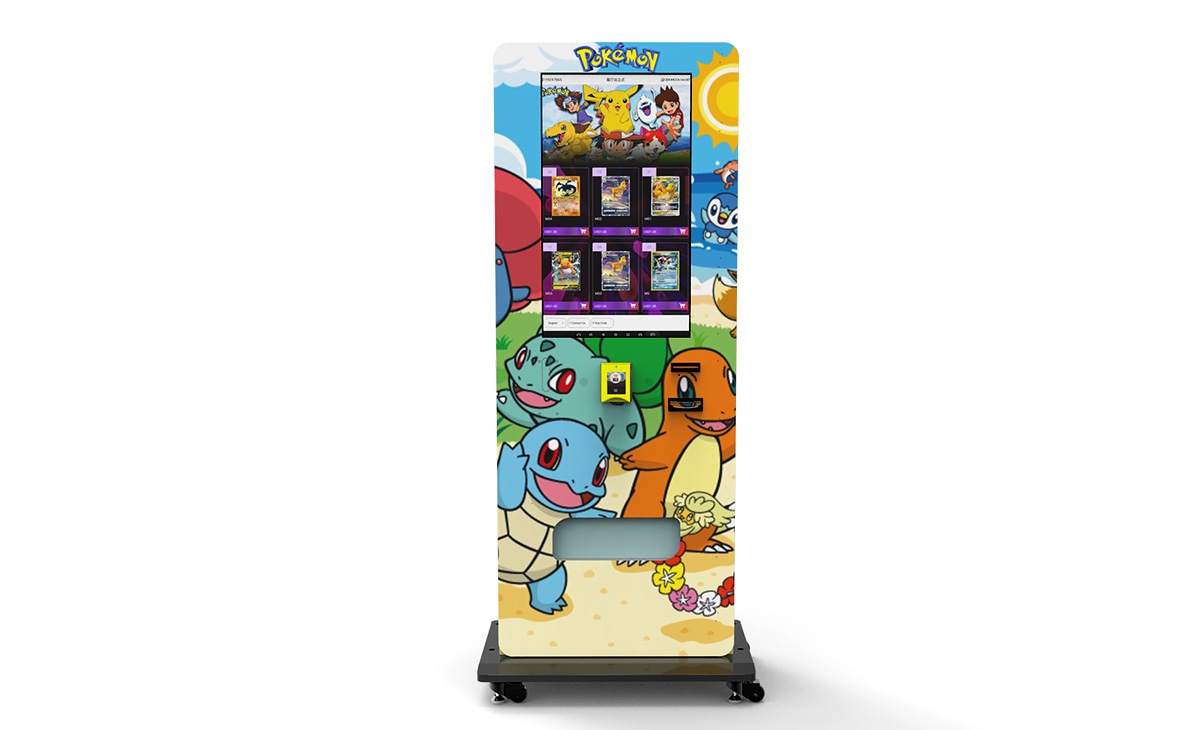
Zhongda Smart is a manufacturer that many operators in Europe and North America have started using. Their self service vending machine models come with telemetry, cashless payment options, and good refrigeration. I have not personally used their machines, but I have spoken to operators who have, and the consensus is that they offer solid value for the price. As with any supplier, verify the warranty terms and check if replacement parts are easy to source in your country.
Legal and Regulatory Considerations
In the US, you typically need a business license and a seller's permit. Some states require a specific vending machine license. In Europe, regulations vary by country. In France, for example, you need to register with the Chamber of Commerce and comply with food safety regulations if you sell perishable items. The European Vending Association provides guidelines that are useful for operators in multiple countries.
If you sell food products, you need to follow HACCP principles. That means keeping a log of temperatures for refrigerated machines and ensuring that products are stored at the correct temperature. Local health departments may inspect your machines, especially if you place them in schools or hospitals.
Taxes also matter. In most jurisdictions, you need to collect and remit sales tax on vending sales. Some states in the US have different tax rates for food and non-food items. Keep accurate records of all your sales and expenses. A good accountant who understands the vending business is worth the investment.
Real Data from the Industry
According to a 2023 market analysis by IBISWorld, the vending machine industry in the US has grown at an annual rate of about 2.5 percent over the past five years. The report notes that operators who adopt cashless payment and telemetry see higher revenue growth than those who do not.
In Europe, a 2022 report from the European Vending and Coffee Service Association (EVA) stated that the total number of vending machines in Europe exceeded 4 million, with an average annual revenue per machine of approximately €3,500. That number varies significantly by country and location type, but it gives you a benchmark.
These numbers are averages. Your actual results will depend on your specific choices. But they provide a realistic starting point for financial planning.
FAQ
Is a self service vending machine business profitable?
It can be profitable if you choose good locations, manage inventory well, and keep maintenance costs under control. Most operators see net monthly profits of $100 to $400 per machine after expenses. Profitability depends heavily on location and product selection.
How much does a vending machine cost?
A new machine with telemetry and a card reader costs between $5,000 and $10,000. Used or refurbished machines can cost $1,500 to $3,000, but they may require more frequent vending machine repair.
How long does it take to break even?
In a good location, you can break even in 12 to 18 months. In a slower location, it may take 24 months or longer. Always calculate your expected payback period before buying a machine.
Should a beginner buy or lease a vending machine?
Buying is usually better in the long term because you keep all the profit. Leasing can be a way to test the business with lower upfront cost, but the monthly lease payments reduce your margin. If you have the capital, buy a good machine from a reliable supplier.
Where should I place my first machine?
Look for locations with at least 100 daily passersby, no existing food service, and a supportive host. Office buildings, warehouses, and laundromats are common starting points. Avoid locations with high commission demands or low foot traffic.
What permits do I need?
In the US, you need a business license and a seller's permit. Some states require a vending machine license. In Europe, requirements vary by country. Register your business and check local food safety regulations if you sell perishable items.
How do I choose a vending machine supplier?
Look for a supplier with good customer support, available spare parts, and a reasonable warranty. Zhongda Smart is one manufacturer that offers reliable machines with telemetry and cashless payment options. Always verify warranty terms and parts availability.
What happens if the machine breaks down?
You need to have a plan for repairs. Basic issues like jams can be fixed by the operator. For more serious problems, you need a technician or a service contract. Keep a log of all repairs and budget for annual maintenance costs.
How can I reduce restocking and maintenance costs?
Use telemetry to track inventory and only visit machines when they need restocking. Buy products in bulk from wholesalers to lower cost of goods sold. Perform regular cleaning and preventive maintenance to reduce breakdowns.
Final Thoughts
The self service vending machine business is not a shortcut to wealth, but it is a legitimate way to build a steady income stream if you approach it with realistic expectations. Focus on location, choose reliable equipment, and stay on top of maintenance. The operators who succeed are the ones who treat it like a real business, not a hobby. If you are willing to put in the work, it can be a rewarding venture.
本文更新于 2025 年 5 月。数据来源包括 IBISWorld(2023 年美国自动售货机行业报告)、Statista(2022 年欧洲自动售货机支付方式统计)、以及欧洲自动售货与咖啡服务协会(EVA)2022 年市场报告。