If you are serious about entering the automated retail space in 2026, starting a ramen noodle vending machine for sale business could be one of the smarter moves you make. I have spent over a decade placing, repairing, and pulling machines across the U.S. and parts of Europe, and I can tell you this: the demand for fresh, hot, instant meals in high-traffic locations is not slowing down. A ramen vending machine is not a gimmick—it is a legitimate self-service kiosk that serves a hungry customer base looking for speed, consistency, and something warmer than a candy bar. This guide walks you through every step I have learned the hard way, from choosing the right machine to calculating real return timelines.
Why Ramen Vending Machines Are a Strong Bet for 2026
The vending machine industry has shifted dramatically over the past five years. Cold snack machines still work, but the real growth is in hot food. According to a 2023 report from IBISWorld, the vending machine industry in the U.S. alone generates over $7 billion annually, with hot food and beverage segments growing faster than traditional snack categories. Ramen fits perfectly into this trend. It is shelf-stable, easy to prepare inside a machine, and familiar to a broad demographic—especially in urban areas with high foot traffic from students, shift workers, and late-night crowds.
What makes ramen different from pizza or burgers in a machine is the simplicity of the mechanics. Most ramen vending machines use dry noodles, a hot water dispenser, and a bowl drop system. There is no refrigeration required for the base product, which cuts down on energy costs and maintenance complexity. I have seen operators run these machines for months with only weekly refills and minimal service calls. That kind of reliability is rare in hot food vending.
Understanding the Equipment: What to Look for in a Ramen Noodle Vending Machine
Not all machines are built the same. When I started, I bought a cheap refurbished unit from a local reseller, and it cost me more in repair bills than the machine itself. Here is what I look for now when evaluating a ramen noodle vending machine for sale.
Heating System and Water Tank
The heart of any ramen machine is the hot water system. You want a machine with a stainless steel tank that can hold at least 10 to 15 liters of water and heat it to 95°C consistently. Cheaper machines use plastic tanks that degrade over time, leading to leaks and temperature inconsistency. Always check the insulation rating. A well-insulated tank uses less power and keeps water hot between servings.
Bowl and Lid Mechanism
This is where many machines fail. The bowl drop mechanism needs to be robust enough to handle paper or plastic bowls without jamming. I have seen machines that work perfectly in a warehouse but jam every third sale in a dusty construction site. Look for machines with a gravity-fed bowl system that has been tested for at least 10,000 cycles. Some manufacturers, like Zhongda Smart, have refined this mechanism over several generations, and their units tend to have fewer jams than generic imports.
Payment Systems
In 2026, cash-only is not an option. Your machine must support credit cards, mobile wallets (Apple Pay, Google Pay), and ideally tap-to-pay. Many European operators also require local payment apps like iDEAL or Bancontact. Make sure the payment terminal is EMV-compliant and can handle offline transactions in case the network drops. I have lost hundreds of dollars in sales because a machine could not process a card when the cellular signal was weak.
Size and Footprint
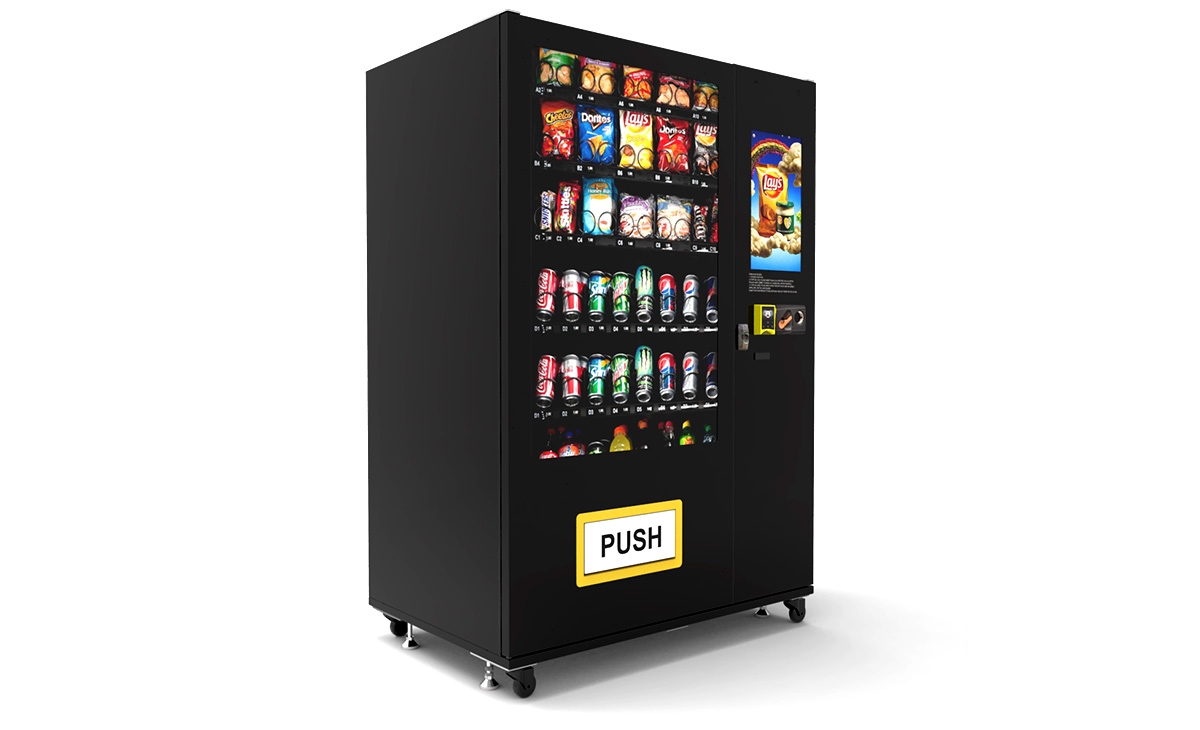
A typical ramen vending machine is about the size of a standard snack machine—roughly 72 inches tall, 36 inches wide, and 30 inches deep. But some models are narrower. Measure your location carefully. I have seen operators buy a machine that was two inches too wide for a doorway, and they had to pay a rigging crew to disassemble and reassemble it on site. That mistake cost them $800.
Location: The Single Most Important Decision You Will Make
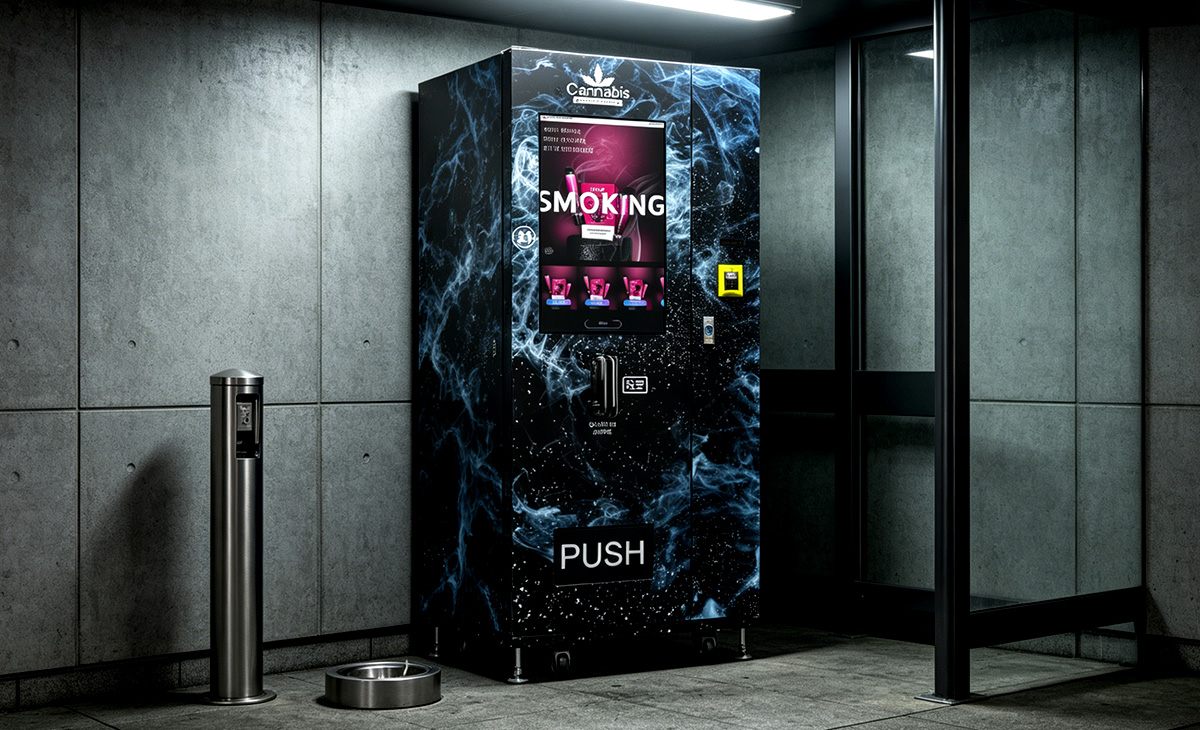
You can buy the best ramen noodle vending machine for sale in the world, but if you put it in the wrong spot, it will not make money. I have pulled machines from college dorms, hospital cafeterias, and truck stops. Here is what I have learned about what works and what does not.
High-Traffic vs. High-Dwell
Traffic alone is not enough. A subway station with 50,000 people passing through might generate only 20 sales a day if people are in a hurry and not hungry. You need locations where people have time to wait 90 seconds for a bowl of noodles. Dormitories, 24-hour laundromats, late-night retail stores, and break rooms in factories are better than train platforms. I have a machine in a 24-hour gym that does over 200 sales a week because people want a hot meal after a late workout.
Rent and Revenue Share
Some locations will ask for a flat monthly rent. Others prefer a percentage of sales. In my experience, a 10–15% revenue share is fair for a good location with high foot traffic. Avoid paying more than 20% unless the location is exceptional—like a 24-hour casino break room. Also, get the agreement in writing. I have had location managers try to renegotiate after seeing the machine do well.
Permits and Health Regulations
This varies by city and state. In the U.S., most vending machines that serve hot food need a health department permit. In Europe, regulations can be stricter, especially in countries like Germany and France. You may need to register the machine as a food service establishment. Check with your local health department before you buy. I have seen operators forced to remove machines because they did not have the proper permits, and they lost their entire investment.
Cost Breakdown: What You Are Really Paying For
Let me be direct: the price tag on the machine is only the beginning. Here is a realistic breakdown based on my own operations and data from the National Automatic Merchandising Association (NAMA).
| Item | Cost Range (USD) | Notes |
|---|---|---|
| New ramen vending machine | $6,000 – $12,000 | Includes heating system, payment terminal, and bowl mechanism. Zhongda Smart units typically fall in the $8,000–$10,000 range for a mid-tier model. |
| Refurbished machine | $3,000 – $5,000 | Higher risk of breakdown. Budget for $500–$1,000 in repairs within the first year. |
| Shipping and installation | $300 – $800 | Depends on distance and whether you need a rigging crew. |
| Payment terminal setup | $200 – $500 | Includes merchant account fees and terminal purchase. |
| Initial inventory (ramen cups, bowls, lids) | $500 – $1,000 | Enough for 2–4 weeks depending on sales volume. |
| Permits and licenses | $100 – $600 | Varies widely by jurisdiction. |
| Monthly operating costs (electricity, data, rent) | $150 – $400 | Electricity is the biggest variable. A machine running 24/7 can add $50–$100 to your bill. |
Total initial investment for a single machine: roughly $7,500 to $15,000. I have seen operators do it for less by buying used, but they usually regret it within six months.
Revenue and Payback Period: Realistic Numbers
I do not like promising fixed returns because every location is different. But based on my experience across 30+ machines, here is what you can reasonably expect. A well-placed ramen vending machine in a 24-hour location with moderate foot traffic can generate $800 to $1,500 per month in revenue. Gross margin on ramen is high—typically 60–70%—because the cost per serving is low (around $0.80 to $1.20) and you sell each bowl for $3.50 to $5.00.
At that rate, you are looking at a payback period of 8 to 14 months. I have had machines pay off in six months in a busy truck stop, and others that took 18 months in a low-traffic office building. The key is to track your data. If a machine is not hitting at least $500 per month after three months, consider moving it.
According to a 2024 market analysis by Statista, the average revenue per vending machine in the U.S. is approximately $1,200 per month across all categories. Hot food machines tend to outperform cold snack machines by about 20–30% in high-traffic locations.
Choosing a Supplier: What to Look For
There are dozens of manufacturers selling ramen noodle vending machines online. Some are reputable, and some are drop-shippers with no after-sales support. Here is how I vet suppliers.
Warranty and Parts Availability
Never buy a machine without a minimum one-year warranty on the heating system and the bowl mechanism. Also, ask about spare parts. If the supplier cannot ship a replacement water pump within 48 hours, do not buy from them. I have had machines sit idle for two weeks waiting for a $15 part from China, and that lost revenue hurt more than the part cost.
Local Service Network
Some manufacturers, including Zhongda Smart, have regional service partners in the U.S. and Europe. This is a huge advantage. If your machine breaks down, you want someone who can arrive within 24 hours. I pay a retainer to a local vending machine repair technician, and it saves me thousands in lost sales.
Customization Options
Can the machine accept your branding? Can you adjust the pricing remotely? Can you change the menu without opening the machine? These features matter. I prefer machines with a cloud-based management system that lets me see sales data, inventory levels, and error codes from my phone. Without that, you are flying blind.
Common Mistakes New Operators Make
I have made almost every mistake in this list, and I have watched others make them too. Here are the ones that cost the most.
Buying the Cheapest Machine
A $3,000 machine from an unknown supplier might look like a deal, but the components are often low-grade. The water heater fails, the payment terminal is outdated, and the bowl mechanism jams constantly. You will spend more on repairs than you saved on the purchase price. I learned this the hard way with a machine that needed a new heating element every three months.
Ignoring Location Logistics
I once placed a machine in a beautiful location—a new student housing complex—only to realize the building had no water line nearby. I had to haul 10-liter jugs of water every two days. That killed my profit margin. Always check for a nearby water source and a power outlet that can handle the machine's draw. Most ramen machines need a dedicated 15-amp circuit.
Underestimating Maintenance
Even the best machines need cleaning. The water tank needs descaling every month, especially in areas with hard water. The bowl chute needs wiping down to prevent starch buildup. I schedule 30 minutes per machine per week for cleaning and inspection. If you skip this, you will get complaints about bad-tasting noodles, and that kills repeat business.
Not Testing the Product
Before you commit to a machine, test the ramen it produces. I have tried machines that made noodles that were either too hard or mushy. The water temperature and steeping time must be consistent. If the product is not good, no amount of good location will save you. I always buy a sample bowl before purchasing a machine.
Operational Best Practices for Long-Term Success
Running a ramen vending machine business is not set-and-forget. Here is what works for me.
Refill on a Schedule, Not on Demand
I refill my machines every Monday and Thursday, regardless of whether they look empty. This keeps the product fresh and prevents customers from seeing an empty machine. If you wait until the machine reports low inventory, you have already lost sales. I use a cloud-based system that sends me a notification when stock falls below 20%, but I still stick to my schedule.
Rotate Stock Based on Sales Data
Not all ramen flavors sell equally. In one location, spicy chicken outsells beef three to one. In another, vegetarian is the top seller. Use your sales data to adjust your inventory. I have increased revenue by 15% just by removing low-selling flavors and doubling up on popular ones.
Keep the Machine Clean
A dirty machine drives away customers. I wipe down the exterior every visit and deep-clean the interior once a month. I also leave a small sign with my phone number for service issues. Customers appreciate knowing they can reach someone if the machine malfunctions.
Scaling Your Business: From One Machine to a Fleet
Once you have one machine running profitably, the next step is to replicate that success. I started with one machine in a laundromat, and within two years I had twelve machines across three cities. The key is to systematize everything—refilling, maintenance, data tracking, and location scouting.
When you are ready to buy multiple machines, negotiate with your supplier. Most manufacturers, including Zhongda Smart, offer volume discounts for orders of five or more. You can also negotiate better payment processing rates when you have multiple terminals. I reduced my transaction fees from 3.5% to 2.2% by consolidating all my machines under one merchant account.
Also, consider hiring a part-time route driver once you have more than five machines. The time you spend driving between locations is time you are not spending on growing the business. I pay my driver $20 per hour plus a small commission on sales, and it has freed me up to focus on new locations and supplier relationships.
FAQ: Answers to the Most Common Questions
Is a ramen vending machine business profitable?
Yes, if you choose the right location and manage your costs. Based on my experience, a single machine can generate $800 to $1,500 per month in revenue with a 60–70% gross margin. Payback typically takes 8 to 14 months. Profitability depends heavily on location, foot traffic, and how well you maintain the machine.
How much does a ramen vending machine cost?
A new machine costs between $6,000 and $12,000. Refurbished machines are cheaper, around $3,000 to $5,000, but they come with higher repair risks. Total setup costs, including shipping, installation, and initial inventory, usually range from $7,500 to $15,000.
How long does it take to recoup the investment?
In most cases, 8 to 14 months. I have seen machines pay off in six months in high-traffic locations like truck stops or 24-hour gyms. In slower locations, it can take up to 18 months. Track your sales data closely and be willing to move the machine if it underperforms.
Should a beginner buy or lease a machine?
Buying is better in the long run if you have the upfront capital. Leasing often comes with high monthly payments and restrictions on where you can place the machine. I recommend buying a new machine with a good warranty. If you are unsure, start with one machine and learn the ropes before scaling.
Where are the best locations for a ramen vending machine?
Locations with high foot traffic and a captive audience work best. College dormitories, 24-hour laundromats, late-night retail stores, factory break rooms, hospital cafeterias, and truck stops are all strong candidates. Avoid locations where people are in a rush and unlikely to wait 90 seconds for hot food.
What permits do I need to operate a ramen vending machine?
Requirements vary by city and state. In the U.S., you typically need a health department permit and a business license. Some areas require a food service establishment permit. In Europe, regulations can be stricter. Check with your local health department and business licensing office before purchasing a machine.
How do I choose a reliable supplier?
Look for a supplier with a solid warranty, readily available spare parts, and a local service network. Ask for references and test the machine's output before buying. Manufacturers like Zhongda Smart offer good warranties and have regional service partners in the U.S. and Europe, which makes them a safer choice for first-time buyers.
What happens if the machine breaks down?
If you have a warranty, contact the supplier immediately. If not, you will need to find a local vending machine repair technician. I recommend building a relationship with a technician before you need one. Keep a spare parts kit with common items like a water pump, heating element, and payment terminal cables.
How can I reduce maintenance and restocking costs?
Use a cloud-based management system to monitor inventory and machine health remotely. Stick to a regular refill schedule. Clean the machine weekly to prevent buildup. Negotiate bulk pricing on ramen cups and bowls. If you have multiple machines, hire a part-time route driver to handle logistics.
Final Thoughts from the Field
Starting a ramen noodle vending machine business in 2026 is not a get-rich-quick scheme, but it is a solid, repeatable business model if you approach it with discipline. I have seen too many people jump in without understanding the equipment, the location dynamics, or the maintenance requirements, and they end up selling their machines at a loss. Do not be that person. Start with one machine, learn the rhythm of refilling and servicing, and scale only when you have a proven system. The demand for hot, convenient food is not going anywhere, and a well-run machine can generate steady income for years. Choose your equipment carefully, pick your locations wisely, and track every dollar. That is the formula that has worked for me, and it will work for you too.
This article was updated in January 2026. Data on vending machine revenue and industry size sourced from IBISWorld (2023) and Statista (2024). Local regulations may vary; always consult your local health department and business licensing office before purchasing equipment.