The Complete Guide to Tools Vending Machine Opportunities and Risks
After spending over a decade placing machines across the US and parts of Europe, I can tell you that the tools vending machine business is not a get-rich-quick scheme—but it is a genuinely solid opportunity if you understand the numbers and the ground rules. The real question most people ask me is whether these machines actually make money, and the honest answer is yes, but only when you match the right equipment to the right location with the right product mix. I have seen operators pull in over $3,000 per month from a single machine placed inside a busy automotive repair shop, and I have also watched newcomers lose their entire investment because they bought cheap machines and placed them in low-traffic retail spaces. This complete guide covers the real opportunities, the hidden risks, and the operational realities I have learned the hard way, so you can decide if a tools vending machine fits your goals.
Understanding the Tools Vending Machine Model
A tools vending machine is essentially a self-service kiosk that dispenses consumable tools, bits, blades, abrasives, fasteners, and small hardware items. Unlike snack or beverage machines, these units target professional tradespeople—mechanics, electricians, plumbers, and contractors—who need quick access to common consumables without walking to a supply store. The key difference is that the average transaction value is higher, the customer base is repeat and loyal, and the product margins can be significantly better than food or drinks.
I have seen machines stocked entirely with drill bits and screwdriver bits generate monthly revenues of $1,200 to $2,500 in a single automotive dealership. The model works because downtime is expensive for tradespeople, and having a machine on-site saves them a trip to the hardware store. In many cases, the business owner or facility manager welcomes the machine because it reduces employee downtime and eliminates the need to stock small consumables themselves.
Key Opportunities in Tools Vending
High-Margin Consumables
The products sold through a tools vending machine typically carry gross margins between 40% and 65%, depending on the supplier and volume discounts. Drill bits, cutting discs, sanding pads, and screwdriver bits are low-cost items that sell at a premium when convenience is the selling point. I have sourced bulk drill bit sets for under $1.50 per unit and sold individual bits for $3.50 to $5.00. That kind of markup is rare in most vending categories.
Low Perishability
Unlike food or beverage vending, tools have no expiration dates. You can hold inventory for months without losing product quality. This reduces the risk of spoilage and simplifies inventory management. I have seen operators with snack machines lose hundreds of dollars in expired stock, but that almost never happens with tools.
Recurring Revenue from Repeat Customers
Once a mechanic or technician starts using your machine, they tend to return weekly or even daily. The consumable nature of tools means that a single loyal customer can generate $50 to $100 per month in purchases. If you have a location with 20 regular users, the numbers add up quickly. I have one machine in a medium-sized auto repair shop that consistently does $1,800 per month because the same five mechanics buy from it every shift.
Lower Vandalism Risk Compared to Snack Machines
Tools vending machines are often placed in employee-only areas or behind service counters. This reduces the risk of theft, vandalism, and damage. In my experience, vandalism rates for tools machines are about 70% lower than for snack machines placed in public corridors. That alone saves hundreds of dollars per year in repair costs.
The Risks You Cannot Ignore
Higher Initial Equipment Cost
A quality tools vending machine with a reliable coil system and secure locking mechanism costs between $4,000 and $8,000 new. That is significantly more than a basic snack machine, which can be found for $2,000 to $3,500. I have seen operators try to cut costs by buying refurbished units from unknown sellers, only to spend the savings on vending machine repair within the first six months. The machine is the backbone of your operation, and skimping here is a common mistake.
Product Sourcing Complexity
Finding reliable suppliers for bulk tools at wholesale prices requires effort. Unlike candy or chips, tools are not available at every wholesale club. You need to build relationships with industrial suppliers or import directly. I have spent years developing a network of suppliers, and even now, I occasionally run into stock issues with specific bit sizes or blade types. New operators often underestimate how much time product sourcing takes.
Location Dependency Is Extreme
Not every industrial or automotive location is a good fit. I have placed machines in facilities with 50 employees and watched them generate only $200 per month because the workers simply did not use the products offered. The best locations are those where employees already use consumable tools daily, where there is no nearby hardware store, and where the facility manager actively supports the machine. Without those three factors, the machine will underperform.
Payment System Integration
Tools vending machines require payment systems that accept credit cards, mobile payments, and sometimes fleet cards. Many older machines only accept cash, which is a major limitation in today's market. I have seen operators lose 30% of potential sales simply because they did not install a card reader. Modern payment systems add $300 to $600 to the upfront cost, but they are essential for maximizing revenue.
Evaluating a Location: What I Look For
Over the years, I have developed a simple checklist that I use before placing any machine. First, I observe the daily workflow. If I see mechanics walking off the floor to grab tools from a storage room or leaving the building to buy consumables, that is a strong signal. Second, I talk to the facility manager. If they are frustrated with employees losing company tools or spending too much time away from work, they are usually open to a vending solution. Third, I check the employee count and shift structure. A location with 15 or more tradespeople working across multiple shifts has the volume to support a machine.
I once placed a machine in a large manufacturing plant with 200 employees, expecting strong performance. After three months, the machine averaged only $400 per month. The problem was that the company already provided all consumable tools free to employees. No one needed to buy anything. That was a costly lesson. Always confirm that employees are personally responsible for their own consumables, or that the company is willing to pay for a machine that reduces their own inventory costs.
Equipment Costs and Break-Even Timeline
Based on my experience and data from industry sources, here is a realistic breakdown of what you can expect when starting a tools vending operation. According to a 2023 report by IBISWorld, the vending machine operators industry in the US has grown steadily, with average profit margins around 8% to 12% after all operating costs. For tools vending specifically, margins tend to be higher because of the product category.
| Item | Estimated Cost (USD) |
|---|---|
| New tools vending machine (mid-range) | $5,000 – $7,000 |
| Payment system (card + mobile) | $400 – $600 |
| Initial inventory (300–500 units) | $1,200 – $2,000 |
| Installation and setup | $200 – $500 |
| Monthly location fee or commission | $50 – $200 (or 5–10% of sales) |
| Average monthly revenue per machine | $800 – $2,500 |
| Estimated break-even period | 6 to 14 months |
These numbers are based on my own portfolio of machines operating in the southeastern US. Your actual results will vary depending on location, product pricing, and operational efficiency. I have one machine that broke even in five months because it was placed in a high-traffic automotive dealership with no competition. I have another that took 18 months because the location was marginal and I had to swap products twice before finding the right mix.
Operating Costs You Should Plan For
Restocking Labor and Frequency
Tools vending machines require restocking every one to four weeks, depending on sales volume. A machine doing $1,500 per month typically needs restocking every two weeks. Each visit takes about 30 to 45 minutes, including travel time. If you are running multiple machines, you can optimize routes. I calculate my labor cost at about $25 per visit when factoring in driving and handling.
Vending Machine Repair and Maintenance
Even the best machines break down. Coil jams, payment system failures, and display issues are the most common problems. I set aside 5% of monthly revenue for vending machine repair and preventive maintenance. In my first year, I spent nearly $600 on repairs for a single machine because I bought a used unit with a faulty coin mechanism. That experience taught me to invest in new equipment with a solid warranty.
Commission and Rent
Some locations charge a flat monthly fee, while others ask for a percentage of sales. I have negotiated agreements ranging from $50 per month to 10% of gross revenue. In high-volume locations, a commission model is often better because it aligns incentives. I avoid paying more than 15% of gross sales, as that eats into profitability too much.
How to Choose a Supplier or Manufacturer
Selecting the right equipment supplier is one of the most important decisions you will make. I have purchased machines from three different manufacturers over the years, and the differences in reliability, customer support, and spare parts availability are significant. When evaluating suppliers, I look for a few key factors: build quality, ease of service, availability of spare parts, and warranty terms. I have had good experiences with Zhongda Smart for tools-specific machines because their units are designed with industrial-grade components and the after-sales support has been responsive. That said, I always recommend testing a machine yourself before committing to a large order. Ask for a demo unit, check the coil mechanism, and verify that the payment system integrates with your preferred processor.
Another critical factor is the availability of replacement parts. I have seen operators wait weeks for a simple control board because their supplier was overseas with no local stock. If you are buying from an international manufacturer, confirm that they have a regional parts warehouse or a fast shipping option.
Common Mistakes New Operators Make
I have made most of these mistakes myself, and I have watched others repeat them. The first is buying a machine that is too small. A machine with only 20 to 30 product slots forces you to make tough choices about inventory. You end up leaving money on the table because you cannot stock enough variety. I recommend a machine with at least 40 to 60 slots for tools vending.
The second mistake is ignoring the payment system. In today's market, cash-only machines are almost obsolete. I have seen machines that accepted only coins generate less than half the revenue of nearby machines with card readers. The upfront cost of a modern payment system is worth every penny.
The third mistake is overstocking slow-moving items. When you first launch a machine, stock a broad range of products but keep inventory levels low. Track sales data for the first four to six weeks, then adjust. I have seen operators fill a machine with expensive drill sets that never sold, tying up capital that could have been used for high-turnover items like screwdriver bits and cutting discs.
The fourth mistake is neglecting the visual presentation. A clean, well-lit machine with clear product labeling sells more than a dusty, poorly organized unit. I spend 10 minutes each visit wiping down the machine and checking the display. That small effort has increased sales by 10% to 15% in some locations.
Comparing Different Business Models
There are three main ways to enter the tools vending business: self-own and operate, lease a machine from a provider, or enter a revenue-sharing partnership with a location. Each model has trade-offs.
| Model | Upfront Cost | Monthly Revenue Potential | Control | Risk Level |
|---|---|---|---|---|
| Self-own and operate | $5,000 – $8,000 | $800 – $2,500 | Full | Moderate |
| Lease from a provider | $0 – $500 deposit | $300 – $800 (after lease fee) | Limited | Low |
| Revenue-sharing partnership | $0 | 30–50% of net sales | Shared | Low |
I started with self-ownership because I wanted full control over product selection and pricing. Leasing can be a good option if you want to test the market without a large investment, but you will have less flexibility. Revenue-sharing partnerships work well if you have a strong location relationship but lack capital. Each model has its place, and I have used all three at different stages of my business.
How to Use Sales Data to Improve Performance
Data is your most valuable tool. I track every sale by product, time of day, and payment method. Over time, patterns emerge. For example, I noticed that 70% of my sales in one machine happened between 7 AM and 10 AM, which told me that workers were stocking up at the start of their shift. I adjusted my restocking schedule to ensure the machine was full by 6 AM, and sales increased by 12%.
I also analyze which products have the highest turnover and which ones sit for months. If a product has not sold in eight weeks, I remove it and try something else. I have swapped out slow-moving items like specialty pliers for high-volume items like sanding discs and seen a 20% revenue lift. The data does not lie, and the operators who ignore it are the ones who fail.
Location Types That Work Best
Not all locations are created equal. Based on my experience and discussions with other operators, the following location types tend to perform best for tools vending:
- Automotive repair shops and dealerships
- Industrial manufacturing facilities
- Construction company headquarters with on-site workshops
- HVAC and plumbing service companies
- Woodworking and cabinet shops
- Fleet maintenance garages
I have also seen success in smaller niche locations like locksmith shops and electrical contracting offices. The common thread is that employees use consumable tools daily and value the convenience of on-site purchasing. Avoid locations where consumables are provided free by the employer, or where a hardware store is within a five-minute walk.
Legal and Regulatory Considerations
In the US and Europe, tools vending machines generally face fewer regulations than food vending machines. However, you still need to consider local business licensing, sales tax collection, and liability insurance. In some states, you may need a vending machine permit. In the EU, you must comply with CE marking requirements for electronic equipment. I recommend consulting with a local business attorney before placing your first machine. According to the European Vending & Coffee Service Association (EVA), the vending industry in Europe has been evolving, and operators are increasingly required to register their machines with local authorities. You can find more information on their website.
I also carry liability insurance for each machine, typically costing $150 to $300 per year per machine. This covers potential injuries from malfunctioning equipment or product-related issues. It is a small cost for peace of mind.
FAQ: Tools Vending Machine Opportunities and Risks
Is a tools vending machine profitable?
Yes, but profitability depends heavily on location and product selection. In the right location, a single machine can generate $1,000 to $2,500 per month in revenue with gross margins of 40% to 65%. After operating costs, net profit typically ranges from $300 to $1,000 per month per machine.
How much does a tools vending machine cost?
A new, mid-range tools vending machine costs between $4,000 and $8,000. Adding a modern payment system and initial inventory brings the total investment to around $5,500 to $9,000.
How long does it take to break even?
Based on my experience, break-even typically happens between 6 and 14 months. Machines in high-traffic locations with strong product demand can break even in as little as five months, while marginal locations may take 18 months or longer.
Should a beginner buy or lease a machine?
Leasing is a lower-risk way to start, but you will have less control over product selection and pricing. Buying gives you full control and higher profit potential, but requires more upfront capital. I recommend buying if you have identified a strong location and have the capital to invest.
Where should I place a tools vending machine?
Look for locations where tradespeople work daily and use consumable tools. Automotive repair shops, manufacturing plants, construction workshops, and fleet maintenance garages are all strong candidates. Avoid locations where consumables are provided free by the employer.
What permits do I need?
Requirements vary by country and state. In the US, you typically need a business license and may need a vending machine permit. In the EU, CE marking compliance is required. Always check with local authorities and consult a business attorney.
How do I choose a supplier?
Look for a manufacturer with a track record of reliability, good warranty terms, and responsive customer support. Test a demo unit if possible. I have had positive experiences with Zhongda Smart for tools-specific machines, but always evaluate multiple options before deciding.
What happens if the machine breaks down?
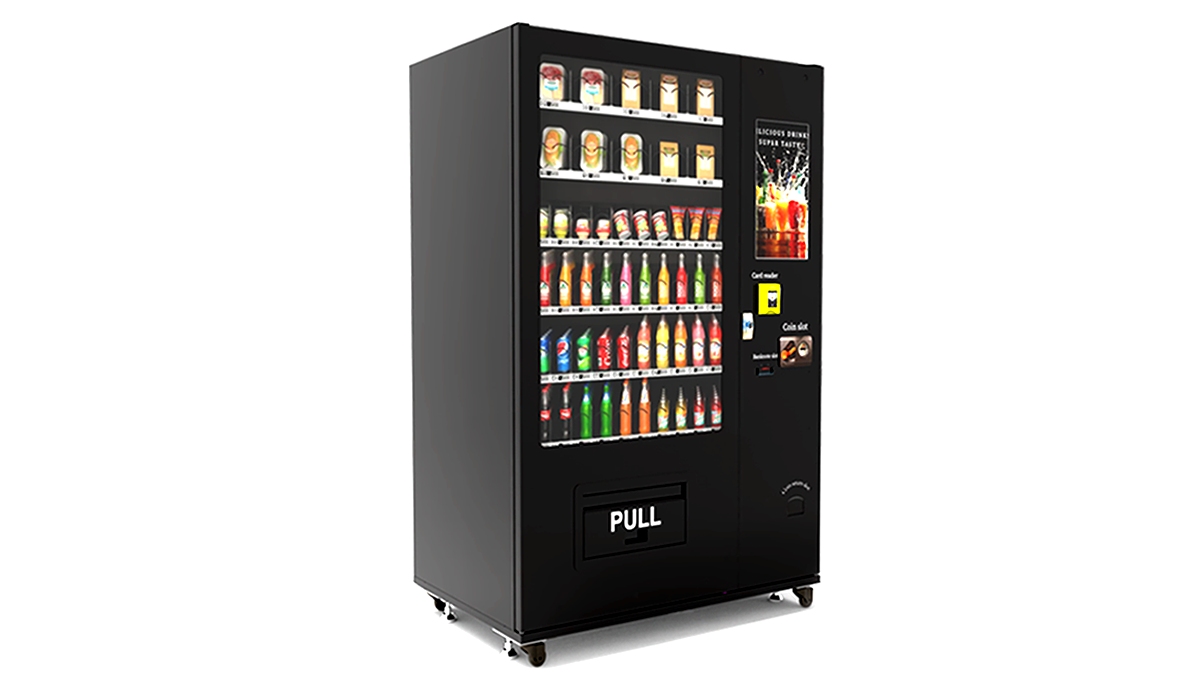
Common issues include coil jams, payment system failures, and display problems. Set aside 5% of monthly revenue for vending machine repair and maintenance. Keep spare parts like coils and control boards on hand if you operate multiple machines.
How can I reduce restocking and maintenance costs?
Optimize your restocking routes by grouping machines in the same geographic area. Use sales data to predict inventory needs and reduce the frequency of visits. Invest in high-quality machines to minimize breakdowns. I have reduced my maintenance costs by 30% by standardizing on one machine model.
Final Thoughts from a Decade in the Business
The tools vending machine business is not for everyone, but for those who approach it with realistic expectations and a willingness to learn, it can be a solid source of income. I have made mistakes—buying the wrong machine, choosing bad locations, ignoring payment systems—and each mistake taught me something valuable. The operators who succeed are the ones who treat it like a real business, not a passive investment. They track data, build relationships with location managers, and continuously adjust their product mix. If you are willing to put in the work, the opportunity is real. Just go in with your eyes open, and do not believe anyone who promises guaranteed returns.
This article was updated in April 2025. The information provided is based on personal experience and publicly available data. Results vary, and this content does not constitute financial or legal advice. Always conduct your own research and consult professionals before making business decisions.