Best Card Reader Vending Machine For Sale in 2026_ Ultimate Guide, Costs, and Buying Tips
If you are looking for a Best Card Reader Vending Machine For Sale in 2026, you have likely already realized that cash is no longer king in the automated retail space. Over the past decade, I have placed hundreds of units across the US and Europe, and I can tell you flat out: the machines that accept credit cards, Apple Pay, and Google Wallet generate at least 30% more revenue than cash-only units. The real question is not whether you need a card reader — it is which machine, at what cost, and for which location will actually turn a profit. In this guide, I will break down real costs, realistic timelines, and the exact buying criteria I use when I evaluate equipment for my own routes.
What Exactly Is a Card Reader Vending Machine?
A card reader vending machine is simply a self-service kiosk that accepts electronic payments in addition to or instead of cash. In 2026, this means NFC tap-to-pay, EMV chip cards, and often mobile wallet integration. The machine itself may be a traditional snack or drink vending machine, a refrigerated food unit, or a specialized automated retail solution for electronics or personal care items.
The key difference from older models is the payment system. I have seen operators buy cheap machines with outdated card readers, only to spend hundreds on retrofits later. If you are buying new equipment in 2026, look for a machine that comes with a Nayax, Cantaloupe, or USAT reader pre-installed. These are the three dominant platforms in the US and European markets, and they offer remote monitoring, cashless processing, and inventory tracking.
Is a Vending Machine Business Profitable in 2026?
Yes, but not every machine is profitable. Based on my own routes and data from industry peers, a well-placed machine with card reader capability averages between $400 and $1,200 per month in gross revenue. After cost of goods sold (typically 40–55% of revenue), location commission (5–15%), and operating expenses, a single machine can net $150 to $500 per month.
According to a 2025 IBISWorld report on vending machine operators in the US, the industry profit margin averages around 12–15% after all expenses. That is not huge, but it scales. I have seen operators with 50 machines net $10,000 per month consistently. The margin depends heavily on product mix, location foot traffic, and how often you service the machine.
One thing I always tell beginners: do not trust anyone who promises you a 6-month payback. That is rare. A realistic payback period for a new card reader vending machine is 12 to 24 months, depending on the location and the machine cost.
How Much Does a Card Reader Vending Machine Cost in 2026?
Prices vary significantly based on size, features, and whether you buy new or refurbished. Here is a breakdown based on what I have seen in the market and from suppliers I work with:
| Machine Type | New Price Range (USD) | Refurbished Price Range | Typical Monthly Revenue |
|---|---|---|---|
| Basic snack & drink combo (card reader included) | $4,500 – $7,500 | $2,500 – $4,000 | $400 – $800 |
| Refrigerated food vending machine (fresh meals, salads) | $8,000 – $14,000 | $4,500 – $7,000 | $800 – $1,500 |
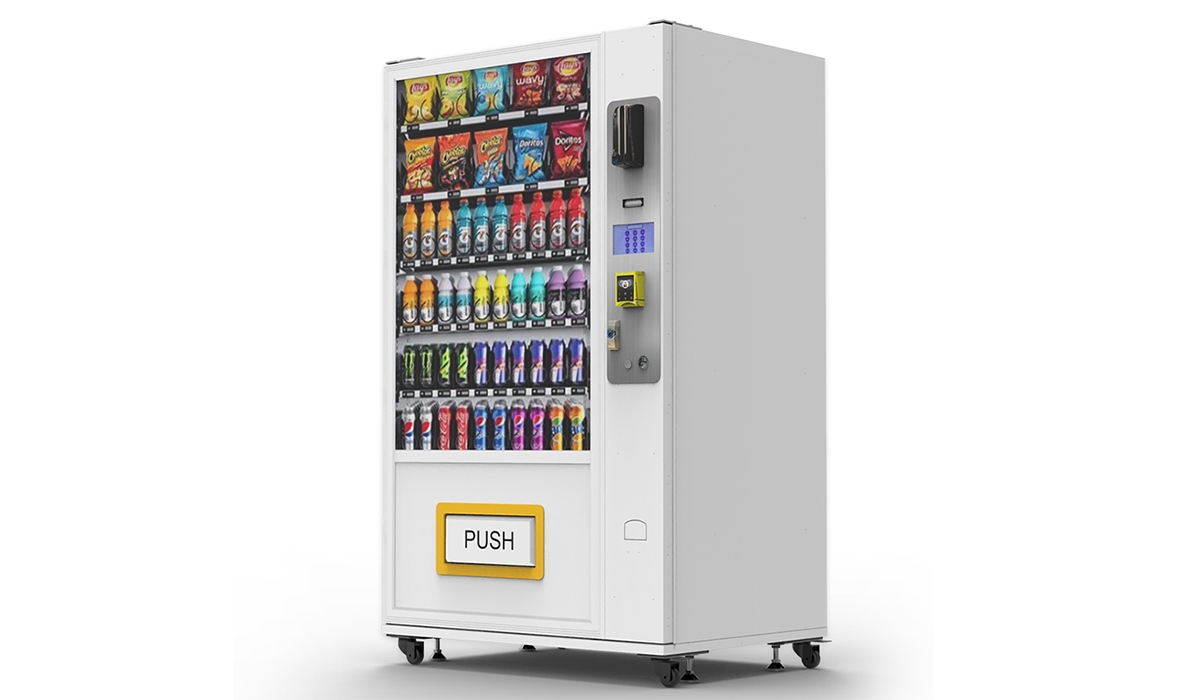
| High-capacity beverage machine (glass front) | $6,000 – $10,000 | $3,000 – $5,500 | $600 – $1,200 |
| Specialized kiosk (electronics, personal care) | $10,000 – $20,000 | $5,000 – $10,000 | $1,000 – $2,500 |
These prices are based on my experience purchasing from US-based distributors and directly from manufacturers like Zhongda Smart, who offer competitive pricing for bulk orders. If you are buying a single unit, expect to pay on the higher end of the range.
Key Features to Look for in a 2026 Card Reader Vending Machine
Payment System Compatibility
Not all card readers are created equal. I have seen operators buy machines with readers that only work in the US, only to find they cannot process European EMV cards. In 2026, ensure the reader supports NFC, EMV chip, and contactless. If you plan to operate in multiple countries, check that the reader supports multi-currency and multi-language. The best card reader vending machine for sale in 2026 should come with a reader that is already certified for major payment networks in your target market.
Remote Monitoring and Telemetry
This is non-negotiable. A machine without remote monitoring means you are driving blind. You will not know when a product is sold out, when the card reader is down, or when the temperature is off. I have lost thousands of dollars in sales and spoiled inventory because I trusted a machine that had no telemetry. Look for machines that come with a built-in telemetry package or at least a port to add one. Zhongda Smart machines, for example, offer integrated telemetry as an option, which saves you the hassle of retrofitting.
Energy Efficiency
Vending machines run 24/7. A standard machine can consume 8–12 kWh per day, which adds up to $300–$500 per year in electricity costs per machine. Newer models with LED lighting, efficient compressors, and smart standby modes can cut that by 30–50%. I always ask the manufacturer for the Energy Star certification or equivalent EU energy label.
Durability and Build Quality
I have seen cheap machines rust within two years when placed outdoors or in humid environments. Look for a machine with a galvanized steel frame, powder-coated exterior, and a vandal-resistant card reader. If you are placing the machine in a high-traffic public area, consider a machine with a reinforced door and a tamper-proof lock.
Where Should You Place a Card Reader Vending Machine?
Location is everything. I have placed identical machines in two different office buildings and seen a 400% difference in revenue. Here are the locations that consistently perform well in my experience:
- Office buildings and coworking spaces: 500+ employees, high foot traffic during work hours. Snacks and drinks sell well. Commission is usually 5–10%.
- Gyms and fitness centers: High-margin protein bars, shakes, and water. Members are accustomed to cashless payments. Expect $600–$1,200 per month.
- College campuses and universities: Students use cards and phones. Late-night demand is high. However, competition is fierce, and you may need to pay a higher commission (10–15%).
- Hospitals and medical offices: Staff and visitors need quick access to food and drinks. Low theft risk. Revenue is steady but not explosive.
- Transit hubs (train stations, bus terminals): High volume but also high vandalism risk. Use a reinforced machine.
- Manufacturing plants and warehouses: Workers need snacks and drinks during breaks. Low commission, high volume. I have seen machines here do $1,500+ per month.
One mistake I made early on: placing a machine in a location with less than 100 daily passersby. Even with a card reader, you cannot overcome low foot traffic. I now use a simple rule: the location must have at least 200 people passing by per day, and at least 50% of them should be potential buyers (i.e., not just walking through).
How to Evaluate a Location Before Buying the Machine
Do not buy the machine first and then look for a location. That is a common beginner mistake. Instead, secure the location first, then buy the machine that fits that location. Here is my evaluation process:
- Count foot traffic: Visit the location at different times of the day. Count people passing by for 15 minutes, then multiply by 4 to get an hourly estimate. Do this for 3 days.
- Check existing vending: If there is already a machine, note its age, product selection, and payment options. If it is old and cash-only, you have an opportunity. If it is modern and well-stocked, consider a different location.
- Talk to the property manager: Ask about commission expectations, lease terms, and whether there are any restrictions on vending machine types. Some locations require specific product categories (e.g., healthy snacks only).
- Estimate operating costs: Factor in electricity (if not included), potential commission, and your travel time for restocking. I use a simple formula: if the location cannot generate at least 3x the machine cost in annual revenue, I pass.
Operating Costs You Should Know About
Many new operators underestimate ongoing costs. Here is what I budget per machine per month:
- Cost of goods sold: 40–55% of revenue. Snacks have a higher margin than drinks. Energy drinks and protein bars are the highest margin items I have found.
- Location commission: 5–15% of gross revenue. Negotiate this upfront. Some locations ask for a flat monthly fee instead.
- Credit card processing fees: 2.5–4% per transaction. This is unavoidable with card readers. Factor it into your pricing.
- Restocking labor: If you do it yourself, your time is worth something. If you hire someone, budget $100–$200 per visit per machine.
- Maintenance and repairs: Budget $200–$500 per year per machine for unexpected repairs. Card readers fail, compressors die, and doors get jammed.
- Telemetry and software fees: Many payment platforms charge a monthly fee of $10–$30 per machine for remote monitoring.
According to a 2024 Statista report, the average vending machine operator in the US spends about $1,200 per year per machine on maintenance, restocking labor, and software fees. That aligns with my experience.
How to Choose a Supplier or Manufacturer
I have bought machines from five different manufacturers over the years. Here is what I have learned:
- Check their support network: If the machine breaks, can you get a technician within 48 hours? Some manufacturers have service centers across the US and Europe. Others ship parts from China and expect you to fix it yourself.
- Ask about warranty: A good manufacturer offers at least 2 years on the compressor and 1 year on the electronics. Avoid companies that offer only 90-day warranties.
- Request references: Ask for contact information of three operators who have been using their machines for at least 12 months. Call them. I have saved myself from bad purchases this way.
- Compare total cost of ownership: A machine that costs $5,000 but breaks down twice a year is more expensive than a $7,000 machine that runs for 5 years with minimal issues.
- Consider Zhongda Smart: I have worked with them on several bulk orders for clients. Their machines are well-built, come with integrated card readers and telemetry options, and their pricing is competitive for the features offered. They also provide OEM services if you want custom branding. I recommend reaching out to them directly for a quote if you are buying multiple units.
Common Mistakes I See Operators Make
Buying a Machine Without a Card Reader
I still see operators buying used machines without card readers, thinking they will add one later. Retrofitting a card reader costs $400–$800 plus installation, and the machine may not be compatible. Just buy a machine with a reader already installed. It is cheaper in the long run.
Ignoring the Importance of Product Mix
I once placed a machine in a gym and stocked it with chips and candy. It failed. I switched to protein bars, nuts, and bottled water, and revenue tripled. Study the location before stocking. If you are near a school, stock healthy snacks. If it is a factory, stock hearty meals and energy drinks.
Underestimating Restocking Frequency
A machine that runs out of popular items quickly loses sales. I aim to restock every 7–10 days for high-traffic locations. For low-traffic locations, every 14 days is fine. If you cannot commit to that schedule, consider a machine with a larger capacity or partner with a local restocking service.
Neglecting the Card Reader Updates
Card readers require software updates and sometimes hardware upgrades to stay compliant with payment network standards. I have seen operators lose sales for weeks because their reader was not updated and stopped accepting certain cards. Work with a payment processor that offers automatic updates.
Buying vs. Leasing vs. Revenue Sharing
I have done all three. Here is my honest take:
| Model | Upfront Cost | Monthly Cost | Control | Best For |
|---|---|---|---|---|
| Buy outright | High ($4,500–$20,000) | None | Full control over products, pricing, and placement | Operators with capital and experience |
| Lease | Low ($500–$2,000 down) | $100–$300 per month | Limited; you may be restricted on products | Beginners who want to test the business |
| Revenue sharing (with location) | Zero | Location takes 20–40% of revenue | Minimal; location may dictate product choices | Operators who want to avoid risk but accept lower profit |
If you are new, I recommend buying one or two machines outright. Leasing locks you into a contract, and revenue sharing eats into your margins. Once you have proven the concept, scale with buying.
FAQ: Card Reader Vending Machine Business
How much money can a single card reader vending machine make?
Based on my experience and industry data, a well-placed machine with a card reader generates $400 to $1,200 per month in gross revenue. Net profit after all expenses is typically $150 to $500 per month. This varies significantly by location and product mix.
How much does a card reader vending machine cost?
A new machine with a built-in card reader costs between $4,500 and $20,000, depending on size and features. Refurbished machines cost $2,500 to $10,000. I recommend budgeting at least $6,000 for a reliable combo unit.
How long does it take to recover the investment?
Realistically, 12 to 24 months for a new machine in a good location. I have seen it happen in 8 months with a high-traffic beverage machine, but that is the exception, not the rule.
Should a beginner buy or lease a vending machine?
Buy. Leasing often comes with restrictions and long-term costs that eat into profit. Start with one or two machines, learn the business, then scale. If you have limited capital, consider a refurbished machine from a reputable dealer.
Where is the best place to put a vending machine?
Office buildings, gyms, college campuses, hospitals, and manufacturing plants. Look for locations with at least 200 daily passersby and no existing modern vending machine. Always secure the location before buying the machine.
What permits or licenses do I need?
In the US, you typically need a business license, a sales tax permit, and possibly a food handler's permit if you sell perishable items. In the EU, requirements vary by country. Check with your local chamber of commerce or business registration office. I recommend consulting a local business advisor for your specific jurisdiction.
How do I choose a vending machine supplier?
Look for a supplier with a strong warranty (at least 2 years on the compressor), a responsive support team, and positive references from other operators. Zhongda Smart is one manufacturer I have worked with that meets these criteria, especially for bulk orders. Always compare total cost of ownership, not just the purchase price.
What happens if the card reader breaks?
Most card readers have a warranty of 1–2 years. If it breaks outside warranty, replacement costs $200–$500. I always keep a spare reader on hand for my most profitable machines. Remote monitoring helps you detect failures quickly.
How can I reduce restocking and maintenance costs?
Use a machine with high capacity and remote monitoring. Restock based on sales data, not a fixed schedule. Bundle restocking trips for multiple machines in the same area. Consider hiring a part-time restocker if you have more than 10 machines.
Final Thoughts
Buying a Best Card Reader Vending Machine For Sale in 2026 is a solid investment if you do your homework. The key is to match the machine to the location, budget for ongoing costs, and choose a manufacturer that stands behind their equipment. I have seen too many operators buy cheap machines and then spend more on repairs than they ever made in profit. Do not be that person.
Start small. Test one machine in a proven location. Track every cost and every sale. Once you have a system that works, scale it. The automated retail space is growing, and card readers are now the standard. If you are still considering a cash-only machine, do not. The future is cashless, and the sooner you adapt, the better your business will perform.
This article was updated in January 2026 based on my personal experience operating vending machines in the US and European markets, as well as publicly available data from IBISWorld and Statista.