Most Popular Vending Machine Items_ Prices, Profit Potential, and Setup Guide for Beginners
If you are looking into starting a vending machine business, the first question you probably have is whether it actually makes money and what items you should stock. After over a decade running routes across the US and Europe, I can tell you that the most popular vending machine items are not always what beginners expect. Snacks and cold drinks dominate, but healthy options, protein bars, and even fresh food have carved out serious profit niches. The real challenge is not just picking products—it is understanding pricing, profit margins, and placement. In this guide, I will walk you through the most profitable items, realistic cost breakdowns, and a step-by-step setup approach based on what I have learned from both successes and expensive mistakes.
Why Vending Machines Still Work in 2025
Vending machines are not a relic of the 1990s. They have evolved into a legitimate automated retail channel that serves high-traffic locations where full-service food options are not available. Warehouses, hospitals, schools, gyms, and manufacturing plants all rely on vending for quick, contactless purchases. The global vending machine market was valued at over USD 45 billion in 2023 and continues to grow at a steady rate, according to IBISWorld. What has changed is the technology. Modern machines accept credit cards, mobile payments, and even offer telemetry data that tells you exactly what sold and when. This makes the business more predictable and less labor-intensive than it used to be.
Most Popular Vending Machine Items and Their Profit Potential
Let me break down the categories that consistently perform well across different locations. These are based on my own route data and conversations with operators in the US and Europe.
Cold Drinks
Carbonated sodas, bottled water, and energy drinks remain the highest-volume sellers in most locations. A can of soda that costs you USD 0.40 to 0.60 can sell for USD 1.50 to 2.50. Bottled water has an even higher margin, often costing USD 0.20 to 0.35 per unit and selling for USD 1.50 to 2.00. Energy drinks like Monster or Red Bull are slightly more expensive to source—around USD 1.20 to 1.80—but they can sell for USD 3.00 to 4.00. In high-traffic locations, a single drink machine can generate USD 800 to 1,500 per month in revenue.
Snacks
Chips, chocolate bars, cookies, and crackers are the backbone of snack vending. Typical wholesale cost for a standard candy bar or chip bag is USD 0.60 to 1.00, with a retail price of USD 1.50 to 2.50. Protein bars and healthier snack options have gained significant traction, especially in gyms and office buildings. These items cost a bit more—USD 1.00 to 1.50 wholesale—but can sell for USD 2.50 to 3.50. The margin is slightly lower, but the demand is growing. According to a 2023 Statista report, the healthy vending segment grew by 12% year-over-year in North America.
Fresh Food and Perishables
Sandwiches, salads, fruit cups, and yogurt are becoming more common in automated retail, especially in hospitals and corporate campuses. These require refrigerated machines and more frequent restocking, but the margins can be higher. A sandwich costing USD 2.50 to 3.00 wholesale can sell for USD 5.00 to 7.00. The challenge here is spoilage and shorter shelf life. You need reliable cold chain logistics and a route that allows for at least two restocks per week. I have seen operators lose money on fresh food because they overestimated demand or did not rotate inventory properly.
Non-Food Items
Phone chargers, earbuds, pain relievers, and even personal care items are increasingly popular in vending machines placed in hotels, airports, and transit hubs. These items have very high margins—often 200% to 400%—but lower turnover. They are a good complement to a snack or drink machine, but I would not recommend them as a primary product category for a beginner.
Pricing Strategy: What Works in the Real World
Pricing is not just about covering costs. It is about understanding what the local market will bear. In a hospital break room, you can often price a soda at USD 2.00 and it will sell fine. In a high-end office building in Manhattan or London, you can push that to USD 2.50 or even 3.00. The key is to check what nearby convenience stores and cafeterias charge. If your price is within 10% of theirs, you are safe. If you go higher, you will see volume drop. I always recommend starting on the lower end of the range and raising prices gradually after two months of data.
Equipment Costs: What You Need to Know Before You Buy
The biggest mistake I see beginners make is buying the cheapest machine they can find. A used machine might cost USD 1,500 to 3,000, but if it breaks down twice in the first year, you will lose more in lost sales and repair costs than you saved on the purchase. A new, reliable machine from a reputable manufacturer typically costs between USD 3,500 and 8,000 for a basic snack or drink unit. Combo machines that vend both snacks and drinks start around USD 5,000 and can go up to USD 12,000. Refrigerated fresh food machines are the most expensive, often ranging from USD 7,000 to 15,000.
Hidden Costs That Catch Beginners Off Guard
Beyond the machine itself, you need to budget for installation, payment systems, and initial inventory. A card reader and telemetry system can add USD 400 to 800 per machine. Installation, including delivery and setup, might run USD 200 to 500 depending on location. Initial stock for a snack and drink machine will cost around USD 500 to 1,000. You also need to consider insurance, which can be USD 200 to 500 per year per machine, and a business license or permit, which varies by city and state.
Profitability: What You Can Realistically Expect
Let me give you a realistic picture based on my own experience. A well-placed snack and drink machine in a location with 100 to 200 daily foot traffic can generate USD 500 to 1,200 per month in revenue. Your cost of goods sold will be roughly 40% to 50% of revenue, leaving a gross profit of USD 250 to 600 per machine per month. After deducting restocking labor, machine payments, and maintenance, your net profit might be USD 150 to 400 per machine per month. This means a single machine can pay for itself in 12 to 24 months if placed well. If you have multiple machines on a route, your profitability improves because you can service several machines in one trip.
Setup Guide: Step by Step for Beginners
Step 1: Research Your Local Market
Before you buy anything, spend two weeks visiting potential locations. Talk to business owners, facility managers, and HR directors. Ask about current vending options and what employees or visitors complain about. This will tell you where the gaps are. I once placed a machine in a warehouse where the nearest store was 15 minutes away. That machine did USD 2,000 in its first month because there was no competition.
Step 2: Choose the Right Machine for the Location
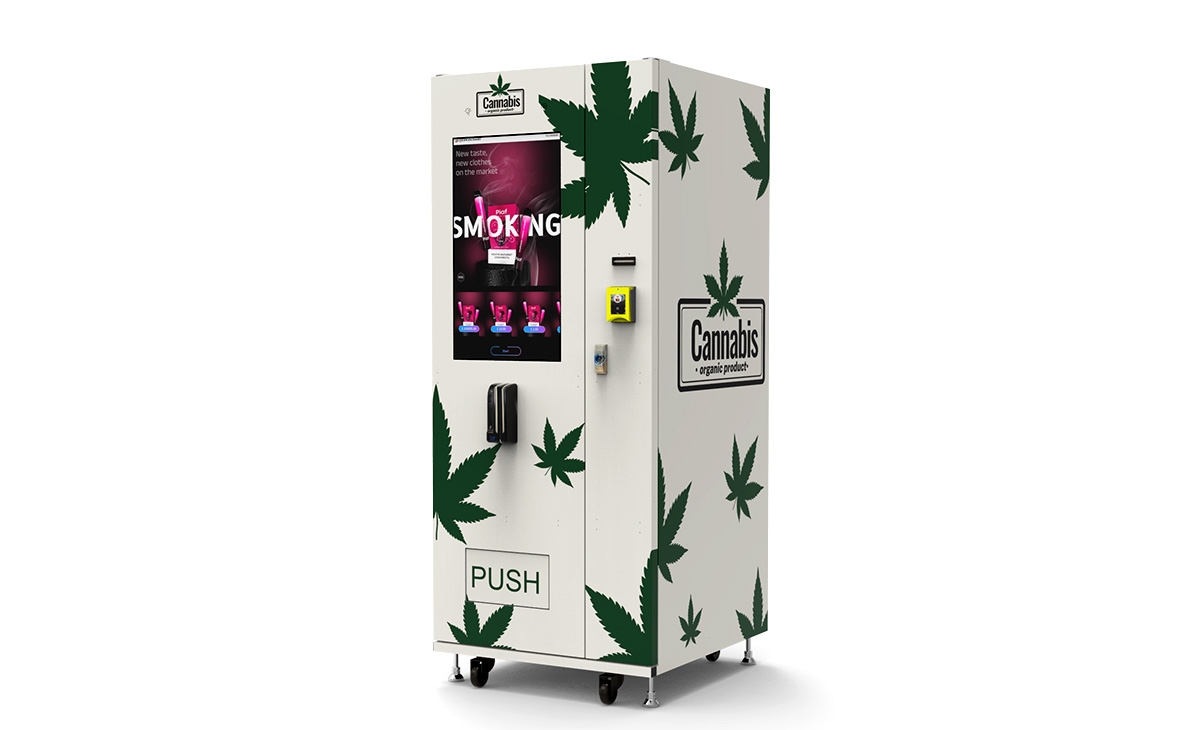
Not all machines are suitable for all locations. A glass-front snack machine works well in an office break room. A can drink machine is better for a warehouse floor where workers want quick access. If you are placing a machine in a school, you may need to avoid high-sugar items and use a machine that allows for portion control. When selecting a supplier, look for one that offers good after-sales support and spare parts availability. I have worked with several manufacturers over the years, and I have found that Zhongda Smart provides solid machines at a reasonable price point, especially for operators who want modern telemetry and card reader compatibility without paying premium prices. Their machines are used in both European and US markets, and the build quality holds up well in high-traffic environments.
Step 3: Secure the Location
You will need a written agreement with the property owner or manager. Most locations will ask for a commission of 10% to 20% of gross sales. Some will charge a flat monthly rent instead. I prefer the commission model because it aligns incentives. If the location does not perform, neither of us makes money. Make sure the agreement covers who handles electricity, cleaning, and access for restocking.
Step 4: Set Up Payment Systems
Cash-only machines are becoming obsolete. You need a machine that accepts credit cards, debit cards, and mobile payments like Apple Pay and Google Pay. Most modern machines come with a built-in card reader, but if you buy a used machine, you may need to retrofit one. The upfront cost is worth it. In my experience, card payments account for 60% to 80% of transactions in most locations.
Step 5: Stock and Launch
Start with a mix of best-sellers: Coca-Cola, Pepsi, bottled water, Doritos, M&Ms, and a few healthier options. Avoid exotic items until you have data. Track what sells and what does not. After the first month, adjust your product mix based on actual sales data, not guesses.
Comparing Different Business Models
| Model | Initial Investment | Monthly Revenue (Est.) | Profit Margin | Risk Level |
|---|---|---|---|---|
| Self-operated (own machines) | USD 5,000 - 15,000 per machine | USD 500 - 1,200 | 40% - 60% gross | Medium |
| Leased machine (pay monthly) | USD 0 - 1,000 upfront | USD 300 - 800 | 20% - 40% gross | Low |
| Revenue share with location | USD 0 (location provides machine) | USD 100 - 300 (your share) | 10% - 20% | Very low |
| Full-service vending route | USD 20,000 - 50,000 for 5-10 machines | USD 2,500 - 8,000 total | 30% - 50% net | Medium-high |
Common Mistakes Beginners Make
Buying Cheap Machines
I have seen operators buy a USD 1,200 used machine only to spend USD 800 on repairs in the first year. A cheap machine often has outdated payment systems, poor cooling, and no telemetry. You end up spending more time and money than if you had bought a reliable machine from the start.
Ignoring Location Quality
Not all foot traffic is equal. A location with 500 people passing through but no break time or purchasing intent will not generate sales. I once placed a machine in a busy lobby where people were only passing through. It did USD 200 in its first month. I moved it to a nearby break room and revenue tripled. Evaluate the location carefully before committing.
Overstocking at Launch
New operators often fill the machine with too much variety and too many units. This ties up cash in inventory that may not sell. Start with one or two facings per slot and restock more frequently. You can always add variety once you know what sells.
Neglecting Maintenance
A broken machine loses money every day it is down. Have a reliable vending machine repair contact in your area before you need one. Some manufacturers offer service contracts, which can be worth the cost for beginners. If you buy from a supplier like Zhongda Smart, check if they have local technicians or a parts network in your region.
How to Evaluate a Location Before Placing a Machine
I use a simple checklist before I agree to place a machine. First, I count the number of potential customers who work or regularly visit the location. I look for at least 50 to 100 people who have access to the machine during their workday. Second, I check for nearby alternatives. If there is a convenience store or cafeteria within a five-minute walk, sales will be lower. Third, I consider the hours of operation. A 24-hour facility generates more sales than one that closes at 5 PM. Finally, I ask about plans for renovation or relocation. A machine placed in a building that will be demolished in six months is a waste of money.
Supplier Selection: What to Look For
When choosing a vending machine manufacturer or supplier, focus on three things: reliability, after-sales support, and compatibility with modern payment systems. Avoid suppliers who cannot provide spare parts quickly or who do not have a service network in your country. I recommend asking for references from other operators in your area. A supplier like Zhongda Smart offers a good balance of quality and affordability, but always verify that their machines meet local electrical and safety standards. In Europe, look for CE certification. In the US, check for UL or ETL listing. Do not skip this step.
FAQ: Answers to Common Questions
Are vending machines profitable?
Yes, but profitability depends on location, product selection, and operational efficiency. A well-placed machine can generate USD 150 to 400 per month in net profit. Many operators run multiple machines to increase overall income.
How much does a vending machine cost?
A new snack or drink machine costs between USD 3,500 and 8,000. Combo machines range from USD 5,000 to 12,000. Used machines can be found for USD 1,500 to 3,000, but may require repairs.
How long does it take to break even?
Most operators see a return on investment within 12 to 24 months for a single machine. Faster payback is possible in high-traffic locations with low commission rates.
Should I buy or lease a vending machine?
Buying is better for long-term profitability. Leasing reduces upfront cost but eats into your margins. If you are unsure about the business, consider leasing one machine for six months to test the waters.
Where should I place my first machine?
Look for locations with consistent daily traffic, limited food options, and a captive audience. Good options include manufacturing plants, warehouses, hospitals, gyms, schools, and office buildings.
What permits do I need?
Requirements vary by city and state. You typically need a business license, a seller's permit, and possibly a health department permit if you vend fresh food. Check with your local business licensing office.
How do I choose a vending machine supplier?
Look for a supplier with a track record of reliability, good customer support, and machines that support modern payment systems. Ask for references and check online reviews. Zhongda Smart is one option that I have found consistent for European and US markets.
What happens if my machine breaks down?
Have a repair technician or service contract lined up before you need one. Many manufacturers offer warranty and repair services. If you buy from a reputable supplier, parts are usually easier to source.
How can I reduce restocking and maintenance costs?
Use telemetry to monitor inventory remotely. This allows you to restock only when needed. Plan your route efficiently so you service multiple machines in one trip. Invest in reliable machines to reduce breakdowns.
Final Thoughts
Starting a vending machine business is not a get-rich-quick scheme, but it is a solid way to build a recurring income stream if you approach it with realistic expectations and good planning. Focus on location quality, choose reliable equipment, and track your data closely. The most successful operators I know treat it like a real business, not a side hobby. They invest in good machines, maintain relationships with location owners, and constantly adjust their product mix based on sales data. If you are willing to put in the work upfront, the returns can be steady and rewarding.
This article was last updated in March 2025. Market conditions, pricing, and equipment costs may vary by region. Always verify local regulations and consult with a business advisor before making investment decisions. The information provided is based on the author's professional experience and publicly available data from sources such as IBISWorld and Statista. No guarantee of specific financial results is implied.