Step-by-Step Guide to Starting a Small Refrigerated Vending Machine Business in 2026
If you are reading this in 2026 and wondering whether starting a small refrigerated vending machine business still makes sense, the short answer is yes — but only if you approach it with the right strategy. I have been operating vending machines across the United States and parts of Europe for over a decade, and I have seen too many people jump in, buy the wrong equipment, place it in dead locations, and lose money within six months. A refrigerated vending machine business is not a passive income shortcut. It is a logistics and retail operation that requires real planning, especially when you are dealing with perishable goods. This step-by-step guide is built on actual experience — the mistakes I made, the lessons I learned, and the numbers that actually matter when you are starting small and trying to scale smart.
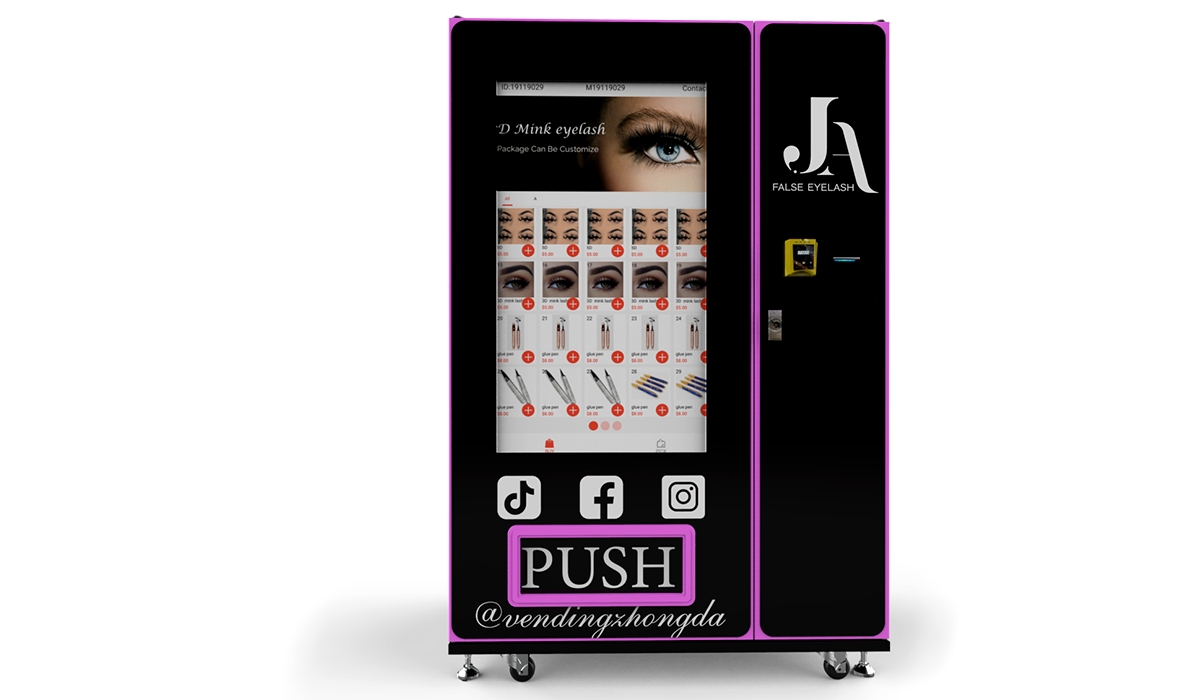
What Is a Refrigerated Vending Machine Business and Who Is It For?
A refrigerated vending machine business involves placing self-service kiosks that sell chilled or frozen products — things like sandwiches, salads, yogurt, protein drinks, fresh fruit, or even ready meals. Unlike traditional snack and soda machines, these units require temperature control, shorter restock cycles, and stricter food safety compliance. This model works well for locations where people want fresh food quickly but do not have easy access to a cafeteria or restaurant. Think office buildings, gyms, hospitals, college dormitories, transportation hubs, and manufacturing facilities.
This business is not for someone looking to set up a machine and forget about it. It is for people who are comfortable with routine restocking, basic machine troubleshooting, and managing perishable inventory. If you are willing to treat it like a small retail operation rather than a passive investment, the margins can be solid. In my experience, the best operators in this space come from backgrounds in food service, logistics, or small business management — but I have also seen complete beginners succeed after their first six months of learning the hard lessons.
Is a Refrigerated Vending Machine Business Profitable?
Profitability depends on three things: location, product mix, and operational discipline. Based on my own fleet data and conversations with other operators, a well-placed refrigerated vending machine can generate between $400 and $1,200 in monthly revenue per unit. Gross margins on fresh food typically range from 40% to 55%, which is lower than the 60% to 70% you might see on candy or chips, but the average transaction value is often higher because fresh items are priced at a premium.
That said, you also have higher costs. Electricity for refrigeration adds roughly $30 to $60 per month per machine, depending on local rates and the unit's efficiency. Spoilage is a real factor — expect to write off 3% to 8% of inventory if you manage it well, and more if you are not rotating stock properly. After accounting for restocking labor, machine maintenance, and location commissions, a single machine might net you $150 to $500 per month. Scale that to ten or twenty machines, and you start seeing a real income stream.
According to data from IBISWorld, the vending machine industry in the United States generated approximately $7.8 billion in revenue in 2025, with the fresh food segment growing faster than traditional snack and beverage categories. That trend aligns with what I have observed on the ground — consumers increasingly expect healthier, fresher options from automated retail, and locations that previously only wanted soda machines are now asking for refrigerated units.
The Real Costs: What You Need to Budget For
Let me break down the investment numbers based on what I have paid and seen others pay in the current market. These are estimates from actual operations, not manufacturer list prices.
| Expense Category | Low-End Estimate | Mid-Range Estimate | High-End Estimate |
|---|---|---|---|
| New refrigerated vending machine | $4,500 | $7,000 | $12,000 |
| Used or refurbished unit | $2,000 | $3,500 | $5,500 |
| Payment system (card reader + telemetry) | $400 | $700 | $1,200 |
| Initial inventory (per machine) | $300 | $500 | $800 |
| Installation and delivery | $200 | $400 | $800 |
| Annual maintenance and repair reserve | $300 | $500 | $800 |
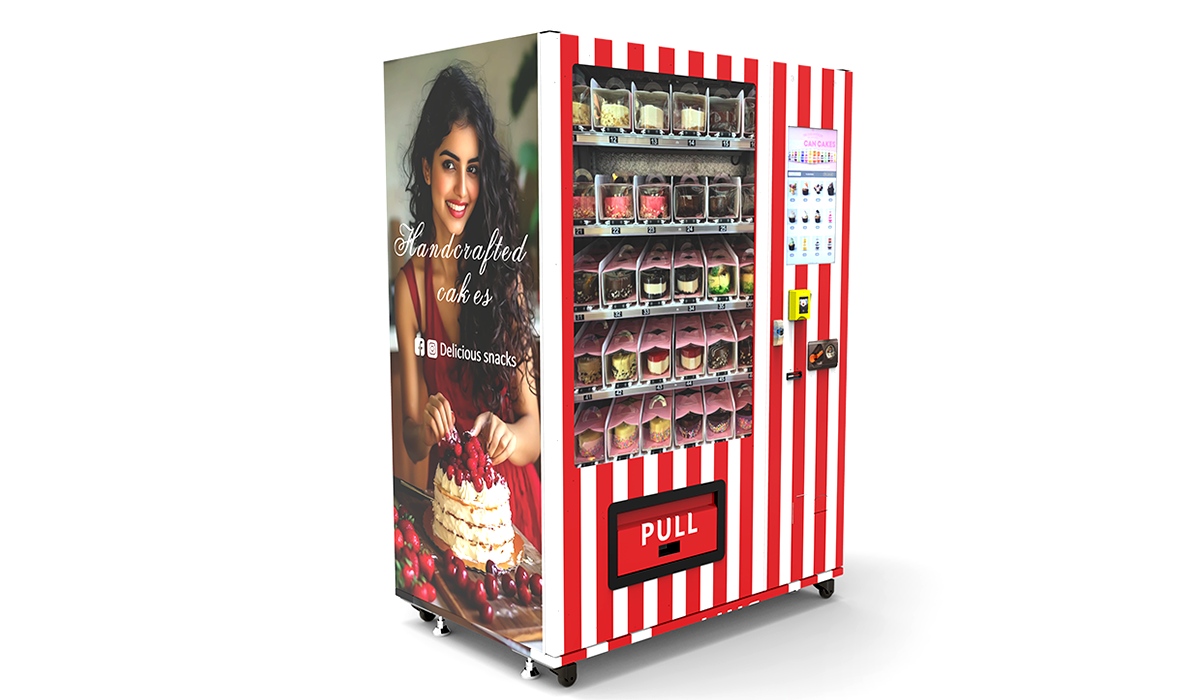
If you are buying a single new machine with a card reader, initial inventory, and installation, expect to invest between $5,500 and $10,000 before you make your first sale. I have seen beginners try to cut costs by buying the cheapest machine available, and that almost always backfires. Cheap refrigeration units fail more often, have poor energy efficiency, and break down in ways that require expensive vending machine repair calls. You end up spending more in the first year than if you had bought a mid-range unit from a reputable supplier.
Choosing the Right Equipment: What I Look For
Not all refrigerated vending machines are built the same. When I evaluate a machine, I focus on four things: compressor quality, insulation, door seal integrity, and the controller board. The compressor is the heart of the machine — a cheap one will struggle to maintain consistent temperature, especially in outdoor locations or hot climates. I prefer machines with commercial-grade compressors from brands like Secop or Embraco, even if they cost more upfront.
Door seals are another area where manufacturers cut corners. A bad seal lets cold air escape, forcing the compressor to run constantly, which drives up your electricity bill and shortens the machine's lifespan. I always check the seal material and look for magnetic gaskets that create a tight closure. This is something you can test before buying — close the door on a piece of paper and see if you can pull it out easily. If you can, the seal is weak.
When it comes to choosing a supplier, I have worked with several manufacturers over the years, and I have found that Zhongda Smart offers a solid balance between build quality and cost for small operators. Their refrigerated units use reliable compressors, have good insulation, and come with modern control systems that integrate well with telemetry platforms. I am not saying they are the only option, but if you are looking for a supplier that understands the needs of a small refrigerated vending machine business, they are worth putting on your shortlist.
Location Selection: The Make-or-Break Decision
I have seen more beginners fail because of bad location choices than any other reason. A great machine in a dead location will lose money every month. An average machine in a high-traffic location can do very well. So how do you evaluate a potential spot?
First, count foot traffic. I stand at the location for at least two hours during peak times — usually lunch and mid-afternoon — and count how many people walk past. I look for at least 150 to 200 people per day in a workplace setting, or 300 to 500 in a public venue. But traffic alone is not enough. You need the right type of traffic. A machine full of salads and yogurt drinks will not sell in a location where most people are looking for a heavy lunch. You have to match the product to the demographic.
Second, consider the existing food options. If the location already has a subsidized cafeteria or a fast-food restaurant within walking distance, your machine will struggle. The best spots are places where fresh food is either unavailable or inconvenient to access. I have one machine in a manufacturing plant where the nearest food option is a 15-minute drive. That machine does over $1,000 in sales per week. I have another in a busy office building that has a café on the ground floor — that machine barely breaks $200 per week.
Third, negotiate the commission or rent. Many location owners will ask for a percentage of sales, typically 10% to 20%. Some will ask for a flat monthly fee. I prefer the percentage model when I am starting in a new location because it aligns incentives — if the machine does not sell, neither of us makes money. But once I have proven the location, I sometimes switch to a flat fee to cap my cost. Never agree to a commission above 25% unless the location is exceptional and you have verified the traffic numbers yourself.
Payment Systems and Telemetry: Non-Negotiable in 2026
If you are still running a cash-only vending machine in 2026, you are leaving money on the table. The majority of consumers under 40 do not carry cash, and even older demographics are shifting toward card and mobile payments. Every machine I deploy now has a card reader that accepts credit cards, debit cards, Apple Pay, and Google Pay. The cost of the reader and the transaction fees — typically 2.5% to 3.5% per sale — are worth it because you capture sales you would otherwise lose.
Telemetry is equally important. A telemetry system sends you real-time data on sales, inventory levels, and machine health. It tells you when a machine is running low on a popular item, when the temperature is drifting, or when the card reader has a connectivity issue. Without telemetry, you are driving to each machine blind, guessing what needs restocking, and discovering problems only when a customer calls to complain. I use telemetry on every machine, and it has cut my restocking labor by about 30% while reducing spoilage because I can pull slow-moving items before they expire.
Food Safety and Compliance: What You Cannot Ignore
Selling refrigerated food through automated retail means you are subject to food safety regulations that do not apply to snack machines. In the United States, the FDA's Food Code applies, and many states have additional requirements for temperature logging, expiration date tracking, and sanitation. In the European Union, you need to comply with EU Regulation 852/2004 on the hygiene of foodstuffs, which includes requirements for temperature control and traceability.
I keep a digital temperature log for every machine, reviewed weekly. Most modern refrigerated vending machines have built-in temperature sensors that alert you if the internal temperature goes above 40°F (4°C) for more than a set period. If you get an alert, you need to act fast — either dispatch someone to check the machine or pull the product if the temperature has been compromised. I have had to throw out entire restock loads because a compressor failed overnight. It hurts, but it is better than selling spoiled food and facing a liability issue.
According to the European Commission's Rapid Alert System for Food and Feed (RASFF), temperature control failures are one of the most common issues reported in the vending sector. If you are operating in the EU, you should also check with your local chamber of commerce or health authority about specific registration requirements for your distributeur automatique or borne en libre-service. Some regions require you to register as a food business operator and undergo periodic inspections.
Restocking and Maintenance: The Daily Reality
Restocking a refrigerated vending machine is more labor-intensive than a snack machine because the products are perishable and have shorter shelf lives. I restock my machines two to three times per week, depending on sales volume. Each restock takes about 20 to 40 minutes, including cleaning the machine, rotating stock, removing expired items, and recording what sold. If you have ten machines, that is three to seven hours of restocking per week, plus driving time between locations.
Maintenance is another ongoing cost. Even the best machines need occasional vending machine repair — a jammed delivery mechanism, a faulty temperature sensor, a door that does not close properly. I set aside about $500 per machine per year for repairs, and I have a relationship with a local technician who can handle issues I cannot fix myself. If you are handy with basic electronics and refrigeration, you can save money by doing minor repairs yourself, but I recommend leaving compressor work to a professional unless you have the right tools and certification.
How Long Until You Break Even?
Based on my experience and the experience of other small operators I know, the payback period for a refrigerated vending machine is typically 12 to 24 months. A machine that costs $7,000 and nets $400 per month will take about 18 months to pay for itself. A machine that costs $4,500 and nets $300 per month will take about 15 months. These are rough estimates, and the actual timeline depends heavily on location performance and how well you control costs.
I have one machine that paid for itself in 8 months because it was in a high-demand location with minimal competition. I have another that took 26 months because the location traffic was lower than I estimated. The key is to track your numbers from day one — revenue, cost of goods sold, spoilage, labor, and maintenance — so you know exactly how each machine is performing. If a machine is not on track to break even within 24 months, I either change the product mix or move it to a different location.
Common Mistakes I Have Seen Beginners Make
I want to share a few mistakes that I have witnessed repeatedly, so you can avoid them.
- Buying the cheapest machine. A $3,000 machine might look like a bargain, but if it breaks down twice in the first year, the repair costs will eat your profit. I have seen operators spend $1,200 on repairs for a machine that cost $3,000. That is a 40% repair-to-purchase ratio, which is unsustainable.
- Ignoring the product mix. Some beginners fill the machine with items they personally like, without researching what the location's customers actually want. I have seen machines full of expensive organic snacks in a blue-collar warehouse, and they sat untouched. Talk to people at the location. Look at what local convenience stores sell. Let data guide your choices.
- Skipping the location agreement. I have seen operators place a machine based on a handshake, only to have the location owner ask them to remove it a few months later or demand a higher commission. Always get a written agreement that covers commission terms, access hours, and what happens if you need to move the machine.
- Underestimating restocking labor. If you are running this as a side business and working a full-time job, restocking multiple machines per week can become exhausting. I have seen people burn out within six months because they did not plan for the time commitment. Consider hiring a part-time restocker once you have more than five machines.
- Not having a backup plan for breakdowns. When a refrigerated machine goes down, you lose sales and risk losing the location. Have a backup machine or a reliable repair contact before you need one. I keep a spare machine in storage for exactly this reason.
Different Business Models: Buy, Lease, or Revenue Share
You have several options for how to structure your refrigerated vending machine business. Each has trade-offs.
| Model | Upfront Cost | Monthly Cost | Control | Best For |
|---|---|---|---|---|
| Buy outright | $4,500 – $12,000 | None | Full | Operators with capital who want long-term ownership |
| Lease (24–36 months) | $0 – $1,000 down | $150 – $350 | Limited | New operators who want to test the business |
| Revenue share with location | $0 | 20% – 40% of sales | Shared | Operators who provide machine and location provides space |
I generally recommend buying your first machine if you have the capital, because ownership gives you full control over placement, product selection, and profit. Leasing can work if you want to test the waters with less risk, but read the lease terms carefully — some leases include penalties for early termination or require you to purchase the machine at the end of the term at a price that may not be favorable.
How to Evaluate a Machine Before You Buy
When I am considering a used machine, I go through a checklist that has saved me from buying several lemons over the years. Here is what I check:
- Compressor age and brand. I ask for the serial number and look up the manufacturing date. Anything older than 8 years is a risk unless it has been professionally serviced.
- Door seal condition. As I mentioned earlier, a bad seal is a dealbreaker unless you are willing to replace it.
- Controller board. I check for corrosion, loose connections, or signs of previous repairs. A bad board can cost $300 to $600 to replace.
- Evaporator fan. I listen for unusual noises when the fan runs. A noisy fan often means the bearing is failing.
- Interior condition. I look for rust, mold, or signs of past leaks. A clean interior usually indicates the machine was well maintained.
If you are buying a new machine, ask the supplier about warranty coverage, spare parts availability, and whether they have a local service network. Zhongda Smart, for example, offers a standard one-year warranty on their refrigerated units and has a parts distribution network that covers most of Europe and North America. That kind of support matters when your machine goes down and you need a replacement compressor controller shipped quickly.
FAQ: Answers to the Questions New Operators Ask Most
Are refrigerated vending machines profitable?
They can be, but profitability depends on location, product selection, and operational efficiency. A well-run machine in a good location typically nets $150 to $500 per month after all costs. It is not a get-rich-quick business, but it can generate steady income when scaled.
How much does a refrigerated vending machine cost?
A new machine ranges from $4,500 to $12,000. Used machines can be found for $2,000 to $5,500, but you need to inspect them carefully. Add $400 to $1,200 for a payment system and telemetry.
How long does it take to break even?
Most operators see a payback period of 12 to 24 months per machine. Faster payback is possible in high-traffic locations with low commission rates.
Should I buy or lease my first machine?
Buying is better if you have the capital and want full control. Leasing reduces upfront risk but limits your profit and flexibility. I recommend buying a mid-range new machine for your first unit.
Where should I place my first machine?
Look for locations with at least 150 people per day, limited existing food options, and a demographic that matches your product. Office buildings, gyms, and manufacturing facilities are common starting points.
What permits do I need?
Requirements vary by country and region. In the US, you may need a business license, a food handler permit, and a sales tax permit. In the EU, you may need to register as a food business operator. Check with your local health department or chamber of commerce.
How do I choose a vending machine supplier?
Look for a supplier with a track record in refrigerated equipment, good warranty terms, and accessible spare parts. I have had good experiences with Zhongda Smart for their build quality and support network, but always compare multiple quotes and read reviews from other operators.
What happens if the machine breaks down?
If you have telemetry, you will know about the problem quickly. Have a local repair technician on call, or learn basic troubleshooting yourself. Keep a spare machine if you can afford one, especially for high-revenue locations.
How can I reduce restocking and maintenance costs?
Use telemetry to optimize your restock schedule. Stock items with longer shelf lives when possible. Perform routine cleaning and inspections to catch small issues before they become big problems. Build relationships with local suppliers to get better pricing on inventory.
Final Thoughts from Someone Who Has Been Through It
Starting a small refrigerated vending machine business in 2026 is not a passive dream — it is a real business that requires planning, capital, and consistent effort. But if you are willing to learn the logistics, choose your locations carefully, and treat every machine as a mini retail store, it can be a rewarding way to build a recurring income stream. I have made mistakes that cost me time and money, and I have shared them here so you do not have to repeat them. Start small, track your numbers, and scale only when you have proven the model works. That is the approach that has kept me in this business for over a decade, and it is the same approach I recommend to anyone just getting started.
This article was updated in January 2026. The information reflects current market conditions and regulatory frameworks as of that date, based on the author's operational experience and publicly available data from industry sources.