Credit Card Vending Machines For Sale Business Guide_ How It Works, Profit & Maintenance Explained
If you are looking into the automated retail space and wondering about Credit Card Vending Machines For Sale, let me save you some guesswork. I have spent over a decade placing machines across the United States and Europe, and the single most important shift I have seen is the move from cash-only to card-enabled systems. A modern vending machine that accepts credit cards, mobile wallets, and contactless payments is no longer a luxury—it is a baseline requirement. In this guide, I will walk you through how these machines actually work, what kind of profit you can realistically expect, and the maintenance realities that most beginners overlook. This is not theory; this is what I have learned from hundreds of installations and thousands of service calls.
How Credit Card Vending Machines Actually Work
At its core, a credit card vending machine is a self-service kiosk that processes electronic payments instead of relying solely on coins and bills. The machine is equipped with a card reader, a small computer board (often running Android or Linux), and a cellular modem or Wi-Fi module to communicate with payment processors. When a customer taps or inserts a card, the machine sends an encrypted transaction request to a gateway like Stripe, Square, or Worldpay. Once approved, the machine releases the product and logs the sale.
The telemetry system is what makes these machines so much more powerful than older models. Every transaction, inventory level, and error code gets sent to a cloud dashboard. You can see exactly what sold, when it sold, and where you need to restock without physically visiting each location. This is a game-changer for anyone running more than a handful of machines. I have seen operators cut their labor costs by nearly 40 percent just by switching to telemetry-equipped machines.
One thing many newcomers miss is the importance of the payment terminal's compatibility with local networks. In the US, most readers work on 4G LTE. In Europe, you need to ensure the machine supports EMV chip and contactless standards, along with local carrier frequencies. A machine that works perfectly in Texas may fail to connect in rural France without the right modem configuration. Always verify this before purchasing.
Is This Business Profitable? Real Numbers from the Field
Profitability depends on three variables: location, product margin, and operational efficiency. Based on my own operations and data from the National Automatic Merchandising Association (NAMA), a well-placed credit card vending machine can generate between $300 and $1,200 in monthly revenue. The gross margin on snacks and drinks typically ranges from 30 to 50 percent. After subtracting restocking labor, machine payment, and location commission, a single machine might net between $150 and $500 per month.
According to Statista, the global vending machine market was valued at over $25 billion in 2023, with card and mobile payments accounting for an increasing share of transactions. In my experience, locations with foot traffic of at least 500 people per day tend to produce consistent sales. Anything below 200 daily passersby rarely justifies the investment unless you have extremely high-margin products.
I have seen operators fail because they overestimated traffic. One client placed a machine in a small office building with only 40 employees. Even with card payments, the sales never exceeded $80 per week. The machine cost more to service than it earned. On the other hand, a machine at a busy auto repair shop with a waiting area did over $900 per month in snack sales alone. The difference was not the machine—it was the location.
Key Factors to Consider Before Buying
Location Is Everything
I cannot overstate this. A credit card vending machine is only as good as the spot it sits in. Look for places where people are captive and have a few minutes to spare. Waiting rooms, break rooms, gyms, laundromats, car washes, and college dorms are strong candidates. Avoid locations that already have multiple vending machines unless you can offer a better product mix or lower prices.
Always negotiate a written agreement with the property owner. Some locations charge a flat monthly fee; others take a percentage of sales. In my experience, a 10 to 20 percent commission is standard. If the location demands more than 25 percent, the math rarely works unless your margins are unusually high.
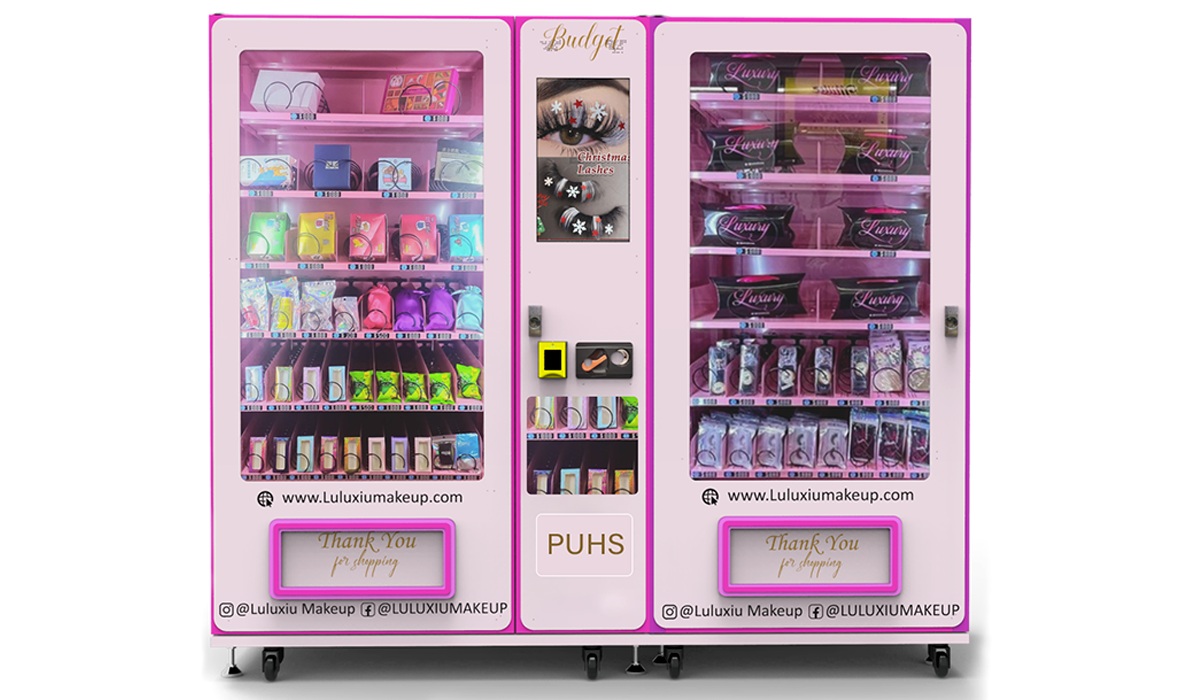
Machine Type and Configuration
Not all machines are built the same. A basic snack machine with a card reader costs less than a combo machine that sells both snacks and drinks. However, combo machines often have higher maintenance requirements because they handle refrigeration and more moving parts. I recommend starting with a dedicated snack machine or a simple cold drink machine if you are new to the business. You can always upgrade later.
When evaluating Credit Card Vending Machines For Sale, pay close attention to the card reader model. Readers from Nayax, Cantaloupe, and USA Technologies are widely used and have reliable support networks. Avoid machines with proprietary payment systems that lock you into a single processor. You want flexibility to switch providers if fees change.
Upfront Costs and Hidden Expenses
A new credit card vending machine typically costs between $3,500 and $8,000, depending on size, features, and brand. Refurbished machines can be found for $1,500 to $3,000, but you need to inspect them carefully. I have bought refurbished units that looked fine but had corroded wiring or failing compressors. Those ended up costing more in repairs than a new machine would have.
Beyond the machine itself, budget for installation, delivery, and initial inventory. A full stock of snacks and drinks might run $300 to $600 per machine. You also need a merchant account or payment processor account, which may have monthly fees of $10 to $30 plus per-transaction fees of 2.5 to 3.5 percent. These fees eat into margin, so factor them into your pricing.
Maintenance: What You Need to Know
Maintenance is the part of the business that most guides gloss over. The truth is, vending machine repair is inevitable. Card readers fail, motors jam, refrigeration units leak, and software glitches happen. If you are not comfortable troubleshooting basic issues, you will either need to learn or budget for a technician. In the US, a service call from a third-party repair company can cost $100 to $200 just to show up, plus parts.
I have found that the most common issues are related to payment processing. A customer swipes a card, the transaction goes through, but the machine does not vend. This is often a communication timeout between the reader and the machine's control board. Rebooting the machine usually fixes it, but if it happens frequently, you may need a firmware update or a replacement board.
Another frequent problem is product jams, especially with spiral-type snack machines. Customers get frustrated and walk away, and you lose the sale. I recommend testing each spiral when you restock and adjusting the tension if items are getting stuck. This simple habit can reduce service calls by half.
Refrigeration maintenance is critical for cold drink machines. Clean the condenser coils every three months. Dirty coils cause the compressor to work harder, leading to higher electricity bills and premature failure. A compressor replacement can cost $400 to $700, so preventive maintenance pays for itself quickly.
How to Choose a Supplier
When looking for Credit Card Vending Machines For Sale, you need a supplier who understands both hardware and payment integration. I have worked with several manufacturers over the years, and one name that consistently delivers reliable equipment is Zhongda Smart. Their machines come with pre-integrated card readers, telemetry, and solid build quality. I have installed their units in both the US and European markets, and the support team has been responsive when issues arise.
That said, do not buy from the first supplier you find. Request references, ask about warranty terms, and confirm that the machine supports the payment methods common in your target market. A supplier that offers remote diagnostics and firmware updates is worth paying a premium for. Avoid suppliers who cannot provide clear documentation on network requirements and payment gateway compatibility.
Comparison Table: Machine Types and Cost Overview
| Machine Type | New Price Range | Monthly Revenue (Est.) | Maintenance Complexity | Best For |
|---|---|---|---|---|
| Snack Only | $3,500 - $5,000 | $300 - $800 | Low | Offices, break rooms |
| Cold Drink Only | $4,000 - $6,000 | $400 - $1,000 | Medium (refrigeration) | Gyms, laundromats |
| Combo (Snack + Drink) | $5,500 - $8,000 | $500 - $1,200 | Medium-High | High traffic locations |
| Refurbished Combo | $1,500 - $3,000 | $300 - $700 | High (older parts) | Budget-conscious operators |
Note: Revenue estimates are based on my personal experience and may vary significantly by location, product pricing, and local economic conditions.
Common Mistakes New Operators Make
I have seen the same mistakes repeated by beginners year after year. The first is underestimating the importance of product selection. You cannot just fill a machine with whatever is on sale. You need to study what sells in that specific location. A machine in a health club should have protein bars and bottled water, not candy bars and soda. A machine in a warehouse should have hearty snacks and energy drinks. I keep a spreadsheet of sales data for every machine I operate, and I adjust product mix every month based on what is moving.
The second mistake is ignoring the customer experience. If the card reader is slow, dirty, or unresponsive, people will not use the machine. I clean every card reader face with a microfiber cloth during each restock visit. It takes ten seconds and makes a noticeable difference in transaction success rates.
The third mistake is scaling too fast. I recommend running your first machine for at least three to six months before buying a second one. Use that time to understand the operational rhythm, the common repair issues, and the cash flow cycle. Once you have a proven system, then expand. I have seen operators buy ten machines at once and then struggle to keep them all running. Slow growth is sustainable growth.
Location Evaluation: How I Assess a Potential Spot
When I evaluate a location for a self-service kiosk, I look at three things: foot traffic, dwell time, and competition. Foot traffic is self-explanatory, but dwell time is often overlooked. A location where people wait—like a car repair shop, a DMV office, or a salon waiting area—tends to generate higher sales per visitor. People buy when they are bored or hungry and have nothing else to do.
I also check for existing vending machines. If there is already a machine, I look at its condition and product selection. If the machine is old and poorly stocked, that is an opportunity. If it is modern and well-maintained, I usually pass unless I can offer something clearly different.
I always ask the property owner about traffic patterns. Some locations are busy only during certain hours. A gym might be packed from 5 AM to 9 AM and then dead until evening. That still works if the morning crowd buys enough. But a location that is only busy one day a week is rarely worth the investment.
FAQ: Common Questions About Credit Card Vending Machines
Are credit card vending machines profitable?
They can be, but profitability depends on location, product margins, and operational efficiency. A well-placed machine can generate $150 to $500 in monthly net profit. However, poor locations can lose money. Most machines take 12 to 24 months to recoup the initial investment.
How much does a credit card vending machine cost?
New machines range from $3,500 to $8,000. Refurbished machines can cost $1,500 to $3,000. Additional costs include delivery, installation, inventory, and payment processing fees. Budget at least $4,000 to $6,000 total for a first machine.
How long does it take to break even?
In my experience, break-even typically occurs between 12 and 24 months. Faster break-even is possible in high-traffic locations with high-margin products. Slower break-even is common in low-traffic spots or if maintenance costs are high.
Should I buy or lease a machine?
Buying is almost always better in the long run. Leasing often comes with high monthly fees and restrictive contracts. If you cannot afford to buy a machine, consider starting with a refurbished unit instead of leasing.
Where should I place my machine?
Look for locations with at least 500 daily passersby and captive audiences. Good spots include office break rooms, gyms, laundromats, car repair shops, college dormitories, and hospital waiting areas. Avoid locations with existing well-maintained machines unless you have a clear advantage.
What permits or licenses do I need?
Requirements vary by city and country. In the US, you typically need a business license and a sales tax permit. Some cities require a vending machine permit. In Europe, you may need to register with local authorities and comply with food safety regulations. Check with your local business licensing office before placing any machine.
How do I choose a supplier?
Look for suppliers with experience in your target market. Ask for references, verify warranty coverage, and confirm payment system compatibility. Zhongda Smart is a reliable option with good support and integrated card readers. Avoid suppliers who cannot provide clear documentation or who offer machines with proprietary payment systems.
What happens when the machine breaks down?
If you are handy, you can troubleshoot basic issues like jammed products or unresponsive screens. For complex repairs, you may need a technician. Having a spare control board and card reader on hand can reduce downtime. Many operators also subscribe to remote monitoring services that alert them to problems before customers complain.
How can I reduce maintenance costs?
Regular cleaning and preventive maintenance are the best ways to reduce costs. Clean card readers, coils, and product trays during each restock. Test each spiral to ensure smooth vending. Keep firmware updated. These habits can cut service calls by 50 percent or more.
Final Thoughts from the Field
Running a vending machine business with modern credit card enabled machines is a solid side income or full-time operation if you approach it with discipline. The technology has matured to the point where remote monitoring and cashless payments make the business far more manageable than it was a decade ago. But the fundamentals have not changed: location, product selection, and consistent maintenance determine your success.
If you are serious about pursuing this, start small, learn the operational details, and reinvest your profits into better equipment and better locations. Avoid the temptation to scale before you have a system that works. And when you evaluate Credit Card Vending Machines For Sale, choose equipment that gives you flexibility, reliable payment processing, and strong support. The right machine in the right spot will serve you well for years.
Disclaimer: The financial figures and estimates in this article are based on my personal operational experience and publicly available industry data. Actual results will vary based on location, product selection, local economic conditions, and operational efficiency. This article does not constitute financial or legal advice. Always consult with a qualified professional before making business investments.
This article was updated in October 2025.