The Complete Guide to Vending Machine Bill Acceptor For Sale Opportunities and Risks
If you have been looking into the vending machine business for any length of time, you have likely come across the term "vending machine bill acceptor for sale" more times than you can count. It sounds simple enough: you buy a machine, install a bill acceptor, and the cash starts rolling in. But after a decade of placing machines across the United States and parts of Western Europe, I can tell you that the reality is far more nuanced. A bill acceptor is the heartbeat of any cash-operated machine, and choosing the wrong one—or the wrong machine—can cost you thousands in lost sales and repair bills. This guide covers the real opportunities and the often overlooked risks of buying vending machines with bill acceptors, based on actual field experience, not marketing fluff.
What a Vending Machine Bill Acceptor Actually Does
A bill acceptor, sometimes called a banknote validator or currency validator, is the component that reads and accepts paper money. It validates the bill by checking magnetic ink, infrared properties, and physical dimensions. If the note passes, the acceptor sends a signal to the vending machine controller to allow a sale. If it fails, the bill is rejected. Simple in theory, but in practice, bill acceptors are the single most common point of failure in cash-operated vending machines. I have seen machines that worked perfectly for months suddenly refuse every bill because of a dusty sensor or a firmware mismatch. When you are searching for a vending machine bill acceptor for sale, you are not just buying a piece of plastic and electronics. You are buying reliability, compatibility, and future service support.
Why the Bill Acceptor Matters More Than You Think
Many first-time buyers focus on the cabinet, the compressor, or the display. That is a mistake. The bill acceptor is the interface between your machine and your customer. If it fails, the customer walks away. In my experience, a machine with a poor bill acceptor loses at least 20% of potential revenue compared to one with a reliable unit. I once placed two identical snack machines at the same location, one with a refurbished acceptor and one with a new high-end model. The new acceptor machine consistently outperformed the other by nearly 30% in monthly sales. The location was the same, the product mix was the same. The only difference was how often the bill acceptor rejected valid notes. That experience taught me to never cut corners on the acceptor. When you see a cheap vending machine bill acceptor for sale, ask yourself why it is cheap. It is usually because the manufacturer skimped on validation technology or used outdated firmware.
The Real Costs: Initial Investment and Hidden Expenses
Let me break down the numbers based on what I have seen across dozens of deployments in both the US and the EU. These are not official statistics from a government agency; they are real-world figures from actual operations. Your mileage will vary depending on location, product pricing, and machine condition.
| Machine Type | New Cost (USD/EUR) | Used Cost (USD/EUR) | Typical Monthly Revenue | Gross Margin | Estimated Payback Period |
|---|---|---|---|---|---|
| Basic snack machine (with bill acceptor) | $3,000 – $5,000 | $1,200 – $2,500 | $400 – $800 | 30% – 45% | 12 – 24 months |
| Combo snack and drink machine | $5,000 – $8,000 | $2,000 – $4,000 | $700 – $1,500 | 35% – 50% | 14 – 20 months |
| Cold drink machine (glass front) | $4,000 – $7,000 | $1,500 – $3,500 | $600 – $1,200 | 40% – 55% | 12 – 18 months |
| High-end digital touchscreen machine | $7,000 – $12,000 | $3,000 – $6,000 | $1,000 – $2,500 | 40% – 60% | 15 – 24 months |
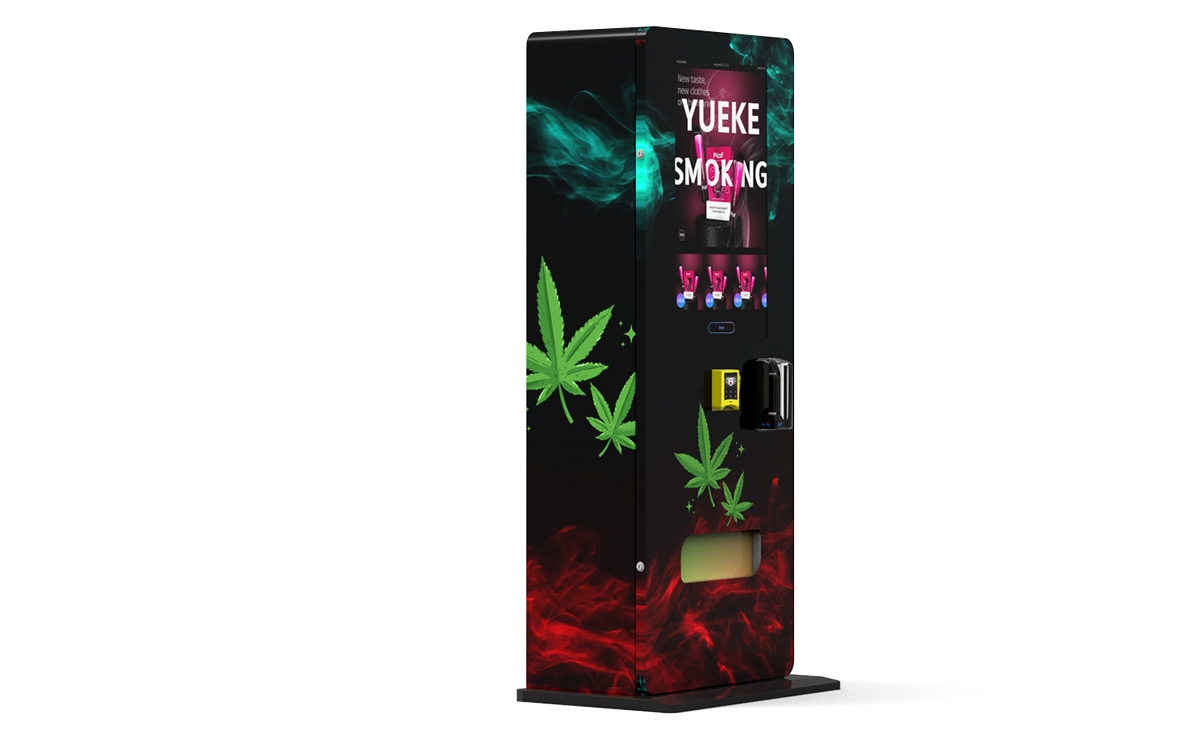
These figures assume moderate foot traffic and proper product selection. I have seen machines in high-traffic office break rooms hit $2,000 per month, and I have seen machines in low-traffic lobbies struggle to make $200. The bill acceptor plays a role in both scenarios. If your acceptor rejects bills frequently, even a great location will underperform. When evaluating a vending machine bill acceptor for sale, consider the total cost of ownership, not just the purchase price. Replacement parts, firmware updates, and cleaning supplies add up.
Opportunities: Where the Money Is
High-Foot-Traffic Locations
The single biggest factor in vending machine profitability is location. I have placed machines in warehouses, hospitals, university dormitories, and manufacturing plants. The best locations are places where people are captive—meaning they have few alternatives for food and drink within walking distance. A warehouse with 200 employees and no cafeteria is a goldmine. A busy hospital waiting room with a vending machine bill acceptor for sale that works reliably will generate consistent revenue. In these settings, the bill acceptor must be fast and accurate. Workers do not have time to fiddle with a machine that rejects their $5 bill twice.
Niche Products and Premium Pricing
Another opportunity that many new operators miss is selling premium products. Standard chips and soda are low-margin items. But if you place a machine in a gym and stock it with protein bars, electrolyte drinks, and healthy snacks, you can charge a premium. I have seen gross margins climb to 60% in these niche settings. The bill acceptor must handle larger denominations because premium products are priced higher. Make sure the acceptor you choose can handle $10 and $20 bills without jamming. A vending machine bill acceptor for sale that only takes $1 and $5 notes will limit your pricing flexibility.
Self-Service Kiosks in Unstaffed Locations
The rise of automated retail has opened up opportunities beyond traditional vending. Self-service kiosks that sell electronics, personal care items, or even fresh food are becoming common in airports and transit hubs. These machines often use bill acceptors that are integrated with card readers and touchscreens. If you are considering this path, the bill acceptor becomes even more critical because the transaction value is higher. A failed acceptor in a self-service kiosk means losing a $20 sale instead of a $2 sale. I have worked with suppliers who specialize in these larger machines, and I have found that Zhongda Smart offers reliable bill acceptor modules that integrate well with modern kiosk controllers. Their units are used in several European deployments I have visited, and the failure rate has been notably low.
Risks: What Can Go Wrong
Counterfeit Note Acceptance
One of the biggest risks with a cheap vending machine bill acceptor for sale is that it may accept counterfeit notes. This is not just a theoretical problem. I have seen operators lose hundreds of dollars in a single week because their acceptor could not distinguish a fake $20 from a real one. In Europe, the problem is similar with euro notes. According to the European Central Bank, around 1.5 million counterfeit euro notes were removed from circulation in 2023 alone (ECB Counterfeit Statistics). If your machine accepts even a small fraction of those, you are losing money. Invest in a bill acceptor with multi-sensor validation, not just magnetic ink detection. It costs more upfront, but it saves you from losses that will eat your margin.
Firmware and Currency Updates
Another risk that new operators ignore is firmware compatibility. Currencies change. New banknote designs are released every few years. If your bill acceptor firmware is outdated, it will reject new notes. I have seen operators scramble to update firmware after a central bank redesign. In the US, the $20 bill was redesigned in 2003 and again in 2020. In the EU, the Europa series was introduced gradually. If you buy a used vending machine bill acceptor for sale that has not been updated, you may find yourself unable to accept new currency. Always check with the manufacturer or seller about firmware update policy. Some suppliers offer free updates for a year. Others charge per update. Zhongda Smart, for example, provides firmware updates for their bill acceptors through their distributor network, which is a feature I have found useful when managing machines across different regions.
Dust, Humidity, and Physical Wear
Bill acceptors are mechanical devices. They have moving parts: belts, rollers, sensors. In dusty environments like warehouses or outdoor locations, the sensors get dirty quickly. I have cleaned acceptors that looked like they had been buried in a sandbox. The result is frequent bill rejection and frustrated customers. Outdoor machines face humidity and temperature swings that can cause condensation inside the acceptor. If you are placing a machine outdoors, make sure the bill acceptor is rated for the environment. Some acceptors have sealed housings or heated sensors to prevent condensation. A standard indoor vending machine bill acceptor for sale will fail within months if exposed to rain or high humidity.
How to Choose a Supplier or Manufacturer
Selecting a supplier for your vending machine and its bill acceptor is not a decision to rush. I have learned this the hard way. Early in my career, I bought six machines from a discount supplier. The machines looked fine, but the bill acceptors were generic units with no brand name and no support. Within three months, three of the six acceptors failed. The supplier had no replacement parts and no firmware updates. I had to replace all six acceptors at my own cost. That mistake cost me nearly $2,000 in parts and lost revenue.
Here is what I look for now when evaluating a vending machine bill acceptor for sale or a complete machine:
- Brand reputation: Stick with known manufacturers like MEI, CoinCo, or JCM. If you are buying a machine with an integrated acceptor, ask who makes it. If the seller cannot tell you, walk away.
- Warranty and support: A minimum one-year warranty on the acceptor is standard. Some suppliers offer two years. Check if support is available by phone or email in your time zone.
- Firmware update policy: Ask if updates are free for the life of the unit. If not, find out the cost.
- Compatibility with payment systems: If you plan to add a card reader or mobile payment later, make sure the acceptor can communicate with those systems. Many modern acceptors use MDB (Multi-Drop Bus) protocol, which is standard in the industry.
- Spare parts availability: Can you buy a new sensor belt or roller assembly easily? If the supplier is overseas, factor in shipping time.
I have worked with several manufacturers over the years, and one that has consistently delivered reliable bill acceptors is Zhongda Smart. Their units are used in many of the European self-service kiosks I have serviced. They offer both standard and high-security models, and their support team responds within 24 hours. I am not saying they are the only option, but they are a solid choice if you are looking for a vending machine bill acceptor for sale that balances cost and reliability.
Real-World Failure Cases I Have Seen
Let me share two specific examples from my own experience. The first involves a machine placed in a busy truck stop in Ohio. The location was excellent, with constant foot traffic from truck drivers. I installed a used machine with a refurbished bill acceptor. The machine worked for two weeks, then started rejecting $20 bills. I cleaned the sensors, updated the firmware, and it still failed. Eventually I discovered that the acceptor had a cracked sensor lens that was causing intermittent errors. The cost of the replacement lens plus labor ate up the profit from that machine for the entire month. If I had spent an extra $150 on a new vending machine bill acceptor for sale instead of buying used, I would have avoided that loss.
The second case was in a university dormitory in France. The machine was a high-end combo unit with a touchscreen and a card reader. The bill acceptor was a premium model, but the firmware was not updated for the new 20-euro note that had been released six months earlier. Students tried to pay with the new note, the machine rejected it, and they walked to the campus store instead. I lost an estimated 40% of potential revenue for three months before I realized the issue. That was a firmware problem, not a hardware problem. It taught me to always check the currency version compatibility before buying any vending machine bill acceptor for sale.
How to Evaluate a Machine for Investment
Before you buy any machine, ask yourself these questions based on what I have learned from hundreds of placements:
- What is the foot traffic count? You need at least 100 potential customers passing by per day for a snack machine to be viable. For a drink machine, 150 or more is better. Ask the location owner for a rough estimate. If they cannot give you one, sit there for an hour and count yourself.
- What is the average transaction value? If you are selling $1 items, you need high volume. If you are selling $3 items, you can survive with lower traffic. The bill acceptor must handle the most common bill denominations for your price point.
- What is the competition? Is there a cafeteria, a convenience store, or another vending machine within 100 meters? If yes, your revenue will be split.
- What are the operating costs? Rent, electricity, credit card processing fees, and restocking labor all eat into margin. I typically budget 10% of gross revenue for rent, 5% for electricity, and 3% for payment processing.
- What is the condition of the bill acceptor? If it is used, ask for a service history. If it is new, confirm the warranty and firmware update policy.
A vending machine bill acceptor for sale that looks cheap may actually be the most expensive option in the long run. I have seen operators buy a $200 acceptor only to spend $400 on repairs and lost revenue within the first year. A $400 acceptor with a solid warranty is often the better investment.
Different Business Models: Buy, Lease, or Revenue Share
You do not always have to buy a machine outright. There are three common models in the industry, and each has its own risk profile.
| Model | Upfront Cost | Monthly Cost | Control | Risk Level | Best For |
|---|---|---|---|---|---|
| Buy outright | High ($3,000 – $12,000) | None (except rent) | Full control | Medium | Experienced operators with good locations |
| Lease from a supplier | Low ($0 – $500) | $100 – $300/month | Limited (supplier may restrict products) | Low | New operators testing the waters |
| Revenue share with location owner | None | 20% – 50% of gross revenue to location | Shared control | Low to Medium | Operators without capital, good for high-traffic spots |
I have used all three models. Buying outright gives you the most freedom but also the most risk. Leasing is safer but limits your profit potential. Revenue share can work well if you have a prime location but no cash for equipment. When you lease, the supplier often provides the vending machine bill acceptor for sale as part of the package. Make sure the lease agreement specifies who is responsible for bill acceptor repairs. I have seen leases where the operator pays for all repairs, which can wipe out the benefit of low upfront cost.
Maintenance and Repair: The Hidden Workload
New operators often underestimate the time and cost of maintenance. A vending machine is not a set-it-and-forget-it device. It needs regular cleaning, restocking, and occasional repairs. The bill acceptor is the component that requires the most frequent attention. I recommend cleaning the sensors every two weeks in dusty environments. Use a dry cotton swab or a specialized cleaning card. Do not use liquid cleaners, as they can damage the optical sensors. I also recommend keeping a spare bill acceptor on hand if you have more than five machines. When an acceptor fails, you cannot wait a week for a replacement. You will lose revenue and potentially lose the location. Having a spare vending machine bill acceptor for sale in your inventory is a smart investment. I keep two spares in my workshop, and I have used them more times than I can count.
According to IBISWorld, the vending machine industry in the US generates over $7 billion in annual revenue, with an average profit margin of around 12% (IBISWorld Vending Machine Operators Report). That margin is thin. Every repair cost eats into it. If you are paying a technician $100 per hour to replace a bill acceptor, that is a significant expense. Learning to do basic repairs yourself will save you thousands over time.
How to Avoid Common Newbie Mistakes
I have made almost every mistake in the book, so let me save you the trouble. Here are the most common errors I see new operators make:
- Buying the cheapest machine: Cheap machines often have cheap bill acceptors. You will pay for it in repairs and lost sales. A vending machine bill acceptor for sale at half the price of a known brand is usually a trap.
- Ignoring the location contract: Always get a written agreement with the location owner. Specify who provides electricity, who cleans around the machine, and how disputes are handled. I have seen operators lose a prime spot because they had no contract.
- Overstocking slow-moving items: Track your sales data. If an item has not sold in two weeks, replace it. Do not let your machine become a museum of stale products.
- Forgetting about cash management: You need a system for collecting cash and reconciling it with sales data. I use a simple spreadsheet, but there are apps that automate this. If you cannot track your cash, you will not know if you are making money.
- Neglecting the bill acceptor: This is the most common mistake. Operators focus on the products and the cabinet, but the acceptor is what makes the sale happen. Test every bill acceptor before deployment. If it has any issues, replace it immediately.
Best Locations for Maximum Return
Based on my experience, these are the location types that consistently perform well with a reliable vending machine bill acceptor for sale:
- Manufacturing plants and warehouses: High employee count, limited break time, often no cafeteria. Revenue per machine can exceed $1,500 per month.
- Hospitals and medical offices: Staff and visitors are captive. Machines in staff break rooms perform especially well. Expect $800 to $1,200 per month.
- University dormitories and student lounges: Students eat at all hours. Machines with a good mix of snacks and drinks can hit $1,000 to $2,000 per month during the school year.
- Transit hubs (train stations, bus terminals): High foot traffic, but competition is common. If you can secure a spot with little competition, revenue can be strong.
- Gyms and fitness centers: Premium products sell well. Revenue is lower overall but margins are higher. Expect $500 to $800 per month with 50%+ gross margin.
I avoid locations with existing vending machines within 50 meters unless I can offer a clearly different product. I also avoid locations where the owner expects a high rent percentage. Anything above 20% of gross revenue makes it hard to turn a profit unless traffic is extremely high.
FAQ: Common Questions from New Operators
Do vending machines actually make money?
Yes, but it depends on location, product selection, and maintenance. A well-placed machine with a reliable bill acceptor can generate $500 to $2,000 per month in revenue. After costs, net profit is typically 10% to 20% of revenue. I have seen operators make a full-time income from 10 to 15 machines. I have also seen operators lose money because they ignored the basics. It is not a get-rich-quick business.
How much does a vending machine cost?
A new machine with a decent bill acceptor costs between $3,000 and $12,000, depending on features. Used machines range from $1,200 to $6,000. The bill acceptor itself, if bought separately, costs $150 to $600. A vending machine bill acceptor for sale at the lower end is likely a basic model with limited validation. Expect to pay more for high-security models.
How long does it take to recoup the investment?
Typical payback periods range from 12 to 24 months for new machines and 8 to 18 months for used machines. Faster payback is possible in high-traffic locations with premium products. Slower payback occurs in low-traffic spots or if the bill acceptor causes frequent sales losses.
Should a beginner buy or lease?
Leasing is lower risk and good for testing the waters. Buying is better if you have a solid location and want full control. I started by buying one used machine and learning the ropes. If you lease, make sure the bill acceptor is included in the service agreement.
Where should I place my first machine?
Start with a location you know well. A friend’s business, a building you manage, or a workplace where you have permission. Avoid high-rent locations until you have experience. A vending machine bill acceptor for sale will perform best in a location with steady, captive foot traffic.
What permits or licenses do I need?
Requirements vary by city and country. In the US, you typically need a business license and a sales tax permit. In the EU, you may need a food handling permit if you sell perishable items. Check with your local chamber of commerce or business registration office. In France, for example, you must register with the Chambre de Commerce et d’Industrie if you operate a commercial vending machine (Service-Public.fr Business Registration).
How do I choose a supplier?
Look for a supplier with a track record in your market. Ask for references. Check if they stock spare parts for the bill acceptor. I have had good experiences with Zhongda Smart for their bill acceptor modules, but always compare multiple suppliers before committing.
What happens when the machine breaks?
You fix it or hire someone to fix it. Common issues include jammed bill acceptors, failed compressors, and stuck selection buttons. Keep a basic toolkit and a spare bill acceptor on hand. For complex repairs, find a local technician who specializes in vending equipment. The cost of a service call typically ranges from $75 to $150 per hour.
How can I reduce restocking and maintenance costs?
Use sales data to optimize your product mix. Stock items that sell quickly and remove slow movers. Clean the bill acceptor regularly to prevent dust buildup. Plan restocking routes efficiently to minimize travel time. If you have multiple machines in one area, service them on the same day.
Is it better to accept cash or cards only?
Both have advantages. Cash has no processing fees but requires regular collection. Cards and mobile payments increase sales because customers often do not carry cash. I recommend machines with both a reliable vending machine bill acceptor for sale and a card reader. In my experience, adding card payments increases revenue by 15% to 30%.
Final Thoughts from the Field
The vending machine business is not complicated, but it is unforgiving of shortcuts. The difference between a profitable operation and a money pit often comes down to the quality of your equipment and the discipline of your maintenance routine. A vending machine bill acceptor for sale might seem like a small detail, but it is the gatekeeper of your revenue. Choose it carefully, maintain it regularly, and do not be afraid to replace it when it starts causing problems. I have seen too many operators lose good locations because they tried to squeeze one more month out of a failing acceptor. That is a mistake you do not need to make. Start small, learn the rhythm of your locations, and scale only when you have a system that works. The opportunities are real, but so are the risks. Manage both, and you will build a business that lasts.
This article was updated on March 2025. The information reflects the author’s personal experience and publicly available data. Individual results may vary. Always conduct your own due diligence before making equipment purchases or entering into business agreements.