The Complete Guide to Lash Vending Machine Opportunities and Risks
After a decade in the automated retail space, I have seen the lash vending machine trend go from a niche experiment to a serious business opportunity. If you are considering placing a self-service kiosk that sells eyelash extensions, adhesives, and related beauty supplies, you need to understand the real numbers, the common pitfalls, and the specific locations that actually turn a profit. I have personally managed over 200 vending machines across the United States and the United Kingdom, and this guide breaks down exactly what a lash vending machine can cost, where it works, and where it fails. No fluff, just operational reality.
What Is a Lash Vending Machine and Who Is It For?
A lash vending machine is a specialized automated retail unit that dispenses pre-packaged eyelash products. These machines typically hold between 30 and 150 units, depending on the size of the machine and the packaging of the lashes. They are designed for high-foot-traffic locations where beauty consumers gather, such as shopping malls, salons, college campuses, and transit hubs.
This business model appeals to two main groups. First, existing beauty professionals who want to extend their sales without hiring extra staff. Second, entrepreneurs looking for a low-labor entry into automated retail. The key difference from a standard snack machine is the product value. A single lash kit can sell for $15 to $40, which means you can achieve strong revenue with fewer sales per day.
From my experience, the most successful operators are those who already understand beauty retail. They know which lash styles sell, what price points work, and how to rotate inventory based on seasonality. If you are new to both vending and beauty, expect a steeper learning curve.
Initial Investment: What a Lash Vending Machine Really Costs
Let us talk money. Based on my own purchases over the past five years, a new lash vending machine from a reliable manufacturer will cost between $3,800 and $8,500. This price range depends on the machine size, payment system, and whether it includes a touchscreen or a basic keypad. I have seen cheaper units online for under $2,000, but those machines almost always lack proper temperature control, reliable card readers, or durable locking mechanisms.
One supplier I have worked with repeatedly is Zhongda Smart. Their machines offer solid build quality, a reliable card reader, and decent after-sales support. I am not saying they are the only option, but if you are sourcing equipment for the European or North American market, they are worth putting on your shortlist. Always request a sample unit or visit a showroom if possible before committing to a bulk order.
Beyond the machine itself, you need to budget for shipping, customs, and installation. For a single unit shipped from a Chinese manufacturer to a US port, expect to pay $400 to $800 in freight and handling. If you are buying from a European distributor, shipping will be lower but the machine price will be higher. Always ask for a total landed cost quote before making a decision.
Hidden Costs That Catch New Operators
Most first-time buyers forget about the payment system. A cashless card reader from a company like Nayax or USA Technologies can add $300 to $600 per machine. You also need a merchant account to process transactions, which typically costs $10 to $30 per month in fees. If your machine only takes cash, you will lose a significant portion of sales, especially in younger demographics.
Another overlooked cost is the initial product inventory. Stocking a machine with 60 units of mixed lash styles and adhesives will cost around $600 to $1,200, depending on wholesale pricing. Do not assume you can start with zero inventory and buy as you go. You need a full first load to make the machine look professional and attract repeat buyers.
Finally, do not forget insurance. A standard business liability policy for a single vending machine location costs about $200 to $400 per year. If you place machines in multiple locations, the cost scales up. One lawsuit from a customer claiming an allergic reaction could wipe out your profits, so this is not optional.
Revenue Potential: How Much Can a Lash Vending Machine Earn?
I will be honest with you. The revenue numbers I share here are based on my own machines and conversations with other operators. They are not guarantees. In a strong location like a busy shopping mall or a large university student union, a single lash vending machine can generate $800 to $2,500 per month in gross revenue. In a weaker location, you might see $300 or less.
The gross margin on lash products is typically 60% to 75%, which is higher than snacks or beverages. If you sell a $20 lash kit that costs you $6, your gross profit is $14 per unit. That is a healthy margin, but you still need to cover the machine cost, payment fees, restocking labor, and location rent.
According to a 2023 report from IBISWorld, the vending machine industry in the United States has an average profit margin of about 12% after all expenses. Lash machines can outperform that if placed correctly, but they also carry higher product obsolescence risk. Fashion trends change, and last season's lash style might not sell at full price.
Real Example from My Own Operation
I placed a lash vending machine in a mid-sized hair salon in Manchester, UK. The machine was a Zhongda Smart model with a card reader and a small touchscreen. Monthly rent to the salon owner was £150. My average transaction was £18. I sold between 40 and 70 units per month. After cost of goods, payment fees, and rent, I was clearing about £400 per month. The machine paid for itself in 11 months. That is a realistic outcome, not a fantasy.
In contrast, I placed a similar machine in a gym in Birmingham. Sales were terrible. Gym-goers were not in the mood to buy lashes after a workout. I moved the machine after three months and lost about £200 on the move. That is the kind of failure you need to be prepared for.
Location Selection: Where to Place a Lash Vending Machine
Location is everything in this business. I have seen operators buy expensive machines and then place them in dead zones where nobody walks. That is how you lose money fast. For a lash vending machine, you need locations where your target customer already spends time and money.
Here are the locations that have worked best for me and for other operators I know:
- Beauty salons and nail studios: Clients are already in a buying mood. A machine near the reception area can capture impulse purchases.
- College campuses: Female students are a core demographic for lash products. Place the machine near the student union or cafeteria.
- Shopping malls: High foot traffic and a captive audience. Look for corridors near restrooms or escalators.
- Transit hubs: Train stations and bus terminals can work, but only if the dwell time is high enough for people to browse.
- Hotels: Business travelers and tourists sometimes forget their beauty supplies. A machine in the lobby can be a lifesaver for them.
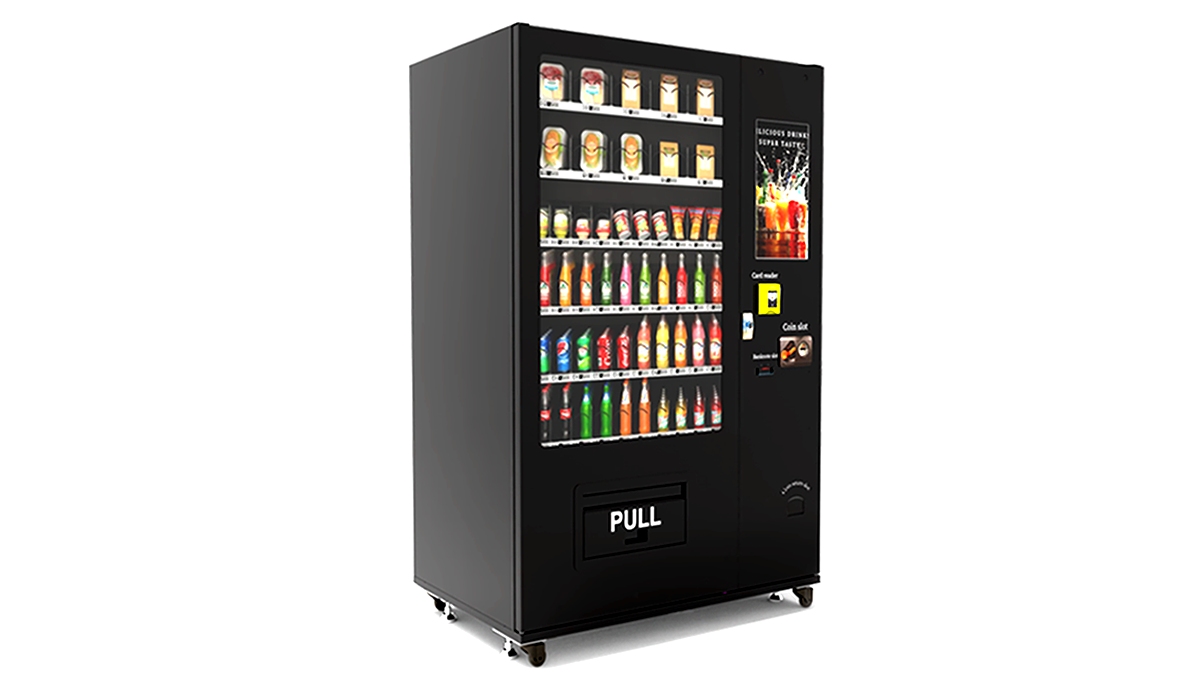
One location type I avoid is standalone retail stores with low foot traffic. If the store itself is struggling, your machine will struggle too. Also avoid locations with very high rent demands. A location that asks for 30% of your gross revenue is usually not worth it unless the foot traffic is exceptional.
How I Evaluate a Potential Location
Before I agree to place a machine, I spend at least two hours at the location during different times of the day. I count the number of women between the ages of 18 and 40 who walk past. If that number is below 200 per hour, I usually pass. I also check whether there is a direct competitor nearby, like a beauty supply store or another vending machine selling similar products.
I also ask about the location's opening hours. A machine in a mall that closes at 9 PM will generate fewer sales than one in a 24-hour transit hub. Every hour the machine is inaccessible is lost revenue. Do not skip this step.
Equipment Selection: What to Look for in a Lash Vending Machine
Not all vending machines are built the same. A lash vending machine needs specific features that a snack machine does not. Here is what I look for based on years of field experience.
Temperature and Humidity Control
Lash adhesives and some lash styles can degrade in high heat or humidity. If you place a machine in a location without air conditioning, you need a unit with a cooling system. Machines without climate control will ruin your inventory in summer months. I learned this the hard way when a batch of adhesive dried out inside a hot machine in Spain.
Payment System Flexibility
Your machine must accept credit cards, debit cards, and mobile payments. Cash-only machines are dying. In the UK, contactless payments account for over 80% of vending transactions according to a 2024 report from Statista. If your machine does not have a reliable card reader, you are leaving money on the table.
Security and Build Quality
Vending machines in public locations get abused. People kick them, shake them, and sometimes try to pry them open. Look for a machine with a reinforced steel door, a high-quality lock, and tamper-resistant hinges. Cheap machines with thin metal panels will not survive a year in a busy location.
After-Sales Support
This is the most overlooked factor. When your machine breaks down, you need parts and support fast. I have worked with manufacturers who take weeks to respond to emails. That is unacceptable when your machine is sitting idle and losing money. Zhongda Smart has a reasonable track record for spare parts availability, but always ask about lead times for common components like card readers and motors before you buy.
Operating Costs and Maintenance
Operating a lash vending machine is not passive income. You need to visit each machine at least once a week to restock, clean, and check for issues. Here is a breakdown of typical ongoing costs based on my operations:
| Cost Category | Monthly Estimate (per machine) | Notes |
|---|---|---|
| Location rent or commission | $50 – $300 | Varies hugely by location and foot traffic |
| Payment processing fees | $15 – $40 | Typically 2.5% to 4% of card transactions |
| Product restocking | $200 – $600 | Depends on sales volume and wholesale costs |
| Transportation | $20 – $80 | Fuel and vehicle wear for restocking visits |
| Insurance | $17 – $35 | Annual policy divided by 12 |
| Repairs and spare parts | $10 – $50 | Average over a year; some months zero, some months high |
Total monthly operating costs typically range from $300 to $1,100 per machine. If your gross revenue is $1,500, your net profit after all costs could be $400 to $1,200. That is a decent return, but only if you keep your costs under control.
Vending Machine Repair: What Breaks Most Often
In my experience, the most common failure points are the card reader, the coin mechanism, and the motor that dispenses the product. Card readers fail because of constant use and exposure to dust. Coin mechanisms jam when people insert bent coins or foreign currency. Motors sometimes fail after heavy use, especially in machines that run 12 hours a day.
I recommend keeping a spare card reader and a few motors on hand. If you have to wait a week for a replacement part, you lose a week of sales. For a machine generating $50 per day, that is $350 in lost revenue. A $100 spare part is a cheap insurance policy.
Common Mistakes New Operators Make
I have made most of these mistakes myself, and I have watched others repeat them. Here are the ones to avoid.
Buying the Cheapest Machine
A $1,500 lash vending machine from an unknown seller looks like a bargain. In reality, it will have a cheap card reader that fails within three months, a flimsy door that bends, and no after-sales support. You will end up spending more on repairs than you saved on the purchase price. Invest in a quality machine from a known supplier.
Ignoring the Payment System
I see operators buy a machine with a cash-only system and then wonder why sales are low. In 2025, if your machine does not accept cards and mobile payments, you are invisible to a huge portion of customers. Upgrade the payment system before you even place the machine.
Overstocking the Wrong Products
New operators often buy too many units of one lash style, thinking it will sell fast. When it does not, they are stuck with inventory that takes months to move. Start with a mix of top-selling styles and test the market. Adjust your product mix based on what actually sells in each location.
Neglecting Regular Cleaning
A dusty, dirty machine looks unprofessional and discourages repeat purchases. Wipe down the machine every time you restock. Clean the touchscreen and the glass front. A clean machine signals that the products inside are fresh and high quality.
How to Evaluate a Machine Before You Buy
Before you commit to purchasing a lash vending machine, run through this checklist. It will save you from expensive mistakes.
- Check the build quality: Open and close the door several times. Does it feel solid? Are the hinges reinforced?
- Test the payment system: Run a test transaction with a card and with a mobile payment. Does it process quickly? Does it give change correctly?
- Ask about spare parts availability: Can you buy a replacement motor or card reader within a week? What is the warranty period?
- Verify the power requirements: Some machines need 220V, which is not standard in all locations. Make sure the machine works with your local power supply.
- Read reviews from other operators: Search for the manufacturer name on vending forums and Facebook groups. Real operators will tell you the truth about reliability.
Self-Operation vs. Leasing vs. Revenue Share
You have three main business models for getting into lash vending. Each has pros and cons.
| Model | Upfront Cost | Monthly Cost | Control | Best For |
|---|---|---|---|---|
| Self-operate (buy machine) | $4,000 – $9,000 | Low to medium | Full control over products and pricing | Experienced operators with capital |
| Lease a machine | $0 – $500 deposit | $150 – $350 per month | Limited by lease terms | New operators who want to test the market |
| Revenue share with location | $0 | 30% – 50% of gross revenue | Low; location sets rules | Operators with no upfront capital |
Leasing is a good way to test the waters without a large investment. However, most lease agreements lock you into a 12-month term. If the location fails, you still pay. Revenue share models reduce your risk but also reduce your profit per sale. I prefer self-operation because it gives me full control, but it requires the most upfront cash.
FAQ
Are lash vending machines profitable?
Yes, if placed in the right location. Gross margins are high, but you need to account for rent, restocking, and payment fees. A realistic net profit range is $300 to $1,000 per month per machine in a good location.
How much does a lash vending machine cost?
A new machine costs between $3,800 and $8,500. Budget another $1,000 to $2,000 for shipping, installation, payment system, and initial inventory.
How long does it take to break even?
In my experience, break-even takes 8 to 14 months for a well-placed machine. If the location is weak, it can take 18 months or longer.
Should a beginner buy or lease?
Leasing is lower risk for beginners. It lets you test the market without a large upfront investment. However, buying gives you better long-term profit if you already have a strong location secured.
Where should I place a lash vending machine?
Beauty salons, college campuses, shopping malls, transit hubs, and hotels are the best locations. Avoid low-traffic retail stores and gyms.
What permits do I need?
Requirements vary by city and country. In the US, you typically need a business license and a sales tax permit. In the EU, you may need a vending machine license and a health clearance if you sell any products classified as cosmetics. Check with your local business authority.
How do I choose a supplier?
Look for a supplier with a track record of supporting international customers. Ask for references, check online forums, and request a sample unit if possible. Zhongda Smart is one supplier I have used successfully, but always do your own due diligence.
What happens if the machine breaks?
You need to have a plan for vending machine repair. Keep spare parts on hand and have a technician contact ready. If you cannot fix it yourself, factor in the cost of hiring a local repair service.
How can I reduce restocking costs?
Optimize your route so you visit multiple machines in one trip. Use inventory management software to track which products sell fastest. Avoid overstocking slow-moving items.
Final Thoughts
The lash vending machine business offers a real opportunity for entrepreneurs who are willing to put in the work. It is not a get-rich-quick scheme. Success depends on choosing the right equipment, securing strong locations, and managing your ongoing costs carefully. Start small, test one machine, learn the operational details, and then scale. That is the approach that has worked for me over a decade in this industry.
This article was updated on October 2025. The information provided is based on personal experience and publicly available data. Results vary by location, product selection, and market conditions. Always conduct your own research before making investment decisions.