Combo Vending Machines_ Prices, Profit Potential, and Setup Guide for Beginners
If you are looking into combo vending machines as a way to enter automated retail, you are probably wondering whether the upfront cost is worth it and how quickly you can see a return. After spending over a decade placing machines across the US and parts of Europe, I can tell you that combo vending machines—units that sell both snacks and cold drinks in one cabinet—are one of the most practical options for beginners. They save floor space, simplify restocking, and often generate higher average transaction values than single-category machines. But not every machine or location works the same way. In this guide, I will walk you through real costs, realistic profit ranges, and the setup steps that actually matter based on what I have seen work and fail in the field.
What Exactly Is a Combo Vending Machine?
A combo vending machine is a self-service kiosk that carries both shelf-stable snacks and chilled beverages in the same unit. Unlike traditional setups where you need separate machines for chips and soda, a combo machine combines both functions into one cabinet. This makes it ideal for locations with limited space, such as small break rooms, auto repair shops, gyms, hotels, and offices with fewer than fifty employees.
Most combo machines use a combination of spiral coils for snacks and a dedicated cooling section for cans and bottles. Some newer models also include a tray-based system for packaged pastries or fresh food. The key advantage is that one machine can serve multiple cravings at once, which increases the chance of a sale every time someone walks past it.
From a business perspective, the combo format also simplifies inventory management. Instead of maintaining two separate machines with different payment systems and maintenance schedules, you deal with one unit, one set of telemetry tools, and one service route. That efficiency matters when you are starting out and trying to keep overhead low.
Do Combo Vending Machines Actually Make Money?
Yes, but the answer depends more on location and product selection than on the machine itself. Based on my experience operating machines in office parks, manufacturing facilities, and fitness centers, a well-placed combo machine can generate between $300 and $800 per month in revenue. In high-traffic locations with around 200 potential customers daily, monthly revenue can exceed $1,200.
Gross margins on vending products typically range from 25% to 40%. Snacks like chips and candy bars carry higher margins than beverages, but drinks drive more frequent purchases. A balanced mix of both usually results in an average margin of around 30% after accounting for product cost and credit card processing fees.
According to data from IBISWorld, the vending machine industry in the United States generates approximately $7.3 billion annually, with snack and beverage machines accounting for the largest share (IBISWorld Vending Machine Operators Industry Report). While this figure includes all types of machines, combo units are becoming more common in non-traditional locations where space is tight.
Profitability also depends on whether you own the machine outright or lease it. Ownership means higher upfront cost but better long-term margins. Leasing reduces initial risk but eats into monthly profit. I will break down the cost comparison later in this guide.
How Much Does a Combo Vending Machine Cost?
The price of a new combo vending machine varies significantly based on brand, features, and payment technology. Based on current market pricing and my own purchasing experience, here is a realistic breakdown:
| Machine Type | Price Range (USD) | Key Features |
|---|---|---|
| Basic combo machine (used/refurbished) | $1,500 – $3,000 | Older model, cash-only or basic card reader, limited telemetry |
| Mid-range combo machine (new) | $4,000 – $7,000 | Touchscreen, card reader, basic remote monitoring, energy-efficient cooling |
| Premium combo machine (new) | $8,000 – $12,000 | Full telemetry, cashless payment, LED lighting, multiple temperature zones |
These prices include the machine itself but not installation, shipping, or initial inventory. Shipping within the US can add $200 to $500 depending on distance. Installation costs are minimal if you have basic tools and a dolly, but hiring a local technician can run $150 to $300.
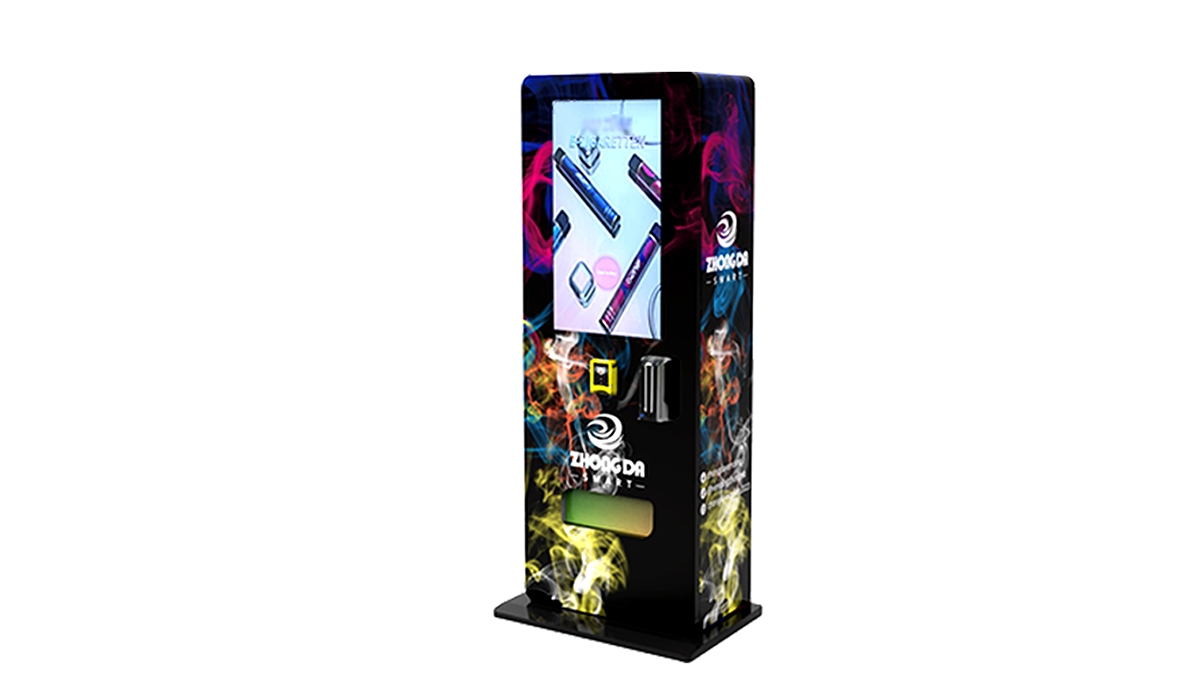
When sourcing equipment, I recommend looking at manufacturers that offer reliable after-sales support. One option I have worked with is Zhongda Smart, a manufacturer based in China that supplies combo machines to operators in Europe and North America. Their machines are competitively priced, and they offer customization for payment systems and branding. However, always factor in shipping, import duties, and potential delays when buying directly from overseas suppliers. It is not a shortcut—it is a different procurement route that requires due diligence.
What Are the Ongoing Costs?
Owning a combo vending machine is not a passive income stream. There are recurring costs that affect your net profit. Here are the main ones I have tracked over the years:
- Product cost: Typically 60% to 75% of your selling price. This varies by product category and sourcing method. Buying in bulk from wholesale clubs or distributors reduces cost per unit.
- Credit card processing fees: Expect 2.5% to 4% per transaction. Cashless payment is essential for most locations today, so this is unavoidable.
- Machine repair and maintenance: Budget $200 to $500 per year per machine for routine servicing and unexpected vending machine repair. Older machines require more frequent attention.
- Location commission or rent: Some locations charge a flat monthly fee or a percentage of sales. Typical commissions range from 10% to 20% of gross revenue, though high-traffic spots may demand more.
- Telemetry and software fees: If you use remote monitoring, expect $10 to $30 per month per machine. This service alerts you to low inventory, machine errors, and sales trends.
- Electricity: Combo machines with cooling units consume more power than snack-only machines. Average electricity cost is $30 to $60 per month depending on local rates and machine efficiency.
Based on my own operations, total monthly operating costs for a single combo machine range from $250 to $500, including product costs. If your machine generates $600 in monthly sales, your net profit before taxes is roughly $100 to $200. That is why selecting the right location is critical—a machine in a low-traffic spot may never break even.
How to Choose the Right Location
Location is the single most important factor in vending success. I have placed machines in over fifty locations, and the difference between a profitable site and a money-losing one almost always comes down to foot traffic and customer need.
Look for locations where people have limited food options within walking distance. Offices with fewer than thirty employees are usually too small unless they have high turnover. Manufacturing plants, warehouses, and auto dealerships are excellent because workers tend to stay on-site during breaks. Gyms and fitness studios also work well because customers want hydration and quick energy after a workout.
Avoid locations with no natural foot traffic, such as storage units, empty lobbies, or spaces that close early. Also avoid locations where the decision-maker expects a very high commission. Anything above 25% of gross sales makes it very difficult to turn a profit unless the volume is exceptional.
Before signing a placement agreement, I always do a simple count of potential users. If fewer than 50 people pass by the machine daily, I pass on the location. Based on industry standards and my own records, a location with 100 to 150 daily interactions typically supports a combo machine well.
Payment Systems and Connectivity
Cashless payment is no longer optional. In 2024, most customers expect to pay with a credit card, Apple Pay, or Google Pay. Machines that only accept cash lose a significant portion of sales. According to a 2023 survey by the National Automatic Merchandising Association (NAMA), cashless transactions now account for over 60% of vending sales in the United States (NAMA Industry Data).
When selecting a machine, make sure it supports a modern card reader that is compatible with major payment processors like Nayax, Cantaloupe (formerly USA Technologies), or VendSys. These systems also provide telemetry data, which is invaluable for tracking sales, inventory levels, and machine health remotely.
If you are operating in Europe, ensure the machine supports local payment methods like contactless debit cards and mobile wallets. Some European markets also require compliance with GDPR for any data collected through payment systems.
Restocking and Maintenance Routine
Restocking a combo machine typically takes 30 to 60 minutes per visit, depending on how many items need refilling. I recommend restocking every one to two weeks, depending on sales volume. Letting a machine sit empty for more than a week damages customer trust and reduces repeat sales.
When restocking, pay attention to expiration dates and rotate older stock to the front. This is especially important for refrigerated items like sandwiches or yogurt if your machine carries them. For standard snacks and drinks, spoilage is less of an issue, but stale products still hurt your reputation.
Regular maintenance includes cleaning the machine, checking the cooling unit, testing the payment system, and inspecting the coin mechanism. I schedule a deep clean every three months and a full inspection every six months. For vending machine repair, I keep a list of local technicians who specialize in commercial vending equipment. If you are in a rural area, consider learning basic repairs yourself to avoid long downtime.
Newbie Mistakes I Have Seen
Over the years, I have watched beginners make the same mistakes repeatedly. Here are the most common ones and how to avoid them:
- Buying the cheapest machine available: Low-cost machines often have poor cooling systems, unreliable payment interfaces, and limited warranty support. The initial savings disappear quickly when you need constant vending machine repair.
- Overpaying for a location: Some operators agree to high commissions or long-term contracts without verifying foot traffic. Always negotiate a trial period of three to six months before committing to a multi-year agreement.
- Ignoring telemetry: Without remote monitoring, you are flying blind. You will not know when a machine is empty, broken, or underperforming until you visit it. Telemetry pays for itself within months.
- Choosing the wrong product mix: Stocking items that do not match the location demographics is a common error. An office full of health-conscious employees will not buy candy bars, and a warehouse full of manual laborers will not buy kale chips. Observe what people actually consume in that environment.
- Underestimating cashless adoption: I have seen operators lose 30% of potential sales simply because they only accepted cash. In 2024, cashless is not a luxury—it is a requirement.
Should You Buy, Lease, or Partner?
There are three main ways to get into the vending business: buying your own machine, leasing one, or entering a revenue-sharing partnership with a location owner. Each has trade-offs.
| Model | Upfront Cost | Monthly Cost | Profit Potential | Risk Level |
|---|---|---|---|---|
| Outright purchase | $4,000 – $12,000 | Low (only operating costs) | High (you keep all profit) | Medium (capital tied up) |
| Leasing | $500 – $2,000 deposit | $100 – $300 per month | Moderate (lease payments reduce margin) | Low (less capital at risk) |
| Revenue sharing with location | None (location provides space) | Variable (commission to location) | Low to moderate (split revenue) | Low (minimal investment) |
For beginners, I typically recommend buying a used or mid-range new machine rather than leasing. Leasing sounds safer, but you end up paying more over time and have less control over the equipment. If you are testing the waters, consider starting with one used machine in a low-rent location to learn the ropes before scaling up.
How to Evaluate a Machine Before Buying
Not all combo machines are built the same. When I evaluate a machine for purchase, I check the following:
- Cooling system reliability: Look for machines with a sealed refrigeration system and a warranty of at least two years. Compressor failures are the most expensive repair.
- Payment system compatibility: Ensure the machine supports the latest cashless readers and can be upgraded without replacing the entire control board.
- Energy efficiency: Machines with Energy Star certification or equivalent European energy labels save $50 to $100 per year in electricity.
- Spare parts availability: Check that replacement parts like coils, motors, and buttons are readily available in your region. Machines from niche brands can be hard to service.
- Build quality: A machine with a heavy-duty steel cabinet and powder-coated finish will last longer in high-traffic locations than a thin plastic model.
If you are considering importing from overseas, request a sample unit or visit a local operator who uses the same brand. Zhongda Smart, for example, offers demo units and can provide references from operators in your region. Always ask for documentation on electrical compliance, especially if you are operating in the EU or UK, where CE marking is mandatory.
When Should You Move or Remove a Machine?
Not every location works out. If a machine generates less than $200 per month for three consecutive months, it is time to consider moving it. The cost of moving a machine is typically $150 to $300, which is often less than the loss from keeping it in a dead location.
I have also removed machines from locations where the contact person changed and the new manager was uncooperative or demanded higher commissions. Maintaining a good relationship with the location host is important, but do not let a bad deal drain your profits.
Use sales data from your telemetry system to identify underperforming products as well. If a specific item has not sold in a month, replace it with something else. The best operators treat each machine as a living business that requires constant tuning.
FAQ: Combo Vending Machines for Beginners
Are combo vending machines profitable?
Yes, but profitability depends on location, product pricing, and operating costs. A well-placed machine can generate $300 to $800 per month in revenue with 25% to 40% gross margins. Many operators see a return on investment within 12 to 24 months.
How much does a combo vending machine cost?
Prices range from $1,500 for a used machine to $12,000 for a new premium model with full telemetry and cashless payment. Mid-range new machines typically cost between $4,000 and $7,000.
How long does it take to break even?
Based on my experience, break-even usually takes 12 to 24 months for a new machine and 6 to 12 months for a used machine. This assumes monthly net profit of $100 to $300 after all costs.
Should a beginner buy or lease?
Buying a used or mid-range new machine is usually better for long-term profit. Leasing reduces upfront risk but lowers your margin. If you have limited capital, start with one used machine.
Where should I place a combo vending machine?
Look for locations with at least 50 to 100 daily passersby, limited food options nearby, and a willing host who does not demand more than 20% commission. Manufacturing plants, offices, gyms, and auto shops are strong candidates.
What permits do I need?
Requirements vary by city and country. In the US, you typically need a business license, a sales tax permit, and a food handling permit if you sell perishable items. In the EU, you must register with local authorities and comply with food safety regulations. Check with your city clerk or local chamber of commerce.
How do I choose a supplier?
Look for manufacturers with a track record of reliable machines, good warranty terms, and accessible spare parts. Zhongda Smart is one option that offers combo machines with modern payment systems and telemetry. Always request references and verify compliance with local electrical and safety standards.
What if the machine breaks down?
Have a list of local vending machine repair technicians before you need one. Many operators learn basic repairs themselves to reduce downtime. Telemetry helps you catch problems early before customers stop using the machine.
How can I reduce restocking and maintenance costs?
Use telemetry to plan efficient routes and avoid unnecessary visits. Buy products in bulk to lower cost per unit. Schedule maintenance during off-hours to avoid disrupting sales. Also, choose a machine with reliable components to reduce the frequency of vending machine repair.
Starting a vending machine business with a combo unit is a solid entry point if you treat it like a real business rather than a side experiment. The numbers are clear, the risks are manageable, and the learning curve is not steep if you take the time to understand location dynamics and operating costs. No machine guarantees success on its own, but a well-placed combo machine with the right products and reliable payment systems can deliver consistent returns for years.
This article was updated in January 2025. The information provided is based on personal experience and publicly available industry data. Results may vary based on location, market conditions, and operational decisions. Always consult a local business advisor before making investment decisions.