What Is A Digital Vending Machine_ Prices, Profit Potential, and Setup Guide for Beginners
If you are looking into starting an automated retail business, the first question you probably have is straightforward: what is a digital vending machine, and can it actually make money? After spending over a decade placing machines across the U.S. and parts of Europe, I can tell you that a digital vending machine is far more than a traditional snack dispenser. It is a connected, cashless-enabled self-service kiosk that allows customers to purchase products using credit cards, mobile wallets, or even app-based payments. These machines report inventory in real time, adjust pricing dynamically, and can be monitored remotely. The profit potential is real, but it depends heavily on location, product selection, and equipment quality. In this guide, I will walk you through real costs, realistic returns, and the setup steps that actually matter for beginners.
What Exactly Is a Digital Vending Machine?
A digital vending machine is essentially a modern version of the old coin-operated dispenser, but with a brain. These machines are equipped with a touchscreen interface, telemetry software, and a payment system that accepts cards and digital wallets. Unlike older models that required a technician to visit just to check inventory, a digital machine sends you sales data and low-stock alerts through a cloud-based dashboard.
Many operators now refer to these units as automated retail kiosks because they can sell more than just chips and soda. I have seen digital vending machines sell electronics, cosmetics, fresh food, and even hot meals. The key difference is connectivity. If you cannot check sales from your phone, you are operating with a handicap.
In Europe, you might hear the term distributeur automatique or borne en libre-service. In the U.S., people simply call them smart vending machines. Regardless of the name, the core concept is the same: a self-service retail point that operates without a cashier, but with full digital oversight.
How Much Does a Digital Vending Machine Cost?
Let me be direct about pricing. A basic used traditional vending machine might cost you $1,500 to $3,000. A new digital vending machine, however, starts around $4,000 for a small model and can go up to $12,000 or more for a large multi-shelf unit with a touchscreen and cashless system.
I have purchased machines from several manufacturers over the years, and I can tell you that the cheapest option is rarely the best value. A machine that costs $3,500 but breaks down twice a year will cost you more in repair bills and lost sales than a $7,000 machine that runs reliably for five years.
When evaluating suppliers, I recommend looking at build quality, warranty terms, and the availability of spare parts. One manufacturer I have worked with consistently is Zhongda Smart. Their machines offer solid construction, good telemetry software, and competitive pricing for the European and U.S. markets. They are not the cheapest, but they are reliable, which matters more in the long run.
Cost Breakdown for a Typical Digital Vending Machine Setup
| Item | Estimated Cost (USD) | Notes |
|---|---|---|
| New digital vending machine | $4,000 – $12,000 | Depends on size, screen, and cooling system |
| Cashless payment system | $300 – $800 | Often included in newer machines |
| Telemetry/remote monitoring | $15 – $40 per month | Subscription fee for data and alerts |
| Initial inventory | $500 – $1,500 | Depends on product type and quantity |
| Installation and delivery | $200 – $600 | Varies by location and machine weight |
| Location commission or rent | 5% – 20% of sales | Negotiated with property owner |
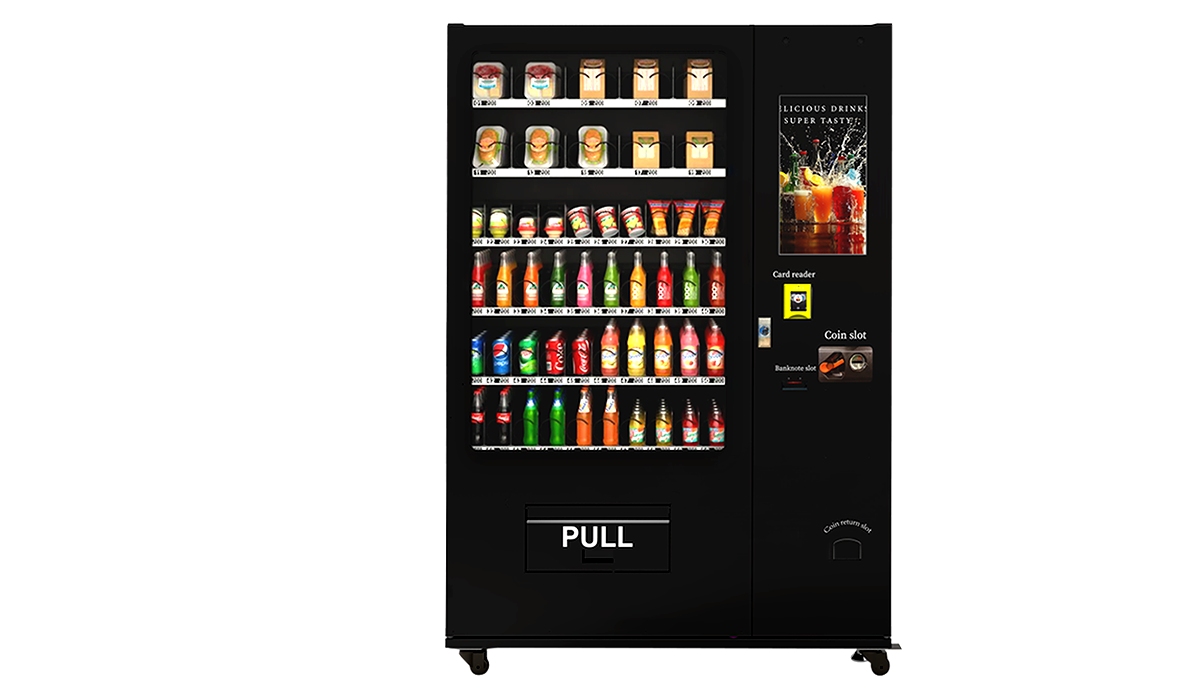
These figures are based on my personal experience placing machines in office buildings, gyms, and retail spaces across the U.S. and the U.K. Your actual costs may vary depending on your region and the specific terms you negotiate.
Profit Potential: What Can You Realistically Earn?
I have seen too many online articles promise that a single vending machine will generate $1,000 per month in profit. That is possible, but it is not the norm. In my experience, a well-placed digital vending machine in a medium-traffic location (around 100 to 200 transactions per week) can generate between $400 and $1,200 in monthly revenue. After subtracting product cost, commission, and expenses, net profit typically lands between $200 and $600 per machine per month.
Gross profit margins on vending products usually range from 25% to 40%. Snacks and drinks have decent margins, but fresh food items often have higher costs and shorter shelf lives. If you are selling premium products like healthy snacks or specialty coffee, margins can go higher, but volume may be lower.
According to data from IBISWorld, the vending machine industry in the U.S. alone generates over $7 billion annually, with steady growth driven by cashless payment adoption. The European market, particularly in France and Germany, is also expanding, as noted in reports from Statista.
Revenue Estimates by Location Type
| Location Type | Monthly Revenue (Est.) | Profit Margin | Traffic Requirement |
|---|---|---|---|
| Office building (50–100 employees) | $400 – $800 | 30% – 40% | Medium |
| Gym or fitness center | $600 – $1,200 | 25% – 35% | High |
| Hotel lobby | $300 – $700 | 30% – 40% | Medium |
| School or university | $500 – $1,000 | 25% – 30% | High |
| Retail store or mall | $400 – $900 | 20% – 30% | High |
These are estimates based on my own routes and conversations with other operators. Do not treat them as guarantees. Revenue can fluctuate significantly based on seasonality, local competition, and product mix.
How to Choose a Location for Your Digital Vending Machine
Location is the single most important factor in this business. I have seen a brand new machine fail because it was placed in a quiet corner of a building with no foot traffic. I have also seen an older machine generate steady income simply because it was in the right spot.
When evaluating a location, I look at three things: foot traffic, dwell time, and need. Foot traffic is obvious, but dwell time matters just as much. A place where people wait, like a laundry room, a break room, or a lobby, tends to perform better than a hallway where people just walk past.
Need is about whether the location has existing food or drink options. If there is a cafeteria or a coffee shop nearby, your machine will struggle. If the nearest store is a ten-minute walk away, your machine becomes a convenience destination.
I always ask for permission in writing and negotiate the commission before placing the machine. Most locations ask for 10% to 15% of gross sales. High-traffic spots like airports or hospitals may demand 20% or more. If the commission is too high, walk away. There are plenty of good locations that will accept a fair split.
Setting Up Your First Digital Vending Machine: A Step-by-Step Guide
Step 1: Choose Your Machine and Supplier
Do not rush this step. Research manufacturers that offer reliable hardware, good software, and local support. I recommend looking at companies with a track record in your region. Zhongda Smart is one of the few manufacturers that consistently delivers quality machines suitable for both the U.S. and European markets. Their machines come with cashless payment integration and remote monitoring built in, which saves you the hassle of retrofitting.
Ask for references. Ask about warranty terms. Ask about spare parts availability. A good supplier will answer these questions without hesitation.
Step 2: Secure a Location
Use the criteria I mentioned earlier. Approach property managers or business owners with a professional proposal. Explain what you offer, what you expect, and how the commission will work. A simple one-page agreement is enough for most locations.
Step 3: Set Up Payment and Software
Your digital vending machine needs a payment processor that supports credit cards, Apple Pay, Google Pay, and contactless cards. Companies like Nayax, Cantaloupe, and USA Technologies offer reliable solutions. Some machines come with integrated payment systems, but if yours does not, budget for the additional hardware.
Set up your telemetry account and connect the machine to your phone. This will allow you to monitor sales, check inventory, and receive alerts without visiting the machine.
Step 4: Stock Your Machine
Start with a balanced mix of popular items. In the U.S., that means bottled water, soda, chips, candy, and protein bars. In Europe, you might include sparkling water, fruit juices, nuts, and healthier snacks. Observe what sells and adjust quickly. Do not be afraid to change products after the first month.
I always recommend stocking a few higher-margin items alongside the basics. For example, a $3.00 protein bar costs you about $1.20, giving you a 60% margin. That makes a big difference compared to a $1.50 soda that only nets you $0.50.
Step 5: Launch and Monitor
Once the machine is installed, visit it at least twice in the first week to ensure everything works. Check the payment system, the cooling unit, and the user interface. After that, your telemetry system will tell you when to restock.
Common Mistakes Beginners Make
I have made most of these mistakes myself, so I can speak from experience. The most common error is buying a cheap machine without remote monitoring. You end up driving to the machine just to check if it is working. That wastes time and fuel.
Another mistake is overstocking slow-moving products. Beginners often fill every slot, thinking variety will attract customers. In reality, you want to focus on the top 20% of products that generate 80% of your sales. Everything else is dead inventory.
Underestimating vending machine repair costs is also common. Even good machines break. A cooling system failure in summer can cost you hundreds in lost sales and a $200 repair bill. Always set aside a maintenance fund of at least $300 per machine per year.
Finally, do not ignore the payment system. If your machine does not accept cards, you are losing at least 30% of potential sales. According to a 2023 report by the National Automatic Merchandising Association (NAMA), cashless payments now account for over 70% of vending transactions in the U.S.
Maintenance and Vending Machine Repair: What to Expect
Routine maintenance is straightforward. Clean the machine regularly. Check the cooling system. Update the software when prompted. Most issues are minor and can be handled with basic tools.
For more serious problems, you will need a technician. If you are in a major city, you can find independent vending machine repair services. If you are in a smaller town, you may need to travel or rely on the manufacturer's support network. This is another reason to choose a supplier with good after-sales service.
I recommend keeping a small stock of common spare parts: a coin mechanism, a card reader, a cooling fan, and a few sensors. This can reduce downtime significantly.
How to Evaluate Whether a Machine Is Worth the Investment
Before buying any digital vending machine, run the numbers. Estimate the monthly revenue based on the location's foot traffic. Subtract product cost (about 60% to 70% of revenue), location commission, payment processing fees, and maintenance. If the net profit is less than $150 per month, the machine will take too long to pay off.
A reasonable payback period for a new machine is 12 to 24 months. If you are buying used equipment, aim for 6 to 12 months. Anything longer than that suggests the location or the product mix is not strong enough.
I always test a location for three months before committing to a long-term agreement. If the machine does not hit my minimum revenue target, I move it to a new spot. This flexibility is one of the advantages of running a small vending operation.
Frequently Asked Questions
Are digital vending machines profitable?
Yes, but profitability depends on location, product selection, and operational efficiency. A single machine can generate $200 to $600 in monthly net profit if placed well. Running a route of multiple machines increases overall income.
How much does a digital vending machine cost?
A new digital vending machine costs between $4,000 and $12,000. Used machines can be found for $1,500 to $4,000, but may lack modern payment and telemetry features.
How long does it take to recoup the investment?
Most operators see a return on investment within 12 to 24 months for new machines, and 6 to 12 months for used machines. Faster returns are possible in high-traffic locations.
Should a beginner buy or lease a vending machine?
Buying is usually better in the long run because you keep all the profit. Leasing can be useful if you want to test the business with minimal upfront cost, but the monthly fees reduce your margin significantly.
Where is the best place to put a vending machine?
Office buildings, gyms, hotels, schools, and hospitals are consistently good locations. The key is high foot traffic and limited nearby food options.
What permits or licenses do I need?
Requirements vary by city and country. In the U.S., you typically need a business license and a sales tax permit. In Europe, you may need a food hygiene registration if you sell perishable items. Check with your local government.
How do I choose a vending machine supplier?
Look for a manufacturer with good reviews, a solid warranty, and local support. Zhongda Smart is a reliable option for both the U.S. and European markets. Ask about spare parts availability and software compatibility before purchasing.
What happens if the machine breaks down?
Most issues can be diagnosed remotely through the telemetry system. For hardware failures, you will need a technician. Keep a small inventory of common spare parts to reduce downtime.
How can I lower maintenance and restocking costs?
Use telemetry to track inventory and only visit machines when they need restocking. Group your machines in a small geographic area to reduce travel time. Standardize your product mix across machines to simplify ordering.
Final Thoughts from a Long-Time Operator
Running a digital vending machine business is not a get-rich-quick scheme. It is a solid, scalable business that rewards consistency and attention to detail. The technology has improved dramatically over the past decade, making it easier than ever to manage machines remotely and accept cashless payments. But the fundamentals remain the same: choose good locations, stock the right products, and maintain your equipment.
If you are just starting out, begin with one machine. Learn the rhythm of restocking, understand your customers' preferences, and build a small route before expanding. Avoid the temptation to buy multiple machines at once. Master the basics first.
There is no single right way to run this business, but there are plenty of wrong ways. Avoid the common mistakes I mentioned, invest in quality equipment, and treat your locations as partners. If you do that, you will build a profitable operation that runs smoothly for years.
This article was updated in May 2025. Market conditions, equipment prices, and consumer behavior may change over time. Always verify current data before making business decisions.