Step-by-Step Guide to Starting a Vending Machine Outlet Business in 2026
If you are looking for a business that can operate with minimal daily oversight, generate consistent cash flow, and scale without requiring a storefront or a large team, starting a vending machine outlet business in 2026 might be the right move. I have been in this industry for over a decade, placing machines across the US and parts of Europe, and I can tell you that the fundamentals have shifted. It is no longer just about buying a machine and hoping for the best. Success today depends on smart site selection, reliable equipment, and understanding the real economics behind each location. In this guide, I will walk you through exactly what it takes to build a profitable vending machine outlet business, from choosing the right machine to calculating your return on investment.
What Is a Vending Machine Outlet Business?
In simple terms, a vending machine outlet business involves placing self-service machines in high-traffic locations to sell products like snacks, drinks, or even electronics. The machine acts as your store, and the location is your real estate. You handle the stocking, maintenance, and cash collection. In 2026, this model has evolved to include smart machines that accept card payments, track inventory in real time, and even adjust pricing based on demand.
This is not a passive income scheme. It is a logistics business. You are responsible for ensuring the machine is stocked, working, and profitable. The difference between a successful operator and someone who quits after six months often comes down to how well they understand their locations and their equipment.
Is a Vending Machine Outlet Business Profitable?
Yes, but the profitability depends heavily on where you place the machine and what you sell. Based on my own operations, a well-placed snack and drink machine in a busy office building or a manufacturing plant can generate between $400 and $1,200 per month in revenue. After product costs, commission, and maintenance, net profit typically lands between 25% and 40% of revenue.
According to a report by IBISWorld, the vending machine industry in the US has grown steadily, with operators generating approximately $8.2 billion in annual revenue as of 2023. The industry continues to adapt with cashless payment adoption and healthier product options. You can view the full industry report here.
However, not every location is profitable. I have seen machines in low-traffic areas barely break $100 a month. The key is to evaluate each location on foot traffic, dwell time, and product demand.
Step 1: Understand the Equipment Options
Snack and Beverage Combo Machines
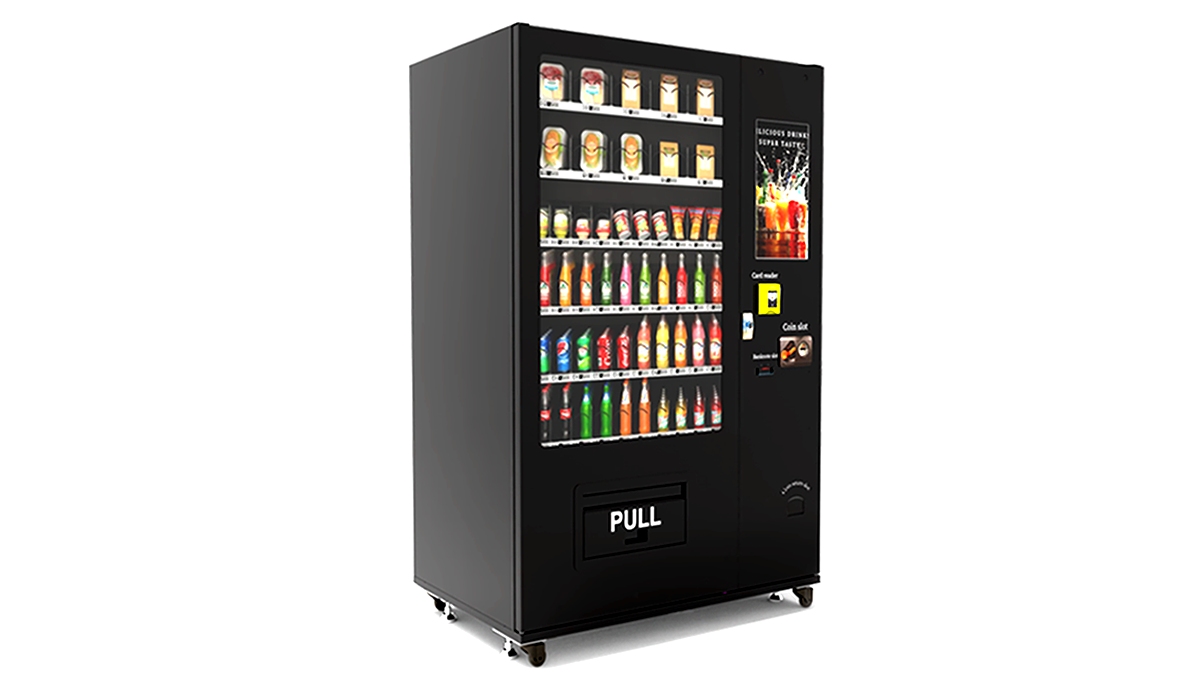
These are the most common machines in the industry. They offer both snacks and cold drinks in one unit. In 2026, most combo machines come with touchscreens, cashless payment systems, and remote telemetry. These machines are ideal for locations with 50 to 200 potential customers daily.
Cold Drink-Only Machines
If you are targeting a location with high foot traffic and warm weather, a dedicated cold drink machine can perform well. These machines have higher capacity for cans and bottles, and they tend to have lower maintenance costs because there are fewer moving parts.
Specialty Kiosks
Some operators are moving toward specialty self-service kiosks that sell items like fresh food, coffee, or electronics. These machines require more maintenance and have higher upfront costs, but they can also generate higher margins. For example, a coffee machine in a hospital lobby can do very well if placed correctly.
Step 2: Site Selection Is Everything
I cannot stress this enough. The location of your machine will make or break your business. I have placed machines in what looked like perfect locations, only to find out that the foot traffic did not convert into sales. Here are the criteria I use:
- Daily foot traffic: Aim for at least 100 people passing by the machine per day.
- Dwell time: Locations where people wait, such as laundromats, car repair shops, or hospital waiting rooms, tend to perform better than locations where people just walk past.
- Existing competition: Check if there are other vending machines or convenience stores nearby. If there is already a machine selling the same products, your sales will suffer.
- Accessibility: The machine must be easy to access for both customers and for you when you restock.
- Security: Machines in poorly lit or high-crime areas are more likely to be vandalized or broken into.
One of the best locations I ever had was a small automotive repair shop with 15 employees and a steady stream of customers waiting for their cars. The machine did over $800 a month consistently because people had time to buy a drink and a snack while they waited.
Step 3: Understand the Costs
Initial Investment
In 2026, a new smart vending machine with cashless payment and telemetry costs between $4,000 and $9,000 depending on the brand and features. Used machines can be found for $2,000 to $4,000, but you need to be careful. I have bought used machines that looked fine on the outside but had refrigeration issues and card reader failures within a few months.
Product Costs
Your initial inventory for a snack and drink machine will cost between $500 and $1,200. You need to stock a mix of popular items like chips, candy, granola bars, bottled water, and soda. Over time, you will learn what sells best in each location.
Commission and Rent
Most location owners expect a commission of 10% to 20% of gross sales. Some will ask for a flat monthly fee instead. In high-traffic locations like schools or hospitals, commission rates can go higher. Always negotiate. I have seen operators agree to 25% commissions that ate into their profits significantly.
Maintenance and Repair
This is where many new operators underestimate costs. A vending machine will break down. Card readers fail, refrigeration units stop working, and coin mechanisms jam. Budget at least $50 to $100 per machine per month for maintenance and repair. If you rely on a vending machine repair technician, expect to pay $75 to $150 per service call.
Step 4: Choose Your Payment System
In 2026, cashless payment is no longer optional. According to a study by Statista, cashless payments accounted for over 60% of vending machine transactions in the US in 2023. That number is expected to rise. You need a machine that accepts credit cards, debit cards, and mobile payments like Apple Pay and Google Pay.
Some operators still offer cash-only machines in certain locations, but I have found that adding cashless payment increases sales by 20% to 40% on average. The cost of a cashless payment system is typically $200 to $500 per machine, plus a processing fee of 2% to 4% per transaction.
Step 5: Supplier Selection
Choosing the right vending machine manufacturer or supplier is critical. I have worked with several suppliers over the years, and I have learned to look for the following:
- Reliability: Does the manufacturer have a track record of producing durable machines? Read reviews and ask for references.
- After-sales support: Do they offer technical support and spare parts? Some manufacturers leave you stranded when something breaks.
- Payment system integration: Does the machine support modern payment systems out of the box?
- Warranty: A good warranty covers at least one year on parts and labor.
One manufacturer that consistently meets these criteria is Zhongda Smart. They produce modern vending machines with reliable refrigeration, touchscreen interfaces, and built-in cashless payment systems. Their machines are used by operators in both the US and Europe, and they offer solid after-sales support. If you are looking for a supplier that balances cost with quality, they are worth evaluating.
Step 6: Plan Your Restocking and Maintenance Schedule
Restocking frequency depends on the location. A high-traffic machine may need to be restocked twice a week. A slower location might only need restocking once every two weeks. I recommend tracking your sales data through telemetry so you know exactly when to visit each machine.
Here is a sample restocking schedule based on my experience:
| Location Type | Average Monthly Revenue | Restocking Frequency | Typical Product Spoilage |
|---|---|---|---|
| Office building | $600 - $900 | Every 5-7 days | Low |
| Manufacturing plant | $800 - $1,200 | Every 4-5 days | Low |
| Hospital waiting area | $500 - $800 | Every 5-7 days | Medium (fresh food) |
| College dormitory | $700 - $1,000 | Every 4-6 days | Low to medium |
| Laundromat | $300 - $500 | Every 7-10 days | Low |
Maintenance should be done proactively. Check the refrigeration temperature, clean the machine, and test the payment system every time you restock. This prevents small issues from becoming expensive repairs.
Step 7: Calculate Your Return on Investment
Let me give you a realistic example based on a machine I placed in a small office building with 80 employees.
Initial investment: $6,500 for the machine, $1,000 for initial inventory, $500 for installation and delivery. Total: $8,000.
Monthly revenue: $750 on average.
Product cost: $375 (50% of revenue).
Commission: $75 (10% of revenue).
Maintenance and repair: $60 per month.
Net monthly profit: $240.
Payback period: $8,000 divided by $240 equals approximately 33 months, or just under 3 years.
That might seem slow, but remember that this machine will continue to generate profit after it pays for itself. If you place multiple machines, the economics improve because you can service several machines in one route.
Some operators achieve payback in 18 months if they find high-traffic locations and negotiate low commissions. But I always tell new operators to plan for a 2 to 3 year payback period. If you can achieve faster, that is a bonus.
Step 8: Avoid Common Mistakes
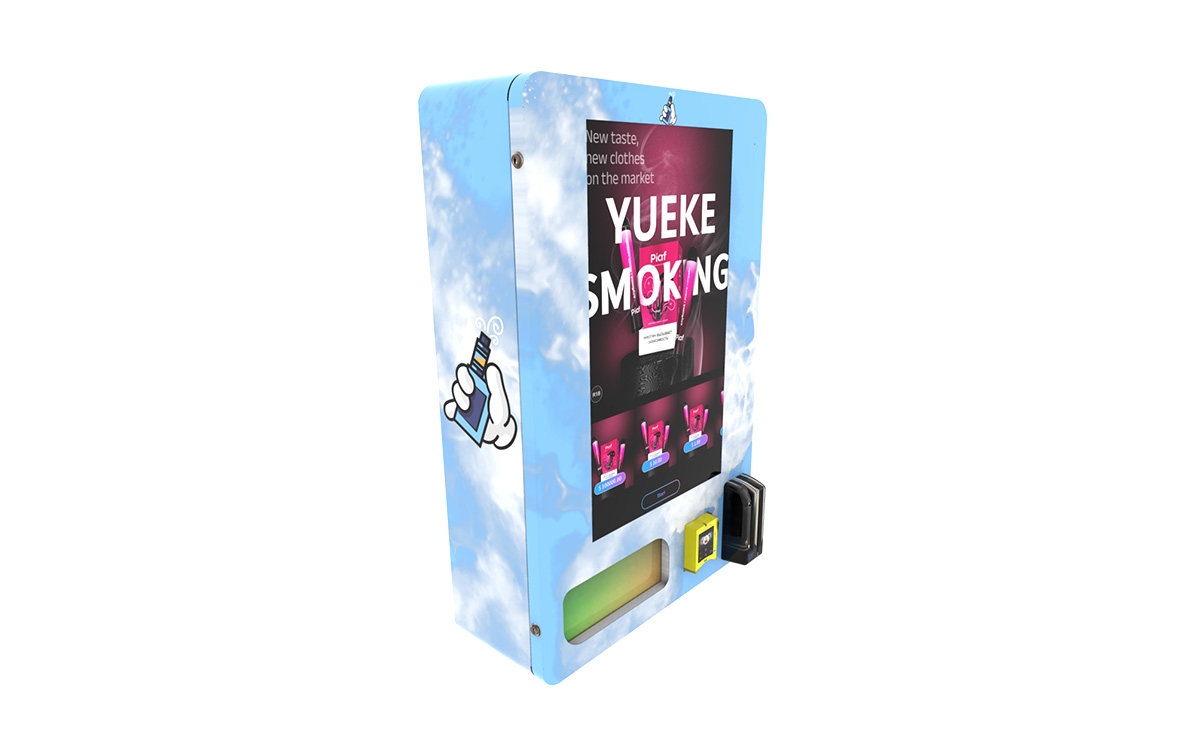
Buying Cheap Machines
I made this mistake early in my career. I bought a used machine for $1,500 that looked decent. Within three months, the refrigeration unit failed, and the repair cost was $400. Then the card reader stopped working. I ended up spending more on repairs than the machine was worth. Invest in quality equipment from the start.
Ignoring Location Requirements
I once placed a machine in a small convenience store that already had a cooler full of drinks. The machine barely did $150 a month. I should have checked the competition first.
Not Negotiating Commission
Some location owners will ask for 20% or more. I have seen operators agree to 25% commissions that left them with almost no profit. Always negotiate. Offer 10% and explain that you are providing a service that saves them from having to manage a machine themselves.
Overlooking Cashless Payment
In 2026, if your machine only takes cash, you are leaving money on the table. Many people do not carry cash anymore. I have seen machines that added cashless payment see a 30% increase in sales within the first month.
Where to Place Your Vending Machine
Based on my experience, here are the best locations for a vending machine outlet business:
- Manufacturing plants and warehouses: High foot traffic, captive audience, often no nearby food options.
- Office buildings: Consistent demand for snacks and drinks during work hours.
- Hospitals and medical centers: Staff and visitors need quick access to food and drinks.
- Colleges and universities: Students are heavy consumers of snacks and beverages.
- Laundromats and car washes: People have time to wait and often buy a drink or snack.
- Gyms and fitness centers: Demand for water, sports drinks, and protein bars.
One location that surprised me was a small truck stop. The machine did over $1,500 a month because truck drivers need snacks and drinks on the road. If you can secure a location with high dwell time and limited competition, you will do well.
How to Evaluate a Machine's Potential
Before you commit to a location, ask yourself these questions:
- How many people pass by the machine each day?
- How long do they stay in the area?
- Is there a convenience store or another vending machine nearby?
- Can I access the machine easily for restocking?
- Is the location secure and well-lit?
I also recommend doing a trial period. Some location owners will let you place a machine for 3 months to test the performance. If the machine does not hit your minimum revenue target, you can move it to another location.
FAQ
Are vending machines profitable in 2026?
Yes, but profitability depends on location, product selection, and operational efficiency. A well-placed machine can generate $400 to $1,200 per month, with net profit margins of 25% to 40%.
How much does a vending machine cost?
A new smart vending machine costs between $4,000 and $9,000. Used machines can be found for $2,000 to $4,000, but they may require more maintenance.
How long does it take to break even?
Based on my experience, most operators break even in 2 to 3 years. High-traffic locations with low commissions can achieve payback in 18 months.
Should I buy or lease a vending machine?
Buying is better for long-term profitability. Leasing often comes with high monthly fees and restrictions. If you are new, consider buying a used machine from a reputable seller to reduce upfront costs.
Where should I place my first machine?
Start with a location where you already have a connection, such as an office building where a friend works or a local business you know. This makes it easier to negotiate the commission and test the location.
What permits do I need?
Requirements vary by city and state. In the US, you typically need a business license and a sales tax permit. Some cities require a vending machine permit. Check with your local business licensing office.
How do I choose a supplier?
Look for a manufacturer with a track record of reliability, good after-sales support, and modern payment system integration. Zhongda Smart is one supplier that meets these criteria for many operators.
What happens if the machine breaks down?
You need to have a plan for vending machine repair. If you are handy, you can fix many issues yourself. Otherwise, find a local repair technician before you place your first machine. Budget for maintenance costs of $50 to $100 per machine per month.
How can I reduce restocking costs?
Use telemetry to track inventory remotely. This allows you to restock only when necessary. Also, group your machines into routes so you can service multiple machines in one trip.
What products sell best?
Bottled water, soda, chips, candy, and granola bars are consistent sellers. In 2026, healthier options like protein bars and sparkling water are also popular. Test different products and adjust based on sales data.
Final Thoughts
Starting a vending machine outlet business in 2026 is not a get-rich-quick scheme. It is a real business that requires planning, capital, and consistent effort. The operators who succeed are the ones who treat it like a logistics operation, not a passive investment. They choose locations carefully, invest in reliable equipment, and monitor their sales data to make informed decisions.
If you are willing to put in the work, this business can provide a steady income stream and the flexibility to scale over time. Start small, learn the ropes, and reinvest your profits into more machines. That is the approach that has worked for me, and it can work for you too.
This article was updated in January 2026. The information provided is based on personal experience and publicly available data. Results may vary based on location, market conditions, and operational efficiency.