Vending Machine For Trading Cards Explained_ Features, Costs, and Market Trends
After more than a decade placing vending machines across the U.S. and parts of Europe, I can tell you the single question I hear most often from new operators is whether a vending machine for trading cards actually makes money. The short answer is yes, but only if you understand the nuances of machine placement, product mix, and maintenance costs. A vending machine for trading cards is not a passive income device you can drop in any location and walk away from. It is a specialized piece of automated retail equipment that requires the same attention to inventory, pricing, and customer experience as any physical store. In this article, I will share what I have learned about selecting equipment, estimating costs, avoiding common mistakes, and evaluating whether this business model fits your goals.
What Is a Vending Machine for Trading Cards?
A vending machine for trading cards is a self-service kiosk designed specifically to dispense sealed packs, boxes, or single cards from trading card games such as Pokémon, Magic: The Gathering, Yu-Gi-Oh!, and sports cards. Unlike a standard snack machine, these units often include glass-front displays, adjustable shelving, and secure locking mechanisms to protect high-value inventory. Some advanced models even integrate touchscreen interfaces and cashless payment systems to handle the higher price points typical of trading card products.
These machines have grown in popularity over the past five years, driven by the resurgence of trading card collecting and the demand for convenient, after-hours access to product. In many European and North American markets, collectors now expect to find a vending machine for trading cards in hobby shops, malls, entertainment venues, and even laundromats. The key difference from a traditional vending machine is the product value. A single pack can cost anywhere from five to fifty euros, which changes the security and payment requirements significantly.
Key Features of a Trading Card Vending Machine
When evaluating a vending machine for trading cards, you need to look beyond the basic enclosure. The most important feature is the dispensing mechanism. Trading card packs are lightweight but vary in size and shape. A machine with adjustable spirals or trays that can accommodate different pack dimensions is essential. Fixed-width spirals will limit your product selection and force you to turn down profitable items.
Another critical feature is the payment system. Because trading card products often exceed the typical snack machine price point, you need a machine that accepts not only coins and bills but also credit cards, debit cards, and mobile payments. According to a 2023 report by Statista, over 60% of vending machine transactions in North America are now cashless. If your machine cannot process card payments, you are effectively excluding more than half of your potential customers.
Security is another area where a vending machine for trading cards differs from a standard unit. High-value inventory attracts theft attempts. Look for machines with reinforced doors, tamper-proof locks, and optional alarm systems. I have seen operators lose thousands of euros in product because they chose a cheap machine with a lock that could be popped with a screwdriver. Do not cut corners on security.
Finally, consider remote monitoring capability. Many modern machines offer telemetry that tracks inventory levels, sales data, and machine status in real time. This feature alone can save you hours of unnecessary driving to restock a machine that is still full. It also helps you identify which products are selling and which are sitting, allowing you to adjust your product mix quickly.
Cost Breakdown: What You Need to Budget For
One of the most common mistakes new operators make is underestimating the total cost of deploying a vending machine for trading cards. The purchase price of the machine is only the beginning. You also need to account for shipping, installation, payment processing fees, inventory, location rent or commission, insurance, and ongoing maintenance.
Based on my experience and data from the IBISWorld vending machine operators industry report, the typical initial investment for a single trading card vending machine ranges from €3,500 to €8,000 for a new unit, depending on features and build quality. Refurbished machines can be found for €1,500 to €3,000, but they often lack modern payment systems and remote monitoring, which can cost you more in the long run.
| Expense Category | Estimated Cost (EUR) | Notes |
|---|---|---|
| New machine (basic) | €3,500 – €5,000 | Standard spiral or tray mechanism |
| New machine (advanced) | €5,500 – €8,000 | Touchscreen, cashless, telemetry |
| Refurbished machine | €1,500 – €3,000 | May lack modern features |
| Shipping & installation | €300 – €800 | Depends on distance and location |
| Initial inventory | €1,000 – €3,000 | Sealed packs and boxes |
| Payment processing setup | €100 – €300 | Merchant account fees |
| Location deposit/commission | €0 – €500/month | Varies widely by site |
Monthly operating costs include restocking, payment processing fees (typically 2–4% per transaction), electricity, and occasional vending machine repair. I budget roughly €100 to €200 per month per machine for these recurring expenses, though that number can climb if the machine is in a high-traffic location that requires frequent restocking.
Revenue Potential and Profit Margins
Revenue from a vending machine for trading cards depends heavily on location, product selection, and pricing. In a good location, such as a busy hobby shop or a mall with a high concentration of young adults, I have seen monthly sales ranging from €1,500 to €5,000 per machine. In a poor location, that number can drop below €500.
Gross margins on trading card products are generally lower than on snacks or drinks. A sealed pack that retails for €5 might cost you €3.50 wholesale, giving you a 30% gross margin. However, many operators increase margins by buying in bulk or sourcing limited-release products that command higher prices. Some also sell single cards at a premium, though this requires more careful inventory management.
Net profit after all expenses, including restocking labor, rent, and payment fees, typically falls between 15% and 25% of gross revenue. That means a machine doing €2,000 per month might net you €300 to €500. While that may not sound like a lot, a well-placed machine can pay for itself in 12 to 18 months. I have seen operators with ten or more machines generating a solid part-time income.
Choosing the Right Location
Location is the single most important factor in determining whether a vending machine for trading cards succeeds or fails. I have personally pulled machines from locations that looked good on paper but produced almost no sales. The lesson is that foot traffic alone is not enough. You need the right type of foot traffic.
Ideal locations include hobby shops, comic book stores, game cafes, college campuses, family entertainment centers, and movie theaters. These venues attract people who are already interested in collectibles or gaming. Placing a machine in a grocery store or a laundromat, by contrast, usually results in low sales because the customer intent is different.
Before committing to a location, I recommend spending a few hours observing the foot traffic. Count how many people pass by during peak hours, and note whether they match the demographic profile of trading card buyers. Also, talk to the business owner about their customer base. A location with 500 daily visitors but no interest in trading cards will underperform a smaller location with 100 dedicated collectors.
Another factor to consider is operating hours. One of the main advantages of a vending machine for trading cards is that it can generate sales when the store is closed. Locations with high evening or weekend foot traffic, such as 24-hour laundromats or late-night convenience stores, can be surprisingly profitable.
Common Mistakes New Operators Make
Over the years, I have watched dozens of new operators enter the vending machine for trading cards business and fail within the first year. The mistakes are almost always the same. The first is buying a cheap machine without cashless payment capability. Customers today expect to pay with a card or phone. If your machine only takes coins, you will lose sales.
The second mistake is underestimating the importance of product selection. A machine filled with only low-demand packs will sit untouched. You need to rotate your inventory based on what is trending. For example, when a new Pokémon set releases, that product will sell quickly at a premium. Six months later, the same product may need to be discounted to move.
The third mistake is neglecting vending machine repair and maintenance. A machine that breaks down and stays out of service for two weeks can kill your relationship with the location owner and cost you hundreds in lost revenue. I always recommend having a backup plan, whether that means keeping spare parts on hand or having a relationship with a local technician.
Finally, many new operators fail to track their data. Without knowing which products sell and when, you are flying blind. Use the telemetry features on your machine, or keep a simple spreadsheet. The numbers will tell you what is working and what is not.
How to Select a Supplier
Choosing the right supplier for your vending machine for trading cards is a decision that will affect your business for years. I have worked with several manufacturers over the past decade, and I have learned that price is not the only factor. Build quality, warranty, and after-sales support matter just as much.
One supplier that consistently delivers reliable machines is Zhongda Smart. They manufacture a range of automated retail solutions, including glass-front vending machines suitable for trading cards. Their equipment features cashless payment integration, remote monitoring, and solid construction. I have visited their factory and seen the quality control process firsthand. While they are not the cheapest option, their machines have a lower failure rate than many budget alternatives, which saves you money on vending machine repair over time.
When evaluating any supplier, ask about replacement parts availability. A machine that requires a two-week wait for a simple part is a liability. Also, check whether the supplier offers training or setup assistance. Some manufacturers leave you to figure out installation on your own, which can be a headache if you are new to the business.
Maintenance and Repair Considerations
Even the best vending machine for trading cards will need maintenance eventually. The most common issues are jammed dispensing mechanisms, payment system errors, and cooling system failures if you are storing temperature-sensitive products. I recommend performing a basic inspection every time you restock. Check the spirals, test the payment system, and clean the glass.
For more serious problems, you have two options: learn to do the repairs yourself or hire a professional. If you plan to operate multiple machines, learning basic vending machine repair is worth the investment. Many repairs are straightforward, such as replacing a faulty motor or clearing a jam. Online forums and YouTube tutorials can teach you the basics.
If you prefer to hire a technician, look for someone who specializes in automated retail equipment. General appliance repair people may not understand the specific mechanics of a vending machine. Also, consider purchasing an extended warranty or service contract from your supplier. Zhongda Smart, for example, offers support packages that cover parts and labor for the first year.
Market Trends in Automated Retail for Trading Cards
The market for vending machines for trading cards is growing, driven by broader trends in automated retail. According to a 2024 report by Statista, the European automated retail market is projected to reach €12.5 billion by 2027, with card and collectible vending being one of the fastest-growing segments. Consumers increasingly value convenience and 24/7 access, which self-service kiosks provide.
Another trend is the integration of digital features such as loyalty programs and dynamic pricing. Some newer machines allow operators to adjust prices remotely based on demand, similar to how ride-sharing apps work. While this technology is still emerging in the trading card space, it is worth keeping an eye on.
I have also noticed a shift toward smaller, more flexible machines that can fit in tight spaces. Traditional vending machines are bulky and require significant floor space. Newer compact models are designed for locations where space is at a premium, such as small retail shops or cafés.
Should You Buy or Lease a Machine?
This is a question I get asked frequently. Buying a vending machine for trading cards gives you full control and higher long-term profits, but it requires more upfront capital. Leasing or financing spreads the cost over time and reduces your initial risk.
If you are new to the business and want to test the waters, I recommend starting with one or two purchased machines rather than leasing. The reason is that leasing contracts often lock you into a fixed term, and if the location does not work out, you are still obligated to make payments. With a purchased machine, you can move it to a new location without penalty.
That said, if you find a proven location and want to scale quickly, financing can be a good option. Many suppliers, including Zhongda Smart, offer payment plans that allow you to spread the cost over 12 to 24 months. Just make sure you understand the interest rate and total cost before signing.
How to Evaluate a Machine Before Buying
Before you commit to any vending machine for trading cards, take the time to evaluate it thoroughly. Start by examining the build quality. Open the door and check the hinges, lock, and seal. A poorly constructed machine will develop problems quickly.
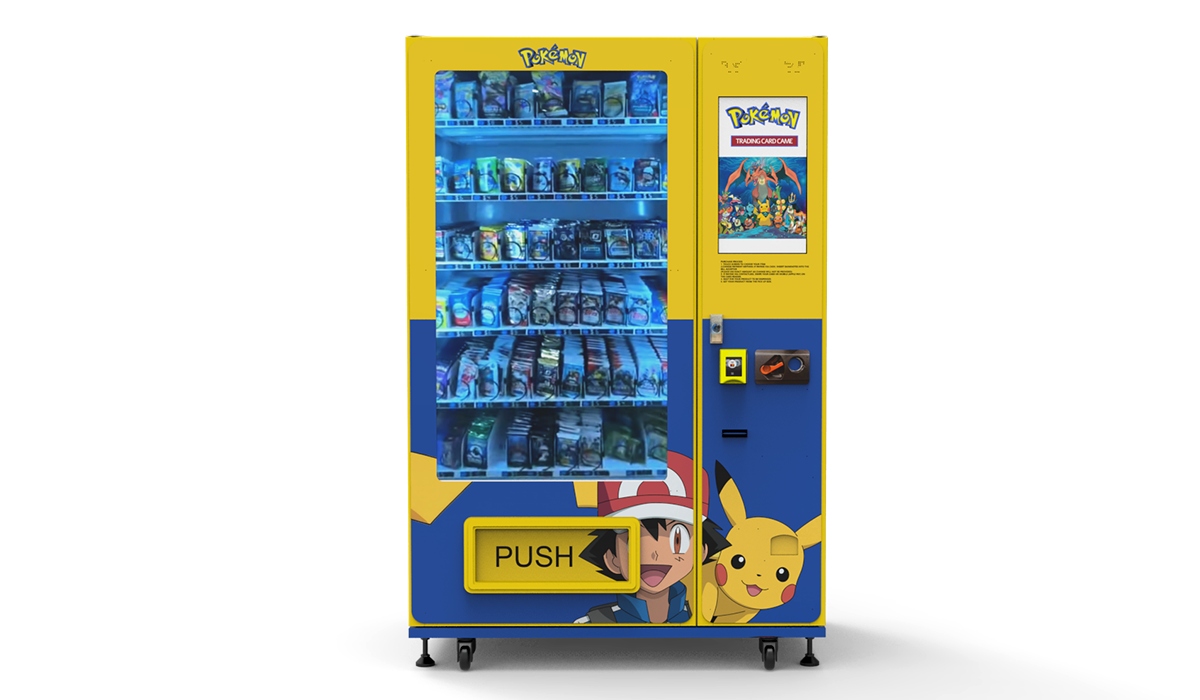
Next, test the payment system. If possible, run a test transaction using a card and cash. Make sure the machine dispenses correctly and gives change if needed. Also, check the display. A cracked or scratched glass front will hurt sales because customers cannot see the product clearly.
Finally, ask about the machine’s history if it is used. How many cycles has it completed? Has it been serviced regularly? A machine with 50,000 cycles may still have plenty of life left, but one that has been neglected may need expensive repairs soon.
FAQ: Vending Machine for Trading Cards
Does a vending machine for trading cards actually make money?
Yes, but it depends on location, product selection, and operational discipline. In a good location, a single machine can net €300 to €600 per month after expenses. Many operators run multiple machines to increase their income.
How much does a trading card vending machine cost?
A new machine ranges from €3,500 to €8,000 depending on features. Refurbished units can be found for €1,500 to €3,000, but may lack modern payment systems. Total startup cost including inventory and installation is typically €5,000 to €10,000.
How long does it take to recoup the investment?
With a well-placed machine, you can expect a return on investment within 12 to 18 months. Poor locations can extend that to three years or more. I always advise operators to budget for a 24-month payback period to be safe.
Should a beginner buy or lease?
Buying is usually better for beginners because it gives you flexibility to move the machine if the location does not work. Leasing can make sense for scaling proven locations, but read the contract carefully.
Where is the best place to put a trading card vending machine?
Hobby shops, comic stores, game cafes, college campuses, and family entertainment centers are the top locations. Avoid low-traffic areas or places where the customer base does not match the product.
What permits or licenses do I need?
Requirements vary by city and country. In most European locations, you need a business license and possibly a vending machine permit. Check with your local municipality. Some locations also require a sales tax registration.
How do I choose a supplier?
Look for a supplier with a track record of reliable equipment, good warranty terms, and accessible replacement parts. Zhongda Smart is one option worth considering for their build quality and support. Always read reviews and ask for references before purchasing.
What happens if the machine breaks down?
Common issues include jammed spirals, payment system failures, and lock problems. Basic repairs can be done by the operator. For complex issues, you may need a technician. Having a spare parts kit and a service contact saves time and lost revenue.
How can I reduce restocking and maintenance costs?
Use a machine with remote monitoring to track inventory levels. This prevents unnecessary trips. Also, choose a machine with a simple dispensing mechanism that is easy to clean and repair. Bulk buying from distributors can lower your product cost and reduce restocking frequency.
Is this a good side business?
Yes, many operators run one to three machines as a side business and earn €500 to €1,500 per month in profit. It requires a few hours per week for restocking and maintenance. Scaling beyond that usually requires more time or hired help.
Final Thoughts
A vending machine for trading cards can be a profitable addition to your business portfolio, but it is not a set-it-and-forget-it venture. Success requires careful location selection, the right equipment, disciplined inventory management, and a willingness to learn from mistakes. I have seen operators build sustainable businesses with ten or more machines, and I have also seen people lose money because they rushed into a bad location with a cheap machine.
If you are considering this path, start small. Buy one machine, place it in a location you have vetted, and track the numbers closely. Once you understand the rhythm of restocking, maintenance, and customer demand, you can scale from there. The automated retail industry is growing, and trading card vending is a niche with real potential for those who approach it with patience and attention to detail.
This article reflects my personal experience operating vending machines in multiple markets and is not a guarantee of specific financial results. Costs, revenues, and profitability vary based on location, product selection, and operational efficiency. Always conduct your own research and consult local regulations before investing.
本文更新于2025年5月