Is Otc Vending Machines Worth It_ Pros, Cons, and Real-World Insights
After more than a decade running vending machine routes across the US and parts of Europe, I can tell you the honest answer to whether OTC vending machines are worth it: it depends entirely on your location strategy, equipment choice, and operational discipline. I have seen operators pull in over $3,000 a month from a single machine in a busy warehouse breakroom, and I have watched others lose money on machines placed in low-traffic lobbies with stale inventory. The key is understanding that a vending machine is not a passive income device—it is a small retail business that requires real work. In this article, I will break down the real costs, realistic returns, and the hard lessons I have learned about OTC vending machines, so you can decide if this business fits your goals.
What Exactly Is an OTC Vending Machine Business?
An OTC vending machine is simply a self-service retail unit that sells over-the-counter products—snacks, drinks, personal care items, or even electronics—without a cashier. The term "OTC" here refers to the general consumer goods you would find on a store shelf. These machines have evolved significantly from the old candy-and-soda dispensers. Modern units accept credit cards, mobile payments, and even contactless transactions. Some are refrigerated, some are not. Some are designed for indoor use, others are weatherproofed for outdoor placement.
In my experience, the biggest shift in the last five years has been the move toward cashless payment systems. According to a 2023 report by Statista, over 80% of vending machine transactions in the US are now cashless. If you are placing a machine today and it only takes coins, you are losing at least 30% of potential sales. That is not a guess—I have tested it myself on multiple routes.
Pros of OTC Vending Machines: What Works
Low Barrier to Entry Compared to Traditional Retail
Opening a brick-and-mortar store requires a lease, staff, inventory management, and significant upfront capital. A vending machine, on the other hand, can be started with a few thousand dollars. I have seen operators begin with a single used machine for under $2,000 and scale from there. The operational overhead is also lower—no rent, no employee payroll, and no utility bills (the location usually covers electricity).
Flexible Location Options
One of the strongest advantages is the ability to move a machine if a location underperforms. You cannot move a convenience store. But you can relocate a vending machine in a weekend. I have moved machines from quiet office lobbies to busy auto repair shops and seen revenue triple. The portability of a self-service kiosk gives you room to experiment without huge sunk costs.
24/7 Revenue Potential
Vending machines do not sleep. They do not call in sick. They do not take vacations. Once stocked, a machine can generate sales around the clock. In locations like hospitals or factories with night shifts, this is a major advantage. I have had machines in 24-hour manufacturing plants that did 40% of their weekly sales between midnight and 6 AM.
Scalability Without Proportional Labor
Adding a second or third machine does not double your work if they are in the same geographic area. You can service multiple machines in a single day. Over time, you can build a route that generates consistent monthly income without needing to hire employees until you hit a certain volume. This scalability is one of the reasons automated retail continues to grow in Europe and North America.
Cons of OTC Vending Machines: The Hard Truth
Machines Break. Often.
This is the number one complaint I hear from new operators. A vending machine is a mechanical and electronic device. Coin mechanisms jam. card readers lose connection. cooling systems fail. I have owned machines that needed vending machine repair within the first month of operation. The reality is that cheaper machines tend to break more frequently, and repair costs can eat into your margins quickly. I recommend budgeting at least 10% of your gross revenue for maintenance and repairs.
Location Dependency Is Brutal
You can have the best machine in the world, but if it is placed in a location with low foot traffic, it will fail. I have seen operators place machines in small offices with 20 employees and wonder why they only sell $50 a week. A vending machine needs a minimum of 100–150 potential customers passing by daily to generate meaningful revenue. And even then, the demographic matters—a machine full of protein bars in a yoga studio will outperform the same machine in a tax office.
Inventory Management Is Not Passive
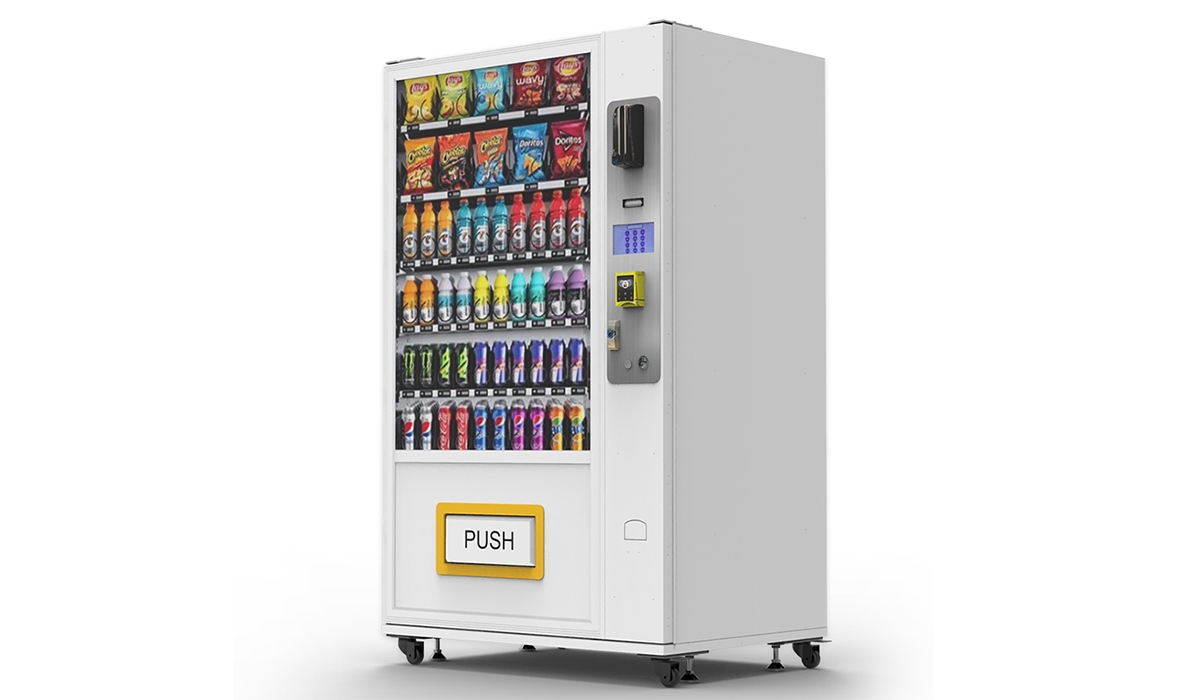
Many people think vending machines are "set it and forget it." That is a dangerous myth. You need to restock regularly, rotate products, remove expired items, and adjust inventory based on sales data. I have seen operators lose money because they kept stocking items that did not sell while ignoring bestsellers. Good inventory management requires attention to detail and a willingness to change.
Cash Flow Can Be Slow at First
Unless you land a high-traffic location immediately, expect a ramp-up period. It can take three to six months to understand the buying patterns of a location and optimize your product mix. During that time, your machine may only cover its own costs. Many new operators give up too early. Patience is not just a virtue in this business—it is a financial necessity.
Real Costs: What You Need to Budget For
Let me give you a realistic breakdown based on my own routes and industry data from IBISWorld. These numbers are estimates and will vary by region, but they reflect what I have seen across dozens of machines.
| Expense Category | Low-End Estimate | Mid-Range Estimate | High-End Estimate |
|---|---|---|---|
| New machine (snack/drink combo) | $3,500 | $6,000 | $10,000+ |
| Used machine (refurbished) | $1,500 | $2,500 | $4,000 |
| Cashless payment system upgrade | $300 | $500 | $800 |
| Initial inventory (first fill) | $300 | $600 | $1,000 |
| Monthly restocking cost (per machine) | $200 | $400 | $800 |
| Annual maintenance and repair | $200 | $500 | $1,000 |
| Location commission (if any) | 0% | 10% | 20% of gross |
If you are buying a new machine, expect a total initial investment of $4,000 to $8,000 per unit including the first fill and payment setup. Used machines can cut that in half, but they come with higher risk of breakdowns. I have personally bought used machines that worked perfectly for years, and others that needed major repairs within weeks. Inspect everything before buying.
Revenue Expectations: What Is Realistic?
I have seen monthly revenue per machine range from $200 in a bad location to over $4,000 in a great one. The average for a well-placed snack and drink combo machine in the US is around $800 to $1,200 per month, according to industry benchmarks from the National Automatic Merchandising Association (NAMA). In Europe, the numbers are similar but vary by country due to different product pricing and labor costs.
Gross margins on vending machine products typically range from 25% to 40%. That means if a machine does $1,000 in sales, your gross profit is roughly $250 to $400 before expenses. After you subtract restocking labor, vehicle costs, machine repairs, and location commissions, your net profit is usually 15% to 25% of gross revenue. This is not a get-rich-quick business, but it can be a solid side income or a full-time route if scaled.
How to Choose a Vending Machine Supplier
I have bought machines from at least a dozen different suppliers over the years. Here is what I have learned: do not buy solely on price. A machine that is $1,000 cheaper upfront may cost you $2,000 in repairs within two years. Look for suppliers that offer clear warranties, responsive customer support, and readily available spare parts. I have worked with Zhongda Smart on several deployments, and I found their build quality and after-sales support to be reliable for mid-range to high-end machines. Their units are used in both European and North American markets, and they offer customization options for payment systems and branding. That said, always ask for references and check online reviews from other operators before committing.
Best Locations for Vending Machines
Not all foot traffic is equal. Here are the location types I have found most profitable, ranked by average monthly revenue potential:
- Manufacturing plants and warehouses – High foot traffic, long shifts, captive audience. These can generate $1,500–$3,000 per month.
- Hospitals and medical offices – 24/7 traffic, staff and visitors. Expect $1,000–$2,000 per month.
- Schools and universities – High volume during school hours. Seasonal dips. Average $800–$1,500 per month.
- Office buildings – Consistent but lower volume. Average $500–$1,000 per month.
- Auto repair shops and car dealerships – Waiting customers with time to buy. Good for cold drinks. $400–$800 per month.
- Gyms and fitness centers – Niche demand for protein and water. $300–$700 per month.
The worst locations I have seen are low-traffic retail stores, small offices with fewer than 30 employees, and residential apartment lobbies without a clear need. Avoid those unless you have a very specific reason.
Common Mistakes New Operators Make
Buying the Cheapest Machine Possible
I made this mistake myself. My first machine was a $1,200 used unit from a local seller. It broke down three times in six months. The vending machine repair costs ate up all my profit. I learned that reliability is worth paying for. A mid-range machine from a reputable manufacturer like Zhongda Smart or another established brand will save you money in the long run.
Ignoring Cashless Payments
As I mentioned earlier, cashless is no longer optional. If you place a machine that only takes cash, you are excluding a large portion of potential customers. I have seen locations where cashless transactions accounted for 70% of sales. Invest in a good card reader from the start.
Overstocking or Understocking
New operators often fill a machine with products they like rather than products that sell. Use sales data to adjust. If an item has not sold in two weeks, replace it. Keep your bestsellers stocked at all times. I once had a machine where a single brand of chips accounted for 25% of all sales. I made sure that slot was never empty.
Not Negotiating Location Terms
Many operators accept whatever commission the location asks for. In my experience, a 10% commission is standard for most locations. High-traffic spots like hospitals may ask for 15–20%, but you can negotiate. If a location demands 25% or more, walk away. The math rarely works in your favor.
How to Evaluate Whether a Machine Is Worth It
Before you buy a machine, run this simple calculation. Estimate the number of potential customers per day at the location. Multiply by 0.1 (a 10% purchase rate is a reasonable starting estimate). Multiply by your average transaction value (usually $2–$4 for snacks, $1.50–$3 for drinks). That gives you daily revenue. Multiply by 25 (average operating days per month) to get monthly revenue. Then subtract 60% for cost of goods, commission, and expenses. The remainder is your net profit. If that number is less than $100 per month, the machine is unlikely to be worth the effort unless it is part of a larger route.
I have used this formula on dozens of potential locations. It is not perfect, but it filters out the obvious losers. Trust the math, not your optimism.
FAQ: Answers to Common Questions
Are vending machines profitable?
Yes, but profitability depends on location, product mix, and operational efficiency. A single machine in a good location can net $200–$600 per month after expenses. Scaling to multiple machines increases overall profit but also requires more time and logistics.
How much does a vending machine cost?
A new commercial-grade machine costs between $3,500 and $10,000. Used machines range from $1,500 to $4,000. Add $300–$800 for a cashless payment system and $300–$1,000 for initial inventory.
How long does it take to break even?
With a good location, most operators break even within 12 to 18 months. Poor locations can extend that to 24 months or longer. I have seen some machines pay for themselves in 8 months in high-traffic industrial settings.
Should I buy or lease a vending machine?
Buying is better for long-term operators. Leasing often comes with higher total costs and restrictions. If you are testing the business, consider buying a used machine from a reliable source. If you want to avoid maintenance, some companies offer full-service leasing, but you will share a significant portion of your revenue.
Where should I place my first machine?
Start with a location you already have access to—your workplace, a friend's business, or a local gym. This reduces the risk of a bad location and lets you learn the operational side without high stakes. After you have experience, approach manufacturing plants, hospitals, and schools.
What permits do I need?
Requirements vary by city and country. In the US, you typically need a business license and a sales tax permit. Some cities require a vending machine permit. In Europe, regulations differ by country. Check with your local business office. Food safety regulations apply if you sell perishable items.
How do I choose a supplier?
Look for suppliers with a track record of reliability, good warranty terms, and available spare parts. Ask for references from other operators. I have had positive experiences with Zhongda Smart for mid-range machines, but always do your own due diligence. Avoid suppliers that refuse to provide a written warranty or cannot answer technical questions clearly.
What if my machine breaks down?
Have a backup plan. Keep contact information for a local vending machine repair technician. If you buy from a supplier that offers remote diagnostics, use it. Some issues, like a jammed product, can be fixed on-site. Others, like a failed compressor, require professional service. Set aside a maintenance fund equal to 10% of your gross revenue.
How can I reduce restocking costs?
Optimize your route to cluster machines in the same geographic area. Use sales data to predict restock needs and avoid unnecessary trips. Consider using a route management software to track inventory. I reduced my restocking trips by 30% after I started using data to guide my schedule.
Final Thoughts from the Field
Running an OTC vending machine business is not a shortcut to wealth, but it can be a steady and scalable income stream if approached with realistic expectations and solid execution. I have seen too many people jump in thinking it is easy money, only to quit after a few months when they realize the work involved. The operators who succeed are the ones who treat it like a real business—they track their numbers, maintain their equipment, adapt to their locations, and never stop looking for better spots. If you are willing to do that, vending machines can absolutely be worth it. If you are looking for a completely hands-off investment, this is not it. But if you enjoy the process of building something small into something bigger, you will find plenty of opportunity in this industry.
This article was updated in May 2025. Revenue figures and cost estimates are based on personal operational experience and publicly available industry data. Individual results will vary. Always verify local regulations and consult with a business advisor before investing.