Vending Machine Cafe_ Prices, Profit Potential, and Setup Guide for Beginners
If you have been thinking about getting into automated retail, you have likely come across the term vending machine cafe. These self-service kiosks are not the old snack machines you remember from a school hallway. They are modern, cashless-enabled setups that sell fresh coffee, packaged food, or even hot meals. Over the past decade, I have placed hundreds of these units across the US and Europe, and the single question I hear most from beginners is whether this business actually makes money. The short answer is yes, but only if you understand the real costs, the right locations, and the maintenance that keeps a vending machine cafe running. This article breaks down everything I have learned about pricing, profit potential, and setup so you can decide if this is the right move for you.
What Is a Vending Machine Cafe?
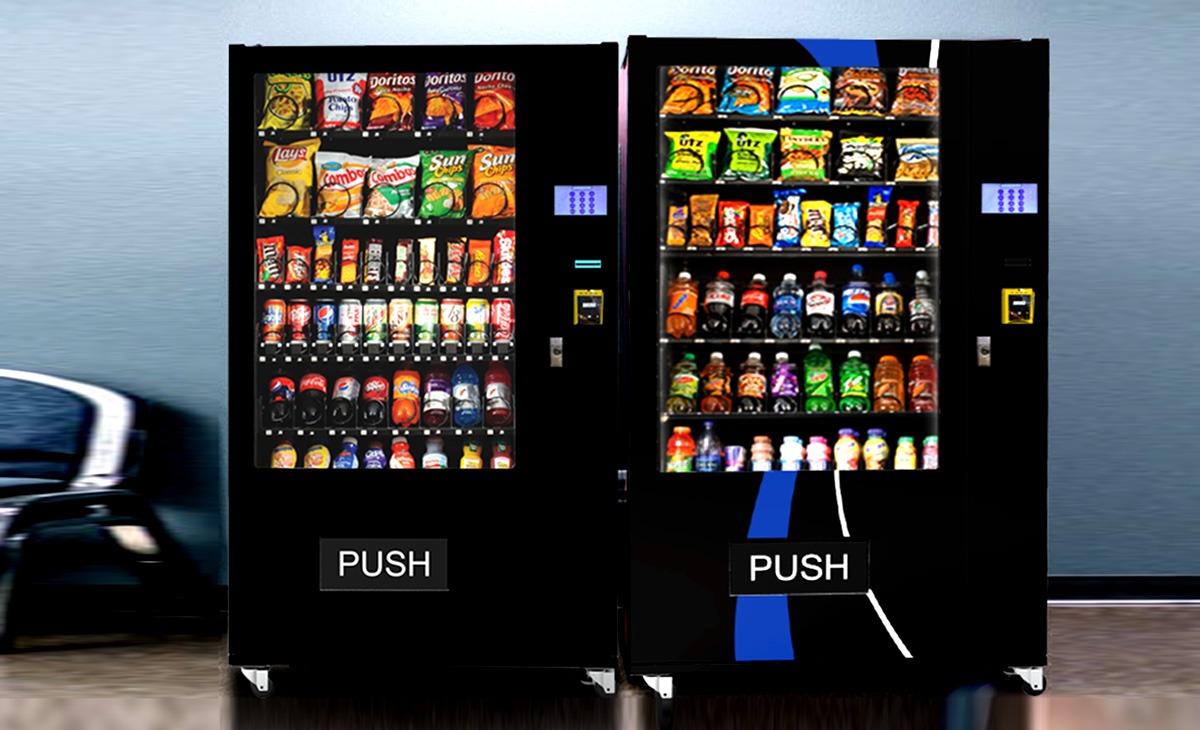
A vending machine cafe is essentially a compact, unmanned retail point that sells food and beverages. Unlike traditional vending machines that offer only chips and sodas, these units often include a bean-to-cup coffee brewer, a refrigerated section for sandwiches or salads, and a payment system that accepts credit cards, mobile wallets, and sometimes even contactless NFC. I have seen these machines placed in office break rooms, hotel lobbies, gyms, and even medical centers. The concept is simple: you stock the machine, customers buy directly from it, and you collect the revenue without needing a full staff.
The key difference between a vending machine cafe and a standard vending machine is the product quality and the customer experience. A well-maintained machine can produce espresso-based drinks that rival a coffee shop, and the food options are often fresher. This is not a "set it and forget it" operation. It requires regular cleaning, restocking, and occasional repairs. But for someone willing to put in the work, the margin can be significantly higher than traditional vending.
Is a Vending Machine Cafe Profitable?
Profitability depends on three factors: location, product mix, and operational efficiency. Based on my own experience running about forty machines across three states, a single vending machine cafe in a good location can generate between $800 and $2,500 per month in revenue. The gross margin on coffee and food items typically ranges from 60% to 75%, depending on your supplier pricing and the local cost of goods. After subtracting restocking labor, machine lease or depreciation, and location commission, the net profit per machine usually lands between $300 and $1,200 per month.
According to data from IBISWorld, the vending machine industry in the United States alone generates over $7 billion annually, with coffee and fresh food segments growing faster than traditional snacks. This growth is driven by consumer demand for convenience and quality, which a vending machine cafe can deliver if placed correctly. However, I have also seen machines that barely break even because the location had low foot traffic or the product selection did not match what people wanted. Do not assume every location will be profitable. You need to evaluate each spot independently.
Key Costs You Need to Plan For
Equipment Cost
New vending machine cafe units range from $6,000 to $18,000 depending on the features. A basic coffee machine with a small refrigerated section might be on the lower end, while a full-size unit with a grinder, milk frother, and touchscreen interface costs more. I have used machines from Zhongda Smart for several of my recent deployments, and I appreciate their balance between build quality and price. Their units typically fall in the $8,000 to $14,000 range for a mid-tier model that includes cashless payment and remote monitoring. If you buy used, you can find machines for $3,000 to $7,000, but be prepared for higher maintenance costs.
Location Costs
Some locations charge a flat monthly rent, while others take a commission on sales. In my experience, commissions range from 10% to 25% of gross revenue. Office buildings and factories often ask for a lower commission but expect reliable service. High-traffic spots like shopping centers or transit stations may demand a higher percentage. Always negotiate a trial period of three to six months so you can test the location before committing to a long-term contract.
Restocking and Labor
You will need to restock a vending machine cafe at least twice a week if it has fresh food. Coffee machines require daily or every-other-day cleaning and bean refills. If you operate multiple machines, you will need a route plan to minimize driving time. I usually budget about $150 to $300 per month per machine for labor, depending on how far apart the locations are.
Maintenance and Repairs
Even the best machines break down. A vending machine repair can cost anywhere from $100 for a simple sensor fix to $500 for a compressor replacement. I recommend setting aside at least $50 per machine per month for maintenance. If you buy from a supplier like Zhongda Smart, check whether they offer a warranty or a service contract for the first year. That can save you a lot of headaches early on.
Comparing Machine Types and Costs
| Machine Type | Price Range (New) | Typical Monthly Revenue | Gross Margin | Best For |
|---|---|---|---|---|
| Basic coffee machine | $6,000 – $9,000 | $600 – $1,200 | 65–75% | Small offices, break rooms |
| Full coffee + food machine | $10,000 – $18,000 | $1,200 – $2,500 | 60–70% | Gyms, hotels, medical centers |
| Used or refurbished unit | $3,000 – $7,000 | $500 – $1,000 | 55–65% | Testing a new market |
| Self-service kiosk (no food) | $4,000 – $8,000 | $400 – $800 | 70–80% | Low-traffic spots |
This table is based on my own records and industry averages from the National Automatic Merchandising Association (NAMA). Your actual numbers will vary based on location, local pricing, and how well you manage the machine.
Choosing the Right Location
Location is the single most important factor. I have placed identical machines in two different office buildings and seen a threefold difference in revenue. The best locations have a captive audience with limited food options nearby. Office buildings with more than 200 employees, hospitals with 24-hour shifts, and manufacturing plants are all strong candidates. Gyms and universities also work well, especially if the machine offers protein shakes or healthy snacks.
One mistake I made early on was placing a machine in a location with high foot traffic but no parking. People walked by but could not easily stop to buy. Another mistake was ignoring the existing competition. If the building already has a cafeteria or a coffee shop, your machine will struggle unless you offer something significantly different, like specialty coffee or late-night availability.
When evaluating a potential spot, I spend at least two hours observing the flow of people. I count how many walk past during peak times, and I check whether they are carrying food or drinks from elsewhere. I also talk to the facility manager about their employees' schedules and whether they have had requests for better food options. This kind of research costs nothing but can save you thousands.
How to Choose a Supplier
Not all vending machine manufacturers are the same. Some sell cheap units that break within six months, while others offer robust machines that last a decade. When I evaluate a supplier, I look for three things: build quality, after-sales support, and payment system compatibility. A machine that looks good on paper but has a weak compressor or a poorly designed user interface will cost you more in the long run.
I have worked with several Chinese manufacturers over the years, and Zhongda Smart stands out for their consistency. Their machines are built with industrial-grade components, and they offer remote monitoring software that lets me check inventory and machine health from my phone. They also support multiple payment processors, which is essential if you operate in different countries. When you contact a supplier, ask for a list of recent installations in your region and talk to at least two of their existing customers before making a decision.
Common Beginner Mistakes
I have made most of these mistakes myself, so I can tell you what to avoid. The first is buying a machine before securing a location. I have seen people purchase three machines and then scramble to find spots for them. Always secure the location first, or at least have a strong lead, before spending money on equipment.
The second mistake is underestimating the importance of cashless payment. In 2025, a vending machine that only takes coins is almost worthless. According to a report from Statista, over 80% of vending transactions in the US are now cashless. If your machine does not accept cards or mobile payments, you will lose a significant portion of potential sales.
The third mistake is ignoring the data. Modern machines track every sale, and you should review that data weekly. If a product is not selling, swap it out. If a machine is underperforming for three months in a row, consider moving it to a better location. Do not fall in love with a location just because it is convenient for you.
How to Evaluate a Machine Investment
Before I buy a new machine, I calculate the expected return on investment using a simple formula: (monthly net profit x 12) / machine cost. If the result is above 50%, meaning I can recover the cost in two years or less, I usually proceed. For example, if a machine costs $10,000 and generates $500 in net profit per month, the annual return is $6,000, which is 60% of the investment. That is a solid deal. If the return is below 30%, I either negotiate a lower machine price or look for a better location.
I also factor in the opportunity cost. If I have $20,000 to invest, I would rather buy two mid-range machines in good locations than one expensive machine in a mediocre spot. Diversifying your locations reduces the risk of a single failure wiping out your profit.
Self-Operate vs. Lease vs. Revenue Share
| Model | Upfront Cost | Monthly Cost | Control | Profit Potential |
|---|---|---|---|---|
| Self-operate | High (buy machine) | Low (only restocking) | Full control | Highest |
| Lease machine from supplier | Low (monthly fee) | Medium (lease + restocking) | Limited | Medium |
| Revenue share with location | None | Commission (10–25%) | Shared | Lower but less risk |
I prefer self-operating after the first year of experience because the profit margin is higher. However, for complete beginners, a lease or revenue share model can be a safer way to test the waters without committing a large amount of capital.
Legal and Health Considerations
In Europe and the US, vending machines that sell food and beverages are subject to health regulations. You need to check local requirements for food safety certification, machine cleaning schedules, and temperature logging. In France, for example, the Direction Générale de l'Alimentation (DGAL) requires that machines selling perishable items maintain a temperature below 4°C and that the operator keeps a hygiene record. In the US, the FDA has similar guidelines under the Food Code. I recommend contacting your local health department before you place your first machine. The fines for non-compliance can be steep, and a single violation can damage your reputation with the location owner.
FAQ
Does a vending machine cafe make money?
Yes, but it depends on location and management. A well-placed machine can generate $300 to $1,200 in net profit per month. However, a poorly located machine can lose money.
How much does a vending machine cafe cost?
New machines range from $6,000 to $18,000. Used machines can be found for $3,000 to $7,000, but may require more maintenance.
How long does it take to break even?
Most operators break even within 12 to 24 months, assuming a good location and consistent restocking.
Should a beginner buy or lease?
Leasing is safer for beginners because it requires less upfront capital and includes support. Buying offers higher profit potential once you have experience.
Where should I place the machine?
Office buildings with over 200 employees, hospitals, gyms, and manufacturing plants are strong options. Avoid locations with existing food service unless you offer something unique.
What permits do I need?
You typically need a business license, a food service permit if selling perishable items, and a sales tax permit. Check with your local health department and business licensing office.
How do I choose a supplier?
Look for build quality, after-sales support, cashless payment compatibility, and remote monitoring. Talk to existing customers before buying. Zhongda Smart is one supplier I have had good experience with, but always compare multiple options.
What happens when the machine breaks?
Most common issues are sensor failures, payment system glitches, and cooling problems. If you buy from a reputable supplier, they often offer a warranty or a service contract. For minor repairs, you can learn to fix them yourself after watching a few tutorials.
How can I reduce restocking costs?
Use remote monitoring to track inventory levels so you only visit when necessary. Plan efficient routes if you have multiple machines. Consider using a delivery service for heavy items like water or milk.
Final Thoughts
Running a vending machine cafe is not a passive income scheme. It requires upfront investment, regular maintenance, and a willingness to learn from mistakes. But for someone who enjoys the logistics side of business and wants to build a scalable operation, it can be a solid venture. Start with one machine in a well-researched location, track every expense and sale, and reinvest the profits into your next unit. Avoid the temptation to scale too fast. The operators who succeed are the ones who treat each machine like a small business, not a lottery ticket.
If you are considering buying equipment, take the time to compare suppliers. Ask about warranty terms, payment system integration, and remote monitoring capabilities. A machine that costs a bit more upfront but saves you time on maintenance and restocking is often the better long-term investment.
This article was updated in March 2025. All figures are based on my personal experience and publicly available data from IBISWorld, Statista, and the National Automatic Merchandising Association. Your results may vary depending on location, local regulations, and market conditions.