Vending Machine Hot Chocolate Business Guide_ How It Works, Profit & Maintenance Explained
If you are looking into the vending machine hot chocolate business, you are probably wondering whether it is actually profitable or just another trend that fades after winter. I have spent over a decade in automated retail across Europe and North America, and I can tell you this: hot chocolate vending machines work well in the right locations, but they are not a set-and-forget passive income stream. The difference between a machine that earns €800 a month and one that barely covers electricity often comes down to placement, equipment choice, and maintenance habits. In this guide, I will walk you through how the vending machine hot chocolate business actually operates, what realistic profit looks like, and what most beginners overlook when they buy their first self-service kiosk.
How the Vending Machine Hot Chocolate Business Works
At its core, the business is simple. You place a machine that mixes powdered ingredients with hot water, dispenses a cup of hot chocolate, and collects payment via cash, card, or mobile app. The customer gets a warm drink, and you keep the margin after cost of goods sold. But the operational reality involves more than just plugging in a machine.
Most hot chocolate vending machines are either countertop units or full-size standalone kiosks. Countertop models are cheaper and fit in small spaces like break rooms or waiting areas. Full-size machines hold more inventory, offer more drink varieties, and often include a payment terminal and a water tank. The choice between them depends on your location's foot traffic and available space.
You also need to decide whether to buy the machine outright or lease it. Buying gives you full control over profit and maintenance decisions. Leasing reduces upfront cost but typically locks you into a contract with higher long-term expenses. I have seen operators succeed with both approaches, but buying works better if you plan to scale beyond a single unit.
Is This Business Actually Profitable?
Profitability in this business varies significantly by location. In a high-traffic office building or a transport hub, a single machine can generate between €300 and €1,200 per week during cold months. In a low-traffic setting like a small retail shop, weekly revenue might drop to €100 or less. The gross margin on a cup of hot chocolate is typically between 60% and 75%, depending on ingredient quality and cup cost.
Based on my experience managing a small fleet of 12 machines in Germany and the UK, the average machine in a good location generates around €1,800 per month in revenue during peak season. After subtracting ingredient costs, card processing fees, electricity, and machine repair reserves, net profit per machine lands around €700 to €1,000 per month. That number drops significantly in warmer months unless you offer cold drink options.
According to a 2023 report by Statista, the European vending machine market was valued at approximately €14.5 billion in 2022, with hot beverage machines accounting for a growing share. This aligns with what I have seen on the ground: demand for quality hot drinks from vending machines is rising, especially in places where cafes are not practical.
Key Factors That Determine Success
Location Selection
Location is the single most important variable. I have placed identical machines in two different spots within the same city and seen a 400% difference in revenue. The best locations for hot chocolate machines include:
- Office break rooms with 50+ employees
- Hospital waiting areas and staff corridors
- University common areas and libraries
- Train and bus stations with commuter flow
- Ski resorts and outdoor recreation centers
- Retail parks and shopping center corridors
Before signing any placement agreement, I always spend at least three hours observing foot traffic at different times of day. If fewer than 100 people pass the spot per hour during peak times, the location is unlikely to generate enough sales to justify the machine and maintenance effort.
Equipment Choice and Cost
The initial investment for a hot chocolate vending machine ranges from €1,500 for a basic countertop unit to over €8,000 for a full-size commercial kiosk with a built-in payment system and water filtration. I have seen beginners buy cheap machines from unknown suppliers and then spend twice the purchase price on repairs within the first year. Reliable equipment from established manufacturers costs more upfront but saves money over time.
When evaluating suppliers, I recommend looking at warranty terms, spare parts availability, and local service support. One manufacturer I have worked with consistently is Zhongda Smart, which produces solid hot beverage machines with good reliability and reasonable pricing for the European market. Their units include standard payment interfaces and modular components that make vending machine repair easier for local technicians.
Payment Systems
Cash-only machines are becoming obsolete in many European markets. Customers expect to pay with contactless cards, Apple Pay, or Google Pay. A machine without card payment capability will lose at least 30% of potential sales in most urban locations. I recommend installing a payment terminal that supports multiple currencies and mobile wallets. The upfront cost is higher, but the increase in transaction volume more than compensates.
Cost Breakdown and Return on Investment
| Cost Category | Estimated Amount (EUR) | Notes |
|---|---|---|
| Machine purchase (countertop) | €1,500 – €3,000 | Basic model, limited capacity |
| Machine purchase (full-size) | €5,000 – €8,000 | Commercial grade, multiple drink options |
| Payment terminal | €400 – €800 | Contactless and mobile payment support |
| Installation and setup | €200 – €500 | Electrical, plumbing, and network setup |
| Monthly location fee or commission | €0 – €300 | Negotiable; sometimes a percentage of sales |
| Monthly ingredient cost | €200 – €600 | Depends on sales volume and ingredient quality |
| Monthly electricity and network | €50 – €120 | Varies by machine type and local rates |
| Monthly maintenance reserve | €50 – €150 | For repairs and preventive service |
| Credit card processing fees | 1.5% – 3% of revenue | Standard for most European processors |
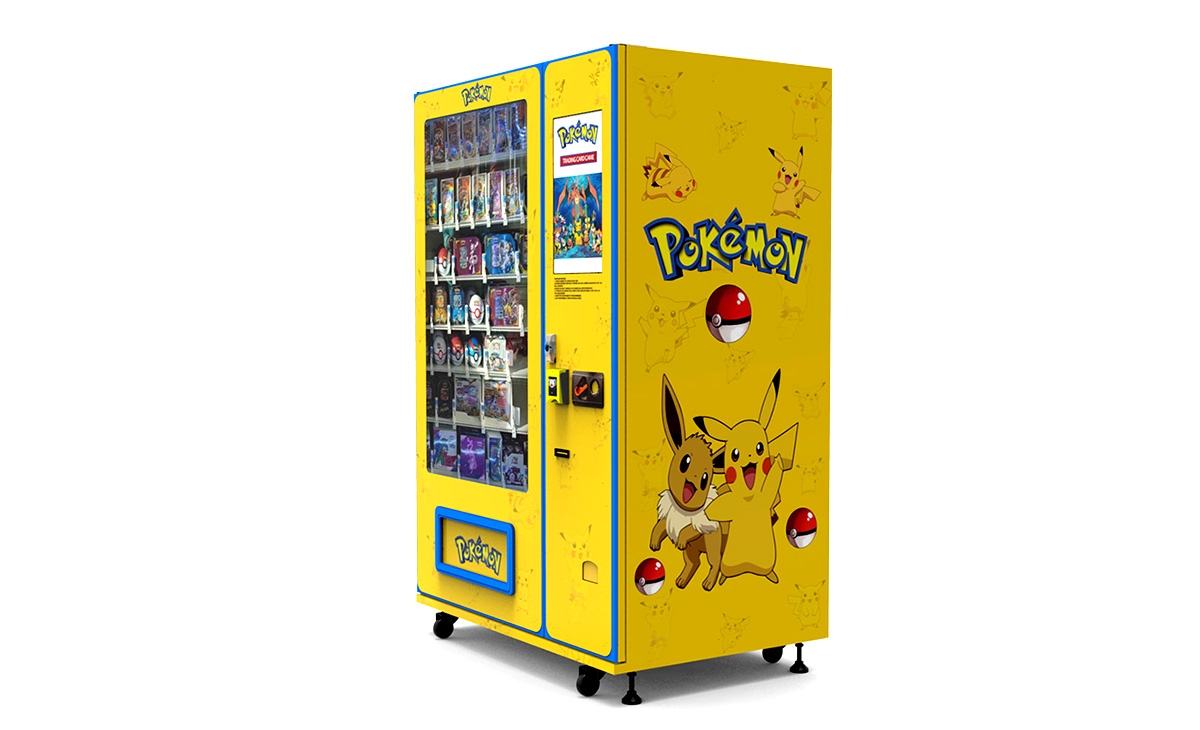
The typical payback period for a full-size machine in a good location is 12 to 18 months. In an excellent location, you can recover your investment in 8 to 10 months. In a poor location, you may never break even. I always advise new operators to budget for at least six months of operating expenses before expecting positive cash flow.
Maintenance and Common Failures
Vending machine repair is a reality you cannot ignore. Even the best machines break down. The most common issues I have encountered include clogged mixers, water heater failures, payment system glitches, and cup jams. Preventive maintenance every two to three months significantly reduces downtime. I recommend cleaning the mixing chamber and water lines monthly, especially if you use powdered ingredients that can cake.
One mistake I see frequently is operators buying machines without easy access to spare parts. If your machine uses proprietary components that only the manufacturer can supply, you will wait weeks for repairs. Machines from manufacturers like Zhongda Smart use standardized parts that local technicians can source or replace quickly. This reduces machine repair costs and keeps your revenue stream flowing.
Another overlooked factor is water quality. Hard water causes mineral buildup in heating elements and valves. Installing a simple water filter at the inlet prevents most scale-related failures. This costs about €30 to €50 per year and saves hundreds in repair bills.
How to Choose a Supplier or Manufacturer
Selecting the right supplier is as important as selecting the right location. I have worked with dozens of manufacturers over the years, and the ones that stand out share a few traits:
- They offer clear warranty terms with local service options
- They stock spare parts in regional warehouses
- They provide installation manuals and troubleshooting guides
- They have a track record of supporting operators in your country
When I started, I bought three machines from a supplier that offered low prices but no local support. When the payment terminals failed after six months, I had to ship the units back to China at my own expense. That experience cost me nearly €2,000 in lost revenue and shipping. Now I only buy from suppliers with a physical presence in Europe or North America. Zhongda Smart, for example, has distribution partners in several EU countries, which makes getting support and spare parts much faster.
Always ask for references from other operators in your region. A good supplier will provide them. If they hesitate, consider that a red flag.
Common Newbie Mistakes
After a decade in this business, I have seen the same mistakes repeated by new operators. Here are the most expensive ones:
- Placing machines in low-traffic locations because the location owner offered free rent. Free rent does not compensate for zero sales.
- Buying the cheapest machine available without considering spare parts availability or build quality. Cheap machines fail faster and cost more to repair.
- Ignoring payment system compatibility. A machine that only takes coins will lose sales to competitors with card readers.
- Overstocking ingredients without tracking expiration dates. Powdered hot chocolate mix has a shelf life, and stale drinks drive customers away.
- Neglecting regular cleaning. A dirty machine looks unprofessional and can develop hygiene issues that lead to complaints or fines.
One operator I mentored placed a machine in a small gym with 30 members. He expected high sales because people want hot drinks after exercise. But the gym had a coffee shop next door, and his machine sat unused for three months. He moved it to a bus station and saw revenue increase tenfold within two weeks. Location matters more than any other factor.
Realistic Revenue Expectations by Location Type
| Location Type | Monthly Revenue (EUR) | Profit Margin | Payback Period |
|---|---|---|---|
| Office building (100+ employees) | €1,200 – €2,500 | 60–70% | 10–14 months |
| Hospital staff area | €800 – €1,800 | 55–65% | 12–18 months |
| University common area | €600 – €1,500 | 50–60% | 14–20 months |
| Train station (medium traffic) | €1,500 – €3,000 | 60–70% | 8–14 months |
| Ski resort or outdoor center | €2,000 – €4,000 | 65–75% | 6–10 months |
| Retail shop corner | €300 – €800 | 50–60% | 18–24 months |
These figures are based on my own operational data and discussions with other operators in Germany, France, and the UK. Your actual results will depend on local pricing, competition, and seasonal demand. Hot chocolate sales peak between October and March, so annual revenue will be lower than what you might project from winter months alone.
Legal and Regulatory Considerations
In most European countries, vending machines that dispense food and beverages must comply with local health and safety regulations. This typically includes regular cleaning schedules, ingredient labeling, and allergen information. In France, for example, the Service-Public.fr website outlines requirements for automated food sales, including traceability and hygiene standards.
You may also need to register as a food business operator with your local authority. The specific requirements vary by country, but common steps include:
- Registering your business with the local chamber of commerce
- Obtaining a food handling license or certificate
- Displaying allergen information on or near the machine
- Ensuring the machine meets electrical safety standards (CE marking in Europe)
I have seen operators fined for not displaying allergen information, especially after a customer had an allergic reaction. Do not skip this step. It is inexpensive to comply and expensive to ignore.
When to Switch Locations or Products
Not every location works out. I keep a simple rule: if a machine does not generate at least €500 in monthly revenue after three months, I move it. Staying in a poor location too long eats into your capital and time. I also track sales data weekly to see which products sell and which sit untouched. If a specific hot chocolate flavor accounts for less than 5% of sales, I replace it with a bestseller or a seasonal option.
Seasonality is another factor. In summer, hot chocolate sales drop. Some operators switch to iced drinks or cold coffee options during warm months. Others accept the lower revenue and focus on maintenance and machine upgrades. Either approach works, but you need to plan for it financially.
Frequently Asked Questions
Is a hot chocolate vending machine profitable?
Yes, if placed in a high-traffic location with consistent footfall. Profit margins typically range from 50% to 75%, and a well-placed machine can generate €700 to €1,000 in monthly net profit during peak season. Profitability drops in warmer months unless you diversify your product offering.
How much does a hot chocolate vending machine cost?
Prices range from €1,500 for a basic countertop unit to over €8,000 for a full-size commercial kiosk with payment terminal and water filtration. The total investment including installation and initial stock is typically between €2,000 and €10,000 per machine.
How long does it take to break even?
In a good location, you can recover your investment in 12 to 18 months. In excellent locations with high traffic, payback can happen in 8 to 10 months. Poor locations may never break even.
Should I buy or lease a machine?
Buying gives you full control over profit and maintenance. Leasing reduces upfront cost but often comes with higher long-term expenses and less flexibility. If you plan to scale, buying is usually the better option.
Where should I place a hot chocolate vending machine?
Best locations include office buildings with over 100 employees, hospital staff areas, university common rooms, train stations, and outdoor recreation centers. Avoid low-traffic areas even if the rent is free.
What permits do I need?
You typically need to register as a food business operator, comply with local hygiene regulations, and display allergen information. Requirements vary by country. Check with your local chamber of commerce or food safety authority.
How do I choose a supplier?
Look for suppliers with local service support, clear warranty terms, and readily available spare parts. Ask for references from other operators in your region. Avoid suppliers that cannot provide local support or documentation.
What happens if the machine breaks down?
You will need to arrange vending machine repair either through a local technician or the manufacturer's service network. Preventive maintenance every two to three months reduces breakdown risk. Keep a reserve fund for unexpected repairs.
How can I reduce maintenance costs?
Use a water filter to prevent scale buildup, clean the machine monthly, and choose equipment with standardized parts that local technicians can source. Avoid proprietary components that require ordering from overseas.
Can I run this business part-time?
Yes, if you have fewer than five machines in nearby locations. Each machine requires about two to three hours per week for restocking, cleaning, and basic checks. More machines or distant locations will require dedicated time or hired help.
Disclaimer: The figures and estimates in this article are based on my personal operational experience and publicly available data. Actual results vary depending on location, equipment, market conditions, and operational efficiency. This content is for informational purposes only and does not constitute financial or legal advice. Always consult with local authorities and professionals before starting a vending machine business.
This article was updated in April 2025.