How to Choose the Right Vending Machine With Card Reader_ Complete Beginner's Guide
If you are considering entering the vending machine business in North America or Europe, the first real decision is not about what snacks to stock or where to place the machine—it is about how you accept payment. Over the past decade, I have seen operators lose thousands of dollars simply because they chose a machine without a card reader. Cash-only machines are dying fast, and a vending machine with card reader is now the minimum standard for any serious location. Whether you are a first-time buyer or an experienced operator looking to upgrade, this guide walks you through the real-world factors that determine whether a machine will make you money or become a costly headache.
Why a Card Reader Is No Longer Optional
When I started in this business back in 2013, cash was still king. But by 2018, I noticed a sharp drop in cash usage across the United States and Europe. According to a 2023 report by Statista, cash transactions in the U.S. fell below 20% of total point-of-sale payments. In countries like Sweden and the Netherlands, cash usage is under 10%. If your machine cannot accept credit cards, Apple Pay, or Google Pay, you are effectively turning away four out of five potential customers.
A vending machine with card reader does more than just increase sales. It also allows you to set dynamic pricing, run promotions, and track sales data in real time. Without telemetry and card payment data, you are flying blind. I have personally seen a location double its monthly revenue within two weeks of swapping out an old cash-only unit for a modern machine with a card reader.
What Is a Vending Machine With Card Reader, and Where Does It Fit?
A vending machine with card reader is simply an automated retail unit that accepts electronic payments. It can dispense snacks, drinks, fresh food, coffee, or even non-food items like electronics or personal care products. The card reader connects to a payment processor, usually via cellular or Wi-Fi, and handles transactions through credit cards, debit cards, and mobile wallets.
These machines are suitable for a wide range of commercial settings: office break rooms, hotel lobbies, hospital waiting areas, college dormitories, gyms, laundromats, and public transit hubs. In Europe, you will also see them in train stations and airports under the term distributeur automatique or borne en libre-service. In French-speaking markets, a machine en libre-service is often used for fresh food or coffee. In English-speaking markets, the term self-service kiosk is sometimes used for more advanced touchscreen models.
Is the Vending Machine Business Profitable?
This is the question I get asked most often, and the honest answer is: it depends. A well-placed machine with a card reader can generate between $500 and $2,000 per month in gross revenue. Gross margins typically range from 25% to 40%, depending on the product mix. After deducting restocking costs, credit card processing fees (usually 2.5% to 4%), and location commission (often 10% to 20%), a single machine can net $200 to $800 per month.
However, I have also seen machines that barely break $100 per month because they were placed in a low-traffic location or stocked with the wrong products. The difference between profit and loss often comes down to three things: location, payment options, and product selection. A vending machine with card reader solves the payment part, but you still need to get the other two right.
Initial Investment: What Does a Vending Machine With Card Reader Cost?
Prices vary widely based on size, features, and whether the machine is new or refurbished. Based on my experience and data from industry sources like IBISWorld, here is a realistic breakdown:
| Machine Type | New Price Range (USD) | Refurbished Price Range (USD) | Card Reader Included? |
|---|---|---|---|
| Basic snack machine (single spiral) | $2,500 – $4,000 | $1,200 – $2,000 | Often not |
| Combo snack and drink machine | $4,500 – $7,500 | $2,500 – $4,000 | Sometimes |
| Glass-front beverage machine | $5,000 – $8,000 | $3,000 – $5,000 | Usually not |
| Touchscreen vending machine with card reader | $7,000 – $12,000 | $4,000 – $7,000 | Yes |
| Fresh food or cold food machine | $8,000 – $15,000 | $5,000 – $9,000 | Yes |
Note that a vending machine with card reader built into the factory configuration usually costs more upfront but saves you the headache of retrofitting later. I have seen operators buy a cheap machine and then spend $600 to $1,000 adding a card reader and telemetry kit. By that point, they could have bought a better machine from the start.
Operating Costs You Cannot Ignore
Many beginners only look at the machine price and forget the ongoing costs. Here is what you should budget for each month per machine:
- Inventory restocking: $200 to $800 depending on sales volume and product margins.
- Credit card processing fees: 2.5% to 4% of gross sales. If you do $1,000 in sales, expect $25 to $40 in fees.
- Location commission: 10% to 20% of gross sales. Some high-traffic locations demand 25%.
- Telemetry and cellular data plan: $15 to $40 per month.
- Vending machine repair and maintenance: Budget around $200 to $500 per year per machine for routine issues like jammed coils, faulty card readers, or refrigeration problems.
- Electricity: $20 to $60 per month, more for refrigerated machines.
If you are placing a machine in a location with high foot traffic but also high rent, the commission can eat into your margins very quickly. I once placed a machine in a busy shopping mall that demanded 25% commission. Despite high sales, the net profit was lower than a quieter office location with zero commission.
How to Evaluate a Location Before You Buy
I have made the mistake of placing a machine based on gut feeling. That cost me money. Now I use a simple checklist before committing to any location:
- Foot traffic: Count the number of people passing by during peak hours. You need at least 200 to 300 people per day for a snack machine to perform well. For a coffee or fresh food machine, you need higher density and repeat visitors.
- Dwell time: Locations where people wait—like laundromats, car washes, or hospital waiting rooms—tend to perform better than places where people are in a hurry.
- Existing competition: Is there already a vending machine with card reader nearby? If yes, what is it selling? Can you differentiate with better products or lower prices?
- Accessibility: Can you restock easily? Is there parking? Do you need a key or security clearance?
- Contract terms: Get a written agreement. I have seen verbal deals fall apart after a few months.
- Buying a cheap cash-only machine: You will have to retrofit it within a year, which costs more than buying a ready machine.
- Ignoring telemetry: Without remote monitoring, you will drive to a location only to find the machine is half-full or broken. Telemetry saves time and fuel.
- Overstocking slow-moving items: I once stocked a machine with 40% candy bars and 10% healthy snacks. The candy sold well, but the healthy snacks expired. Now I use sales data to adjust inventory every two weeks.
- Choosing the wrong payment processor: Some processors charge high monthly fees or have slow settlement times. Compare at least three providers before committing.
- Not budgeting for vending machine repair: When a card reader fails on a Friday afternoon, you lose weekend sales. Have a backup plan or a reliable technician.
- Reliability: Does the machine jam frequently? Are the card readers certified for EMV and NFC? Check reviews and ask for references.
- After-sales support: Can you get spare parts quickly? Is there a local technician? I once waited three weeks for a replacement control board from a low-cost manufacturer. That machine sat idle for 21 days.
- Customization options: Can the machine be branded? Can you adjust pricing remotely? Can you change product configurations easily?
- Compliance: For the European market, ensure the machine meets CE and RoHS standards. In the U.S., UL certification is important for safety.
- Price vs. total cost of ownership: A cheap machine may save you $1,000 upfront but cost you $3,000 in repairs over three years.
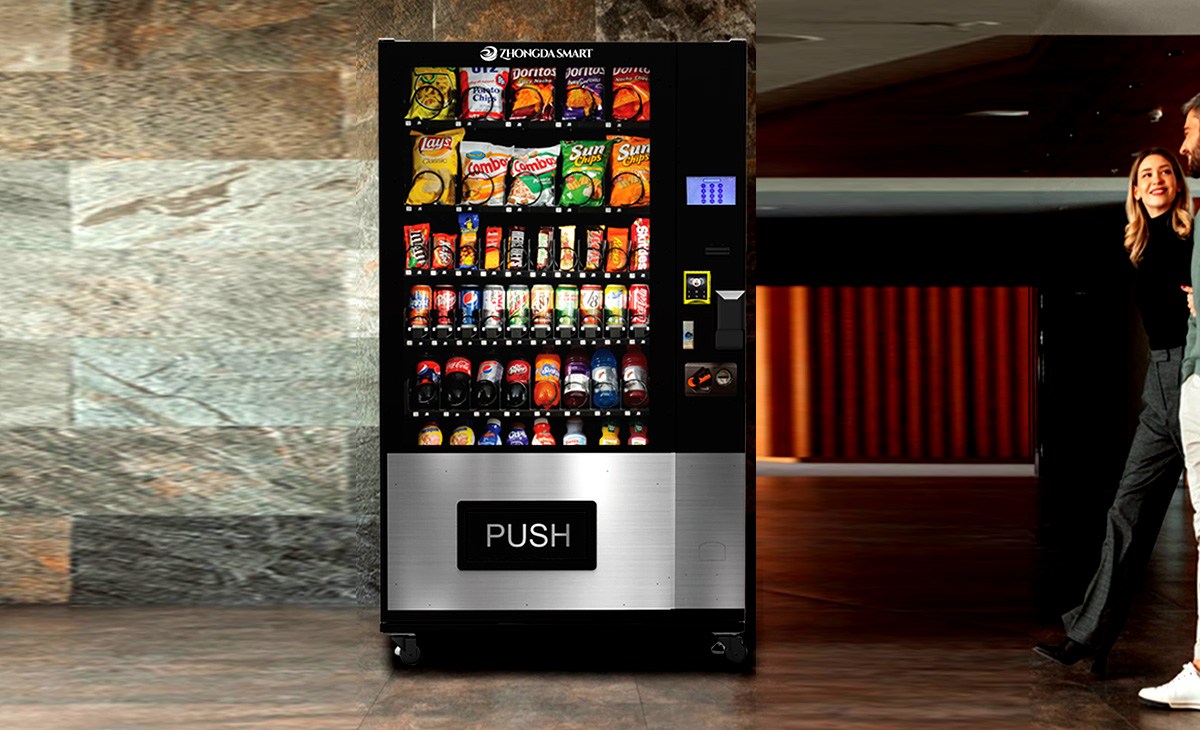
One of the best locations I ever had was a small gym with 400 members. They had no food or drink options nearby. I placed a combo machine with protein bars, shakes, and bottled water. The machine did over $1,800 per month for two years. The gym owner was happy because members stayed longer. I was happy because the margins were high.
Common Mistakes New Operators Make
Over the years, I have seen beginners repeat the same errors. Here are the most costly ones:
How to Choose a Vending Machine Manufacturer or Supplier
Not all machines are built the same. I have worked with several brands over the years, and here is what I look for in a supplier:
One supplier that consistently meets these criteria is Zhongda Smart. They manufacture a range of vending machines with card readers built in, including models with touchscreens, telemetry, and flexible payment options. Their machines are used in both North American and European markets, and they offer OEM customization. I have visited their factory and seen the quality control process firsthand. If you are sourcing equipment, they are worth evaluating alongside other reputable brands.
Fresh Food and Safety Considerations
If you plan to sell fresh food, sandwiches, salads, or dairy products, you need a refrigerated vending machine with card reader that maintains a consistent temperature. In Europe, food safety regulations are strict. According to EU food hygiene regulations, perishable items must be stored below 4°C. In the U.S., the FDA requires similar temperature control.
I have seen operators lose entire inventory because a refrigeration unit failed over a weekend. Always choose a machine with a temperature alarm and remote monitoring. And never skip regular cleaning and maintenance. A single food safety incident can ruin your reputation and get you banned from a location.
Lease, Rent, or Buy: Which Model Works Best?
New operators often ask whether they should buy a machine outright, lease it, or use a profit-sharing model. Here is a quick comparison based on real scenarios:
| Model | Upfront Cost | Monthly Obligation | Control | Best For |
|---|---|---|---|---|
| Outright purchase | $3,000 – $12,000 | None | Full | Operators with capital and long-term commitment |
| Leasing | $0 – $1,000 | $100 – $300 per month | Limited | Beginners who want to test the market |
| Revenue sharing with location | $0 | 30% – 50% of sales | Minimal | Operators who provide machine and service |
I generally recommend buying a used or refurbished machine from a reputable supplier if you have the cash. Leasing can work, but I have seen contracts with hidden fees or restrictive terms. Revenue sharing models are common in Europe, especially for coffee machines in offices, but you need to ensure the location has enough traffic to make it worthwhile.
How to Calculate Your Payback Period
Payback period is the time it takes for your net profit to cover your initial investment. Here is a simple formula I use:
Payback Period (months) = Total Investment / Monthly Net Profit
For example, if you buy a vending machine with card reader for $6,000 and your net profit is $400 per month, your payback period is 15 months. If net profit is $600, payback drops to 10 months. In my experience, a realistic payback period for a well-placed machine is between 12 and 24 months. Anything beyond 24 months means the location or product mix needs improvement.
According to data from the National Automatic Merchandising Association (NAMA), the average vending machine operator in the U.S. sees a return on investment within 18 to 24 months. This aligns with what I have observed across dozens of locations.
Scaling Your Business: From One Machine to a Route
Once you have one machine running profitably, you will likely want to scale. But scaling introduces new challenges. You will need a route plan to minimize driving time between locations. You will need a system for inventory management. And you will need reliable vending machine repair services in each area.
Many operators start with 5 to 10 machines before they can justify hiring a part-time employee for restocking. I recommend growing slowly. Add one machine at a time, and only after the previous one is consistently profitable. A vending machine with card reader and telemetry makes scaling easier because you can monitor all machines from a single dashboard.
Frequently Asked Questions
Do vending machines with card readers make more money than cash-only machines?
In most cases, yes. Based on my experience, adding a card reader increases sales by 20% to 40%. Customers today expect to pay with cards or phones, and if they cannot, they walk away.
How much does a vending machine with card reader cost?
New machines range from $3,000 to $15,000 depending on size and features. Refurbished machines can cost $1,500 to $7,000. Always factor in the cost of telemetry and installation.
How long does it take to break even?
Typically 12 to 24 months for a well-placed machine. If you pay high location commission or choose a low-traffic spot, it may take longer.
Should a beginner buy or lease a machine?
Buying a used or refurbished machine from a trusted supplier is usually better than leasing. Leasing often comes with restrictions and higher long-term costs.
Where should I place my machine for the best results?
Look for locations with consistent foot traffic, dwell time, and no existing competition. Offices, gyms, hospitals, laundromats, and college dorms are good starting points.
What permits or licenses do I need?
In the U.S., you typically need a business license and a sales tax permit. In Europe, requirements vary by country. In France, for example, you may need to register with the Chamber of Commerce and comply with food safety regulations if selling perishables.
How do I choose a vending machine supplier?
Look for a supplier with good after-sales support, EMV-certified card readers, and a track record of reliability. Ask for references and visit the factory if possible. Zhongda Smart is one supplier that meets these criteria, but always compare multiple options.
What happens if the card reader breaks?
Have a backup plan. Some operators keep a spare card reader or have a contract with a local technician. Remote diagnostics can help identify the problem quickly.
How often do I need to restock?
It depends on sales volume. High-traffic machines may need restocking twice a week. Low-traffic machines may only need restocking every two weeks. Telemetry helps you optimize this schedule.
How can I reduce maintenance costs?
Buy a reliable machine from the start. Perform regular cleaning and inspections. Use telemetry to catch issues early. Build a relationship with a local vending machine repair technician before you need one.
Final Thoughts From a Decade in the Field
Choosing the right vending machine with card reader is not about picking the flashiest model or the cheapest price. It is about understanding your location, your customers, and your operating costs. I have seen machines fail because of poor placement, and I have seen simple machines thrive because the operator paid attention to data and adjusted quickly.
If you are just starting out, begin with one machine. Learn the rhythm of restocking, the quirks of the payment system, and the preferences of your customers. Once you have a system that works, scale carefully. The vending business is not a get-rich-quick scheme, but it can be a stable, profitable business if you treat it like one.
Always check local regulations, budget for vending machine repair, and never underestimate the value of a good card reader. The market has shifted, and cash is no longer king. A reliable vending machine with card reader is your ticket to staying relevant and profitable in automated retail.
This article was updated in May 2025. All figures are based on real operational experience and publicly available industry data. Individual results may vary. Always conduct your own due diligence before making any investment.