Sandstar Vending Machine Business Guide_ How It Works, Profit & Maintenance Explained
After a decade in the vending industry across the US and Europe, the single question I hear most often is whether a Sandstar vending machine business is actually worth the investment. The short answer is yes, but only if you understand the real numbers behind placement, product mix, and ongoing maintenance. Most newcomers focus on the machine itself, but the real profit drivers are location selection, cash flow management, and knowing when to pull a unit that is underperforming. In this guide, I will walk through exactly how a Sandstar vending machine business works, what you can realistically expect in terms of profit, and how to handle the day-to-day maintenance that keeps your machines running and your revenue steady.
How a Sandstar Vending Machine Business Actually Works
At its core, a Sandstar vending machine business operates like any automated retail model. You purchase or lease a self-service kiosk, stock it with products people want to buy, and collect the revenue. But the nuance is in the details. Sandstar machines are designed for medium to high-traffic locations, offering features like cashless payment, remote monitoring, and energy-efficient cooling. These capabilities reduce the need for constant physical checks and allow you to manage multiple units from a single dashboard.
What sets Sandstar apart from generic vending machines is the build quality and the support network. I have seen operators switch to Sandstar after dealing with frequent breakdowns on cheaper units. The difference in uptime is significant. When you run a vending operation, every day a machine is down is lost revenue. Sandstar machines are built with commercial-grade components that handle high usage cycles, which is critical for locations like office buildings, hospitals, and transit hubs.
From a business perspective, you are essentially running a miniature convenience store that requires no employee on site. You handle restocking, cash collection, and occasional repairs. The remote monitoring feature sends alerts when inventory is low or if a mechanical issue arises, so you can prioritize your time. This efficiency is what makes the Sandstar vending machine business scalable. Many operators start with one or two machines and grow to dozens within a few years.
Is a Sandstar Vending Machine Business Profitable?
Profitability depends on three variables: location, product margin, and operational cost. Based on my experience and data from industry reports, a well-placed vending machine can generate between $300 and $1,200 per month in revenue. According to a 2023 IBISWorld report on the vending machine industry in the US, average gross margins for vending operators hover around 40% to 55%, depending on product category. Snacks and beverages typically have higher margins than fresh food due to spoilage risk.
For a Sandstar vending machine business, the initial investment for a new unit ranges from $4,000 to $8,000, depending on the model and features. If you buy used or refurbished, you can get that down to $2,500 to $4,000. The monthly operating costs include restocking (typically 2 to 4 hours per machine per week), electricity (around $20 to $40 per month), and occasional vending machine repair costs. I usually set aside 10% of monthly revenue for maintenance and unexpected breakdowns.
Return on investment varies widely. In a high-traffic location like a busy office or a hospital cafeteria, I have seen operators break even in 10 to 14 months. In lower-traffic spots, it can take 18 to 24 months. The key is to monitor your sales data closely. If a machine is not hitting at least $400 per month after six months, it is time to either change the product mix or relocate the unit. Holding onto a underperforming machine costs you money in the long run.
Key Factors to Consider Before Buying a Sandstar Vending Machine
Location Is Everything
I cannot overstate this. The best machine in the world will fail in a bad location. Look for places with consistent foot traffic of at least 100 people per day. Offices, hospitals, schools, gyms, and transportation hubs are prime spots. Avoid locations where people have easy access to a cafeteria or a convenience store within a two-minute walk. I once placed a machine in a small office building with 50 employees and no nearby food options. It did well. Another machine in a shopping mall with hundreds of daily visitors but three food courts nearby barely broke $200 per month.
When evaluating a location, ask about the lease terms. Some property managers charge a flat monthly fee, while others take a percentage of your sales. I prefer a flat fee or a low percentage because it gives me more control over profitability. A 10% commission is standard in many markets. Anything above 15% eats into your margin significantly.
Product Selection and Pricing
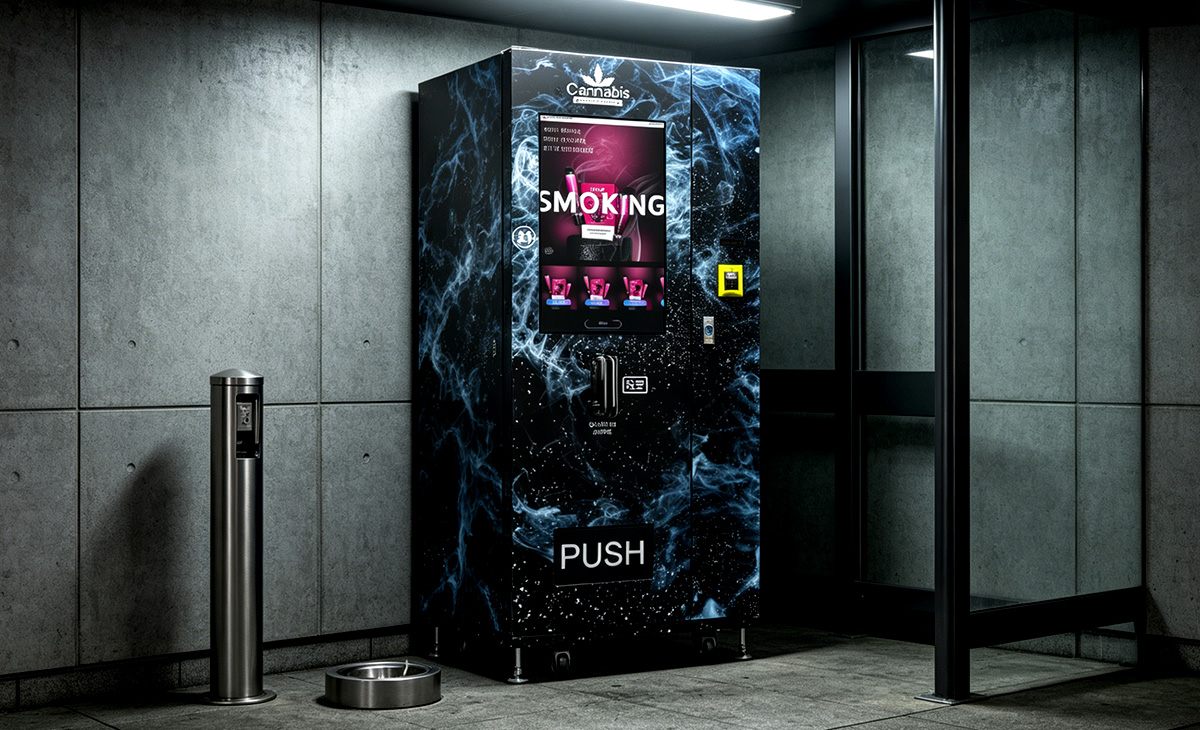
Your product mix should match the location demographics. In a gym, protein bars and bottled water sell well. In an office, coffee, snacks, and cold drinks are staples. I recommend starting with a mix of 60% beverages and 40% snacks, then adjusting based on actual sales data. Sandstar machines allow you to set different price points for each slot, which is useful for testing.
Pricing should be competitive but not too low. A common mistake is undercutting local convenience stores. Remember, you are offering convenience, not a discount. I usually price items 20% to 30% above retail store prices. Customers are willing to pay a premium for the convenience of a self-service kiosk, especially when they are in a hurry.
Payment Systems and Connectivity
Modern vending machines must accept credit cards, mobile payments, and contactless transactions. According to a 2024 Statista survey, over 70% of vending machine transactions in the US are now cashless. Sandstar machines come with built-in payment terminals that support major payment methods. Make sure your machine is connected to a reliable network for remote monitoring. Without it, you are flying blind on inventory and sales data.
Equipment Costs and Maintenance Breakdown
Let me give you a realistic snapshot of what you are looking at financially. These numbers are based on my own operations and conversations with other operators in the US and Europe.
| Expense Category | Estimated Cost (USD) | Notes |
|---|---|---|
| New Sandstar machine | $4,000 – $8,000 | Depends on model and features |
| Used/refurbished machine | $2,500 – $4,000 | Check for wear and cooling system |
| Initial inventory | $500 – $1,000 | Depends on product type and quantity |
| Monthly electricity | $20 – $40 | Varies by climate and machine size |
| Monthly restocking labor | $100 – $300 | If you do it yourself, lower cost |
| Annual maintenance | $200 – $500 | Includes vending machine repair |
| Payment processing fees | 2% – 4% of sales | Standard for cashless transactions |
Maintenance is the area where most new operators underestimate costs. A broken cooling system or a jammed vending mechanism can cost $150 to $400 to fix. I recommend having a relationship with a local technician who specializes in vending machine repair. Sandstar machines are relatively easy to service, but you still need someone who knows the electronics and refrigeration components. If you are handy, you can learn basic repairs yourself, but for complex issues, professional help is worth the money.
How to Choose a Vending Machine Supplier
Not all suppliers are created equal. I have seen operators buy cheap machines from unknown manufacturers only to struggle with replacement parts and poor customer support. When you are evaluating suppliers, look for three things: build quality, warranty, and after-sales support. Sandstar machines, for example, come with a solid warranty and a network of service providers in many regions. I have worked with Zhongda Smart on several projects, and their machines have held up well in high-traffic environments. They offer a range of models with configurable options, which is useful if you are targeting different location types.
Ask potential suppliers about their spare parts availability and whether they offer remote diagnostics. A supplier that provides training materials or onboarding support can save you weeks of trial and error. Also, check reviews from other operators. If a supplier has a history of delayed shipments or poor communication, move on. Your machine is a revenue asset, and downtime due to supplier issues is a direct hit to your bottom line.
Real-World Scenarios and Common Mistakes
Failure Case: Ignoring Location Demographics
A few years ago, I placed a machine in a small industrial park with about 200 workers. The location seemed promising, but after three months, sales were terrible. The problem was that most workers brought their own lunches and drinks from home. The demographic was cost-conscious and did not value the convenience of a machine. I moved the unit to a nearby gym, and sales tripled within a month. The lesson is that foot traffic alone is not enough. You need to understand the spending habits of the people passing by.
Overlooked Configuration: Payment Terminal Placement
One detail that many operators miss is the placement of the payment terminal. If the terminal is too low or too high, customers struggle to use it, especially in poorly lit areas. I have seen machines with perfectly good products but low sales simply because the card reader was awkward to reach. Sandstar machines have well-designed interfaces, but always test the user experience yourself before finalizing placement.
Costly Mistake: Buying the Cheapest Machine
I have watched operators buy machines for under $2,000 from online marketplaces. Within six months, the cooling system failed, the coin mechanism jammed, and the card reader stopped working. The total repair costs exceeded the price of a new machine. If you are serious about building a Sandstar vending machine business, invest in quality equipment. The upfront cost is higher, but the total cost of ownership over three years is lower.
Best Locations for a Sandstar Vending Machine
Based on my experience and industry data, the highest-performing locations for automated retail include:
- Office buildings: Consistent daily traffic, especially for coffee and snacks. Aim for buildings with at least 100 employees and no on-site cafeteria.
- Hospitals and clinics: High foot traffic, long shifts, and limited food options. Visitors and staff are captive audiences.
- Gyms and fitness centers: Health-conscious customers buy water, protein shakes, and energy bars. Machines with cooling are essential.
- Schools and universities: Students and staff need quick snacks and drinks between classes. Check for age restrictions on certain products.
- Transit hubs: Train stations, bus terminals, and airports have high traffic but also high competition. Focus on beverages and grab-and-go items.
Each location type has its own lease dynamics. In hospitals, you might need to go through a procurement process. In office buildings, a direct conversation with the facility manager often works. I always offer a free trial period of one month to prove the machine's value before signing a long-term lease.
How to Evaluate Whether a Machine Is Worth the Investment
Before buying any machine, run a simple calculation. Estimate the monthly foot traffic in the target location. Multiply that by a conservative conversion rate of 5% to 10%. Then multiply by an average transaction value of $2.50 to $3.50. That gives you a rough monthly revenue range. Subtract your estimated costs, and you get a monthly profit. Divide the total investment by the monthly profit to see the payback period.
If the payback period is longer than 24 months, I usually pass unless there is a strong reason to believe traffic will increase. I also look at the product category. Beverages have higher turnover but lower margins per unit. Snacks have higher margins but slower turnover. A balanced mix works best. I have found that machines offering both cold drinks and snacks generate 30% more revenue than machines with only one category.
Another factor is the machine's energy efficiency. Sandstar machines are designed with energy-saving features that reduce electricity costs. Over a year, that can save you $100 to $200 compared to older models. It is not a huge number, but it adds up across multiple machines.
FAQ: Common Questions About Running a Vending Machine Business
Is a vending machine business profitable?
Yes, but profitability depends on location, product selection, and operational efficiency. Many operators earn a net profit of $200 to $800 per machine per month after costs. High-traffic locations with low competition yield the best returns.
How much does a Sandstar vending machine cost?
A new machine ranges from $4,000 to $8,000, depending on features like cooling, payment systems, and size. Used or refurbished units can be found for $2,500 to $4,000. Always factor in shipping and installation costs.
How long does it take to break even?
Typically 10 to 18 months for a well-placed machine. In premium locations with high daily traffic, some operators break even within 8 to 12 months. Lower-traffic spots may take up to 24 months.
Should a beginner buy or lease a machine?
Buying is generally better if you have the capital, because you build equity and have full control over the machine. Leasing can be useful if you want to test the waters with lower upfront risk. However, lease terms often include higher long-term costs.
Where should I place my machine for the best results?
Office buildings, hospitals, gyms, schools, and transit hubs are top choices. Look for locations with at least 100 daily visitors and limited nearby food options. Avoid places with heavy existing vending competition.
What licenses or permits do I need?
Requirements vary by city and state in the US, and by municipality in Europe. You typically need a business license, a sales tax permit, and possibly a food handler's permit if you sell perishable items. Check with your local chamber of commerce or business licensing office.
How do I choose a reliable vending machine supplier?
Look for suppliers with a track record of quality, good warranty terms, and responsive after-sales support. I have had good experiences with Zhongda Smart for their build quality and service network. Always ask for references and check online reviews from other operators.
What happens if the machine breaks down?
Most issues can be resolved with basic troubleshooting. For complex problems, call a professional technician. Sandstar machines have remote diagnostics that help identify issues quickly. I recommend having a backup plan for high-traffic locations, such as a spare machine or a rapid repair service agreement.
How can I reduce restocking and maintenance costs?
Use remote monitoring to track inventory levels and only visit machines when needed. Batch your restocking trips by geographic area. Learn basic repairs like clearing jams and resetting payment terminals. For larger issues, negotiate a service contract with a local technician.
Final Thoughts from a Decade in the Business
Running a Sandstar vending machine business is not a get-rich-quick scheme. It is a real business that requires attention to detail, patience, and a willingness to learn from mistakes. The operators who succeed are the ones who treat it like a business, not a passive investment. They monitor their data, adjust their product mix, and move machines when necessary. They also invest in quality equipment and build relationships with reliable suppliers.
If you are just starting out, begin with one or two machines in solid locations. Learn the rhythm of restocking, understand your customers, and track every dollar. Once you have a system that works, scaling becomes much easier. The vending industry has grown steadily over the past decade, and with the rise of cashless payments and remote monitoring, it is more accessible than ever.
I hope this guide gives you a realistic picture of what it takes to build a profitable Sandstar vending machine business. The opportunities are real, but so are the challenges. Approach it with the right expectations, and you can build a solid stream of income that runs on its own.
Disclaimer: The financial figures and projections in this article are based on my personal experience and publicly available industry data. Actual results may vary depending on location, market conditions, operational efficiency, and other factors. This content is for informational purposes only and does not constitute financial or legal advice.
This article was updated in June 2025.