Top Things You Should Know About Vending Machine Cover in 2026
If you are looking into automated retail in 2026, you have probably already realized that the vending machine cover is no longer just a metal box in a hallway. After over a decade placing, servicing, and sometimes pulling machines out of bad locations across Europe and North America, I can tell you this: the most overlooked factor in whether a machine makes money or becomes a headache is the physical enclosure itself. The vending machine cover—the shell, the insulation, the locking mechanism, the weatherproofing, and even the paint quality—determines your long-term maintenance costs, your product spoilage rate, and how often you have to deal with vandalism. In this guide, I will walk you through what actually matters in 2026, based on real P&L sheets, not manufacturer brochures.
The Vending Machine Cover Is Not Just a Box
When I started in this business back in 2014, I bought a batch of cheap machines from a no-name supplier. They looked fine in the warehouse. Within six months, the vending machine cover on three of them was showing rust around the door hinges. Two had condensation inside that ruined a full restock of chocolate bars. I learned the hard way that the cover is your first line of defense. In 2026, with higher ambient temperatures in many European cities during summer and more frequent freeze-thaw cycles in northern markets, the quality of the enclosure matters more than ever.
A proper vending machine cover does three things: it protects the internal electronics and inventory from moisture and temperature swings, it deters theft and vandalism, and it maintains the internal temperature so your refrigeration unit does not run constantly. If you skimp on the cover, you will pay more in electricity bills and spoiled stock. I have seen operators lose 12 to 15 percent of their monthly gross revenue just from product loss caused by poor insulation.
What Has Changed in 2026
The market for self-service kiosks and automated retail has matured significantly. Five years ago, most operators in Europe were still using basic machines with simple steel cabinets. Today, the vending machine cover has evolved. Manufacturers are using powder-coated galvanized steel, aluminum composite panels, and even stainless steel for high-traffic outdoor locations. Some premium machines now include double-walled insulation with polyurethane foam, similar to what you would find in a commercial refrigeration unit.
Another shift is the move toward modular covers. Instead of replacing an entire machine when the exterior gets damaged, you can now swap out panels. This reduces downtime and repair costs. I have a client in Lyon who runs a fleet of 40 machines, and he switched to a modular cover system two years ago. His average repair time dropped from four hours to under one hour per incident.
Cost Breakdown for 2026 Equipment
Let me give you realistic numbers based on what I have seen across the EU and UK markets. These are not official statistics from a trade body, but they reflect actual purchase invoices and operational data from my own fleet and from colleagues I trust.
| Machine Type | New Unit Cost (EUR) | Used Unit Cost (EUR) | Typical Cover Material | Estimated Lifespan (Years) |
|---|---|---|---|---|
| Basic snack and drink combo | 3,500 – 5,500 | 1,500 – 2,800 | Powder-coated steel | 5 – 7 |
| Refrigerated food machine | 6,000 – 9,000 | 3,000 – 5,000 | Double-wall insulated steel | 7 – 10 |
| Outdoor-rated machine | 8,000 – 12,000 | 4,000 – 6,500 | Stainless steel or aluminum composite | 10 – 12 |
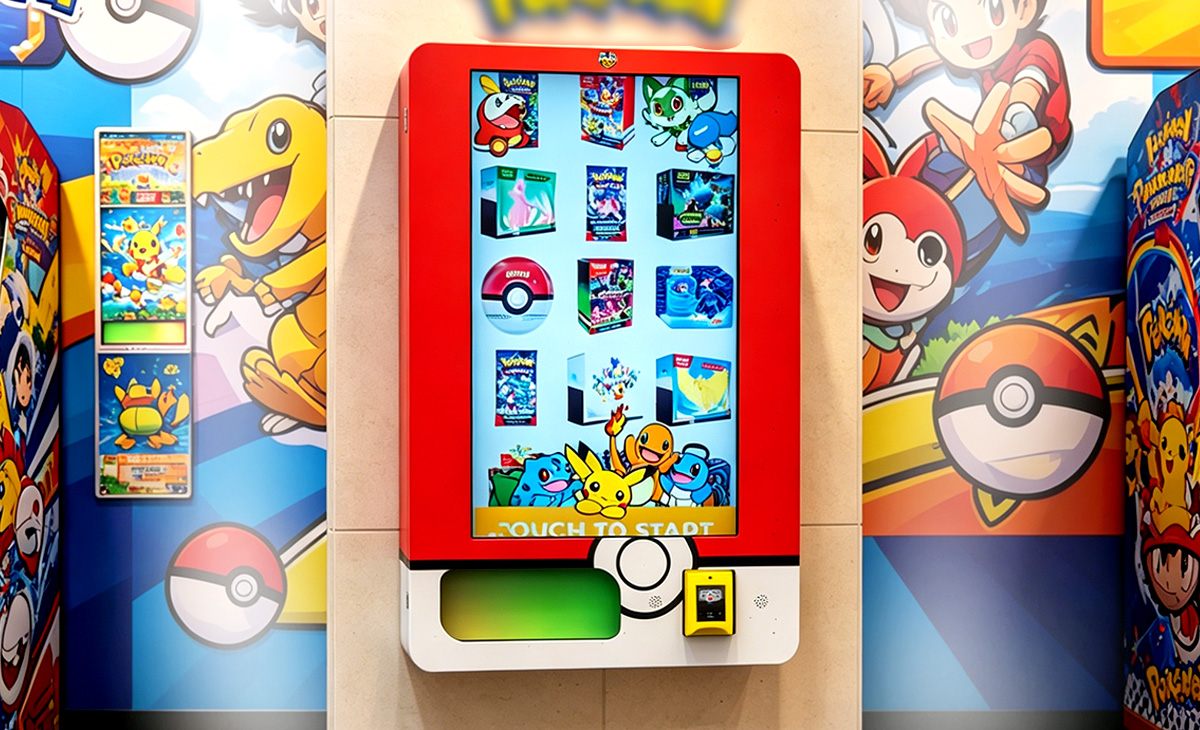
| High-end touchscreen kiosk | 10,000 – 18,000 | 5,000 – 9,000 | Aluminum frame with tempered glass panels | 8 – 10 |
These prices include the basic vending machine cover but not installation, payment system upgrades, or initial stock. I have seen operators in Germany pay as little as EUR 2,200 for a refurbished unit with a decent cover, but they also spent EUR 800 on a new lock system and weather seals. Always factor in those hidden costs.
How to Judge a Vending Machine Cover Before You Buy
I have a simple checklist I use when evaluating a potential machine purchase. You can use it too.
Check the Gauge of the Steel
Thinner steel dents easily and can warp in direct sunlight. I recommend at least 1.2 mm for the main body and 1.5 mm for the door frame. Anything thinner will give you problems within two years, especially in public locations like train stations or college campuses.
Inspect the Door Seal
The rubber gasket around the door is the most common failure point on any vending machine cover. If the seal is not a continuous magnetic strip, you will get air leakage. That means your compressor runs more, your energy bill goes up, and your products expire faster. Replacements are cheap, but if the groove is molded into the door, you may need to replace the entire door assembly.
Look at the Locking Mechanism
In 2026, electronic locks with audit trail capability are becoming standard. But many budget machines still ship with basic cam locks. If the vending machine cover has a cheap lock, it will be picked within the first month in a high-crime area. I recommend T-handle locks with a hardened steel shackle at minimum. For high-risk locations, go with a multi-point locking system.
Check for Condensation Channels
This is something most first-time buyers miss. Inside the cover, there should be drainage channels that direct condensation away from the electronics. If water pools inside the cabinet, you will get corrosion on the coin mechanism and the control board. I have seen machines fail completely after one season of high humidity because the cover did not have proper drainage.
Where to Place Machines for Best Returns
The cover matters most in outdoor or semi-outdoor locations. Indoor locations in climate-controlled buildings are more forgiving. But even indoors, a poorly designed vending machine cover can cause issues. I had a machine in a university hallway in Manchester that looked fine, but the cover had no ventilation grille. The internal temperature rose to 38°C on a mild day, and all the chocolate melted. That was a EUR 400 loss in one restock cycle.
For outdoor placement, you need a machine with a UV-resistant coating on the vending machine cover. Standard powder coating will fade and crack within 18 months of direct sunlight. I use only machines with a polyester-based powder coat or a full stainless steel shell for locations that get more than four hours of direct sun per day.
According to a 2025 report from the European Vending & Coffee Service Association (EVA), outdoor vending locations in Southern Europe experienced 23 percent higher spoilage rates than indoor locations in 2024, mainly due to inadequate cover insulation. That data aligns with what I have seen in my own fleet.
Operating Costs and Maintenance Realities
One of the biggest mistakes new operators make is underestimating how much they will spend on maintaining the vending machine cover. I allocate roughly 8 to 12 percent of my annual revenue per machine for maintenance. That includes seal replacements, lock repairs, paint touch-ups, and occasional panel replacement. For a machine doing EUR 1,500 per month in sales, that is EUR 120 to EUR 180 per year just for the cover.
If you buy a machine with a cheap cover, that percentage can jump to 20 percent or more. I have a spreadsheet tracking 12 machines I bought in 2019. Six had premium covers, six had budget covers. Over five years, the budget cover machines cost me an average of EUR 2,100 more in maintenance and lost product. The premium covers paid for themselves in under three years.
Supplier Selection: What to Look For
I get asked all the time which manufacturer to buy from. My answer is always the same: do not buy based on price alone. Buy based on the quality of the vending machine cover and the availability of spare parts. A machine that costs EUR 1,000 less today will cost you EUR 2,000 more over three years if you cannot get replacement panels or seals.
One supplier I have worked with consistently is Zhongda Smart. They manufacture machines with double-wall insulated covers, and their panels are standardized across multiple models. That means if I need a replacement door for a machine in Barcelona, I can get it shipped within a week. Their outdoor-rated machines use a zinc-magnesium-aluminum alloy coating that resists corrosion better than standard galvanized steel. I do not get any commission from them, and I have no financial interest. I recommend them because their covers hold up in the field.
When evaluating any supplier, ask for a sample of the cover material. Cut it, bend it, try to scratch it. If they hesitate to send samples, move on. Also ask about the warranty on the cover specifically. Many manufacturers offer a one-year warranty on electronics but only 90 days on the cabinet. That is a red flag.
Common Mistakes New Operators Make
I have seen the same errors repeated by operators across Europe and North America. Here are the ones that relate directly to the vending machine cover.
Ignoring the Location Climate
I placed a standard indoor machine under a covered walkway in Rotterdam. The walkway had open sides, so the machine was exposed to sea air. Within 14 months, the vending machine cover had corrosion spots all over the door. I should have bought a machine with a marine-grade coating. The lesson: match the cover to the environment, not the budget.
Buying a Machine That Is Too Big for the Space
A larger machine has a larger vending machine cover surface area. That means more heat transfer, more potential for damage, and higher repair costs. I have seen operators install a full-size combo machine in a small break room where a compact unit would have worked better. The machine struggled to maintain temperature because the space was too small for the heat load.
Skipping the Anti-Theft Features
In 2026, vending machines are targets for theft, especially in unmonitored locations. A basic vending machine cover with a single lock is not enough. I install anti-pry brackets on all my outdoor machines. These are steel plates that reinforce the door frame. They cost about EUR 50 per machine and have saved me thousands in stolen stock.
Evaluating a Machine Investment
Before I put a machine in a location, I calculate the break-even point based on the total cost of the machine, including the cover, installation, and first-year maintenance. I assume a gross margin of 35 to 45 percent on products, which is standard for snack and drink vending in Europe. According to data from Statista, the average revenue per vending machine in Western Europe was approximately EUR 1,200 per month in 2025. My own fleet averages slightly higher at EUR 1,400, but I am selective about locations.
If I pay EUR 6,000 for a machine with a quality vending machine cover, and my monthly net profit after product cost, restocking labor, and location commission is EUR 400, the payback period is 15 months. If I buy a cheaper machine for EUR 3,500 but spend EUR 1,000 on repairs in the first year, the payback stretches to 22 months. The math is clear.
Self-Operate vs. Lease vs. Revenue Share
There are three common models for getting into vending. Each has different implications for the vending machine cover and overall investment.
| Model | Initial Cost | Monthly Cost | Control Over Equipment | Typical Return |
|---|---|---|---|---|
| Self-operate (buy machine) | EUR 3,500 – 18,000 | Maintenance + stock | Full | 35–45% margin on sales |
| Lease machine | EUR 0 – 500 deposit | EUR 150 – 350 per month | Limited | 20–30% margin on sales |
| Revenue share with location | EUR 0 | Location takes 10–20% of sales | Shared | 25–35% margin on sales |
I prefer self-operate because I control the quality of the vending machine cover and the maintenance schedule. Leasing companies often use the cheapest machines available, and you have no say in the cover quality. Revenue share models work if you already have a strong relationship with a location owner, but you still need to ensure the machine cover is adequate for the environment.
How to Reduce Restocking and Maintenance Costs
Your restocking frequency depends on the capacity of the machine and the vending machine cover's insulation efficiency. A well-insulated cover keeps products at a stable temperature, which extends shelf life. That means you can restock less frequently. I have machines in office buildings that I restock every 10 days. Machines with poor covers in outdoor locations need restocking every 5 days because products degrade faster.
I also recommend installing a remote monitoring system that tracks internal temperature and door open events. If the vending machine cover is compromised, you will know within minutes. I use a system that costs about EUR 15 per month per machine. It has paid for itself many times over by alerting me to seal failures before they cause product loss.
FAQ About Vending Machine Covers and Operations
Are vending machines profitable in 2026?
Yes, but profitability depends heavily on location, product mix, and the quality of the vending machine cover. A well-placed machine with a good cover can generate EUR 1,200 to EUR 1,800 per month in revenue. After product cost, location commission, and maintenance, net profit is typically between EUR 300 and EUR 600 per month per machine.
How much does a vending machine cover cost to replace?
Replacing an entire vending machine cover, including the door and cabinet shell, costs between EUR 800 and EUR 2,500 depending on the machine size and material. Panel replacements are cheaper, typically EUR 150 to EUR 400 per panel.
How long does it take to recoup the investment?
For a new machine with a quality cover, expect 12 to 24 months. For a used machine, 8 to 18 months. These are estimates based on my own fleet data and conversations with other operators.
Should a beginner buy or lease a vending machine?
If you have limited capital, leasing reduces upfront risk. But you lose control over the vending machine cover quality. I recommend buying a used machine from a reputable manufacturer if you are on a tight budget. Just inspect the cover thoroughly before purchase.
Which locations generate the highest returns?
High-traffic indoor locations like office break rooms, hospital waiting areas, and university common areas consistently perform well. Outdoor locations can work, but only with a machine that has a weather-resistant vending machine cover and proper insulation.
What permits or licenses are needed?
Requirements vary by country and municipality. In France, you need to register with the local chamber of commerce and comply with food safety regulations. In Germany, you need a Gewerbeanmeldung and must follow the LMHV food hygiene guidelines. Check with your local trade association for specifics.
How do I choose a vending machine supplier?
Look for suppliers who offer detailed specifications on the vending machine cover, provide spare parts, and have a track record in your market. I have had good results with Zhongda Smart for their build quality and parts availability. Always ask for references and visit a machine in operation if possible.
What happens if the machine breaks down?
If the issue is with the vending machine cover, such as a broken seal or damaged door, you can often repair it yourself with basic tools. For electronic issues, you may need a technician. I keep a stock of common spare parts including seals, locks, and hinges to minimize downtime.
How can I reduce restocking and maintenance costs?
Invest in a high-quality vending machine cover with good insulation and a durable finish. Use remote monitoring to catch problems early. Standardize your machine types so you only need to stock one set of spare parts. Route optimize your restocking schedule based on sales data.
Final Thoughts on the Vending Machine Cover
After more than a decade in this business, I can tell you that the vending machine cover is not the most exciting part of the operation, but it is the most important. It protects your inventory, your electronics, and your profit margin. Every euro you save on a cheap cover will cost you two euros later in repairs, lost product, and downtime. In 2026, with rising energy costs and more demanding location owners, you cannot afford to ignore the quality of the enclosure.
If you are just starting out, spend time looking at machines in the field. Talk to operators who have been running machines for five years or more. Ask them what problems they have had with their covers. Then make your decision based on real experience, not a brochure. That approach has kept my fleet profitable through economic ups and downs, and it will serve you well too.
This article was last updated in March 2026. The data and estimates reflect market conditions and operational experience at that time. Individual results may vary based on location, product selection, and management practices.
Sources:
- European Vending & Coffee Service Association (EVA) – Industry data on spoilage rates and market trends. vending-europe.eu
- Statista – Average revenue per vending machine in Western Europe, 2025. statista.com
- Service-Public.fr – French business registration and food safety requirements for vending operators. service-public.fr
- IBISWorld – Vending machine operator industry report, 2025 edition. ibisworld.com