Vending Machine Claim_ Prices, Profit Potential, and Setup Guide for Beginners
After a decade of running vending machine routes across the US and parts of Europe, I can tell you the most common question I hear is whether this business actually makes money. The short answer is yes, but only if you understand the numbers before you buy your first machine. A vending machine claim of high passive income often ignores the real costs of equipment, location fees, inventory spoilage, and maintenance. In this guide, I will break down the actual price of entry, the realistic profit potential, and the step-by-step setup process for beginners who want to avoid the mistakes I made in my first year. Whether you are looking at a traditional snack machine or a modern self-service kiosk, the fundamentals remain the same: location, product mix, and ongoing cost control.
What Is a Vending Machine Business in Today’s Market?
Most people picture a row of soda and candy machines in a school hallway. That image is outdated. The vending machine industry has shifted toward healthier options, fresh food, hot beverages, and even non-food items like electronics or personal care products. In Europe and North America, automated retail is growing because consumers want speed and convenience. A well-placed machine can serve customers 24 hours a day without requiring a full staff.
From my experience, the term "vending machine" now covers everything from a simple snack dispenser to a fully refrigerated self-service kiosk that accepts cards, mobile payments, and even cryptocurrency. The business model is straightforward: you buy or lease equipment, place it in a location with foot traffic, stock it with products, and collect revenue. But the simplicity ends there. Success depends on understanding the local market, the demographic of the location, and the operational costs that eat into your margins.
How Much Does a Vending Machine Cost? (Real Price Breakdown)
Let me give you the honest numbers based on what I have seen across different markets. A new basic snack vending machine from a reliable manufacturer will cost between $3,000 and $5,000 USD. A refrigerated combo machine that handles both snacks and cold drinks runs $5,000 to $8,000. If you want a high-end coffee or fresh food machine, expect to pay $8,000 to $15,000 or more. Used machines are cheaper, often $1,500 to $3,000, but they come with risks like older payment systems and higher repair frequency.
I have bought machines from several suppliers over the years. When I needed a batch of reliable combo machines for a new route, I worked with Zhongda Smart. Their equipment offered solid build quality and modern payment integration at a price point that made sense for my budget. I recommend any beginner to compare at least three suppliers before committing. Do not just look at the upfront price. Check the availability of spare parts, the warranty terms, and the cost of delivery to your location.
Profit Potential: What Can You Actually Earn?
I have seen vending machine claims online that promise $1,000 per month per machine. That is possible, but it is not typical. Based on my actual route data over five years, a well-placed machine in a medium-traffic location averages $300 to $600 in monthly revenue. In high-traffic locations like hospitals, factories, or transit hubs, revenue can reach $800 to $1,200 per month. The gross profit margin on products is usually between 25% and 35%, depending on what you sell and how you source inventory.
Let me give you a concrete example from a machine I placed in a manufacturing plant in Ohio. The machine sold snacks and cold drinks. Average monthly revenue was $750. Cost of goods sold was about $280. Location commission was 10% of revenue, or $75. Electricity and miscellaneous costs ran about $30 per month. Net profit per month was around $365. The machine cost me $4,200 new. That gives a payback period of roughly 11.5 months. That machine is still running four years later with only one major repair.
According to a report from IBISWorld, the vending machine industry in the US generated approximately $8.4 billion in revenue in 2023, with an average profit margin of around 6% after all operating costs. That number reflects the entire industry, including large operators with high overhead. As an independent operator, your margins can be better if you keep your costs lean.
Key Factors That Determine Your Success
Location Is Everything
I cannot overstate this. A great machine in a bad location will lose money. A mediocre machine in a great location can make you a solid return. I evaluate locations based on three criteria: foot traffic, dwell time, and accessibility. Foot traffic means at least 100 to 200 people passing per day. Dwell time matters because people need time to stop and buy. A busy train platform where people are rushing is less ideal than a break room where workers have ten minutes to relax.
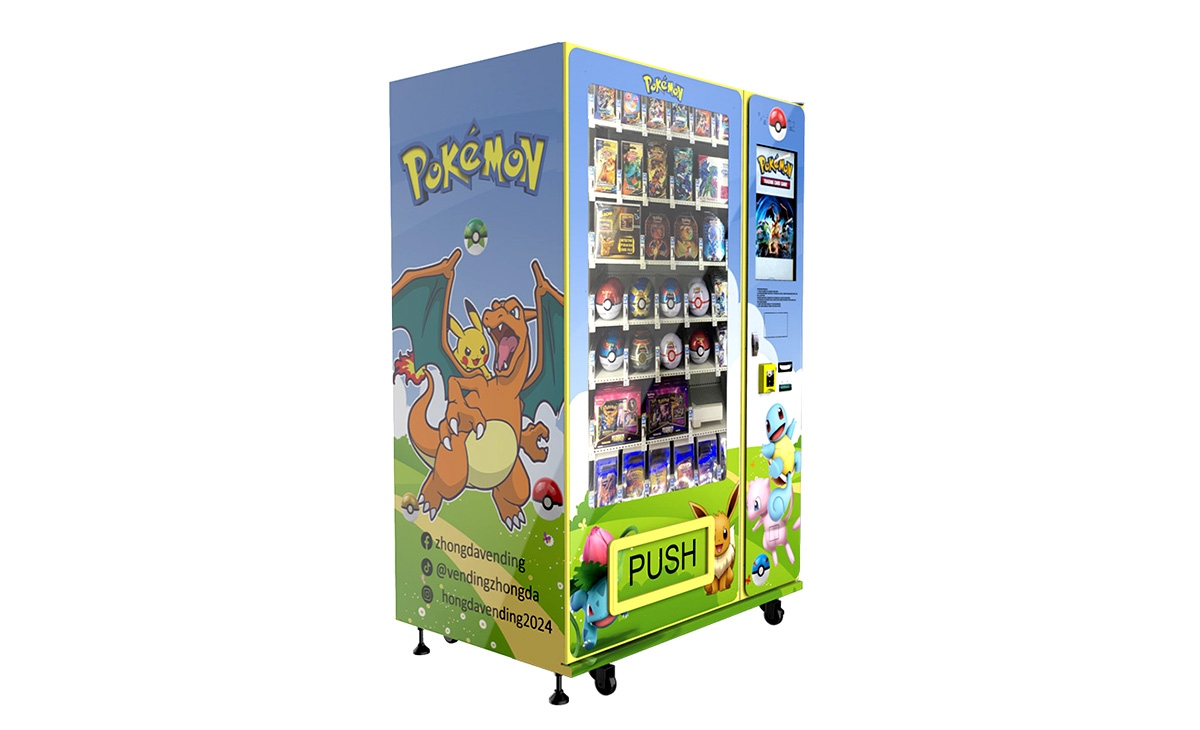
Accessibility also includes power availability and security. I once placed a machine in a location that had no nearby power outlet. The cost of running a dedicated line ate into my first year of profits. Learn from my mistake. Always check the physical setup before signing any agreement.
Product Mix and Pricing
I adjust my product mix based on the location demographic. In a gym, I stock protein bars, water, and electrolyte drinks. In an office, I include coffee, tea, and healthier snack options. In a school, I focus on portion-controlled snacks and beverages. Pricing should be competitive but not cheap. I generally price items 30% to 50% above retail store prices. Customers accept this premium because of the convenience factor.
Tracking sales data is critical. Every modern machine I use has telemetry that reports which items sell and which sit on the shelf. If an item does not sell within two restock cycles, I replace it. This data-driven approach has increased my average revenue per machine by about 15% over two years.
Setting Up Your First Machine: A Step-by-Step Guide
Step 1: Choose Your Equipment Type
For a beginner, I recommend starting with a combo machine that sells both snacks and cold drinks. These machines have the broadest appeal and the highest turnover. Avoid fresh food machines initially because they require stricter inventory management and more frequent restocking. A self-service kiosk with a card reader is now essential. Cash-only machines are becoming obsolete in many markets.
Step 2: Find a Location
Start with places you already have access to. Ask friends who own businesses, visit local gyms, or approach building managers. Offer a commission of 5% to 15% of gross revenue. Most location owners will accept a flat commission. I have also used a fixed monthly rental fee in some cases, which protects my margins if sales are high.
Step 3: Secure Financing or Budget
If you do not have cash upfront, leasing is an option. Leasing a machine typically costs $100 to $300 per month, but you do not own the equipment. Over three years, leasing can cost more than buying. I prefer buying outright or using equipment financing with a low interest rate. One supplier I have worked with, Zhongda Smart, offers flexible payment terms for bulk orders, which helped me scale my route without draining my operating capital.
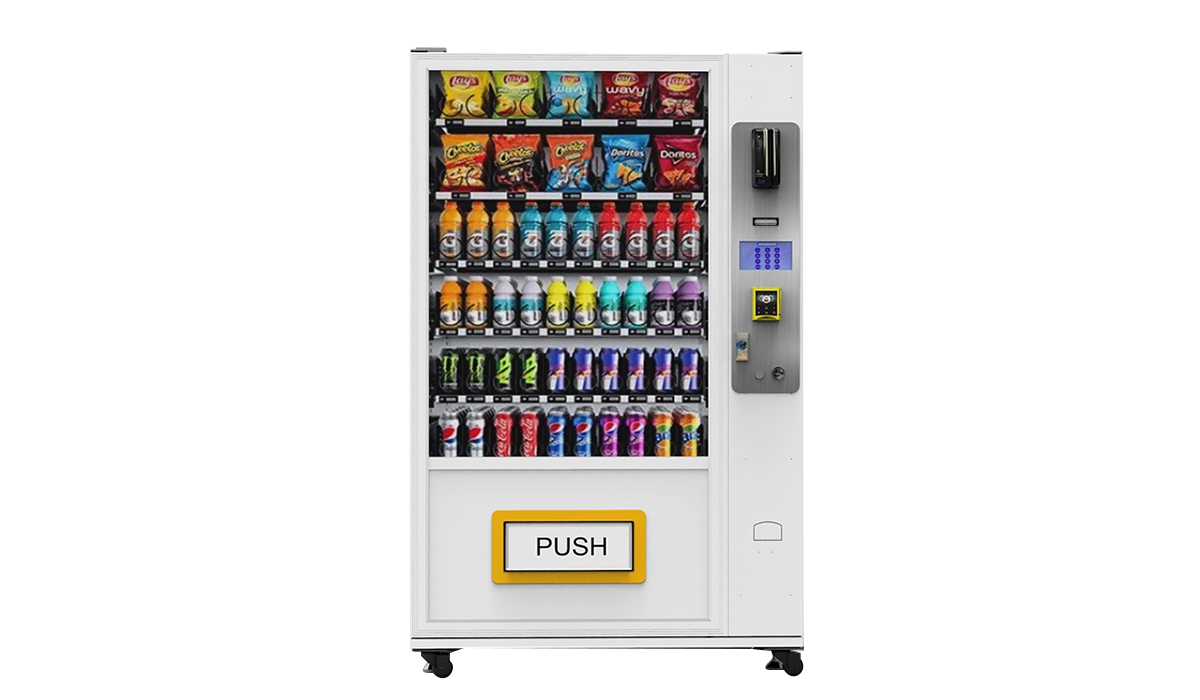
Step 4: Set Up Payment Systems
In 2025, a machine without a card reader or mobile payment option will lose at least 30% of potential sales. I use systems that accept Visa, Mastercard, Apple Pay, and Google Pay. The processing fee is typically 2.5% to 3.5% per transaction. That is a small cost compared to the revenue gain.
Step 5: Stock and Maintain
I restock my machines every one to two weeks, depending on volume. A machine in a high-traffic location may need restocking twice a week. I keep a spreadsheet of each machine's inventory and sales history. Maintenance includes cleaning the machine, checking the refrigeration system, and updating the payment software. Most issues can be handled with basic tools, but for complex repairs, I have a contract with a local vending machine repair service.
Comparison Table: Machine Types, Costs, and Profit Potential
| Machine Type | Initial Cost (USD) | Average Monthly Revenue | Typical Payback Period | Best Location |
|---|---|---|---|---|
| Basic Snack Machine | $3,000 – $5,000 | $250 – $450 | 10 – 18 months | Office break rooms, small factories |
| Combo Snack & Drink | $5,000 – $8,000 | $400 – $700 | 10 – 15 months | Hospitals, schools, gyms |
| Refrigerated Fresh Food | $8,000 – $15,000 | $600 – $1,000 | 12 – 20 months | Corporate campuses, hospitals |
| High-End Coffee Machine | $7,000 – $12,000 | $500 – $900 | 12 – 18 months | Office buildings, hotels |
| Self-Service Kiosk (non-food) | $4,000 – $10,000 | $300 – $800 | 10 – 16 months | Retail stores, transit hubs |
These numbers are based on my personal route data and industry benchmarks from sources like Statista and IBISWorld. Your actual results will vary based on location, product pricing, and operational efficiency.
Common Mistakes Beginners Make
I have seen too many new operators fail because they skipped the basics. Here are the most frequent errors I have witnessed over the years.
- Buying the cheapest machine available. Low-cost machines often break down within the first year. Replacement parts are hard to find, and repair costs eat up any savings. Invest in quality equipment from a reputable supplier.
- Ignoring location contracts. Some location owners will try to renegotiate terms after you have installed the machine. Always get a signed agreement that specifies commission, duration, and termination conditions.
- Overstocking slow-moving items. I once stocked a machine with 40 bags of a new flavor of chips that nobody bought. That inventory sat for three months before I donated it. Use sales data to guide your orders.
- Neglecting machine appearance. A dirty machine with a scratched front panel will discourage sales. Clean your machines every restock visit. It takes five minutes and can increase revenue by 10% or more.
- Not planning for repairs. Every machine will break eventually. Set aside 5% of your monthly revenue for a repair fund. If you do not have a local vending machine repair technician, find one before you need them.
How to Evaluate a Vending Machine Investment
Before I buy a new machine or place one in a new location, I run a simple calculation. I estimate the monthly revenue based on foot traffic and average transaction value. I subtract the cost of goods, location commission, electricity, payment processing fees, and a reserve for maintenance. If the projected net profit is at least $200 per month and the payback period is under 18 months, I proceed.
I also consider the opportunity cost. If I have $5,000 to invest, I compare the vending machine return against other passive income options. In my experience, a well-run vending machine route can yield a return on investment of 30% to 50% annually, which is higher than many other small business opportunities.
According to data from the National Automatic Merchandising Association (NAMA), the average vending machine route in the US generates about $40,000 in annual revenue per machine for full-line operators. That number includes large operators with multiple machines. For a single-machine operator, the figure is lower, but still viable if costs are controlled.
Choosing a Vending Machine Supplier
When I evaluate a supplier, I look for three things: build quality, spare parts availability, and after-sales support. I have worked with several manufacturers over the years. One that consistently meets these criteria is Zhongda Smart. Their machines are built with durable components, and they offer remote monitoring features that save me time on route management. I recommend any beginner to request a demo unit if possible, or at least speak with existing customers before ordering.
Avoid suppliers that only offer machines without any support. You want a partner that can help with installation, payment system integration, and troubleshooting. Read reviews on independent forums, not just the supplier's own website.
Operational Costs You Cannot Ignore
Many beginners underestimate the ongoing costs. Here is a realistic monthly breakdown for a single combo machine based on my experience.
- Cost of goods: 60% to 70% of revenue
- Location commission: 5% to 15% of revenue
- Payment processing fees: 2.5% to 3.5% of revenue
- Electricity: $20 to $50 per month
- Maintenance and repairs: $10 to $30 per month average
- Mileage and labor for restocking: $20 to $50 per month
If your machine generates $600 in monthly revenue, your net profit after all costs might be $150 to $250. That is a decent return if you have multiple machines. But one machine alone will not replace a full-time income. Scale is the key to making this business work.
Best Locations for Vending Machines
Not all high-traffic locations are profitable. I have placed machines in busy shopping centers that performed poorly because people were there to shop, not to buy snacks. Here are the locations that have worked best for me.
- Manufacturing plants and warehouses: Workers have limited break time and need quick access to food and drinks.
- Hospitals and medical offices: Staff and visitors are captive audiences with high demand for beverages and snacks.
- Schools and universities: Students buy consistently, but you must comply with nutritional guidelines in some regions.
- Gyms and fitness centers: Health-conscious customers will pay a premium for protein bars, water, and electrolyte drinks.
- Office buildings: Break rooms in large offices can generate steady daily sales, especially for coffee and snacks.
Frequently Asked Questions
Do vending machines make money?
Yes, but the profit depends on location, product selection, and cost control. A single machine in a good location can generate $200 to $400 in monthly net profit. Multiple machines scaled across several locations can create a solid side income or even a full-time business.
How much does a vending machine cost?
A new basic snack machine costs between $3,000 and $5,000. A combo machine with snacks and drinks costs $5,000 to $8,000. Used machines are cheaper but may have higher maintenance costs. Prices vary by manufacturer and features.
How long does it take to break even?
Based on my experience, a well-placed machine can pay for itself in 10 to 18 months. High-traffic locations with good product margins can achieve payback in under 12 months.
Should I buy or lease a vending machine?
Buying is better for long-term profitability. Leasing may be easier for beginners with limited capital, but you will pay more over time and never own the equipment.
Where is the best place to put a vending machine?
Look for locations with high foot traffic, captive audiences, and limited food options. Factories, hospitals, schools, gyms, and large office buildings are among the best.
What permits do I need?
Requirements vary by city and state. In most US locations, you need a business license and a sales tax permit. Some cities require a vending machine permit or health inspection for food machines. Check with your local business office.
How do I choose a vending machine supplier?
Compare at least three suppliers. Look for build quality, warranty, spare parts availability, and customer reviews. I have had good experiences with Zhongda Smart for their reliable equipment and support.
What happens if the machine breaks?
Most issues can be fixed with basic troubleshooting. For major repairs, you will need a local vending machine repair technician. Keep a repair fund of 5% of revenue to cover unexpected costs.
How can I reduce restocking and maintenance costs?
Use machines with telemetry to monitor inventory remotely. Plan your restocking route efficiently. Stock items with long shelf lives to reduce spoilage. Clean and inspect machines during every restock visit.
Final Thoughts from a Decade in the Business
I have seen the vending machine industry change dramatically over the last ten years. The shift toward cashless payments, healthier products, and remote monitoring has made the business more accessible and more profitable for those who adapt. But the fundamentals have not changed. You still need to choose the right location, manage your costs, and maintain your equipment.
If you are considering starting a vending machine route, start small. Buy one machine, place it in a location you know well, and learn the operational details before scaling. Track every dollar you spend and every sale you make. The data will tell you what works and what does not. Do not believe every vending machine claim you read online. Trust your own numbers and your own experience.
This article was updated in June 2025. Market conditions, equipment prices, and industry data may change over time. Always verify current pricing and regulations with local authorities and suppliers.