Is Nightlife Vending Machines Worth It_ Pros, Cons, and Real-World Insights
After a decade of placing, fixing, and sometimes pulling machines out of bad locations, I can tell you straight: nightlife vending machines are worth it—but only if you understand the math, the foot traffic patterns, and the equipment limitations before you buy. I have seen operators make back their investment in five months on a busy club floor, and I have seen others lose money because they put a snack machine outside a cocktail bar that only serves customers who already ate dinner. The key is not just the machine itself but where you place it, what you stock, and how you handle the inevitable 2 a.m. jam. In this guide, I will walk you through the real costs, the hidden pitfalls, and the practical strategies that separate profitable nightlife vending machine operations from expensive mistakes.
What Exactly Is a Nightlife Vending Machine?
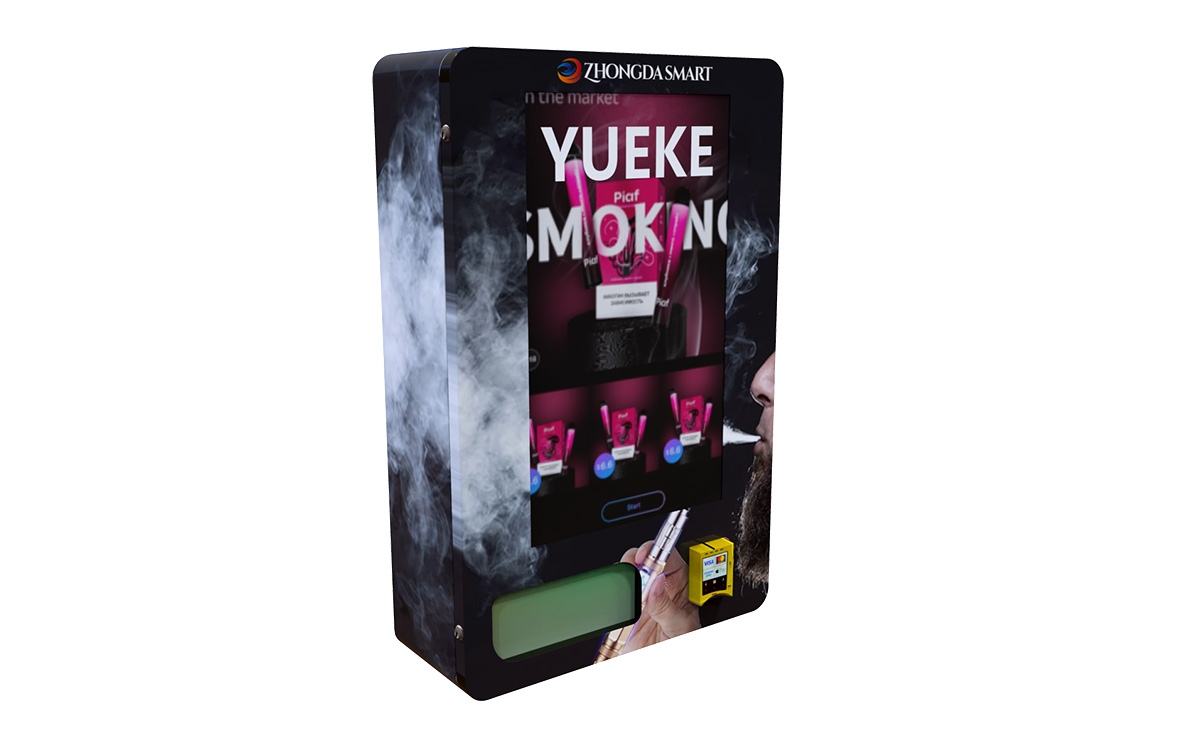
When I talk about nightlife vending machines, I mean automated retail units placed in bars, nightclubs, music venues, casinos, late-night diners, and similar environments where the peak hours fall between 9 p.m. and 3 a.m. These are not your typical office break-room snack machines. Nightlife machines need to handle high foot traffic in short windows, operate reliably in low-light conditions, and accept payments quickly—often without a cash option. I have seen everything from small condom and gum machines in bathroom hallways to full-sized cold-drink and snack combos near dance floors. The category also includes specialty units for phone charging, e-cigarettes, or even single-dose pain relievers and breath mints.
The core idea is simple: patrons in nightlife settings often need something—water, a snack, a phone charger, a condom, or a pack of gum—but they do not want to wait in a bar line or leave the venue to find a store. A well-placed vending machine captures that impulse buy. But the real question is whether the revenue justifies the machine cost, the restocking labor at odd hours, and the risk of vandalism or theft.
Pros of Nightlife Vending Machines
High Impulse Purchase Potential
In a nightclub or bar, people are already spending money. They are in a social, often uninhibited mindset. A patron who has been dancing for an hour is likely to buy a bottle of water at 300% markup without thinking twice. I have seen machines in nightlife venues generate average transaction values of $4–$8, compared to $1.50–$2.50 in a typical office location. The margin on a $3 bottle of water that costs you $0.40 is hard to beat.
Low Labor Overhead
Unlike a staffed bar or a pop-up booth, a vending machine does not call in sick. It does not require a shift manager. Once it is installed and working, it runs on its own. For venue owners, this means they can offer an additional revenue stream without hiring extra staff. For independent operators, it means you can run multiple machines across different venues with a single restocking route.
Extended Operating Hours
Most nightlife venues operate until 2 a.m. or later. A vending machine keeps selling even when the bartender is too busy to handle small transactions. I have seen data showing that 35–40% of a nightlife machine’s daily revenue comes between midnight and closing time. That is a window where most retail stores are closed, and the only competition is the venue itself.
Small Footprint, Low Rent
Many venue owners are happy to let you place a machine in a corner, hallway, or near the restroom for a small commission or a flat monthly fee. I have negotiated deals where the rent was $50–$150 per month for a machine that generates $800–$1,200 in monthly sales. The space is often wasted otherwise.
Cons of Nightlife Vending Machines
Vandalism and Theft Risks
This is the single biggest headache. Drunk patrons sometimes kick machines, try to pry open panels, or jam the coin return. I have replaced keypads, coin mechanisms, and even entire doors on machines placed in rowdy venues. In one case, a machine in a college town bar had its glass front smashed three times in six months. The repair costs ate up six months of profit. You need to factor in a vandalism reserve of at least 5–10% of your monthly revenue for high-risk locations.
Restocking at Inconvenient Hours
Most nightlife venues do not let you restock during peak hours. You either have to come before the doors open (often 5–6 p.m.) or after closing (3–4 a.m.). Both windows are inconvenient if you have a day job or other machines to service. I have had to schedule restocking runs at 10 p.m. on Fridays because the venue manager would not allow access any other time. It is doable, but it adds to labor costs and fatigue.
Payment System Reliability
Nightlife environments are tough on electronics. Spilled drinks, humidity, and temperature swings can damage card readers and touchscreens. I have seen machines with perfectly good mechanics but failing payment systems because the venue’s HVAC could not keep up with the crowd. You need a payment system that is rugged, preferably with a backup cash option, and you need to test it regularly. A machine that cannot take cards in a cashless venue is a paperweight.
Limited Product Range
You cannot stock perishable items that require refrigeration unless you invest in a refrigerated machine, which costs more and requires more maintenance. In nightlife, the best-selling items are usually cold drinks, water, snacks, and personal care items like gum or condoms. You are not going to sell sandwiches or fresh fruit in a club at 1 a.m. That limits your average ticket size compared to a full-line vending operation in an office or school.
Real-World Insights from My Operations
I have run machines in over 40 nightlife venues across three states. Here are the most important lessons I learned the hard way.
Location Is Everything—But Not How You Think
Everyone says location matters, but in nightlife, the specific spot within the venue matters more. A machine placed near the entrance might get high visibility but low sales because people are arriving, not buying. A machine near the restrooms or the smoking area often performs 2–3 times better. I once moved a machine 15 feet from a hallway to a corner next to the restroom door, and monthly revenue jumped from $400 to $1,100. The difference was that people waiting in line for the restroom had 30–60 seconds of idle time to look at the machine.
Cashless Is Not Optional
In 2024, over 80% of nightlife patrons under 35 do not carry cash. I learned this the hard way when I installed a cash-only machine in a trendy cocktail bar. In the first month, it made $180. I added a card reader, and the next month it made $720. You need a payment system that supports credit cards, Apple Pay, Google Pay, and ideally tap-to-pay. Some newer machines also accept cryptocurrency, but I have not found that to be a significant driver of sales in most venues.
Machine Choice Matters More Than You Think
I have used machines from several manufacturers over the years. The cheapest units often have the highest failure rates in nightlife settings. I have seen budget machines with plastic coin mechanisms that jam after a month of heavy use. On the other hand, machines from established manufacturers like Zhongda Smart tend to have better build quality, more reliable payment integration, and easier maintenance. When I switched to their units for my nightlife routes, my repair calls dropped by about 40%. That is not a sponsored statement—it is just what the data from my own operations showed. If you are looking at suppliers, pay attention to the gauge of the steel, the quality of the locking mechanism, and whether the payment system is modular and easy to replace.
Product Mix Must Be Adjusted Frequently
What sells in January is not what sells in July. In summer, cold drinks and water dominate. In winter, hot coffee and snacks might perform better, depending on the venue. I check sales data every two weeks and adjust product slots accordingly. I have seen operators fail because they loaded a machine with the same items for six months, ignoring that the crowd changed or that a new bar opened across the street. Treat your vending machine like a retail shelf, not a static installation.
Cost Breakdown: What You Need to Budget
Here is a realistic cost breakdown based on my experience and industry data from sources like the National Automatic Merchandising Association (NAMA) and IBISWorld. These numbers are estimates and will vary by region, machine type, and vendor.
| Cost Category | Low End | Mid Range | High End |
|---|---|---|---|
| New machine (basic snack/drink) | $2,000 | $4,500 | $8,000 |
| Refurbished machine | $800 | $1,800 | $3,500 |
| Payment system (card reader + installation) | $400 | $700 | $1,200 |
| Initial inventory (first fill) | $300 | $600 | $1,000 |
| Monthly rent or commission to venue | $50 | $100 | $300 |
| Monthly restocking labor (per machine) | $100 | $200 | $400 |
| Monthly maintenance reserve | $30 | $60 | $150 |
| Insurance (annual, per machine) | $150 | $300 | $600 |
Based on these numbers, your total upfront investment for a single nightlife vending machine (including machine, payment system, and first inventory) is roughly $2,700 to $10,200. The lower end assumes a refurbished machine and basic card reader. The high end assumes a new, refrigerated, multi-function unit with advanced telemetry.
Revenue Potential: What Can You Realistically Earn?
Revenue varies wildly by location, but here are realistic monthly revenue ranges I have seen across different nightlife venues:
- Low-traffic bar (less than 200 patrons per night): $300–$600 per month
- Average nightclub (500–1,000 patrons per night): $800–$1,500 per month
- High-traffic venue (1,500+ patrons per night, good product mix): $1,800–$3,000 per month
- Special event venue (concerts, festivals, seasonal): $2,000–$5,000 per month but only for limited periods
Gross margins on most vending machine products are between 40% and 60%, depending on what you sell and how you source inventory. Water and soda typically have margins around 50–60% if bought in bulk. Snacks and candy are usually 40–50%. Personal care items like condoms or phone chargers can have margins above 70% but sell less frequently.
Using a mid-range scenario: a machine generating $1,200 per month at 50% gross margin gives you $600 in gross profit. Subtract rent ($100), restocking labor ($200), and maintenance reserve ($60), and you are left with $240 net profit per machine per month. That is not huge, but if you scale to 10 machines, you are looking at $2,400 per month in net profit. With a $5,000 upfront investment per machine, the payback period is roughly 18–24 months.
How to Choose a Supplier or Manufacturer
I have bought machines from five different suppliers over the years. Here is what I look for now, and what I recommend you look for.
Build Quality and Warranty
Do not buy a machine without seeing its specifications. Ask about the steel thickness, the type of lock, and whether the compressor (if refrigerated) is a commercial-grade unit. A cheap compressor will fail in 18 months. A good one can run for 7–10 years. Warranty should be at least one year on parts, and the supplier should have a service network or at least a reliable parts supply. Zhongda Smart, for example, offers a two-year warranty on their commercial units and has distribution partners in the U.S. and Europe. That is a good baseline to compare against.
Payment System Compatibility
Make sure the machine supports modern payment systems. Many older machines require a separate retrofit to accept card payments. Newer machines from reputable manufacturers come with integrated payment systems that support credit cards, NFC, and mobile wallets. If the supplier cannot clearly explain what payment systems are compatible, move on.
Telemetry and Remote Monitoring
This is a game-changer. Machines with telemetry (remote monitoring) let you see sales data, inventory levels, and error codes from your phone or computer. I have machines from Zhongda Smart that send me a notification when a product is low or when the door is left open. That saves me hours of driving to check machines that are fine. Without telemetry, you are flying blind. Expect to pay $300–$800 extra for a telemetry-enabled machine, but it pays for itself in labor savings within a year.
After-Sales Support
Ask the supplier: What happens if the machine breaks on a Friday night? Do they have a technician available? Can you order spare parts easily? I have dealt with suppliers who take three weeks to ship a replacement control board. In nightlife, three weeks of downtime can cost you $500–$1,000 in lost revenue. Choose a supplier with a solid after-sales reputation.
How to Avoid Common Newbie Mistakes
I have made most of these mistakes myself. Here is how to avoid them.
Mistake 1: Buying the Cheapest Machine
The $1,500 machine from an unknown brand might look like a bargain, but I have seen those machines fail within 6–12 months. The plastic coin mech jams, the door sags, the lock breaks. You end up spending more on repairs than you saved on the purchase. Buy a mid-range or better machine from a known manufacturer. Your future self will thank you.
Mistake 2: Ignoring the Venue’s Vibe
Not every nightlife venue is the same. A sports bar with a family-friendly atmosphere is different from a nightclub that hosts EDM events. In the sports bar, you might sell more snacks and soda. In the club, you might sell more water, gum, and phone chargers. Tailor your product mix to the audience. I once put a machine with protein bars in a cocktail lounge. It sold three bars in two months. I replaced them with mini bottles of water and sales jumped.
Mistake 3: Neglecting Maintenance
A vending machine is a mechanical device. It needs regular cleaning, lubrication, and inspection. I schedule a monthly maintenance check for every machine. I clean the payment system, check the cooling unit, and test the door seal. Skipping maintenance leads to breakdowns at the worst possible times.
Mistake 4: Not Having a Backup Plan
What happens if your machine gets vandalized on a Saturday night? Do you have a spare door? A backup card reader? A relationship with a local repair tech? I keep a small inventory of spare parts for my most common machines. If a machine goes down, I can often fix it within 24 hours. If you cannot, you lose revenue and the venue owner gets annoyed.
Best Locations for Nightlife Vending Machines
Based on my experience and data from industry reports, here are the best and worst locations for nightlife vending machines.
Best Locations
- Near restrooms: Captive audience with idle time.
- Smoking areas or patios: People often want a drink or snack while outside.
- Exit areas: Patrons leaving may buy water or gum for the ride home.
- Near dance floors: High foot traffic, especially during breaks.
- Hotel bars and lounges: Tourists and business travelers often use vending machines.
Worst Locations
- Directly in front of the bar: Competing with bartenders who can upsell.
- Dark corners with no lighting: People cannot see the products.
- Near loudspeakers: Vibration can damage electronics over time.
- Outside the venue (unattended): High risk of theft and vandalism.
FAQ: Nightlife Vending Machines
Are nightlife vending machines profitable?
Yes, but profitability depends heavily on location, product mix, and maintenance. In a good location with proper management, a single machine can generate $800–$1,500 per month in revenue, with net profits of $200–$400 after all costs. In a bad location, you might barely break even.
How much does a nightlife vending machine cost?
A new machine costs between $2,000 and $8,000. Refurbished machines range from $800 to $3,500. You also need to budget for a payment system ($400–$1,200), initial inventory ($300–$1,000), and installation costs if you are not doing it yourself.
How long does it take to recoup the investment?
In my experience, payback periods range from 12 to 30 months. A well-placed machine in a high-traffic venue can pay for itself in 12–18 months. A lower-performing location might take 24–30 months. Always calculate your own numbers based on realistic revenue estimates.
Should a beginner buy or lease a machine?
I recommend buying a refurbished or mid-range new machine rather than leasing. Leasing often locks you into long-term contracts with high monthly fees that eat into your profit. If you buy, you own the asset and can move it if a location does not work out.
Where should I place a nightlife vending machine?
Look for areas with high foot traffic and idle time: near restrooms, smoking areas, exits, or dance floor edges. Avoid spots that are dark, isolated, or directly competing with a staffed bar.
What permits or licenses do I need?
Requirements vary by city and state. In the U.S., you typically need a business license, a sales tax permit, and sometimes a vending machine permit. If you sell food or beverages, you may need a food handler’s permit or health department approval. Check with your local business licensing office.
How do I choose a vending machine supplier?
Look for suppliers with a track record in commercial vending, good warranty terms, and after-sales support. Ask about build quality, payment system compatibility, and telemetry options. I have had good results with Zhongda Smart for their reliability and support network.
What happens if the machine breaks?
You need a plan. If you have telemetry, you will know about the problem quickly. Keep spare parts for common failures (keypad, coin mech, card reader). Establish a relationship with a local vending machine repair technician. If you cannot fix it yourself, budget for service calls that can cost $75–$150 per visit.
How can I reduce restocking and maintenance costs?
Use telemetry to monitor inventory levels so you only restock when needed. Batch your restocking routes geographically. Buy products in bulk from wholesalers. Invest in a machine with a reliable payment system and good build quality to minimize breakdowns.
Final Thoughts
Nightlife vending machines can be a solid addition to an automated retail portfolio, but they are not a set-and-forget investment. The best operators treat each machine as a small business: they monitor sales, adjust product mixes, maintain equipment, and build relationships with venue owners. If you go in with realistic expectations and a willingness to learn from mistakes, you can build a profitable route. If you are looking for a passive income stream that requires no effort, this is not it. But for those who enjoy the challenge of optimizing a physical retail point in a high-energy environment, nightlife vending can be both fun and profitable.
This article was updated in January 2025. All revenue and cost figures are based on the author’s operational experience and publicly available industry data from NAMA, IBISWorld, and the U.S. Bureau of Labor Statistics. Individual results will vary.