The Complete Guide to Vending Machine Capsules Opportunities and Risks
If you are considering entering the vending machine business in Europe or North America, the first question you likely have is whether the opportunity is worth the risk. After over a decade of operating machines across various markets, I can tell you that the vending machine capsules segment—those small, single-serve containers used for coffee, snacks, or even toys—offers real potential, but it is far from a passive income fantasy. The reality is that profitability depends heavily on location, machine quality, and your willingness to handle routine vending machine repair and restocking. In this guide, I will walk you through the specific opportunities and risks I have encountered, drawing on both my own experience and publicly available data, so you can decide if this business model fits your goals.
What Are Vending Machine Capsules and Where Do They Fit?
Vending machine capsules refer to the small, sealed containers that dispense a single portion of product. In coffee vending, these are often plastic or aluminum pods that hold ground coffee. In snack vending, capsules might contain candy, nuts, or even small toys. The key advantage of capsules is portion control and freshness. Unlike bulk dispensers, capsules keep each serving sealed until the moment of purchase, which reduces waste and spoilage. This format is particularly popular in office break rooms, hotel lobbies, and retail stores where hygiene and consistency matter.
From a business perspective, capsules allow you to offer premium products at a higher price point. A cup of coffee from a capsule machine can sell for €1.00 to €2.50, while the cost per capsule might be €0.30 to €0.60. That margin is attractive, but it comes with specific operational demands. You need to manage inventory of multiple capsule types, ensure compatibility with your machine, and deal with the fact that not all capsules are created equal. Some brands lock you into proprietary systems, while others allow open sourcing.
Is the Vending Machine Business Profitable? My Experience
I have seen operators make solid returns, and I have seen others lose money within six months. The difference usually comes down to three factors: location, machine reliability, and cost control. In a high-traffic office building with 200 employees, a single coffee capsule machine can generate €1,500 to €3,000 per month in revenue. After cost of goods sold (capsules, cups, stirrers) and location commission (typically 10% to 20% of gross sales), your net margin might be 30% to 40%. That is a healthy return if your machine runs without frequent breakdowns.
But I have also placed machines in locations that looked promising—a busy train station, for example—only to find that maintenance costs ate up the profits. The station had high foot traffic, but the machine required vending machine repair every two weeks due to jammed capsule mechanisms. That experience taught me to prioritize machine quality over initial price. A cheap machine can cost you more in downtime and repair bills than a reliable one.
According to a 2023 report by IBISWorld, the vending machine industry in the United States alone generates over $8 billion annually, with coffee and snack machines accounting for a significant share. In Europe, the market is similarly substantial, with countries like France and Germany leading in per capita machine density. However, the report also notes that operating costs have risen due to inflation and supply chain issues. You can find more details in the IBISWorld Vending Machine Operators Report.
Key Factors to Evaluate Before Buying a Vending Machine
Location: The Make-or-Break Factor
I cannot overstate how critical location is. A machine in a low-traffic area will never generate enough revenue to cover costs, no matter how good your product or machine is. My rule of thumb is to look for locations with at least 100 to 200 potential daily users. Offices, factories, hospitals, and universities are classic winners. But even within those categories, not all spots are equal. A break room on the third floor of an office building might see less traffic than one near the main entrance. I always do a foot traffic count before committing to a placement.
When evaluating a location, I also consider the competition. If there are already three coffee shops within a block, your capsule machine will struggle. On the other hand, a location with no nearby food or drink options is a goldmine. I once placed a machine in a small manufacturing plant where the nearest café was a 15-minute walk. That machine did €2,500 per month for two years straight.
Machine Selection: Reliability Over Features
Many first-time buyers are drawn to machines with fancy touchscreens, cashless payment systems, and remote monitoring. Those features are nice, but they are not the most important. What matters most is the mechanical reliability of the capsule dispensing mechanism. I have seen machines with beautiful interfaces that jammed constantly because the capsule holder was poorly designed. Conversely, I have used simple, rugged machines that ran for years with minimal issues.
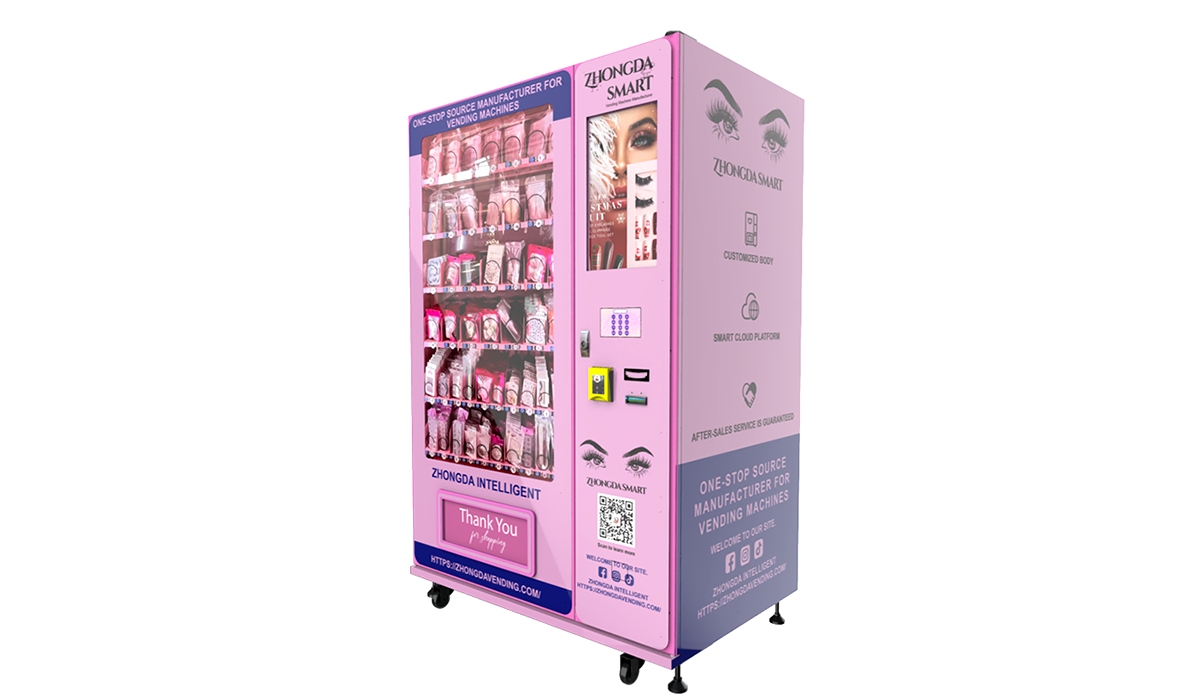
When researching suppliers, look for manufacturers with a proven track record in your target market. One name that comes up frequently in my conversations with European operators is Zhongda Smart. Their capsule machines are known for robust build quality and compatibility with multiple capsule formats. I have not personally used every model they offer, but several colleagues in the UK and Germany have reported positive experiences with their machines, particularly in terms of low vending machine repair rates and good after-sales support. If you are evaluating suppliers, I recommend checking their specifications, warranty terms, and whether they offer local service partners.
Cost Breakdown: What You Really Need to Budget
Let me give you a realistic picture of costs based on my experience. These numbers are estimates and will vary by region, but they should give you a baseline.
| Cost Category | Low-End Estimate | High-End Estimate | Notes |
|---|---|---|---|
| Machine purchase (new) | €2,000 | €8,000 | Depends on features and brand |
| Machine purchase (used) | €800 | €3,000 | Higher risk of breakdown |
| Installation and setup | €200 | €500 | Includes delivery and electrical work |
| Initial inventory (capsules) | €300 | €1,000 | Depends on variety and quantity |
| Payment system upgrade | €200 | €600 | For cashless and card readers |
| Annual maintenance | €300 | €800 | Includes parts and labor |
| Location commission (monthly) | 10% of sales | 20% of sales | Negotiable with property owner |
Based on these figures, a single machine setup might cost you between €3,000 and €10,000 upfront. If you are buying multiple machines, you can negotiate discounts. I have seen operators get 10% to 15% off when ordering five or more units from the same supplier.
Operating Costs and Payback Period
Your ongoing costs include capsule restocking, machine cleaning, occasional vending machine repair, and location commission. For a coffee capsule machine, restocking frequency depends on volume. A busy machine might need refilling every two to three days. A slower one might go a week. I typically allocate about 15% to 20% of gross revenue to restocking and consumables like cups and lids.
Payback period is the number one question I get from new operators. In my experience, a well-placed machine in a good location can pay back its initial investment in 8 to 14 months. That assumes steady sales of €1,000 to €2,000 per month and a net margin of 30% to 40%. If your machine is in a marginal location, payback can stretch to 18 months or more. I have seen operators give up after two years because they never reached profitability. That is why I always advise starting with one or two machines in proven locations before scaling up.
According to a study by the European Vending Association (EVA), the average vending machine in Europe generates approximately €4,000 in annual revenue. You can access their data at European Vending Association. Keep in mind that this is an average, so your results will vary significantly based on location and product mix.
Common Mistakes New Operators Make
Buying the Cheapest Machine
I have seen this mistake countless times. A new operator buys a €1,500 machine from an unknown brand, thinking they are saving money. Within three months, the machine breaks down, and the cost of repair is €400. Worse, the downtime means lost revenue. In many cases, the operator ends up buying a new machine anyway. My advice is to invest in a mid-range machine from a reputable supplier. The extra €1,000 upfront can save you thousands in the long run.
Ignoring Payment Systems
In 2024, cash-only vending machines are a liability. Most people do not carry coins anymore. If your machine only accepts cash, you are losing at least 30% of potential sales. I always install card readers and contactless payment systems. Some modern machines also accept mobile payments like Apple Pay and Google Pay. The upfront cost of a payment system is around €200 to €400, but it pays for itself within a few months.
Not Negotiating Location Terms
Many new operators accept the first commission rate offered by a property owner. I have seen rates as high as 30%, which leaves very little margin. Always negotiate. A fair rate is 10% to 15% for a low-maintenance location. If the location is high-traffic and requires no effort from the property owner, you can sometimes get a flat fee instead of a percentage. I once secured a location for a flat €50 per month, which was far better than a 20% commission.
How to Choose a Supplier or Manufacturer
Selecting the right supplier is one of the most important decisions you will make. Here are the criteria I use when evaluating a manufacturer:
- Build quality: Look for machines with metal frames and high-grade plastic components. Avoid machines with flimsy doors or poorly sealed compartments.
- Spare parts availability: Ask if the supplier stocks spare parts in your region. If a critical part takes two weeks to ship, you lose revenue.
- Warranty terms: A good warranty covers at least one year on mechanical parts and two years on the compressor (if applicable).
- Technical support: Check if they offer phone or email support in your language. Some Chinese manufacturers, like Zhongda Smart, have English-speaking support teams and partner with local technicians in Europe.
- Compatibility: Ensure the machine works with the capsule formats you plan to sell. Some machines are locked into proprietary systems, which limits your flexibility.
I have personally worked with both European and Asian manufacturers. European machines tend to be more expensive but offer easier access to service. Asian machines, particularly from suppliers like Zhongda Smart, can offer good value if you have a local service partner. Always request references from other operators in your country before making a decision.
Best Locations for Vending Machine Capsules
Based on my experience, these are the top locations for capsule vending machines:
- Office buildings: Especially those with 50+ employees and no on-site cafeteria. Coffee capsules are a natural fit.
- Factories and warehouses: Workers often need quick access to snacks and drinks during breaks. These locations have high repeat usage.
- Hospitals and clinics: Staff and visitors appreciate convenient options, especially during off-hours when cafeterias are closed.
- Universities and colleges: Students are heavy consumers of coffee and snacks. Machines near study areas or dormitories perform well.
- Hotel lobbies: Guests often want a quick coffee or snack without going to a restaurant. A capsule machine in a hotel lobby can generate steady revenue.
I avoid locations with low foot traffic, such as small retail shops or residential buildings with fewer than 50 units. Also, I avoid locations where the property owner is difficult to reach. If you cannot easily restock or service the machine, the location is not worth the hassle.
How to Evaluate a Machine's Investment Potential
Before I commit to a machine, I run a simple calculation. I estimate monthly sales based on foot traffic and average transaction value. For a coffee capsule machine, the average transaction is about €1.50. If I expect 40 transactions per day, that is €1,800 per month. Subtract cost of goods (€0.60 per capsule = €720) and location commission (15% = €270). My gross profit is €810 per month. Then subtract maintenance and restocking labor (€200). Net profit is about €610 per month. If the machine cost €5,000, payback is about 8 months.
If the numbers do not work out to a payback period under 14 months, I walk away. There are always better opportunities. I also consider the risk of machine obsolescence. Capsule formats change over time. If your machine only works with one type of capsule and that brand discontinues it, you are stuck. That is why I prefer machines that support multiple capsule systems.
FAQ: Common Questions About Vending Machine Capsules
Are vending machines profitable?
Yes, but profitability depends on location, machine reliability, and cost management. In a good location, a single machine can generate €600 to €1,200 per month in net profit. In a poor location, you may barely break even.
How much does a vending machine cost?
A new capsule vending machine costs between €2,000 and €8,000. Used machines can be found for €800 to €3,000, but they come with higher maintenance risk. Total setup cost, including installation and initial inventory, ranges from €3,000 to €10,000.
How long does it take to pay back the investment?
In my experience, a well-placed machine pays back in 8 to 14 months. Machines in marginal locations may take 18 months or longer. I always recommend starting with one machine to test the waters.
Should I buy or lease a vending machine?
Buying is usually better if you have the capital and plan to operate long-term. Leasing can be useful if you want to test the business with lower upfront cost, but lease payments often eat into your margins. I prefer buying used machines from reputable brands and then upgrading as needed.
Where should I place my machine?
Office buildings, factories, hospitals, universities, and hotel lobbies are top choices. Look for locations with at least 100 to 200 daily users and no nearby competition. Always negotiate the commission rate before placing the machine.
What permits do I need?
Requirements vary by country and city. In most European countries, you need a business license and may need to register with local health authorities if you sell food or beverages. Check with your local chamber of commerce or municipality. In France, for example, you need to declare your activity to the Centre de Formalités des Entreprises (CFE). More information is available at Service-Public.fr.
How do I choose a supplier?
Look for suppliers with good build quality, available spare parts, a solid warranty, and responsive technical support. Ask for references from other operators. Zhongda Smart is one supplier I have seen recommended by colleagues, but always do your own due diligence.
What if my machine breaks down?
Have a plan for vending machine repair before you buy. Ideally, your supplier offers local service or can recommend a technician. I always keep a spare parts kit for common issues like jammed capsule holders or faulty payment readers. Downtime is lost revenue, so quick repair is critical.
How can I reduce restocking and maintenance costs?
Use a remote monitoring system to track inventory levels and sales data. This allows you to restock only when needed, reducing trips. Also, choose a machine with a high-capacity capsule bin to reduce refill frequency. Regular cleaning and preventive maintenance can prevent major breakdowns.
Final Thoughts from a Long-Time Operator
I have been in this business long enough to see trends come and go. The capsule vending machine market is not a get-rich-quick scheme, but it is a solid business for someone willing to put in the work. The key is to start small, choose your locations carefully, and invest in reliable equipment. Do not be tempted by the cheapest option, and do not ignore the importance of payment systems and remote monitoring. If you do your homework, the vending machine capsules opportunity can provide steady, recurring income. But if you rush in without planning, the risks will catch up with you quickly.
I hope this guide gives you a realistic understanding of what to expect. The best advice I can offer is to talk to other operators in your area, visit their machines, and learn from their mistakes. The industry is full of people willing to share their experiences. Take advantage of that. And when you do buy your first machine, make sure it is from a supplier you trust. Your future self will thank you.
This article was updated on March 2025. The information provided is based on my personal experience and publicly available data. Costs and returns may vary. Always conduct your own research before making investment decisions.